
Responding to fires involving multiple residential structures simultaneously presents unique challenges that require coordinated tactics and strong incident command. Such incidents often escalate quickly, putting firefighters under intense pressure to contain the fire spread while ensuring safety for all personnel and civilians.
Initial Size-Up and Priorities
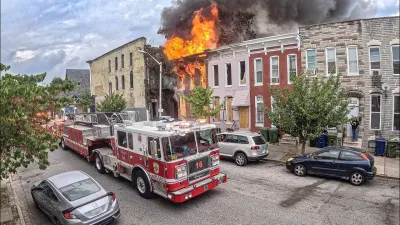
When arriving at a scene with three houses burning, the first priorities include life safety, incident stabilization, and property conservation. A rapid but thorough size-up is essential to determine fire extension, structural integrity, and potential exposures. Key factors to assess include:
- Fire location and extent in each structure
- Occupancy status and potential rescues
- Wind conditions influencing fire spread
- Access points for apparatus and hose deployment
- Available water supply and hydrant locations
Tactical Considerations and Crew Management
Multi-structure fires require an effective division of labor and clear communication among crews. Incident command should establish sectors or divisions to manage different buildings or operational functions. Some operational points to keep in mind:
- Assign crews to specific buildings to prevent overlap and confusion
- Use rapid intervention teams (RIT) ready for firefighter emergencies
- Monitor structural stability continuously, as fire damage can lead to collapse hazards
- Implement defensive operations if interior attack becomes unsafe
- Coordinate with mutual aid resources to maintain manpower and equipment
Firefighters operating under these stressful conditions must maintain situational awareness and adhere strictly to safety protocols. Managing nerves and stress is critical to effective decision-making and teamwork. While the urgency is high, patience and methodical actions often prevent unnecessary risks and improve overall incident outcomes.
In summary, multi-structure residential fires require a balance of aggressive fire suppression and prudent risk management. Proper planning, communication, and resource allocation are key to successfully mitigating these complex incidents.
About This Video
This 33:52 Fire video covers Operational Insights on Multi-Structure Residential Fires. Topics include: residential fire, multi-structure fire, firefighting tactics, incident command, fireground safety, fire suppression, fire behavior, mutual aid, firefighter stress, emergency response.
Related Resources
Explore related firefighter Fire guides, free firefighter tools and the hazmat reference hub.
Training Note
All videos on AllFirefighter are curated for training and operational awareness. Always follow your department SOP/SOG and consult current standards before applying any technique on the fireground.
Comments 0
No comments yet. Be the first to share your thoughts on this video!
Leave a Comment