
Operational Analysis of the Switzerland Bar Fire Firestorm
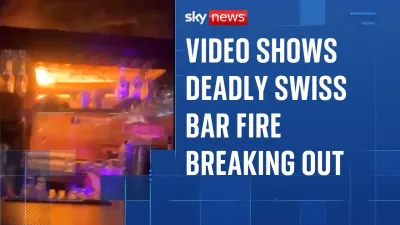
This incident involved a rapidly escalating fire in a bar setting in Switzerland that transformed into a firestorm, resulting in 155 casualties. The fire's sudden intensification created extreme challenges for the responding crews, highlighting critical lessons in fire behavior, tactical decision-making, and casualty management.
Fire Behavior and Tactical Response
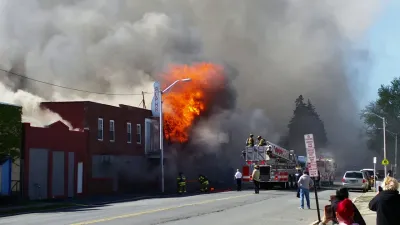
The fire initially presented as a typical structural fire within a commercial occupancy. However, conditions deteriorated quickly as the flames intensified, creating a firestorm environment characterized by extreme heat release rates and rapid flame spread. This escalation likely overwhelmed initial interior attack crews, forcing a shift in tactics. Firefighters had to prioritize defensive operations and rapid evacuation efforts to protect both civilians and personnel. The incident underscores the importance of continuous size-up, monitoring fire development, and adapting attack strategies accordingly.
Operational Challenges and Lessons Learned
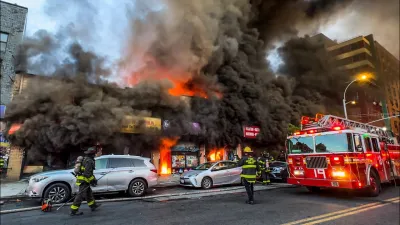
The large number of casualties points to challenges in crowd control, evacuation, and medical triage during mass casualty incidents. Fire crews operating in full PPE and SCBA had to coordinate closely with EMS and law enforcement to manage the scene effectively. Command and control were critical in allocating resources, establishing safety zones, and maintaining crew accountability under rapidly changing conditions. This event serves as a reminder of the complexity of fireground operations in densely occupied commercial spaces and the necessity of thorough pre-incident planning and interagency coordination.
In summary, the Switzerland bar fire firestorm demonstrates the unpredictable nature of fire behavior in confined commercial structures and the operational need for flexible tactics, strong incident command, and integrated casualty management to mitigate loss of life and firefighter risk.
About This Video
This 13:13 Fire-safety video covers Switzerland Bar Fire Turns Into Firestorm: Operational Insights from a High-Casualty Incident. Topics include: fireground operations, firestorm, mass casualty incident, firefighter safety, ventilation, fire behavior, incident command, structural firefighting, PPE, SCBA, fire attack, crowd control.
Related Resources
Explore related firefighter Fire-safety guides, free firefighter tools and the hazmat reference hub.
Training Note
All videos on AllFirefighter are curated for training and operational awareness. Always follow your department SOP/SOG and consult current standards before applying any technique on the fireground.


Comments 0
No comments yet. Be the first to share your thoughts on this video!
Leave a Comment