The rank of captain sits at the point where firefighting stops being just physical work and starts being a mix of leadership, logistics, and split-second calls under pressure. A captain is running the shift, not just working it.
Shift Start: Briefing and Equipment Checks
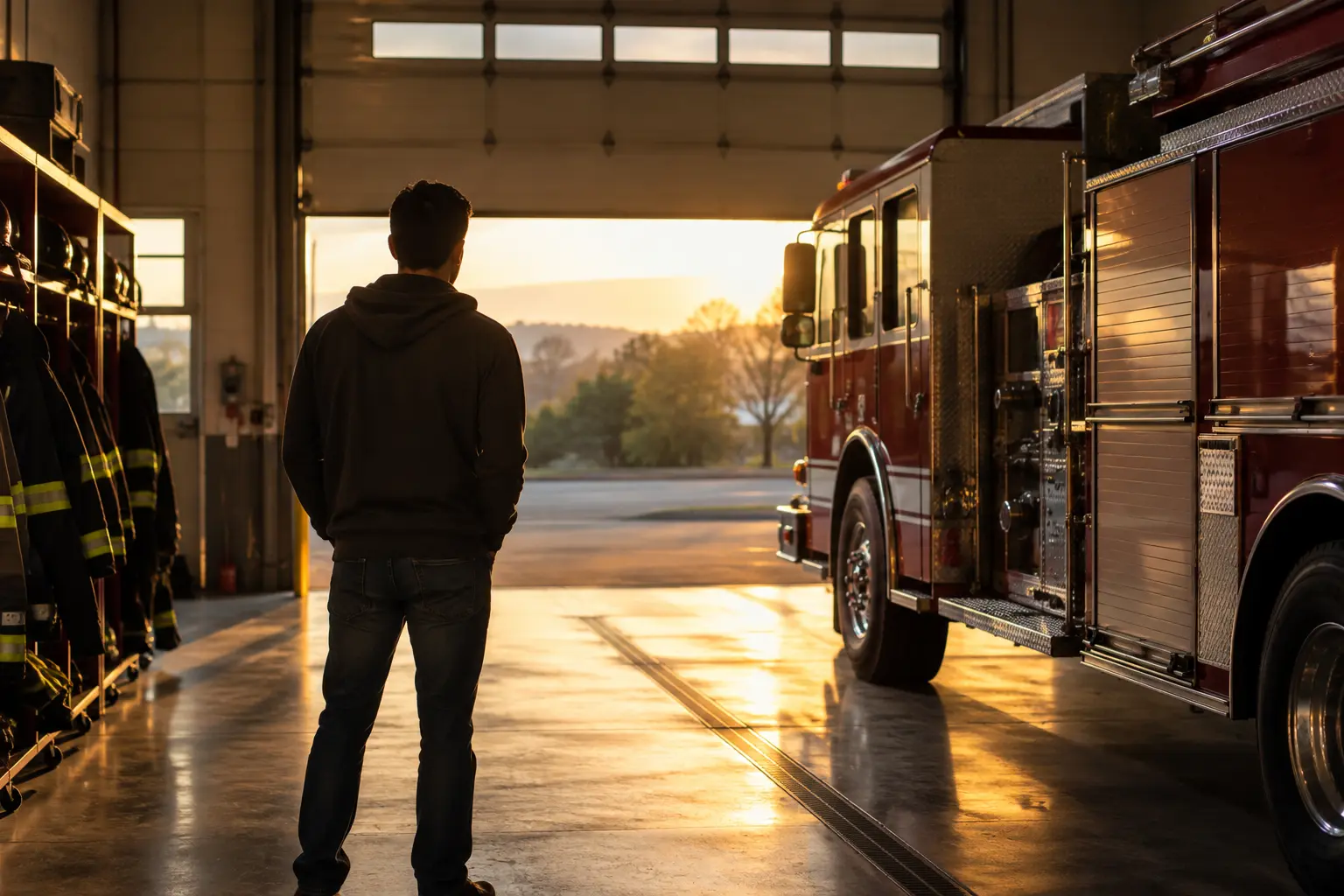
The day starts with a briefing — what happened on the previous shift, any changes to run cards or SOPs, anything the crew needs to know before the tones drop. Right after that comes apparatus and gear checks: SCBA, hose loads, tools, the rig itself. This isn't paperwork for its own sake — a check missed here is the thing that fails mid-incident.
Training the Crew
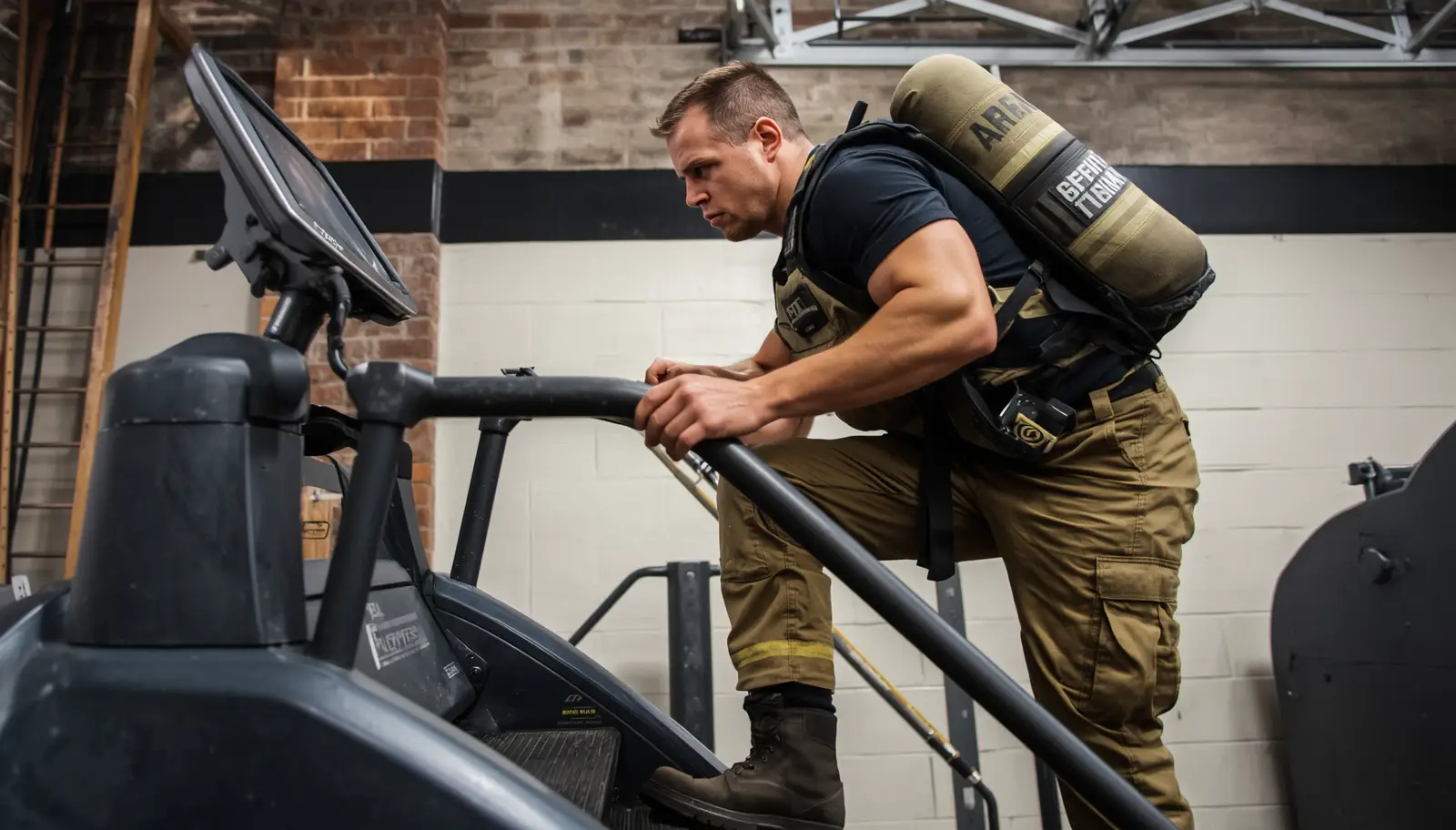
A captain is responsible for their own proficiency and for the crew's. Drills run through the day — suppression tactics, rescue evolutions, whatever the department's training cycle calls for. Part of the job is reading which firefighters need more reps on which skill, and building that into the day without it feeling like busywork.
When the Alarm Drops
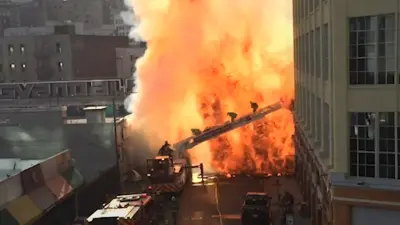
On arrival, the captain is making the initial size-up call in the first minute — what's the building, what's the smoke telling them, offensive or defensive, where does the first line go. Those first decisions set the tone for everything that follows, and there's no redo if the read is wrong.
Beyond the Emergency Calls
Captains also carry a public-facing role — station tours, fire safety talks, code inspections, community events. It's a smaller part of the job by hours, but it's often where a department's relationship with its district actually gets built.
The rank asks for technical competence, the judgment to make a fast call with incomplete information, and the patience to teach the same drill for the tenth time. That combination is what the job comes down to.
About This Video
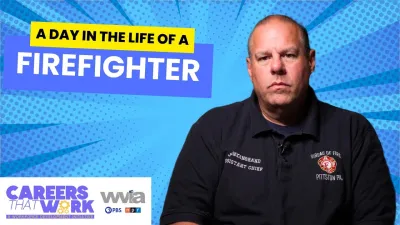
This 27:26 Career video covers A Day in the Life of a Fire Captain: Duties and Responsibilities. Topics include: fire captain duties, fire officer leadership, incident command, firefighter career, fire department training, company officer.
Related Resources
Explore related firefighter Career guides, free firefighter tools and the hazmat reference hub.
Training Note
All videos on AllFirefighter are curated for training and operational awareness. Always follow your department SOP/SOG and consult current standards before applying any technique on the fireground.
Comments 0
No comments yet. Be the first to share your thoughts on this video!
Leave a Comment