
Firefighter Challenge World Championship Run
The Firefighter Challenge World Championship run is a rigorous event designed to test the fundamental skills and physical endurance required on the fireground. Crews navigate multiple timed tasks that simulate critical firefighting operations, emphasizing speed, precision, and teamwork under pressure. This article examines the key components of a Challenge run and their relevance to daily fireground operations.
Core Fireground Skills in Action
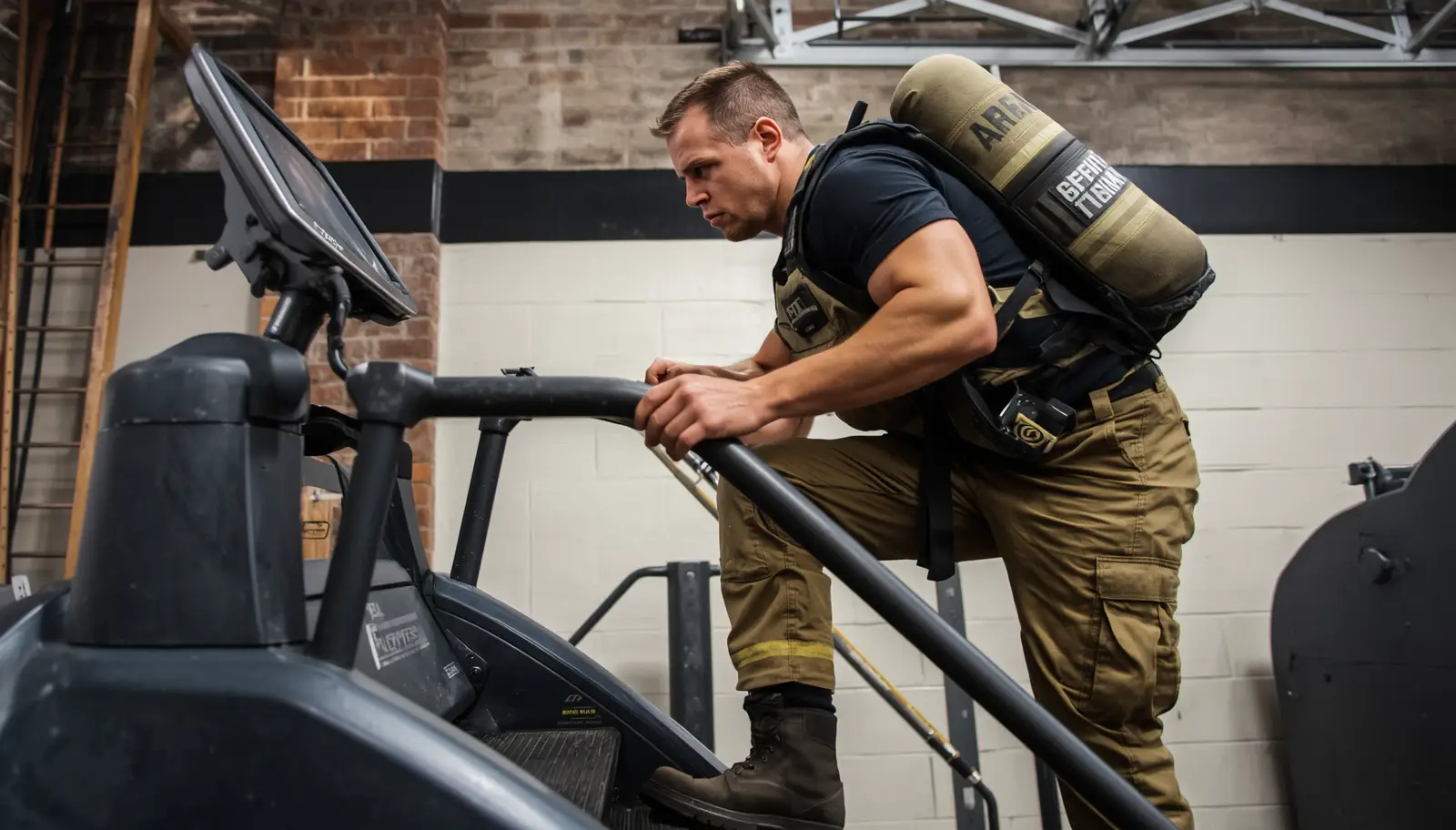
During the Challenge, firefighters perform a series of evolutions that mirror essential fireground tasks such as donning SCBA, advancing charged hoselines, forcible entry, victim search and rescue, and ventilation. Each task requires proper PPE usage and adherence to safety protocols, ensuring crews maintain situational awareness while working efficiently. The timed nature of the event highlights the importance of muscle memory and fluid coordination, which directly translates to faster, safer responses in real emergencies.
Team Coordination and Operational Efficiency
Success in the Challenge depends heavily on teamwork and communication. Crews must coordinate hose deployment, manage air supply, and execute search patterns effectively. The event reinforces the value of clear command and control, where every member understands their role and supports others. These operational lessons underscore how disciplined coordination reduces risks and improves outcomes during actual fireground operations.
In summary, the Firefighter Challenge World Championship serves as a practical platform for honing critical firefighting skills and reinforcing operational principles. Firefighters and officers can use insights from these runs to evaluate training effectiveness and identify areas for improvement in real-world fireground performance.
About This Video
This 03:12 Career video covers Inside a Firefighter Challenge World Championship Run. Topics include: firefighter challenge, fireground skills, firefighter training, SCBA, PPE, firefighter teamwork, fireground operations, hose deployment, search and rescue, ventilation, firefighter endurance, firefighter safety.
Related Resources
Explore related firefighter Career guides, free firefighter tools and the hazmat reference hub.
Training Note
All videos on AllFirefighter are curated for training and operational awareness. Always follow your department SOP/SOG and consult current standards before applying any technique on the fireground.
Comments 0
No comments yet. Be the first to share your thoughts on this video!
Leave a Comment