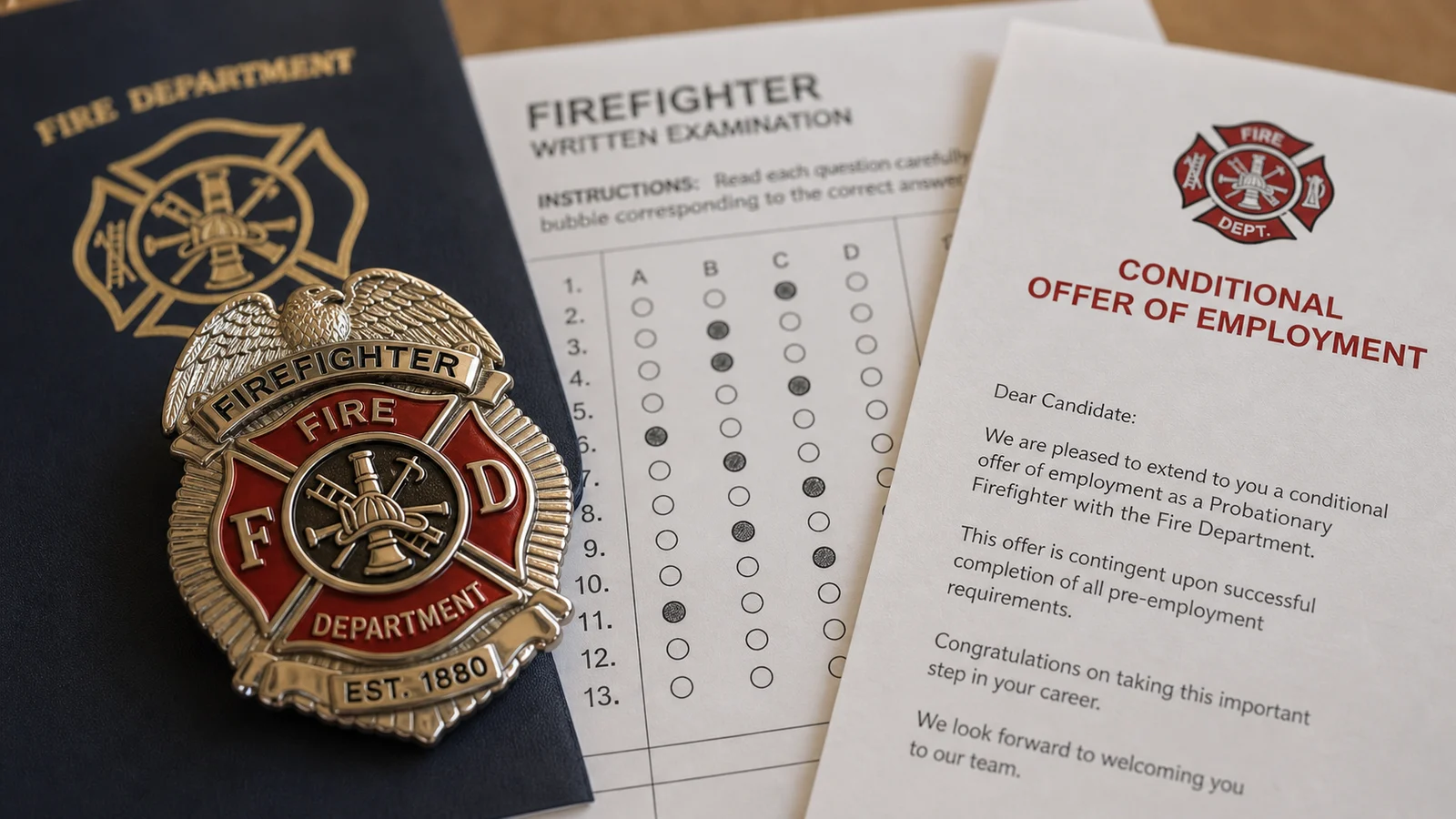

Fire Department Hiring Process: Every Step from Application to Badge
The fire department hiring process is a multi-stage elimination system that can take anywhere from 6 months to 2 years from application to first day at the academy. Most candidates who fail do not fail because they lacked the physical ability or the desire — they fail because they did not understand what was coming and did not prepare for each stage specifically. This guide walks through every step in sequence.
Timeline reality check: Large city departments (FDNY, LAFD, Chicago, Houston) may have hiring lists that span years. Smaller and mid-size departments can move candidates from application to conditional offer in 3–6 months. The steps are nearly identical regardless of department size.
Jump to:Job announcement · Written exam · CPAT · Oral board · Background investigation · Polygraph · Psychological evaluation · Medical exam · Conditional offer & academy · Full timeline · FAQ
Step 1: Job Announcement and Application
Finding open positions and applying
Fire department job announcements are posted on the department's official website, the city or county human resources portal, and on national boards like GovernmentJobs.com (NEOGOV). Announcement windows are often short — 1 to 4 weeks — and missing the deadline means waiting for the next cycle, which could be 1–3 years away.
When applying, submit every required document precisely as described. Missing a single required attachment is grounds for immediate disqualification at many departments before a human reviews your qualifications. Required documents typically include: completed application form, proof of minimum age, valid driver's license copy, high school diploma or GED, and any required certifications (EMT card, Firefighter I/II certificate).
Set up job alerts now. Most city HR portals allow email alerts for new job postings. Set them up for every department within your target geographic range — hiring windows open without warning and close fast.
Step 2: Written Examination
What the written exam tests
The written exam is a scored, timed multiple-choice test covering reading comprehension, basic math, mechanical aptitude, spatial reasoning, memory and observation, and situational judgment. Some departments use standardized tests (like the NTN FireTEAM or Ergometrics test); others write their own.
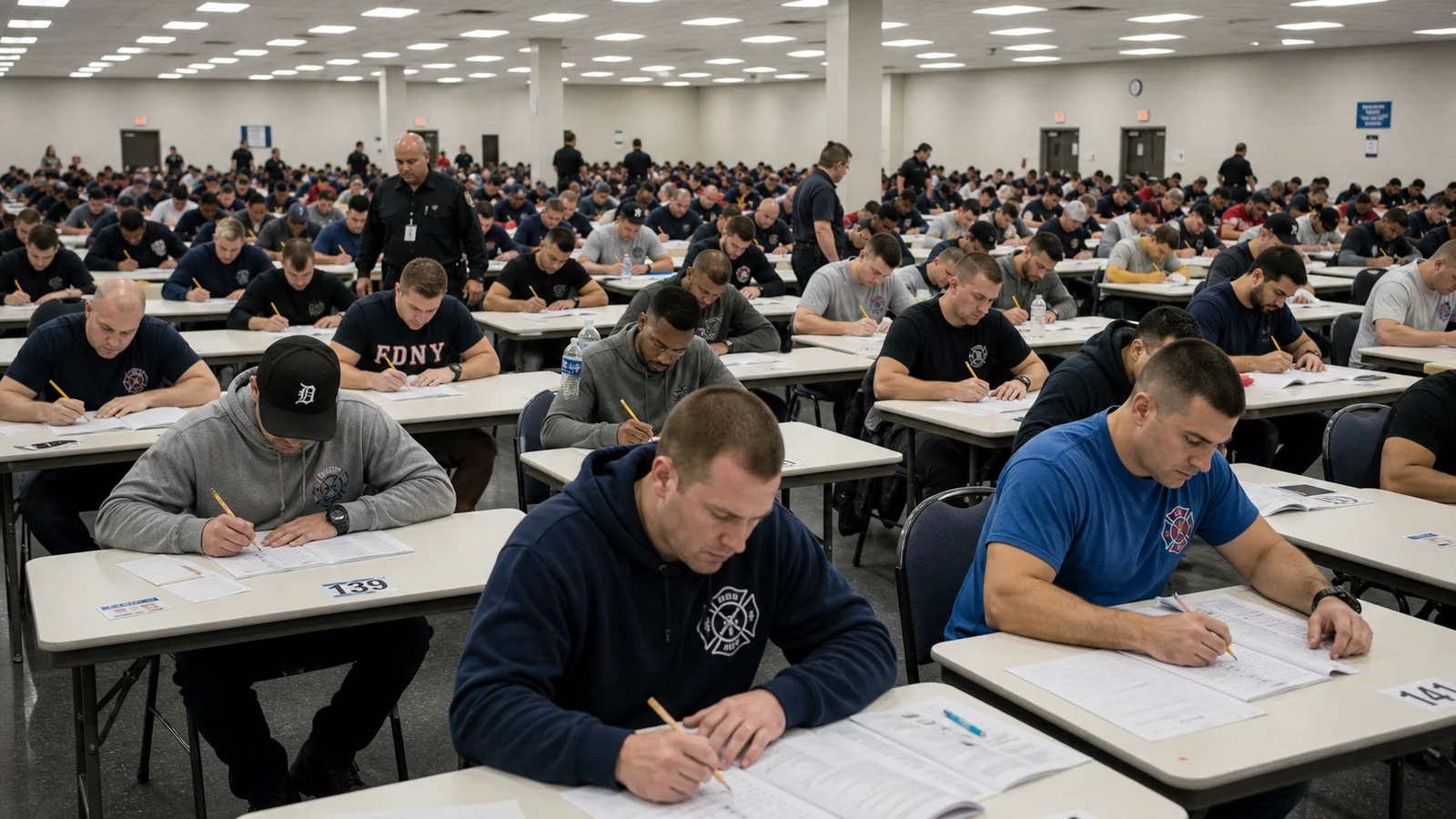
Most written exams are scored and candidates are ranked by score. Only the top-scoring candidates (often top 25–50% depending on how many spots are available) advance to the next stage. A score of 70% passes the test. A score of 95%+ puts you at the top of the list. The difference between a passing score and a top score directly affects your placement on the eligibility list and, ultimately, whether you get called for an interview before the list expires.
Study for the specific test your department uses. NTN FireTEAM, Ergometrics, and CODA tests all have different emphasis areas. Most test providers offer official practice tests. Use them.
Step 3: Candidate Physical Ability Test (CPAT)
The standardized physical agility test
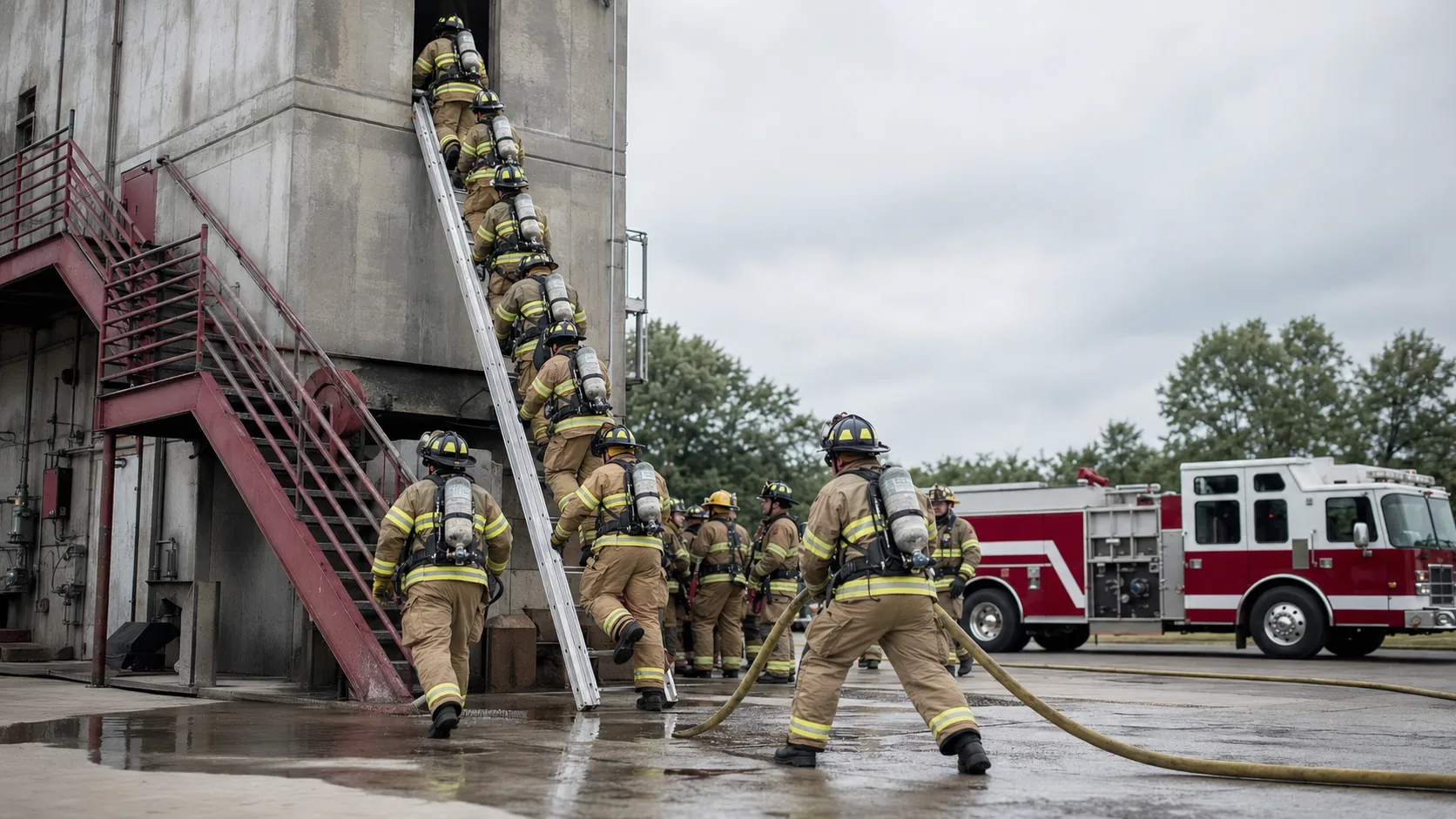
The CPAT is a pass/fail test consisting of 8 events designed to simulate firefighting tasks: stair climb, hose drag, equipment carry, ladder raise and extension, forcible entry, search, rescue drag, and ceiling breach and pull. The entire course must be completed in 10 minutes 20 seconds wearing a 50-pound weighted vest.
Some departments administer their own physical agility test instead of the standardized CPAT. The CPAT is accepted by hundreds of departments nationwide and many allow you to present a valid CPAT certificate (typically valid for 1 year) rather than retesting. See our complete CPAT preparation guide for event-by-event training strategies.
Step 4: Oral Board Interview
The panel interview
The oral board is a structured interview conducted by a panel of 3–5 evaluators — typically fire officers, HR representatives, and sometimes community members. Each candidate is asked the same standardized set of questions and scored on a rubric covering communication, problem-solving, situational judgment, and commitment to the profession.
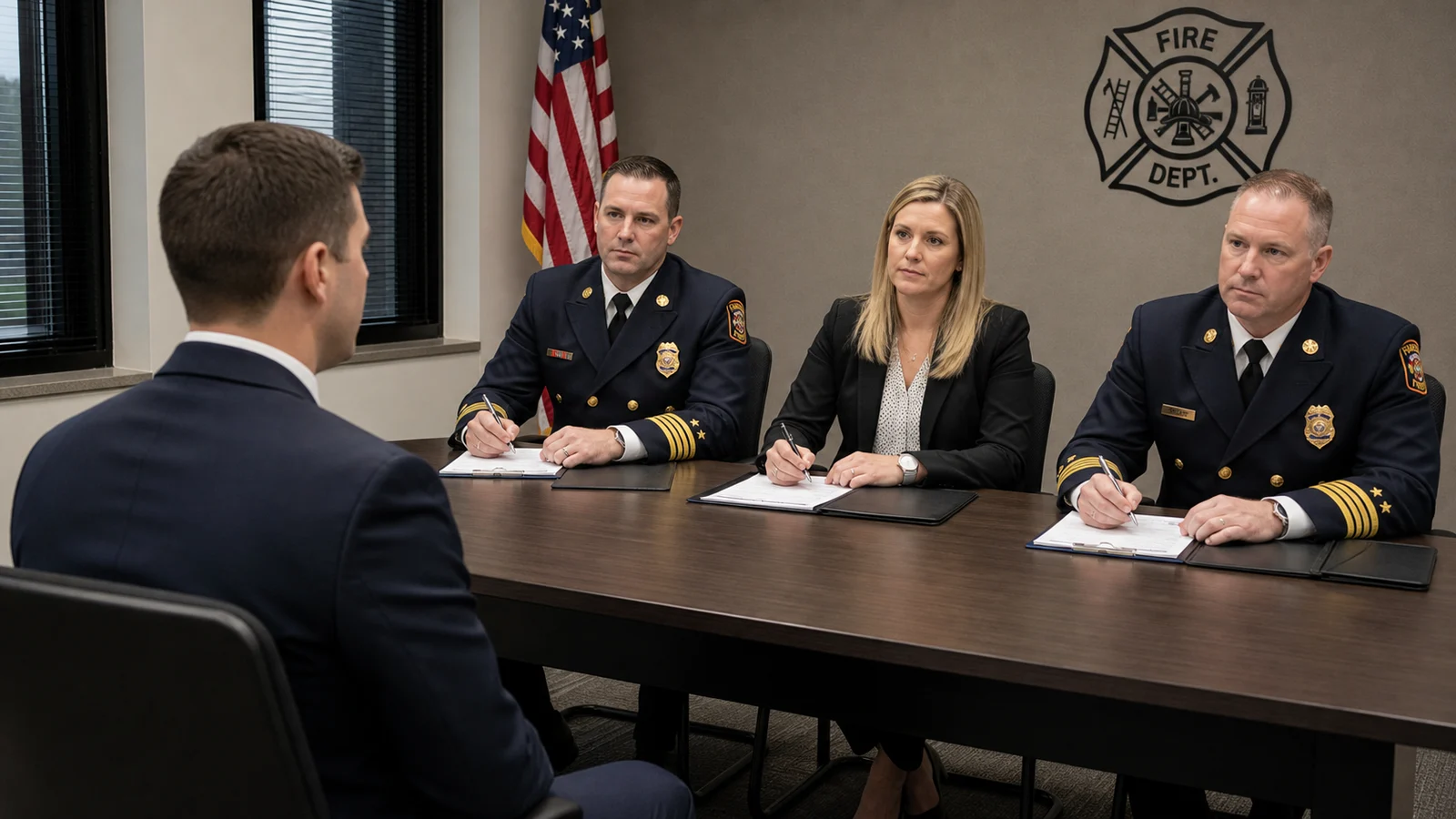
Common oral board question categories include: why you want to be a firefighter, situational judgment scenarios (a coworker is doing something unsafe — what do you do?), knowledge of the fire service, how you handle conflict, and your understanding of the department's values. Prepare structured answers using the STAR method (Situation, Task, Action, Result) for behavioral questions. See our oral board preparation guide for the most common questions and model answers.
Step 5: Background Investigation
The deep-dive character investigation
After the oral board, surviving candidates are typically given a comprehensive background questionnaire to complete. An investigator then spends 2–6 weeks verifying every item and conducting interviews with your references, neighbors, former coworkers, and supervisors. Criminal history, driving record, employment history, education, credit, and social media are all examined.
The background investigation is where the majority of candidates who made it through the testing stages are disqualified — not because of dramatic skeletons, but because of incomplete disclosure, inconsistencies, or issues they underestimated. See our complete background investigation guide for what investigators look for and how to prepare.
Step 6: Polygraph Examination
The lie detector test (at departments that require it)
Many departments require a polygraph examination as part of or in addition to the background investigation. The exam focuses on verifying the truthfulness of your background packet — criminal history, drug use, employment history, and application accuracy. See our polygraph test guide for everything you need to know.
Step 7: Psychological Evaluation
Evaluating psychological fitness for duty
A licensed psychologist administers a battery of standardized psychological assessments (commonly the MMPI-2, PAI, or CPI) followed by a clinical interview. The evaluation is not looking for perfection — it is screening for psychological conditions that would impair your ability to perform safely under extreme stress, function as part of a team, follow orders, and maintain appropriate judgment in crisis situations.
The psychological evaluation cannot legally be used to discriminate based on protected health conditions under the ADA. However, specific work-related functional limitations — such as an inability to function safely under acute stress — are valid job-related criteria. Answer honestly. Psychologists administering public safety evaluations are experienced at identifying inconsistency between test results and interview responses.
Step 8: Medical Examination
The physician clearance exam
A comprehensive medical examination confirms you meet the physical standards for firefighting duty. This typically includes vision and hearing testing, cardiovascular evaluation (EKG, stress test at some departments), pulmonary function testing, musculoskeletal assessment, and lab work. Standards are generally based on NFPA 1582 (Standard on Comprehensive Occupational Medical Program for Fire Departments).
Know your NFPA 1582 Category A and B conditions. Category A conditions are absolute disqualifiers. Category B conditions may be disqualifying depending on severity and the duties required. If you have a known medical condition, research how it is classified under NFPA 1582 before beginning the process.
Step 9: Conditional Offer and Fire Academy
The conditional offer of employment
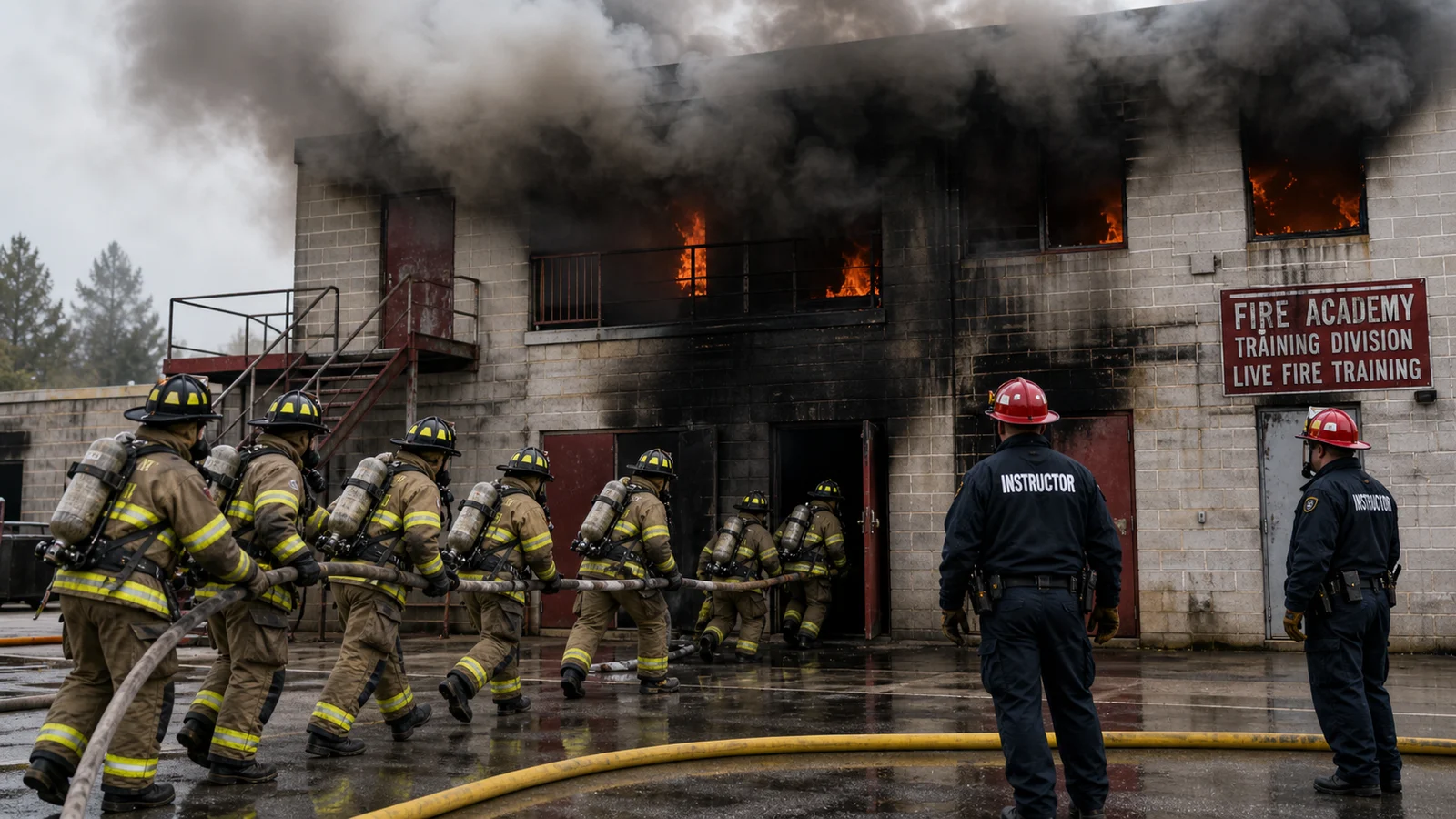
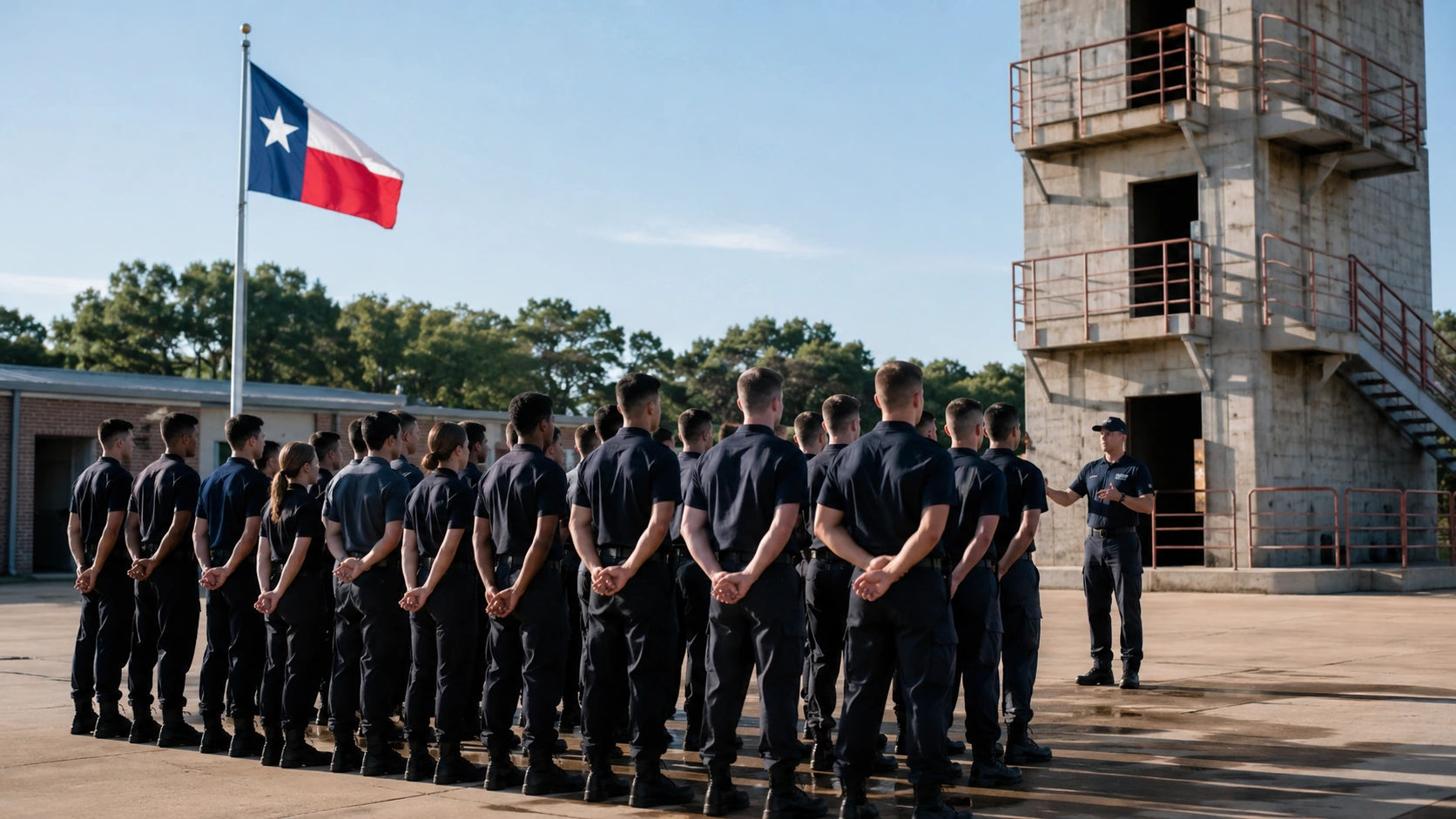
After passing all pre-employment evaluations, you receive a conditional offer of employment. It is conditional on successful completion of the fire academy. Academy training typically runs 16–22 weeks for career departments, covering structural firefighting, vehicle extrication, HazMat operations, EMS, apparatus operations, and fire behavior. Failing the academy results in termination.
Full Hiring Timeline
| Stage | Typical duration | Eliminates approx. |
|---|---|---|
| Application screening | 2–4 weeks | 30–50% (minimum qualifications) |
| Written examination | 1 day + scoring | 25–60% (score cutoff) |
| CPAT / Physical agility | 1 day | 5–15% |
| Oral board interview | 1 day + scoring | 20–40% |
| Background investigation | 3–8 weeks | 5–20% |
| Polygraph (if required) | 1 day | 3–10% |
| Psychological evaluation | 1 day | 2–5% |
| Medical examination | 1 day | 1–3% |
| Conditional offer → Academy | 1–12 months (wait) | — |
| Total process | 6 months – 2 years | 97–99% of original applicants |
Frequently Asked Questions
How long does the fire department hiring process take?
The full process typically takes 6 months to 2 years from application to first day at the academy. Large city departments with infrequent hiring cycles can stretch this timeline significantly. Smaller departments often move faster. Once you are placed on an eligibility list after testing, you may wait months or years to be called depending on how many positions open up.
Can I apply to multiple fire departments at the same time?
Yes, and you should. Most fire service career advisors recommend applying to every department within your acceptable commuting or relocation range simultaneously. The hiring process at any single department is long and uncertain. Having multiple applications active at once dramatically improves your chances of receiving an offer within a reasonable timeframe.
What is the biggest reason candidates fail the hiring process?
Background investigation disqualifications are the leading cause of late-stage failures — primarily due to incomplete or dishonest disclosure rather than the underlying issues themselves. Candidates who are transparent, accountable, and thorough in their background packets survive issues that would disqualify a less honest candidate.
Do I need to be EMT certified before applying?
It depends on the department. Many departments require EMT-Basic certification at the time of hire, and some require it at the time of application. Others hire without EMT certification and send recruits through EMT training during the academy. Check the specific minimum qualifications in the job announcement for each department you apply to.
What score do I need on the firefighter written exam?
Most departments require a minimum score of 70% to pass. However, passing the minimum does not mean advancing — departments typically take candidates in rank order from the eligibility list. In competitive markets, candidates with scores below 85–90% may wait years or never be called. Aim for the highest score possible, not just a passing score.


Comments 0
No comments yet. Be the first to share your thoughts!
Leave a Comment