FDNY: Inside America’s Busiest Fire Department
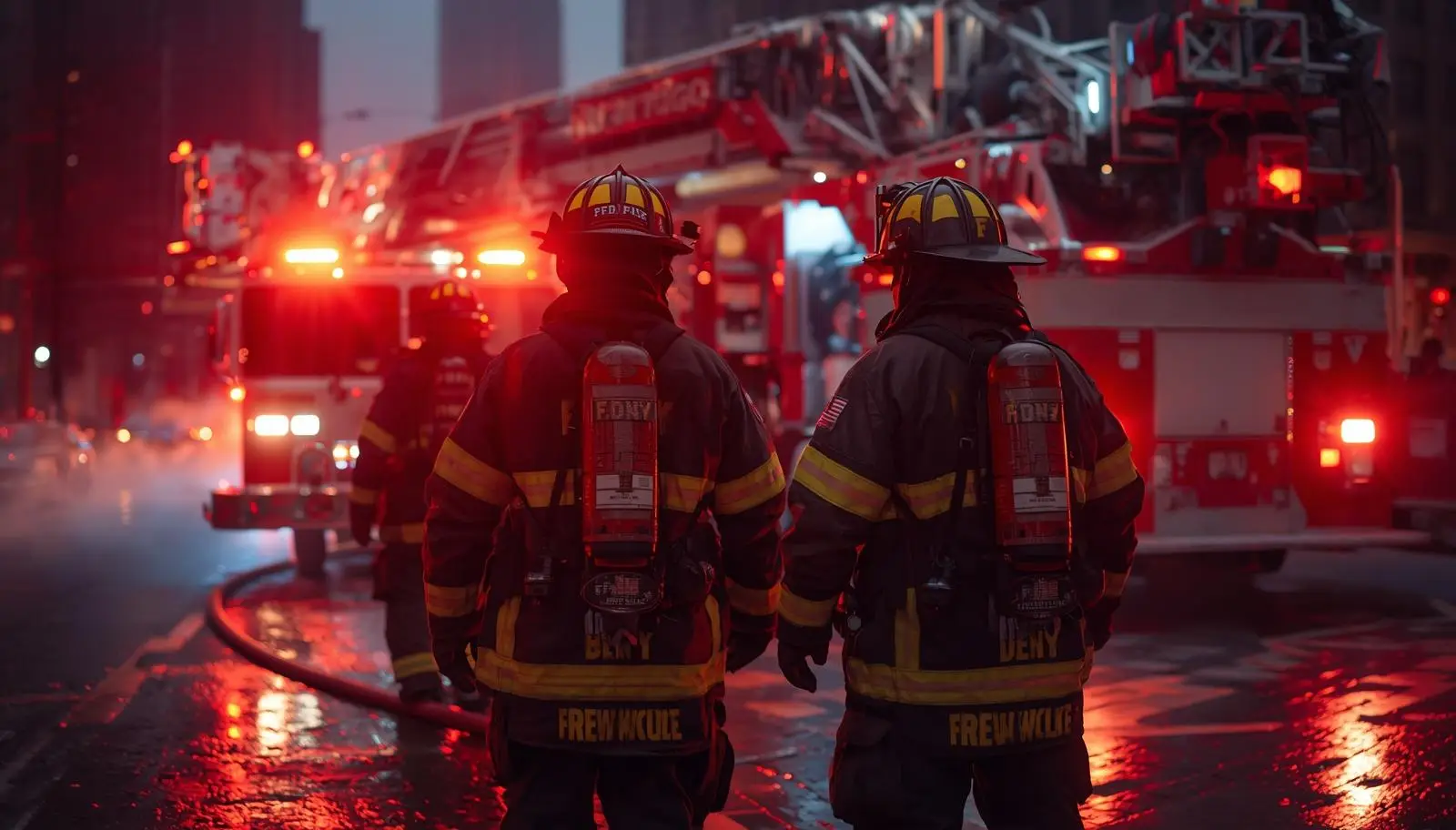
When people think of firefighting in the United States, one name almost always comes to mind first: FDNY. The Fire Department of the City of New York is not just one of the largest fire departments in the world, it is also one of the busiest and most recognizable. From high-rise fires in Manhattan to rowhouse blazes in Brooklyn and emergency calls in the Bronx, FDNY firefighters face an incredible variety of challenges every single day. In this article, we take a closer look inside FDNY, exploring how its members train, respond, and operate in one of the toughest urban environments on the planet.
A City That Never Sleeps Means a Department That Never Rests
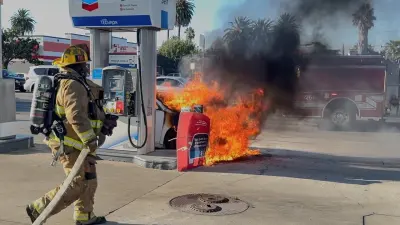
New York City is home to millions of residents, countless businesses, and a constant flow of tourists. With such high population density, emergencies are a part of everyday life. FDNY firefighters respond not only to fires, but also to medical calls, vehicle accidents, technical rescues, hazardous materials incidents, and more. The pace is relentless. A single company might respond to multiple calls in just one tour, sometimes with little to no downtime in between.
Many FDNY members describe the department as a place where you quickly learn to expect the unexpected. One call could be a minor alarm activation, and the next could be a multiple-alarm fire in a crowded apartment building with people trapped. This constant readiness is a defining part of FDNY culture.
FDNY Training: Preparing for the Worst Day
Becoming an FDNY firefighter is not easy. Candidates must pass written exams, physical ability tests, background checks, and medical evaluations. Those who succeed then attend the fire academy, where they undergo intense training designed to simulate real-world conditions. Recruits learn search and rescue techniques, hose line operations, ladder work, forcible entry, ventilation, and fire behavior. They crawl through smoke-filled environments, practice Mayday procedures, and drill repeatedly on how to operate as a coordinated team.
Even after graduation from the academy, training never stops. Firefighters continue to drill in their firehouses, participate in multi-company exercises, and study past incidents to learn from both successes and mistakes. Urban firefighting changes over time, and FDNY must adapt to new building materials, evolving fire behavior, and modern hazards such as lithium battery fires.
High-Rise and Apartment Fires: A Different Kind of Challenge
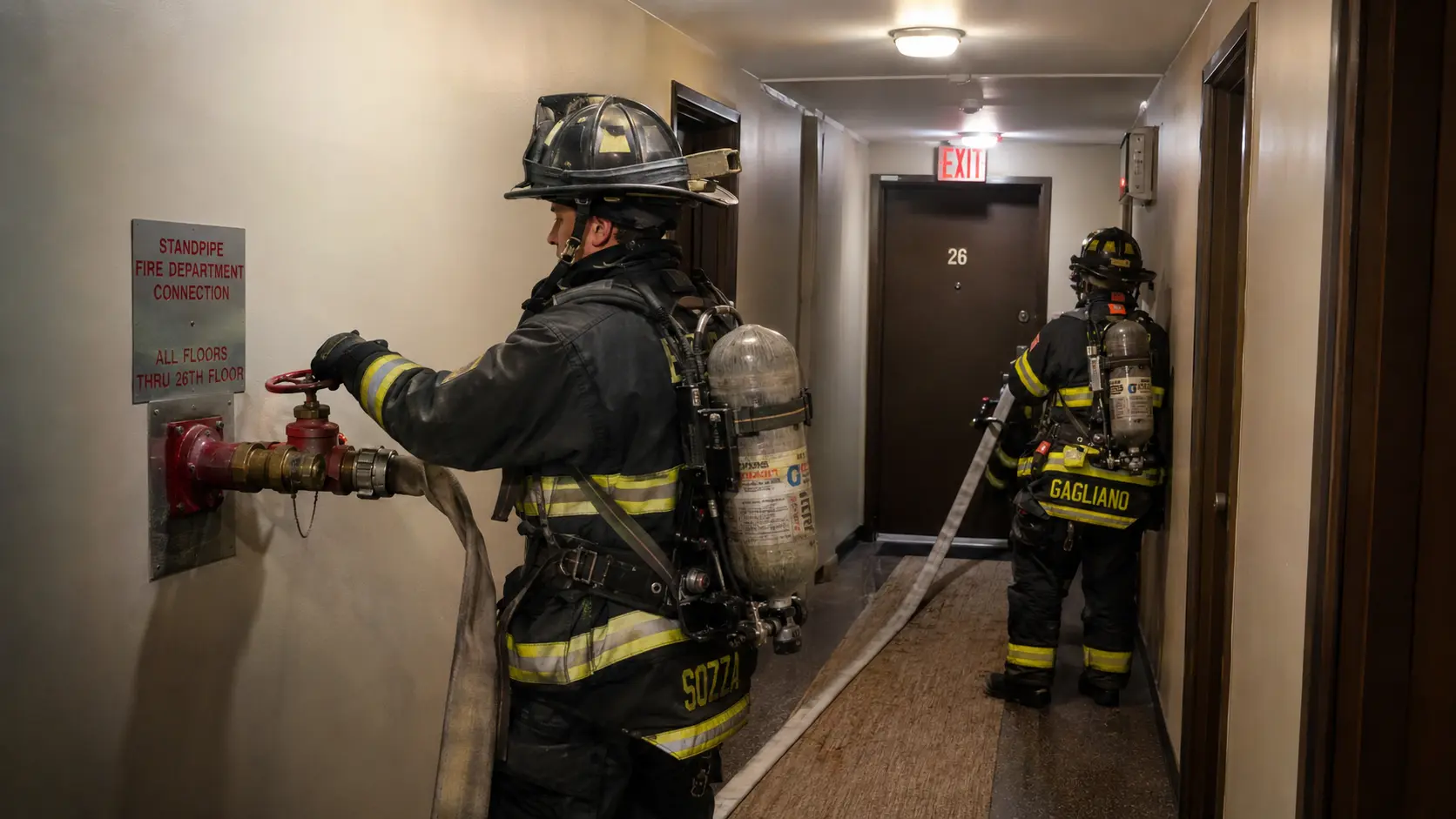
One thing that sets FDNY apart from many other departments is the massive number of high-rise and multi-family buildings within its jurisdiction. High-rise firefighting requires special tactics. Crews must operate above the ground, sometimes dozens of floors up, without the ability to quickly retreat if conditions worsen. Stairs become critical lifelines. Elevator use is strictly controlled and can be extremely dangerous if not done correctly.
In addition to high-rise structures, New York has countless older apartment buildings, brownstones, and tenements. These buildings can have maze-like layouts, narrow hallways, limited ventilation, and heavy fire loads. FDNY firefighters train specifically for these environments, learning how to move quickly under low visibility, coordinate hose stretches over multiple floors, and search for victims in tight spaces.
Life Inside an FDNY Firehouse
FDNY firehouses are more than just places to store trucks and gear. They are home bases, training grounds, and second families for the firefighters who work there. A typical tour includes checking equipment, inspecting apparatus, reviewing pre-plans, and drilling on specific skills. Between calls, firefighters cook meals together, clean the house, study, and sometimes simply talk about life.
This strong sense of brotherhood and sisterhood is an important part of the FDNY identity. Firefighters rely on each other in dangerous situations, and that trust is built over countless hours spent side by side in the firehouse. New members learn from veterans, picking up valuable tips that you cannot find in a manual.
Equipment and Apparatus Built for the City
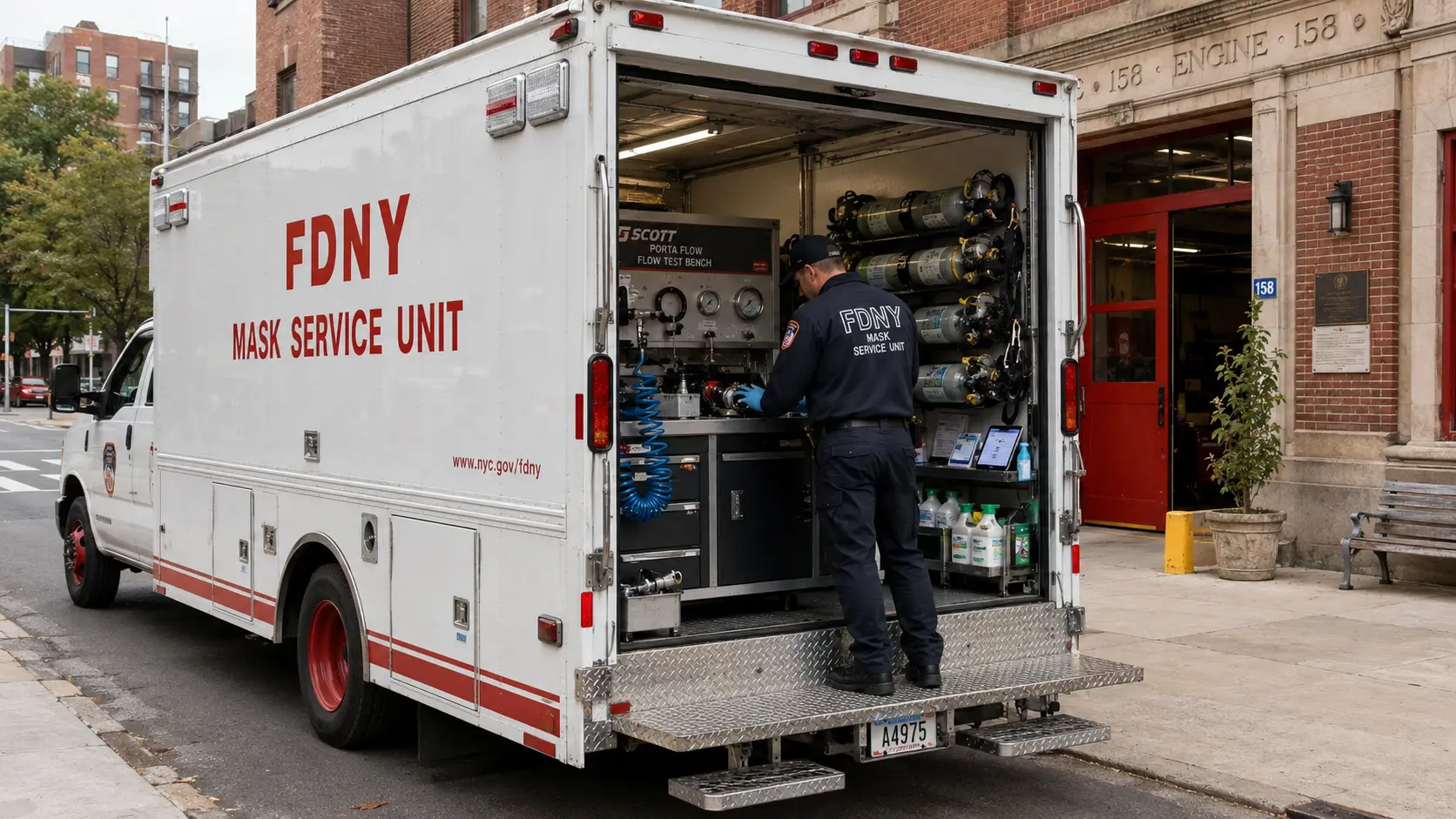
FDNY engines, ladders, and specialized units are designed to handle the unique challenges of New York City streets. Narrow roads, heavy traffic, parked cars, and tight corners all affect how apparatus are built and operated. Crews must be skilled not only in firefighting tactics, but also in navigating the city quickly and safely.
Special units, such as rescue companies and squad companies, handle complex incidents like building collapses, high-angle rescues, and hazardous materials calls. These units carry advanced tools and equipment, and their members receive additional training to manage high-risk, low-frequency events.
EMS and All-Hazards Response
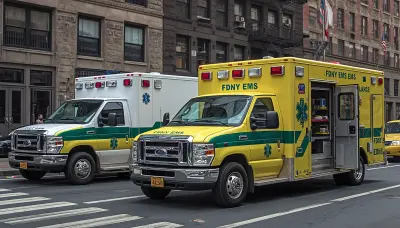
FDNY is not just a fire service; it is also responsible for one of the busiest emergency medical systems in the United States. Firefighters frequently respond to medical calls, from heart attacks and strokes to traumatic injuries and overdoses. This all-hazards approach means that firefighters must be prepared for anything, often switching between fire suppression and medical care within the same tour.
In large-scale emergencies, such as major fires, natural disasters, or transportation accidents, FDNY coordinates with law enforcement, hospitals, and other agencies. The ability to manage complex incidents in a crowded urban environment is one of the department’s greatest strengths.
Honoring Tradition While Adapting to the Future
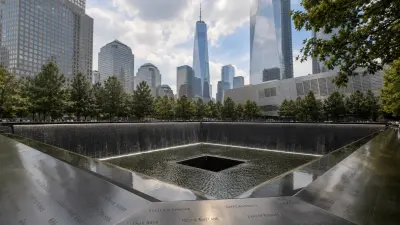
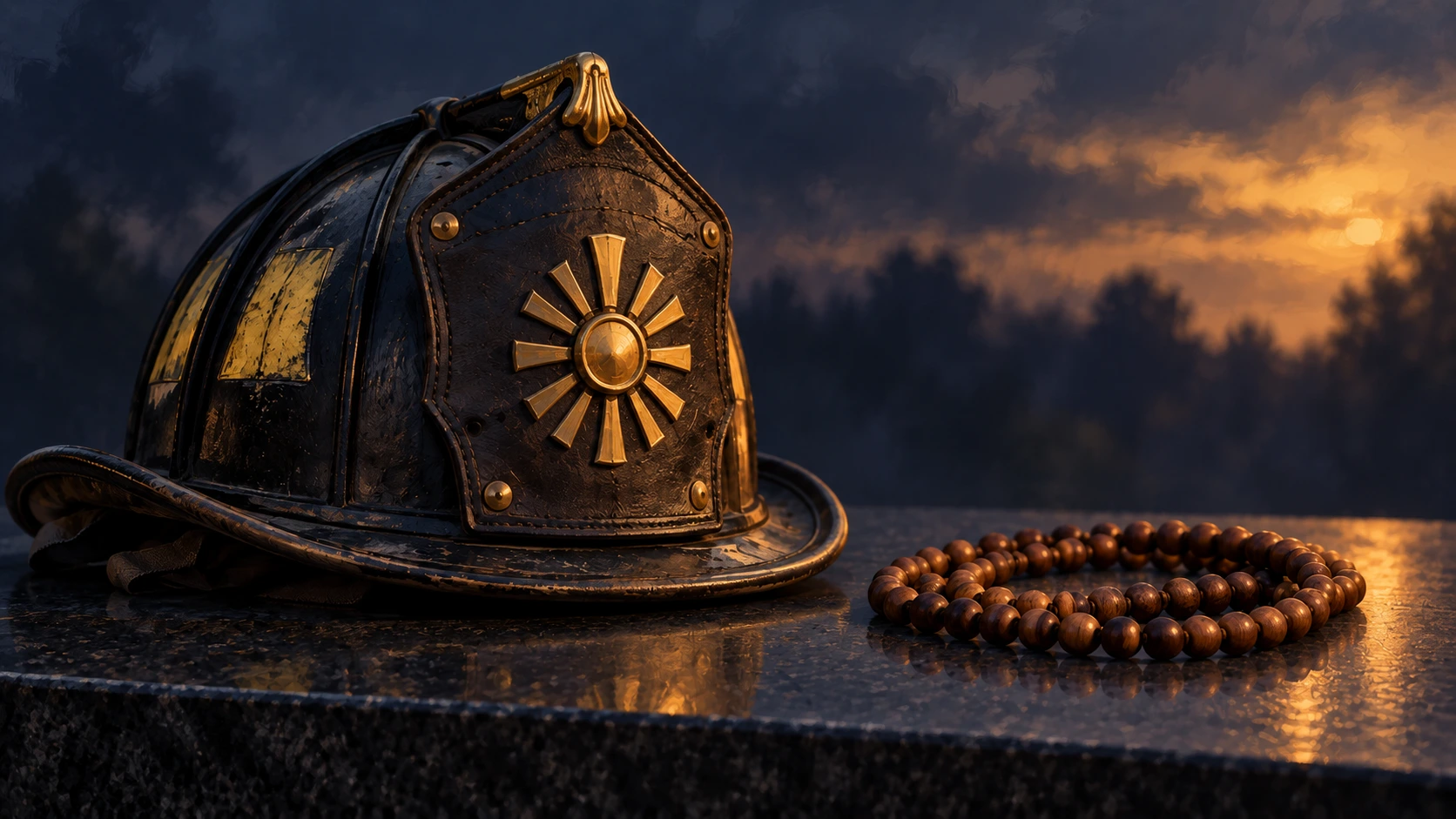
FDNY has a long history filled with courage, sacrifice, and innovation. From the early days of hand-drawn apparatus to the modern era of advanced PPE and thermal imaging cameras, the department has continually evolved. Memorials and ceremonies remind members of the lives lost in the line of duty, reinforcing the importance of safety, training, and teamwork.
At the same time, FDNY looks forward, embracing new technologies, improving communication systems, and studying fire dynamics to keep firefighters and civilians safer. The department’s experience in one of the world’s most demanding firefighting environments makes its lessons valuable for departments everywhere.
Conclusion
FDNY is more than a famous patch or a logo on a fire truck. It is a living, breathing organization made up of dedicated men and women who put their lives on the line every day. Inside America’s busiest fire department, every alarm, every drill, and every tour is a reminder that preparation, teamwork, and courage are essential. For firefighters and fire enthusiasts around the world, FDNY remains a powerful example of what it means to protect a city that never sleeps.

Comments 0
No comments yet. Be the first to share your thoughts!
Leave a Comment