The Dual-Mission Fire Department: More EMS Than Fire
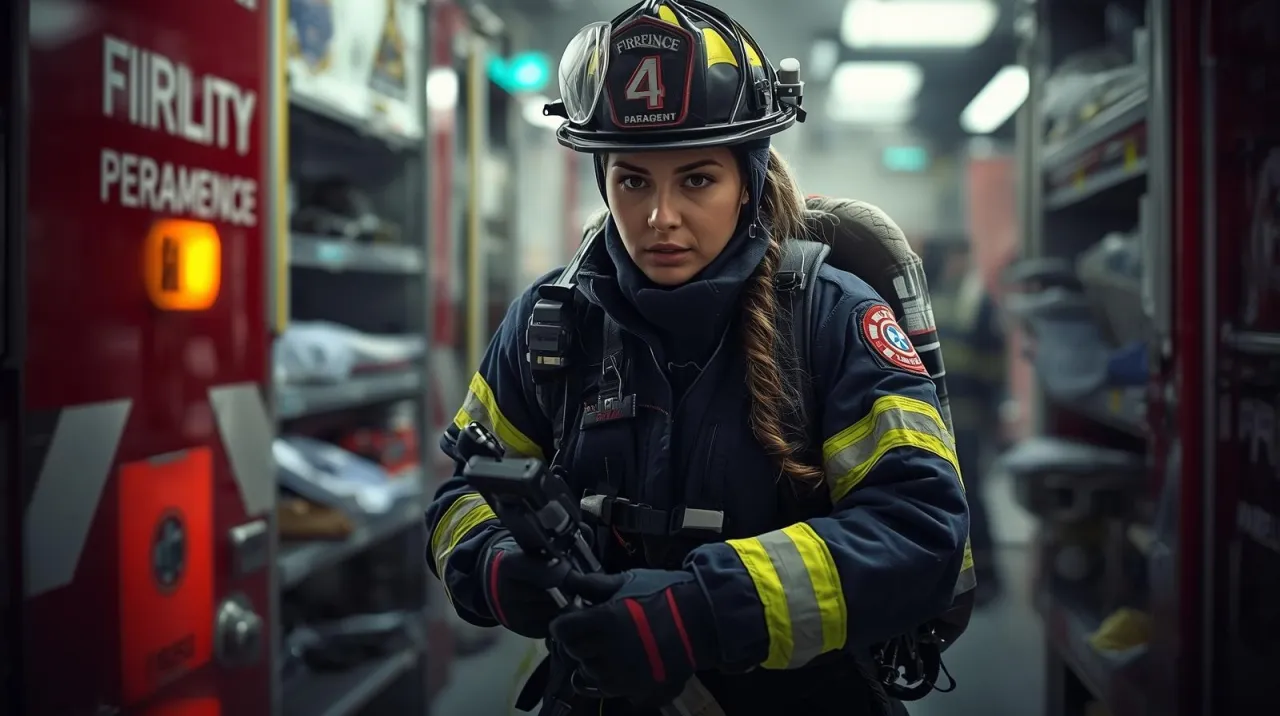
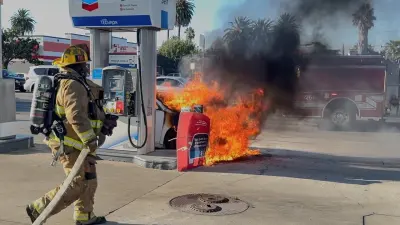
When most people picture a firefighter, they see someone fighting flames. The reality of American fire service operations tells a very different story. Across the United States, EMS calls account for 65–80% of all fire department responses, depending on the department. In many urban agencies, a crew might respond to 10 or 12 medical emergencies before they see a working structure fire in a given week. Some companies go months between significant fire calls — and multiple cardiac arrests every shift.
This transformation did not happen accidentally. Fire departments are geographically distributed across communities in staffed, 24/7 stations that provide response times faster than most hospital-based ambulance systems. When communities recognized they could leverage that infrastructure for medical emergencies — which kill far more Americans annually than fires — the dual mission model emerged, and it has become the operational foundation of modern American fire service.
Why Fire Departments Handle Medical Calls
The integration of EMS into the fire service was not a design decision made at a single point in time — it emerged from practical necessity. Several structural advantages make fire departments well-suited to prehospital medical care:
| Advantage | Why It Matters for Medical Response |
|---|---|
| Geographic distribution | Firehouses are positioned to minimize response times across a jurisdiction — the same positioning that serves fire response also minimizes EMS response time. Every minute without CPR in a cardiac arrest reduces survival probability by approximately 10% |
| Continuous staffing | Fire companies work 24-hour or 48-hour shifts; crews are always in the station, already dressed, and able to respond in under 60 seconds. Private ambulance systems often rely on posting strategies that may not match demand patterns |
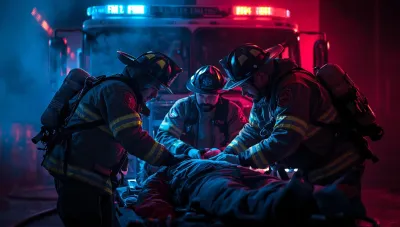
| Manpower for high-acuity calls | Cardiac arrest resuscitation is a physically demanding multi-person operation — CPR, airway management, defibrillation, IV access, and medication administration all simultaneously. A 3–4 person fire engine crew provides the hands needed for effective resuscitation |
| Integrated 911 dispatch | Fire departments are already embedded in the 911 system; adding EMS response requires no new dispatch infrastructure |
| Equipment capability | Modern fire apparatus carries AED/monitor-defibrillators, CPAP, advanced airway equipment, medication bags, and trauma supplies alongside firefighting gear |
Certification Levels: BLS vs. ALS
Not all fire departments operate at the same medical certification level. The scope of care a crew can provide depends on the certification held by its members and the authorization of the department's medical director.
🟢 Basic Life Support (BLS) — EMT Level
- CPR and automated defibrillation (AED)
- Supplemental oxygen and basic airway adjuncts (OPA, NPA, BVM)
- Bleeding control and wound management
- Splinting and spinal motion restriction
- Assisted medication — epinephrine auto-injector, aspirin, oral glucose, nitroglycerin
- Patient assessment and vital signs
- Childbirth assistance
🔴 Advanced Life Support (ALS) — Paramedic Level
- All BLS interventions, plus:
- Advanced airway — endotracheal intubation, supraglottic airways (King LT, i-gel), surgical airway
- IV and intraosseous (IO) access and fluid resuscitation
- 12-lead ECG acquisition and STEMI interpretation
- Electrical therapy — defibrillation, synchronized cardioversion, transcutaneous pacing
- Broad medication formulary: epinephrine, amiodarone, adenosine, naloxone, fentanyl, ketamine, benzodiazepines, antihypertensives, and more
- Needle decompression for tension pneumothorax
- Rapid sequence intubation (RSI) where authorized
From 911 to Scene: How a Medical Call Unfolds
Every EMS response begins before any crew leaves the station. The dispatch chain — from the moment a caller dials 911 to the moment a paramedic is kneeling next to a patient — is a carefully structured information system that determines which resources respond, how fast, and what they know before arrival.
- Caller contacts 911Dispatcher uses Medical Priority Dispatch System (MPDS) structured questioning: chief complaint, age, level of consciousness, breathing status. High-priority complaints (unconscious, not breathing, chest pain) trigger immediate dispatch while the call is still in progress.
- Dispatch assigns responseHigh-acuity calls (cardiac arrest, difficulty breathing, unconscious) typically receive both a fire engine (first responder ALS or BLS) and an ALS ambulance. Lower-acuity calls may receive a single unit. Dispatch continues coaching the caller — CPR instructions, bleeding control, etc.
- Crew en route — pre-arrival informationCrew reviews dispatch information, prepares likely equipment, and discusses probable scene conditions. CAD (Computer-Aided Dispatch) systems may display prior call history at the address, flagged hazards (violence, hazmat, known drug activity), and building layout for multi-unit structures.
- Scene arrival — size-up and safetyScene safety is assessed before any patient contact: traffic hazards, violence risk, structural hazards, hazmat indicators, bystander behavior. Crew announces arrival and initial conditions to dispatch. First responder begins patient assessment while additional resources are still en route.
- Patient assessment — ABCDE primary surveyAirway, Breathing, Circulation, Disability (neurological), Exposure (remove clothing to assess). Life threats identified in primary survey are addressed immediately — CPR initiated, hemorrhage controlled, airway established.
- Treatment, packaging, and transport decisionInterventions performed on scene or en route depending on time sensitivity. Load-and-go (scoop and run) for unstable trauma and stroke; stay-and-play (on-scene treatment) for some cardiac arrest presentations. Transport destination selected based on patient condition and facility capability.
- Hospital notification and handoffParamedic radios receiving facility with patient report — age, chief complaint, interventions, vitals, ETA. Handoff at ED includes verbal report, written PCR (Prehospital Care Report), and transfer of care to hospital staff.
Common EMS Call Types: What Happens on Scene
Cardiac Arrest ALS
- High-performance CPR — 2-min rotations, ≥80% CPR fraction
- Defibrillation (VF/pVT) within 2 min of arrival
- Advanced airway — intubation or supraglottic device
- IV/IO access and vasopressor administration
- Epinephrine every 3–5 min; amiodarone for refractory VF
- Identify and treat reversible causes (H's and T's)
- Consider field termination vs. transport per protocol
Respiratory Distress ALS
- Oxygen therapy; SpO₂ monitoring
- Nebulized albuterol/ipratropium for bronchospasm
- CPAP for acute pulmonary edema or COPD exacerbation
- Epinephrine IM for anaphylaxis
- Nitroglycerin for cardiogenic pulmonary edema
- Advanced airway if respiratory failure — intubation or BVM
- Rapid transport to ED for severe cases
Stroke ALS
- Cincinnati Stroke Scale or FAST-ED assessment
- Last known well time — critical for tPA eligibility
- Blood glucose check — hypoglycemia mimics stroke
- 12-lead ECG (afib is major stroke cause)
- IV access; avoid excessive fluid administration
- Transport to appropriate stroke center — bypass nearest ED if needed
- Pre-notification to activate stroke team
Trauma / MVC ALS+BLS
- Scene safety — traffic, instability, hazmat
- Vehicle stabilization before patient access
- Hemorrhage control — direct pressure, tourniquets, wound packing
- Spinal motion restriction (selective, per protocol)
- Advanced airway for unconscious or apneic patients
- Tension pneumothorax decompression if indicated
- Rapid transport to Level I/II trauma center
Overdose ALS
- Scene safety — fentanyl and carfentanil exposure risk to crew
- Naloxone (Narcan) — IM, IN, or IV; repeat dosing for potent synthetic opioids
- BVM ventilation for respiratory depression before naloxone takes effect
- Cardiac monitoring — some overdoses cause dysrhythmias
- IV access for fluid and medication administration
- Watch for re-narcotization after naloxone wears off
- Connect to harm reduction resources where available
Diabetic Emergency ALS+BLS
- Blood glucose assessment — glucometer reading
- Hypoglycemia (<60 mg/dL with symptoms): oral glucose if conscious
- IV dextrose (D50 or D10) for altered or unconscious patients
- Glucagon IM if no IV access
- Reassess glucose after treatment; observe for re-hypoglycemia
- Evaluate for underlying cause (missed meal, medication error, infection)
- Consider refusal of transport for mild cases with documented recovery
Cardiac Arrest: The Highest-Acuity EMS Call
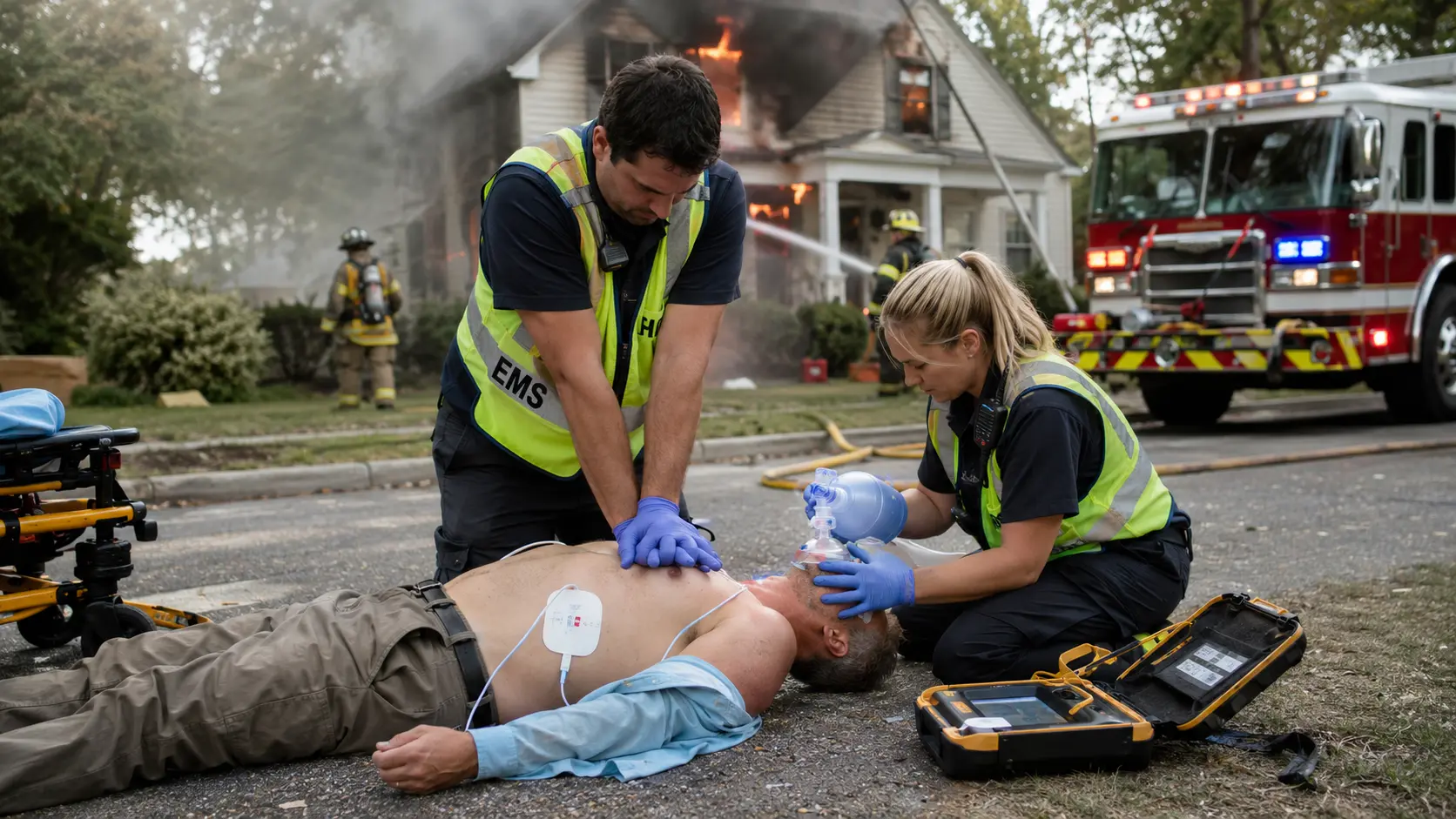
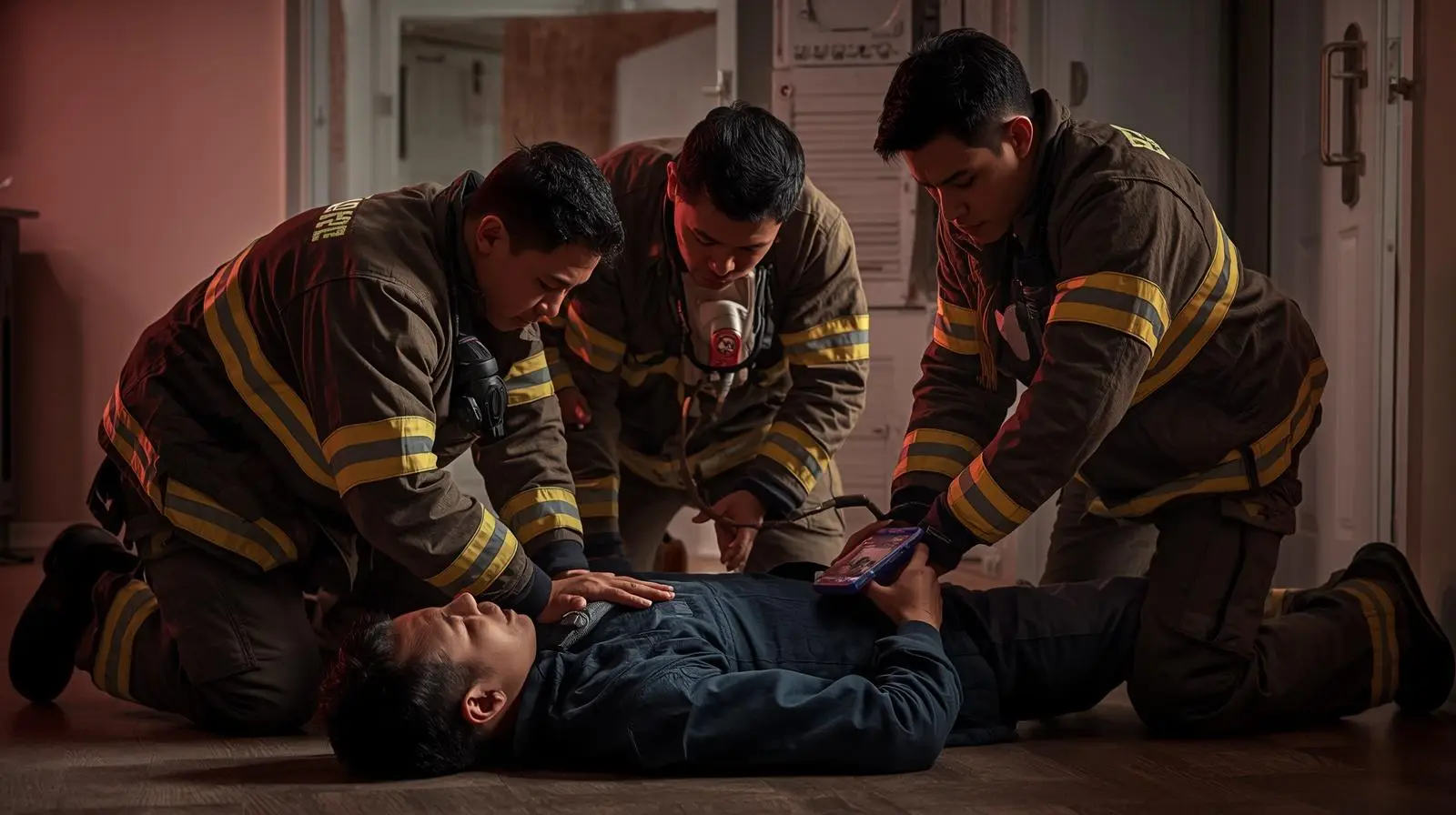
Cardiac arrest is the defining test of a fire department's EMS capability. It is time-critical — survival probability falls approximately 10% for every minute without CPR and defibrillation — and it requires multiple simultaneous interventions that demand a coordinated crew operating at peak performance. The fire department model is specifically suited to this emergency because it delivers multiple trained providers to the scene faster than most ambulance-only systems.
Modern cardiac arrest management in U.S. fire departments follows evidence-based High-Performance CPR (HP-CPR) protocols developed through research from institutions including the University of Arizona's SAVE Hearts program and the Resuscitation Outcomes Consortium:
| HP-CPR Component | Standard | Why It Matters |
|---|---|---|
| Compression depth | At least 2 inches (5 cm); not more than 2.4 inches | Inadequate depth fails to generate sufficient cardiac output; excessive depth causes injury |
| Compression rate | 100–120 per minute | Too slow = inadequate perfusion; too fast = incomplete recoil, reduces venous return |
| Full chest recoil | Allow complete recoil between compressions — do not lean | Leaning prevents cardiac filling during the recoil phase, reducing output |
| CPR fraction | ≥80% of total resuscitation time with compressions occurring | Each 10% increase in CPR fraction is associated with improved ROSC and survival |
| Compressor rotation | Every 2 minutes — timed with rhythm checks | Compression quality degrades significantly after 90 seconds due to fatigue |
| Time to first shock (VF/pVT) | <2 minutes from crew arrival | Defibrillation is the only definitive treatment for shockable rhythms; every 30-second delay reduces survival |
Team Roles on an EMS Scene
Team Leader / Primary Paramedic
Directs the resuscitation or patient assessment; makes clinical decisions; communicates with hospital; maintains overall scene awareness; calls interventions and transport decisions
Airway / Medication Role
Manages airway interventions — BVM, intubation, CPAP; draws and administers medications; operates the cardiac monitor; documents interventions and timing
CPR / Circulation Role
Primary compressions; rotates with backup compressor every 2 minutes; establishes IV or IO access; operates mechanical CPR device if available; controls hemorrhage
Scribe / Timer
Documents all interventions with exact timestamps; calls out 2-minute CPR rotation cues; tracks epinephrine dosing intervals; records rhythm strip findings
Scene Control
Manages bystanders and family members; ensures clear access path for additional resources; assists with lifting and moving patient; manages scene safety throughout
Incoming Ambulance Crew
Receives patient report from team leader; takes over primary care role for transport; prepares stretcher and loading; continues interventions en route to hospital
Transport Destination: Matching Patient to Facility
One of the most consequential decisions a paramedic makes is where to take the patient. Transporting a STEMI patient to the nearest hospital rather than a PCI-capable cardiac center costs critical time and may cost the patient heart muscle or their life. Transport destination protocols — developed in coordination with the local medical director and regional hospital system — specify which patients must be transported to which facility types.
| Patient Condition | Required Destination | Time Sensitivity |
|---|---|---|
| STEMI (ST-elevation myocardial infarction) | PCI-capable cardiac center (cath lab activation en route) | Door-to-balloon time target: <90 min; field-to-balloon <120 min |
| Stroke with large vessel occlusion (LVO) | Comprehensive Stroke Center (thrombectomy-capable) | "Time is brain" — 1.9 million neurons die per minute without treatment |
| Major trauma (penetrating, multi-system, TBI) | Level I or II Trauma Center | "Golden hour" — outcomes significantly better with early surgical intervention |
| Severe burns (>20% TBSA or special area burns) | Verified Burn Center | Burn center transport improves survival and long-term functional outcomes |
| Pediatric critical care | Pediatric Level I Trauma Center or children's hospital | Pediatric-specific capability reduces mortality in critical pediatric presentations |
| ROSC post-cardiac arrest | PCI-capable cardiac center with targeted temperature management (TTM) capability | Post-arrest coronary intervention and TTM improve neurological outcomes |
The Opioid Crisis: Overdose Response on the Front Line
The opioid epidemic has fundamentally changed daily EMS operations in fire departments across the United States. Fentanyl — and increasingly carfentanil and nitazenes — has transformed overdose response from a relatively straightforward naloxone-and-transport call into a complex, potentially dangerous operation that requires:
- Scene safety protocols for crew exposure — synthetic opioids like carfentanil are potent enough that skin or mucous membrane contact during resuscitation has been linked to crew incapacitation; nitrile gloves and N95 masks are minimum PPE for suspected fentanyl scenes
- High-dose naloxone protocols — traditional 0.4 mg naloxone doses are often insufficient for synthetic opioid overdose; many departments now initiate with 2–4 mg IN or IM and repeat rapidly
- Extended monitoring after reversal — naloxone's duration of action (30–90 min) is shorter than many synthetic opioids; re-narcotization after apparent recovery is a real risk and drives transport recommendations even for patients who appear fully responsive
- Behavioral health integration — many departments now have peer support specialists or community health workers who respond to overdose scenes to offer treatment linkage resources while EMS is on scene
Challenges Firefighter–Paramedics Face Daily
| Challenge | Impact | How Departments Are Responding |
|---|---|---|
| Call volume and fatigue | Urban companies may run 15–20+ calls in a 24-hour shift; cumulative fatigue impairs clinical decision making and increases error risk | Crew rest policies; NFPA 1500 rehab requirements; limiting non-essential tasks during high-volume periods |
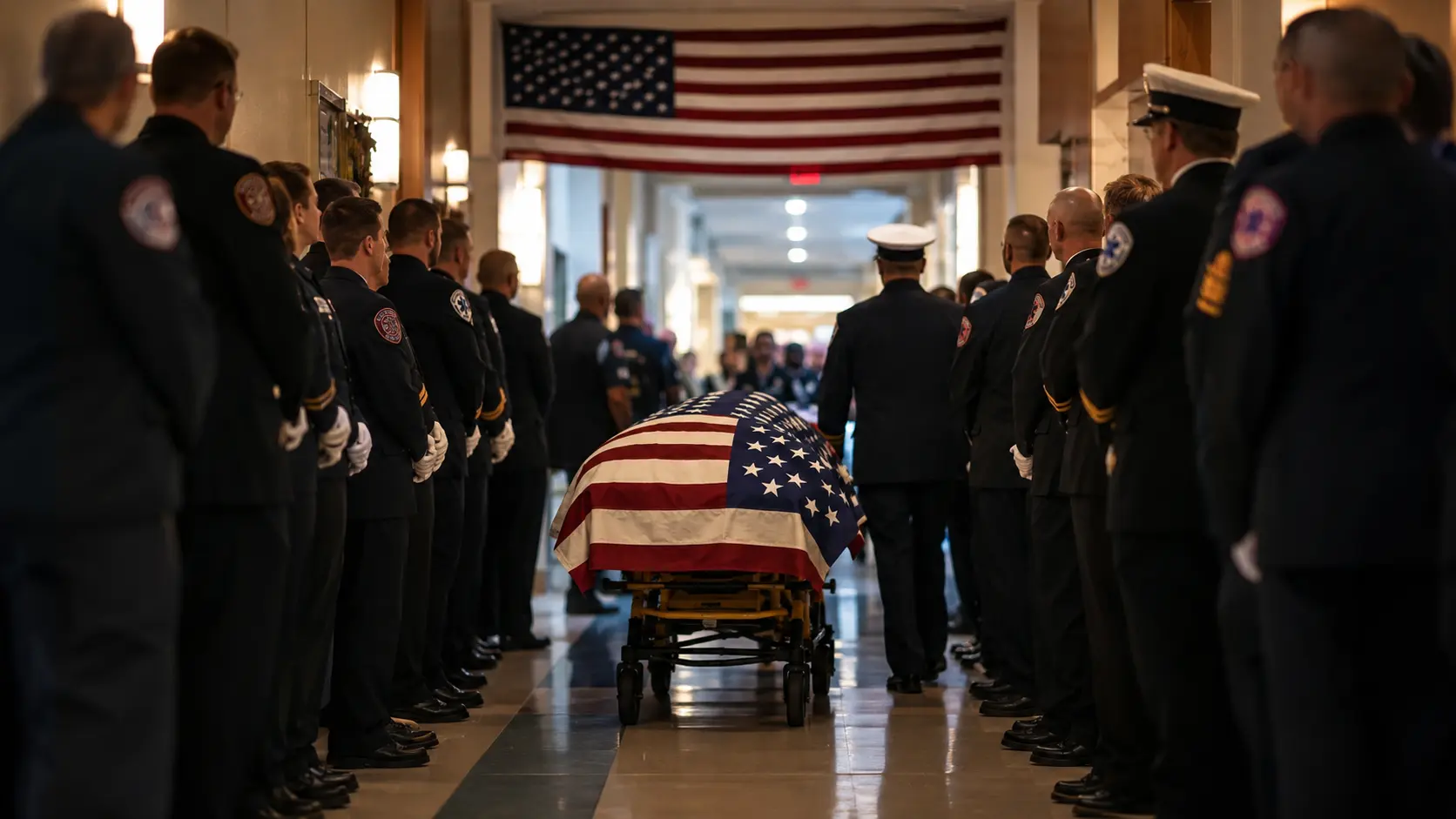
| Psychological impact | Repeated exposure to traumatic calls — pediatric deaths, mass casualty events, violent trauma — contributes to PTSD, depression, and burnout rates that exceed the general population | Peer support programs; CISM (Critical Incident Stress Management) teams; expanded mental health benefits; reduced stigma campaigns |
| Frequent flyer and low-acuity call management | A significant percentage of 911 calls are non-emergency or social need situations (homelessness, intoxication, psychiatric) that deplete ALS resources from genuine emergencies | Community paramedicine programs; mobile integrated health; co-response teams with behavioral health clinicians |
| Hostile scenes | EMS violence has increased significantly; stabbings, shootings, and assault on EMS personnel are underreported but occur thousands of times annually | Tactical EMS training; law enforcement co-response protocols; body armor availability; improved scene safety training |
| Recruitment and retention | Competitive EMS labor market; burnout and compensation concerns drive paramedic shortages in many departments | Increased compensation for dual-certification; career development pathways; improved wellness programs |
The Future: Community Paramedicine and Expanding the Role
The next evolution of fire service EMS is expanding beyond emergency response into proactive community health. Community paramedicine (CP) and mobile integrated health (MIH) programs deploy paramedics in non-emergency roles to deliver healthcare where traditional systems struggle to reach:
- Post-discharge follow-up: Paramedics visit recently discharged hospital patients to assess medication adherence, identify complications, and connect with primary care — reducing 30-day readmission rates
- Frequent 911 utilizer programs: Patients who call 911 repeatedly for non-emergency needs receive home visits from CP paramedics who address underlying social, behavioral, and medical drivers — reducing 911 utilization significantly in enrolled populations
- Chronic disease management: CP paramedics monitor CHF, COPD, and diabetes patients between physician visits; early intervention catches exacerbations before they become emergencies
- Behavioral health co-response: Mental health clinicians embedded with or dispatched alongside EMS for psychiatric calls — reducing psychiatric emergency department visits and improving patient outcomes
- Telemedicine integration: Paramedics equipped with mobile telemedicine platforms that connect to emergency physicians in real time, enabling on-scene physician guidance for complex cases and supporting treat-and-release protocols for low-acuity calls
For firefighters operating in the intersection of EMS and fire operations — including hazardous material exposure management and post-incident medical monitoring — the AllFirefighter Hazmat Hub provides DOT classification reference and first-action protocols relevant to EMS responses at industrial and chemical incidents. For operational tools including SCBA air time calculators relevant to respiratory protection in EMS environments, see the AllFirefighter Tools section.
Comments 0
No comments yet. Be the first to share your thoughts!
Leave a Comment