
Firefighters Enhance Skills with EMT Certification Training
In an effort to improve emergency response capabilities, many firefighters are pursuing Emergency Medical Technician (EMT) certification. This training not only enhances their skills but also prepares them to handle medical emergencies more effectively during fire incidents and other emergencies.
The Importance of EMT Certification for Firefighters
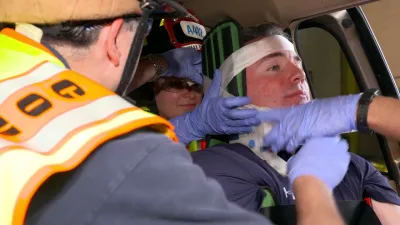
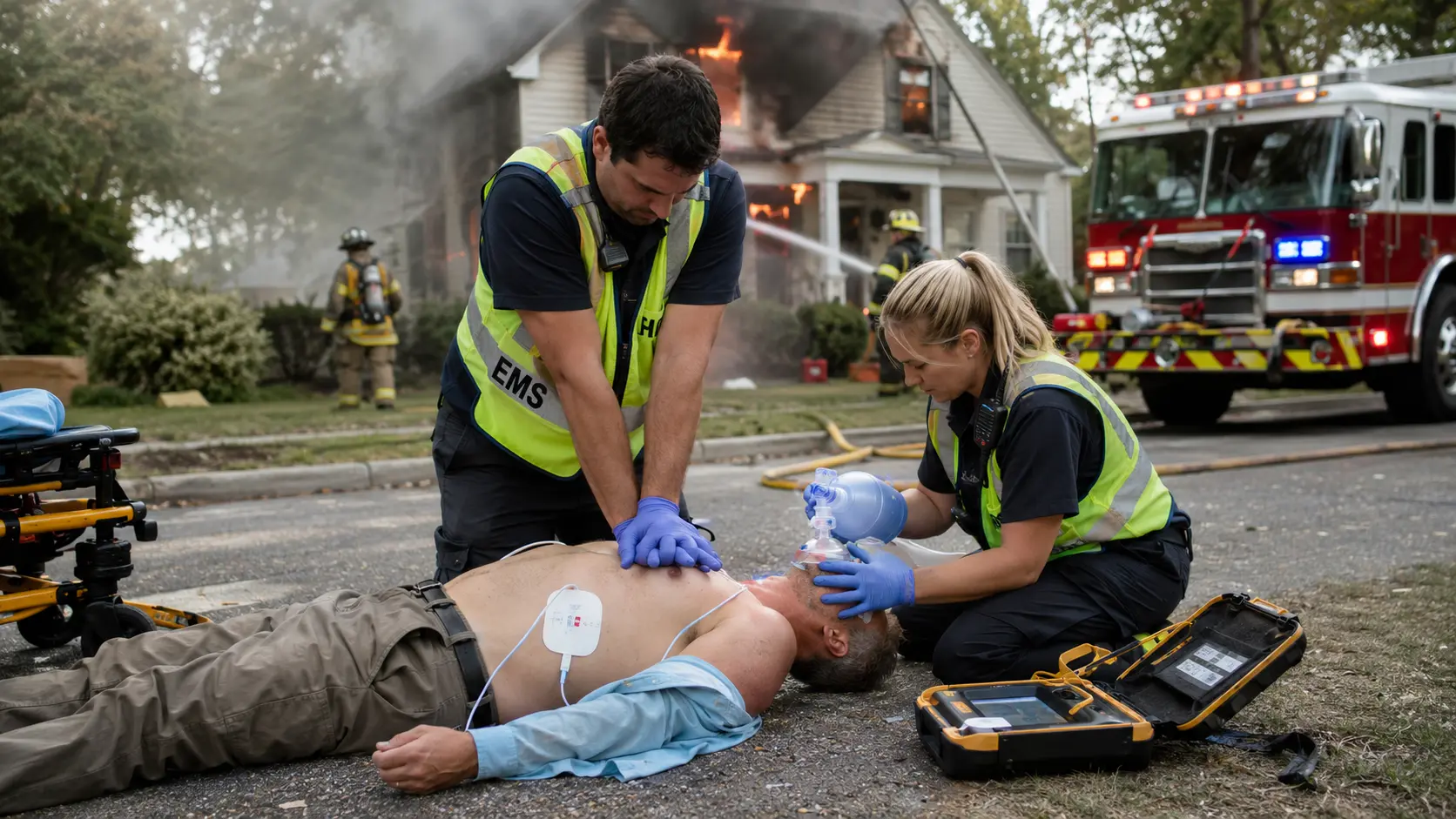
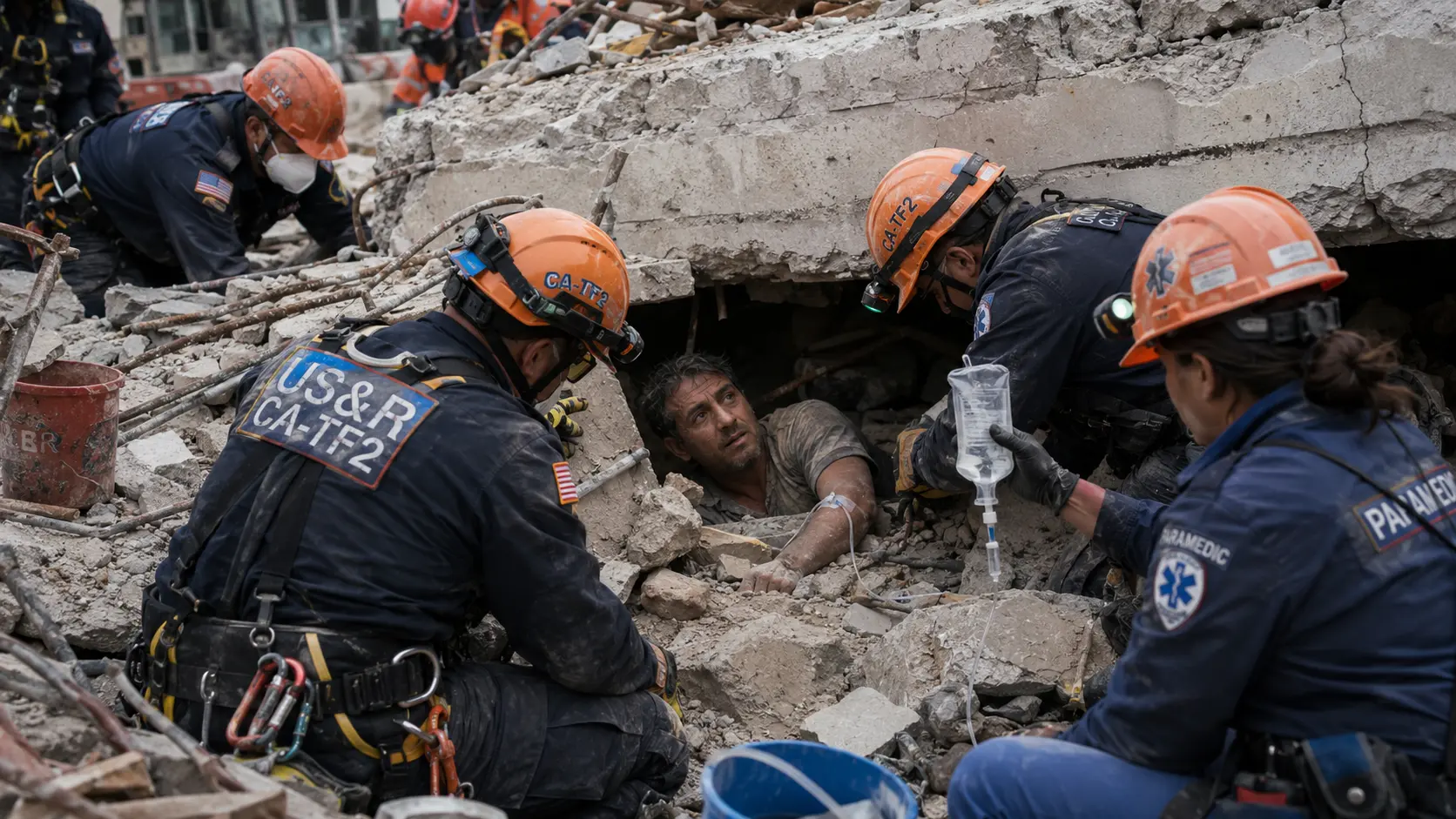
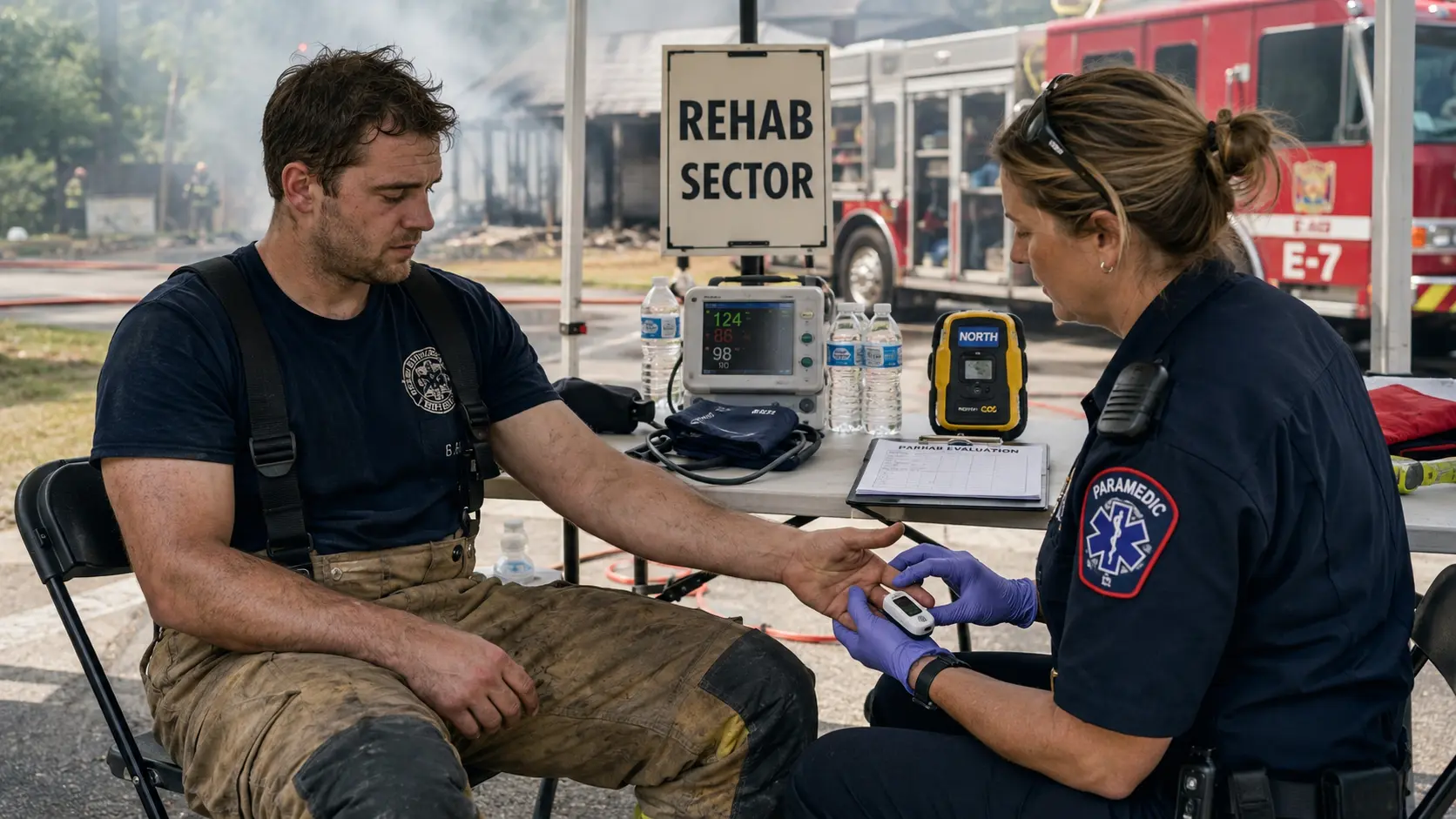
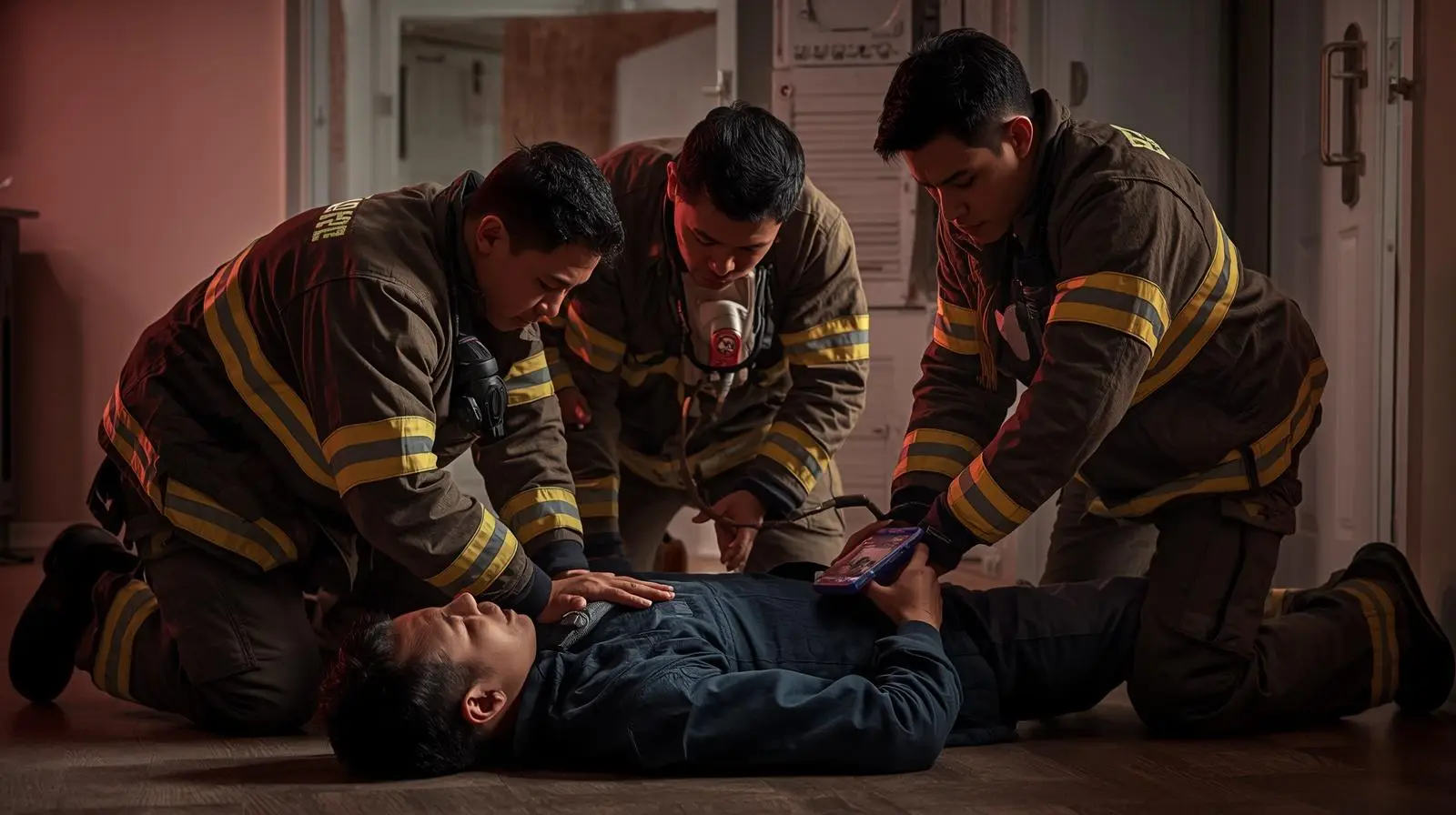
Firefighters are often the first responders to emergencies, and their role extends beyond combating fires. By obtaining EMT certification, they are equipped with essential medical knowledge and skills to provide immediate care to individuals suffering from various medical conditions. This training includes assessing patients, performing CPR, managing trauma situations, and administering basic life support.
Training Programs and Curriculum
The EMT certification process typically involves a combination of classroom instruction and hands-on practical training. Firefighters engage in rigorous coursework covering anatomy, physiology, and emergency medical procedures. This is complemented by field training, where they practice real-life scenarios under the supervision of experienced instructors. Many fire departments collaborate with local community colleges or accredited training organizations to offer comprehensive EMT programs tailored to the needs of firefighters.
Benefits of Dual Training
By becoming certified as EMTs, firefighters not only enhance their professional qualifications but also increase their value within the fire service. The integration of firefighting and emergency medical skills leads to a more efficient response during emergencies, ultimately improving patient outcomes. Moreover, this dual training fosters teamwork among first responders, as they can effectively communicate and collaborate during complex rescue operations.
Additionally, the demand for firefighters with EMT certification has been on the rise. Many fire departments are prioritizing candidates who possess this credential, recognizing the critical role that medical training plays in modern firefighting. As a result, firefighters are encouraged to pursue this certification to remain competitive in the field.
Conclusion
In conclusion, the pursuit of EMT certification among firefighters is a vital step towards enhancing emergency response capabilities. As they equip themselves with essential medical skills, firefighters become more adept at handling diverse situations, ultimately serving their communities more effectively. The combination of firefighting expertise and emergency medical training is essential in today’s complex emergency landscape, underscoring the importance of ongoing education and professional development within the fire service.

Comments 0
No comments yet. Be the first to share your thoughts on this video!
Leave a Comment