
Selecting the Appropriate Fire Extinguisher for Fireground Use
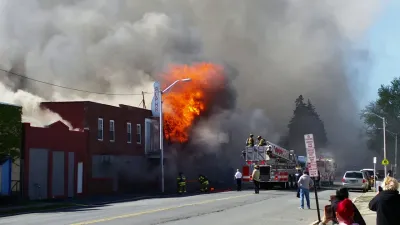
Firefighters and fire officers often encounter situations where a portable fire extinguisher is the first line of defense before deploying hose lines or calling for additional resources. Understanding which type of fire extinguisher to deploy is critical to ensure effective fire suppression and crew safety. This article breaks down the operational considerations involved in choosing the best extinguisher for a given fire scenario.
Types of Fire Extinguishers and Their Operational Use
Fire extinguishers are classified by the type of fire they are designed to combat: Class A for ordinary combustibles, Class B for flammable liquids, Class C for energized electrical equipment, and multipurpose extinguishers that cover several classes. On the fireground, selecting the correct extinguisher depends on the fuel involved and the environment. For example, a Class B extinguisher using dry chemical agents is effective against flammable liquid fires, while a water extinguisher is suitable only for Class A fires and can be dangerous on electrical or flammable liquid fires. Using the wrong extinguisher can exacerbate the fire or endanger the crew.
Operational Considerations and Lessons Learned
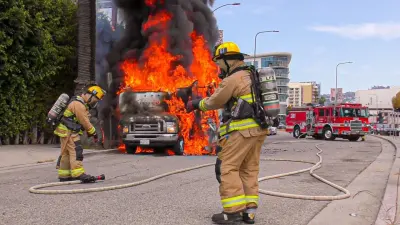
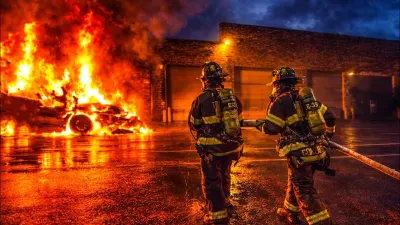
When a crew arrives on scene and identifies a small incipient fire, deploying the appropriate extinguisher can prevent fire spread and reduce property damage. It is essential that firefighters don proper PPE and SCBA if smoke or toxic products are present, even during initial attack. Additionally, crews must assess the fire’s size, fuel source, and potential for rapid growth before committing to extinguisher use. If the fire is beyond incipient stage, hose lines and coordinated ventilation should be prioritized. Understanding extinguisher limitations and maintaining situational awareness are key to safe and effective fireground operations.
About This Video
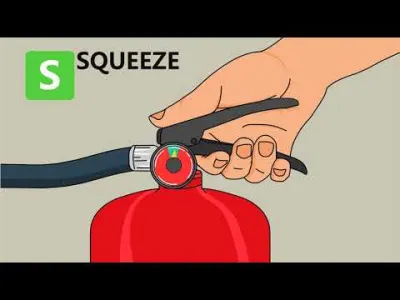
This 21:04 Fire-safety video covers Choosing the Right Fire Extinguisher for Effective Initial Fire Attack. Topics include: fire extinguisher, initial fire attack, fireground operations, fire extinguisher types, fire suppression, crew safety, fire behavior, PPE, firefighter tactics, fireground decision making.
Related Resources
Explore related firefighter Fire-safety guides, free firefighter tools and the hazmat reference hub.
Training Note
All videos on AllFirefighter are curated for training and operational awareness. Always follow your department SOP/SOG and consult current standards before applying any technique on the fireground.


Comments 0
No comments yet. Be the first to share your thoughts on this video!
Leave a Comment