
Understanding Ventilation Failures on the Fireground
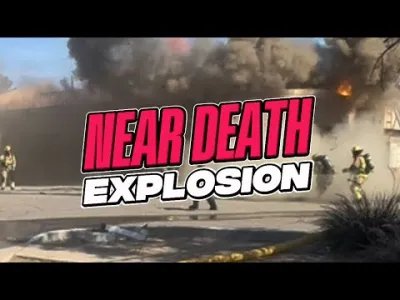
Ventilation is a critical component of fireground strategy, directly influencing fire behavior, crew safety, and the effectiveness of interior attack. When ventilation is executed improperly, the consequences can escalate rapidly, compromising the safety of firefighters and the success of suppression efforts. This article examines a ventilation operation that did not go as planned, highlighting the operational lessons that can be drawn from such scenarios.
What Went Wrong During Ventilation
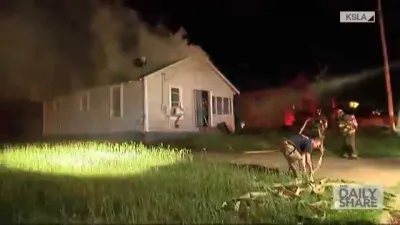
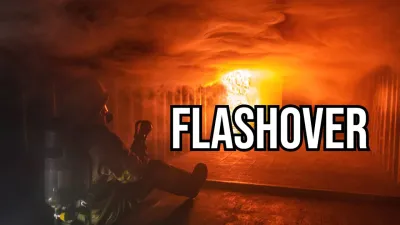
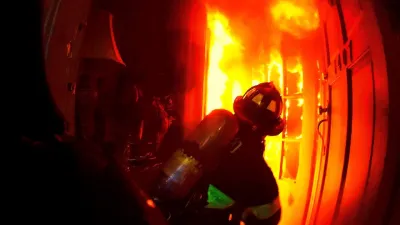
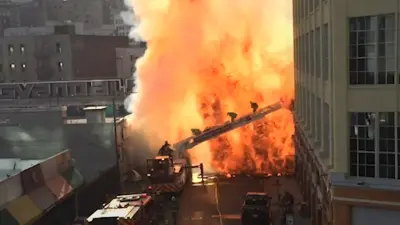
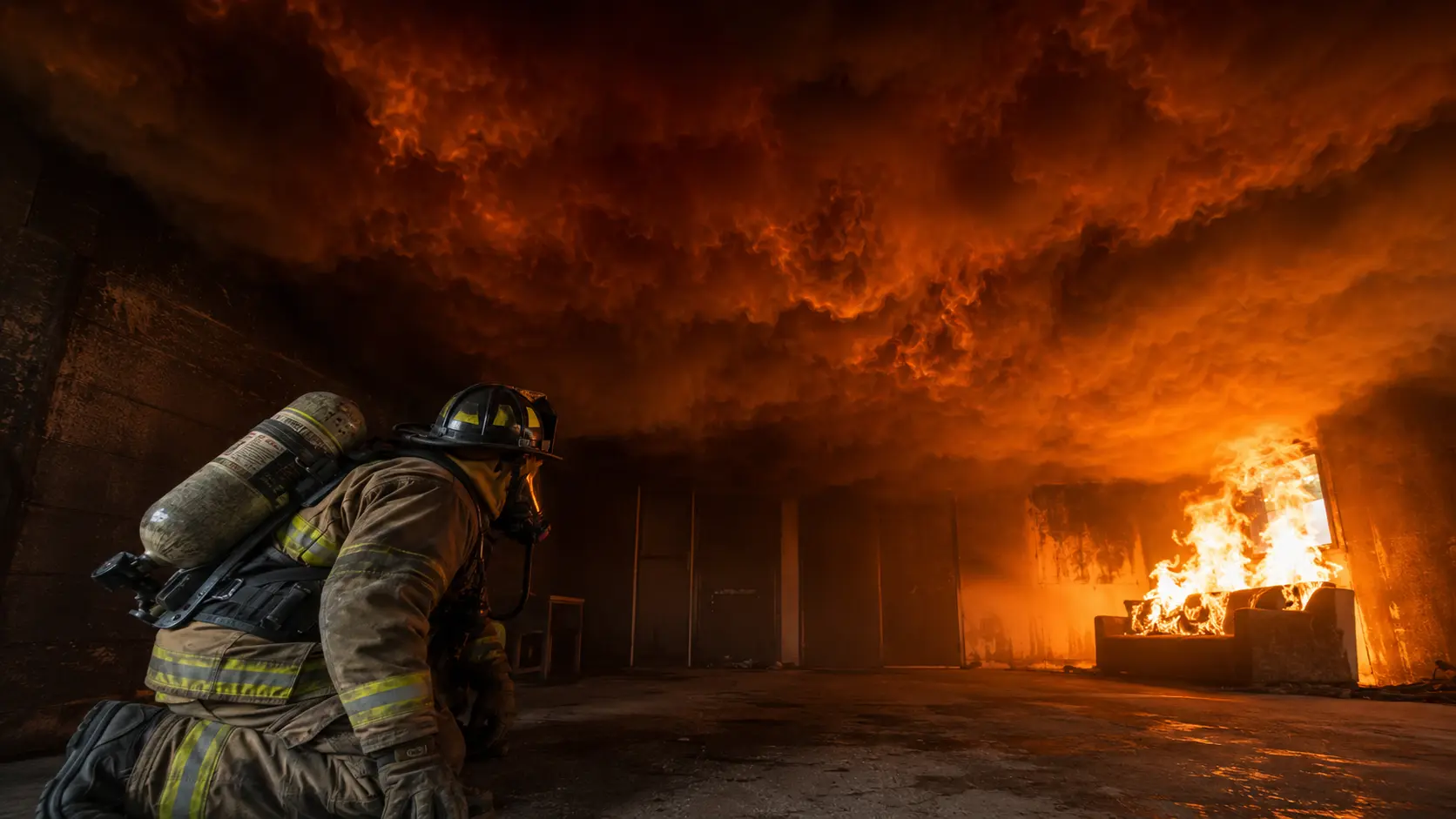
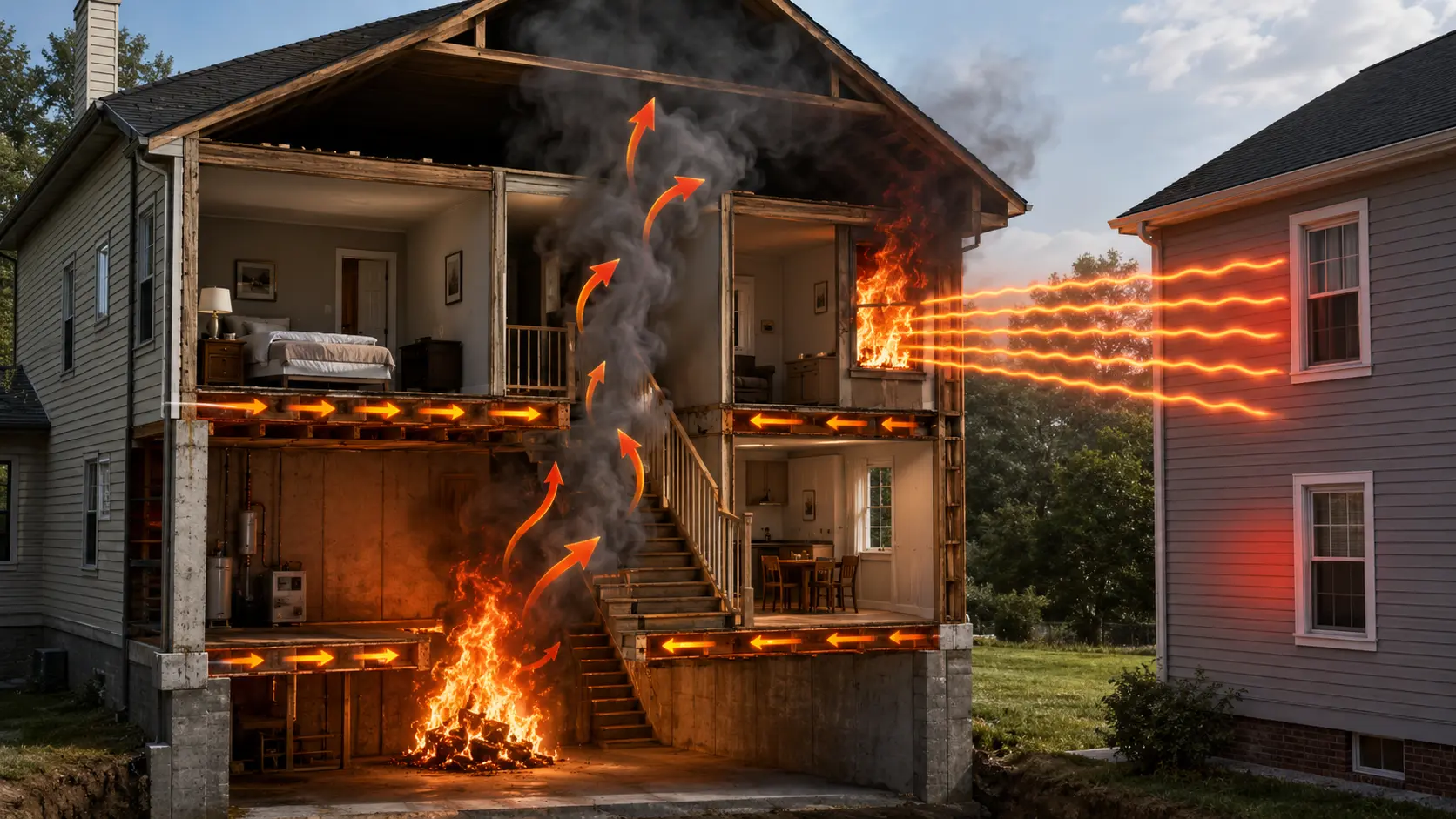
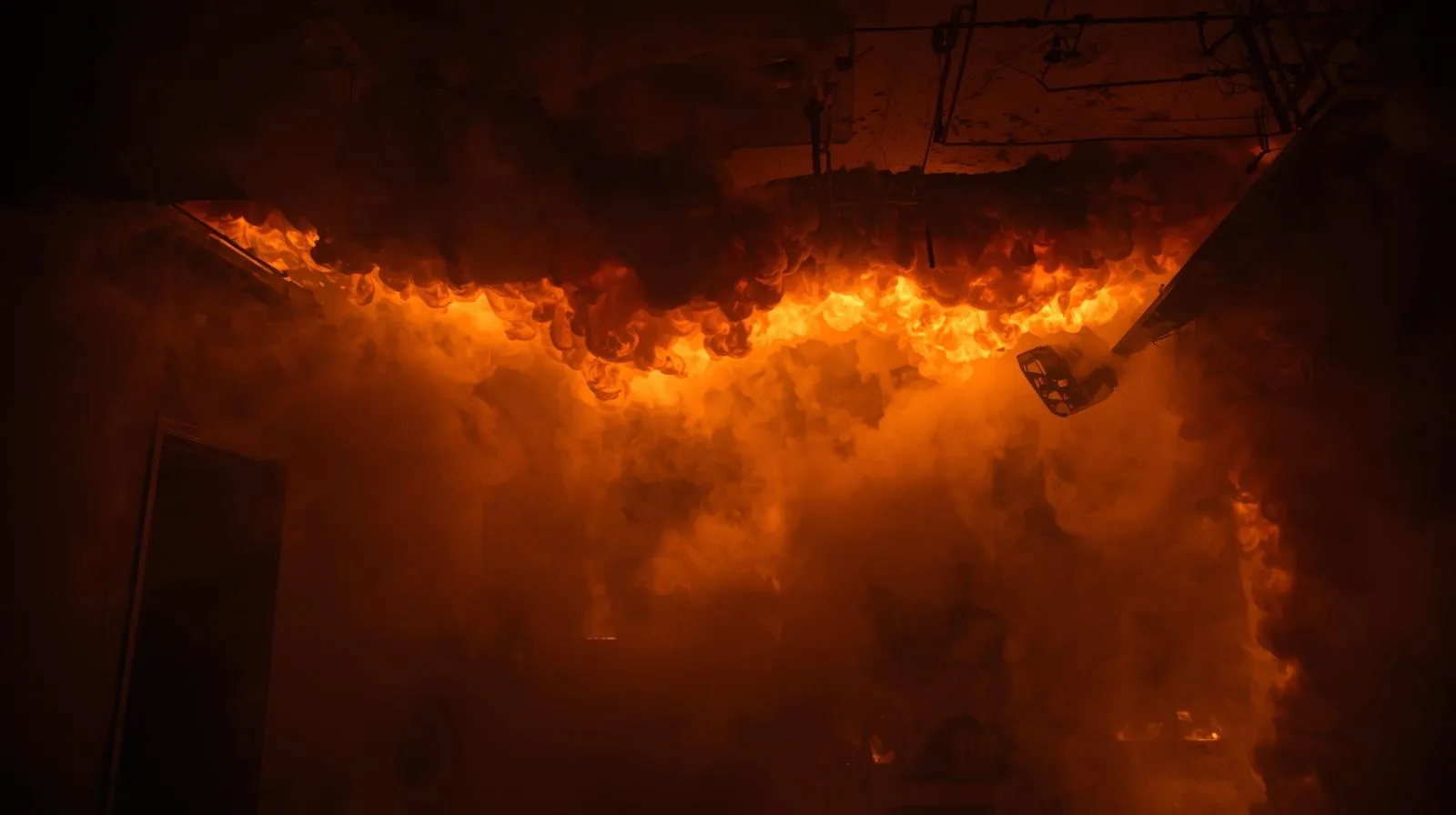
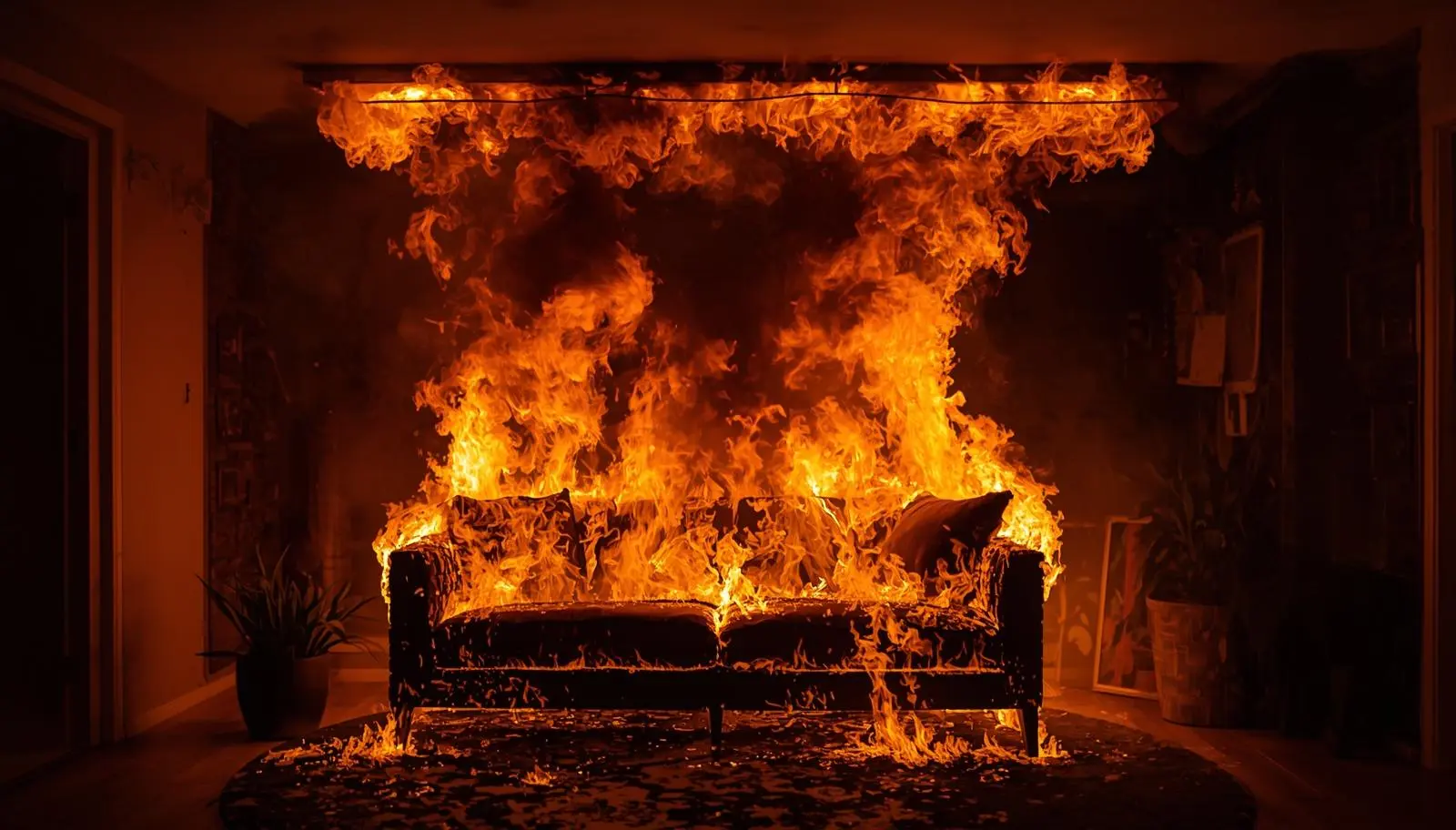
In this incident, the ventilation crew initiated vertical ventilation prematurely or without proper coordination with the interior attack team. This misstep likely altered the flow path, increasing heat and smoke movement toward crews operating inside the structure. The improper timing or location of the ventilation opening can cause rapid fire growth, increased smoke conditions, and reduced visibility, all of which elevate risk for firefighters performing search and rescue or suppression.
Additionally, the lack of clear communication between ventilation and attack crews may have contributed to the ventilation being ineffective or counterproductive. Ensuring that ventilation is coordinated with hose line advancement and fire attack is fundamental to controlling fire behavior and maintaining crew safety.
Operational Takeaways for Firefighters and Officers
This event underscores the necessity of disciplined ventilation tactics and strict adherence to incident command protocols. Ventilation must be planned and executed with full situational awareness, considering the current fire conditions, crew locations, and the intended flow path of smoke and heat. Fire officers should emphasize continuous communication between ventilation crews and interior teams to synchronize efforts.
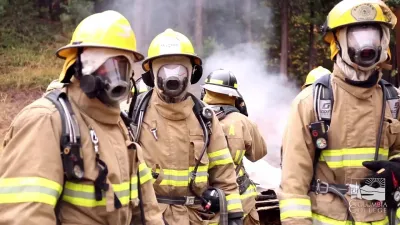
Moreover, crews must remain vigilant for changes in fire behavior following ventilation and be prepared to adjust tactics accordingly. Proper use of PPE and SCBA remains vital, especially when ventilation alters smoke conditions unpredictably. This scenario serves as a reminder that ventilation is a powerful tool but can become a hazard if not applied with precision and coordination.
Comments 0
No comments yet. Be the first to share your thoughts on this video!
Leave a Comment