
Dramatic Smoke Explosion and Backdraft Incident in Tucson Fire Response
A recent fire incident in Tucson has brought to light the critical dangers associated with smoke explosions and backdraft situations that firefighters often face. This close call showcases the importance of advanced training and situational awareness in protecting both firefighters and civilians during emergency responses.
The Incident Overview
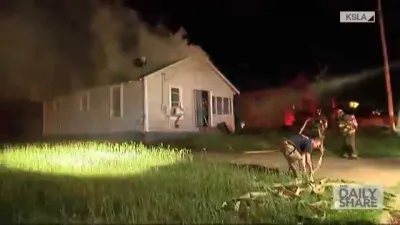
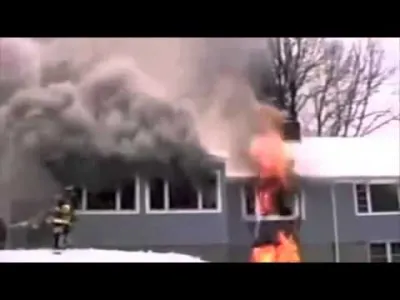
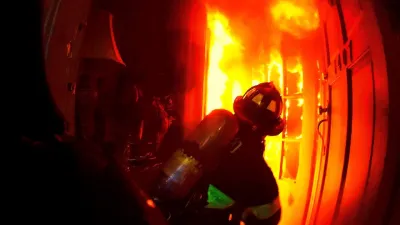
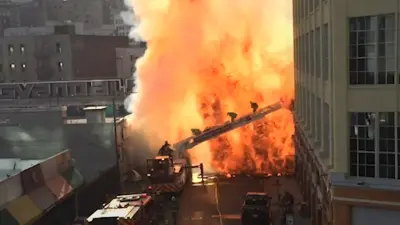
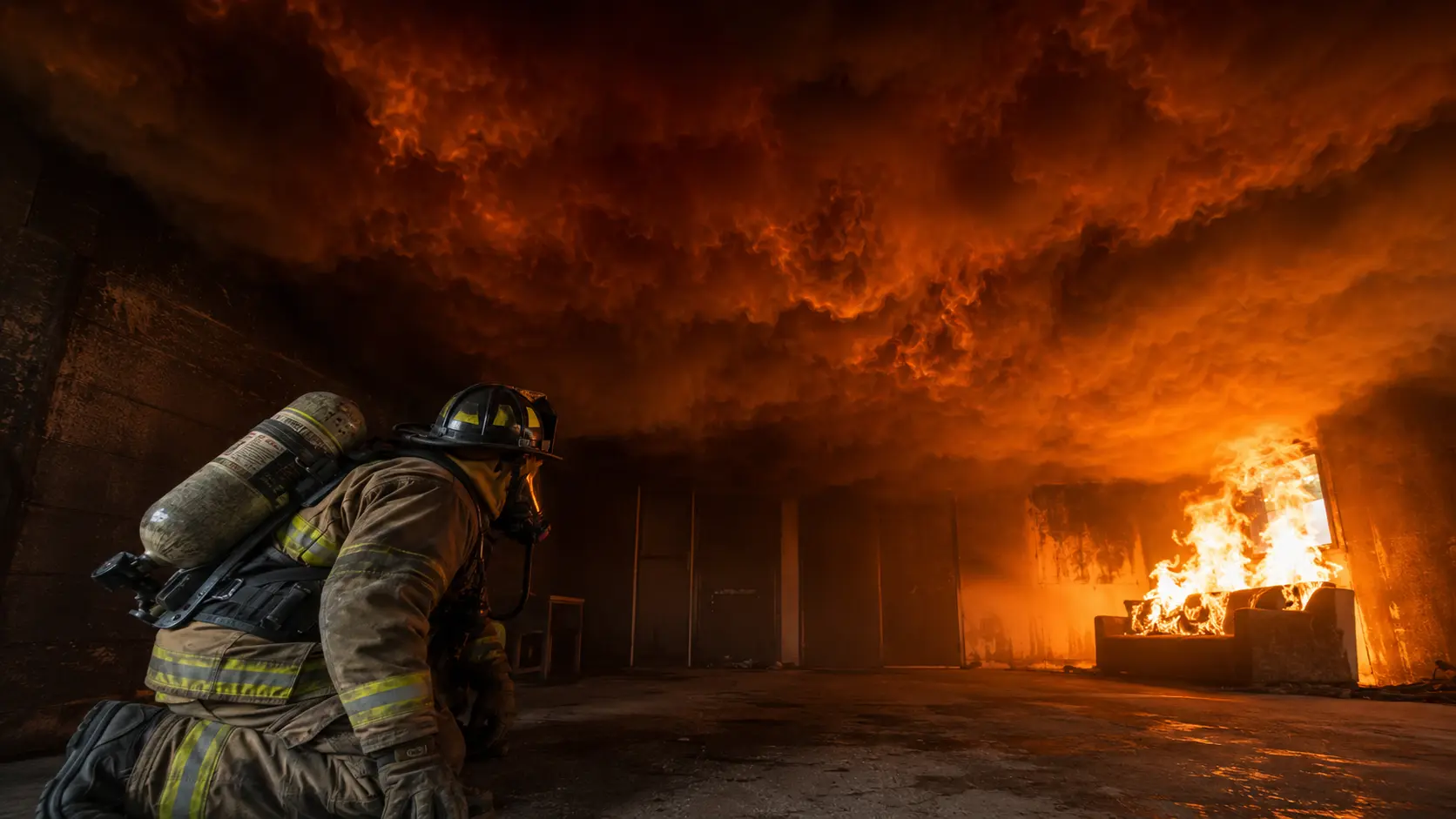
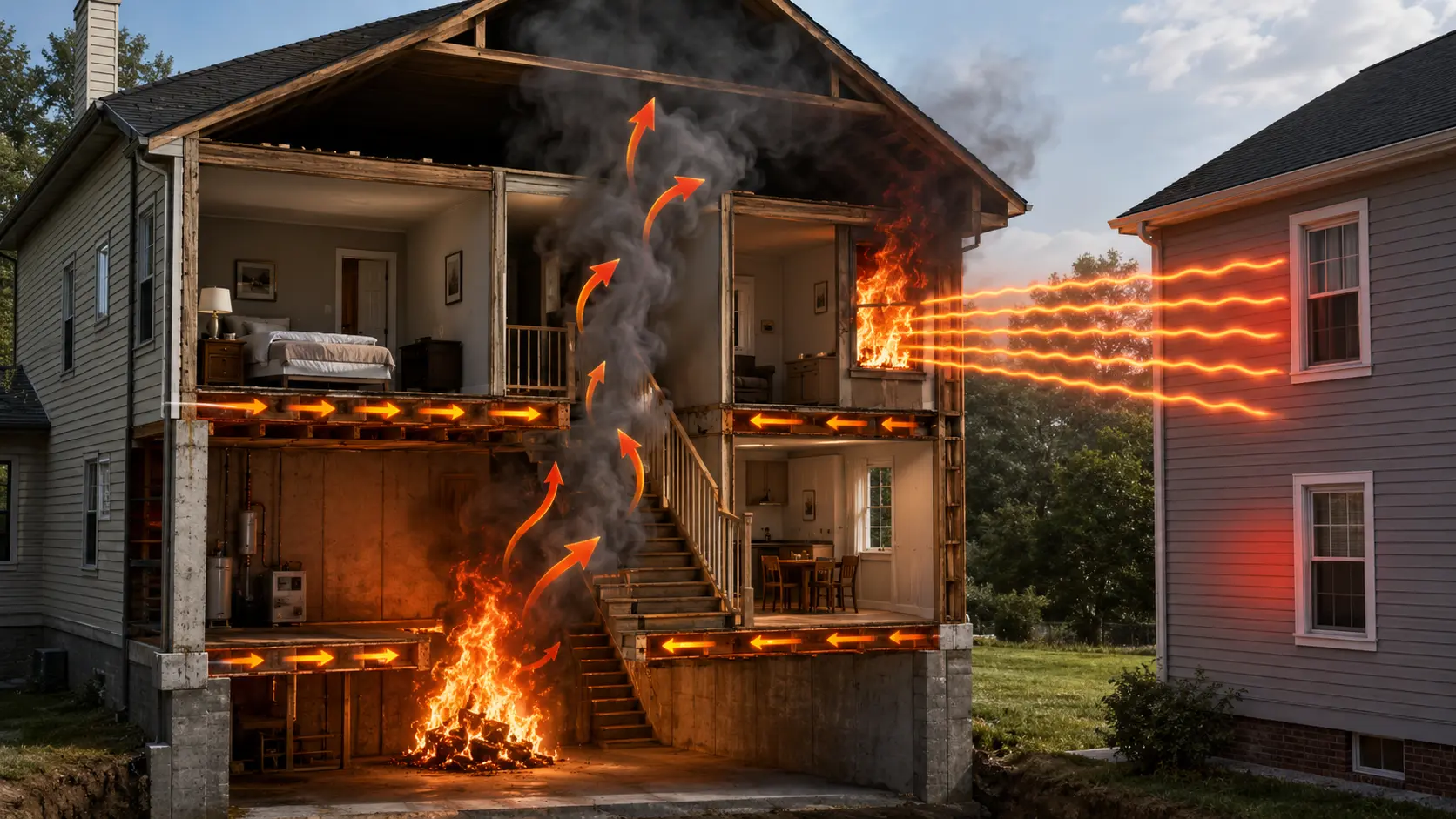
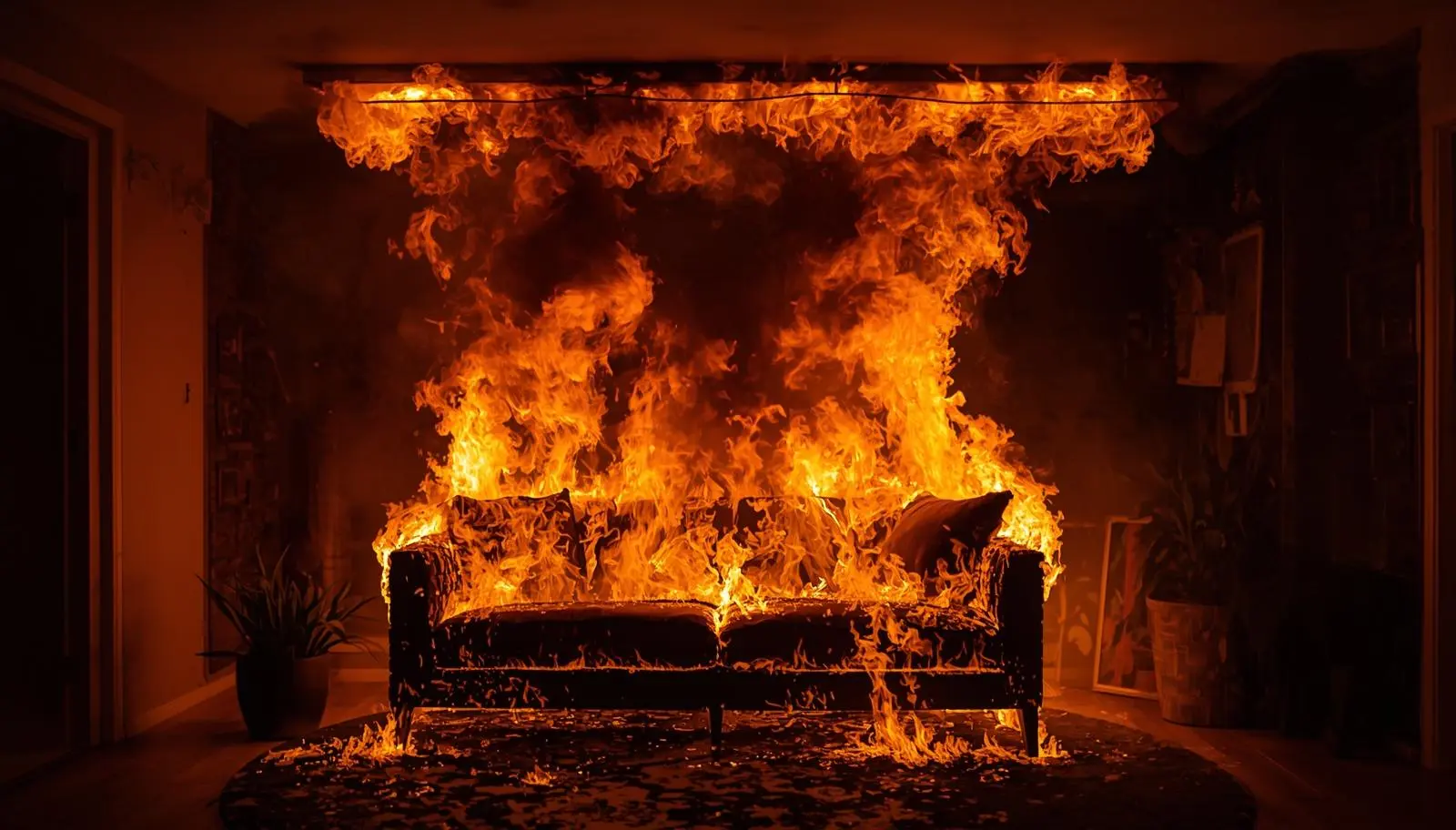
The Tucson fire department responded to a residential structure fire that rapidly escalated due to the presence of combustible materials and poor ventilation. Firefighters entered the building to conduct search and rescue operations, but they were met with an intense and rapidly changing environment. As they attempted to extinguish the flames, a sudden smoke explosion occurred, resulting in a backdraft that threatened the lives of the responding crew. Fortunately, their training and instinctive reactions allowed them to escape unharmed, but the incident serves as a stark reminder of the unpredictable nature of fire behavior.
Understanding Smoke Explosions and Backdrafts
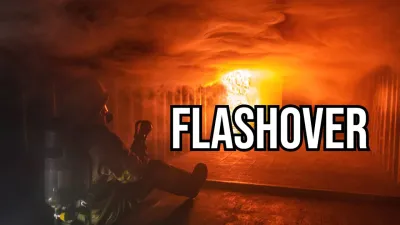
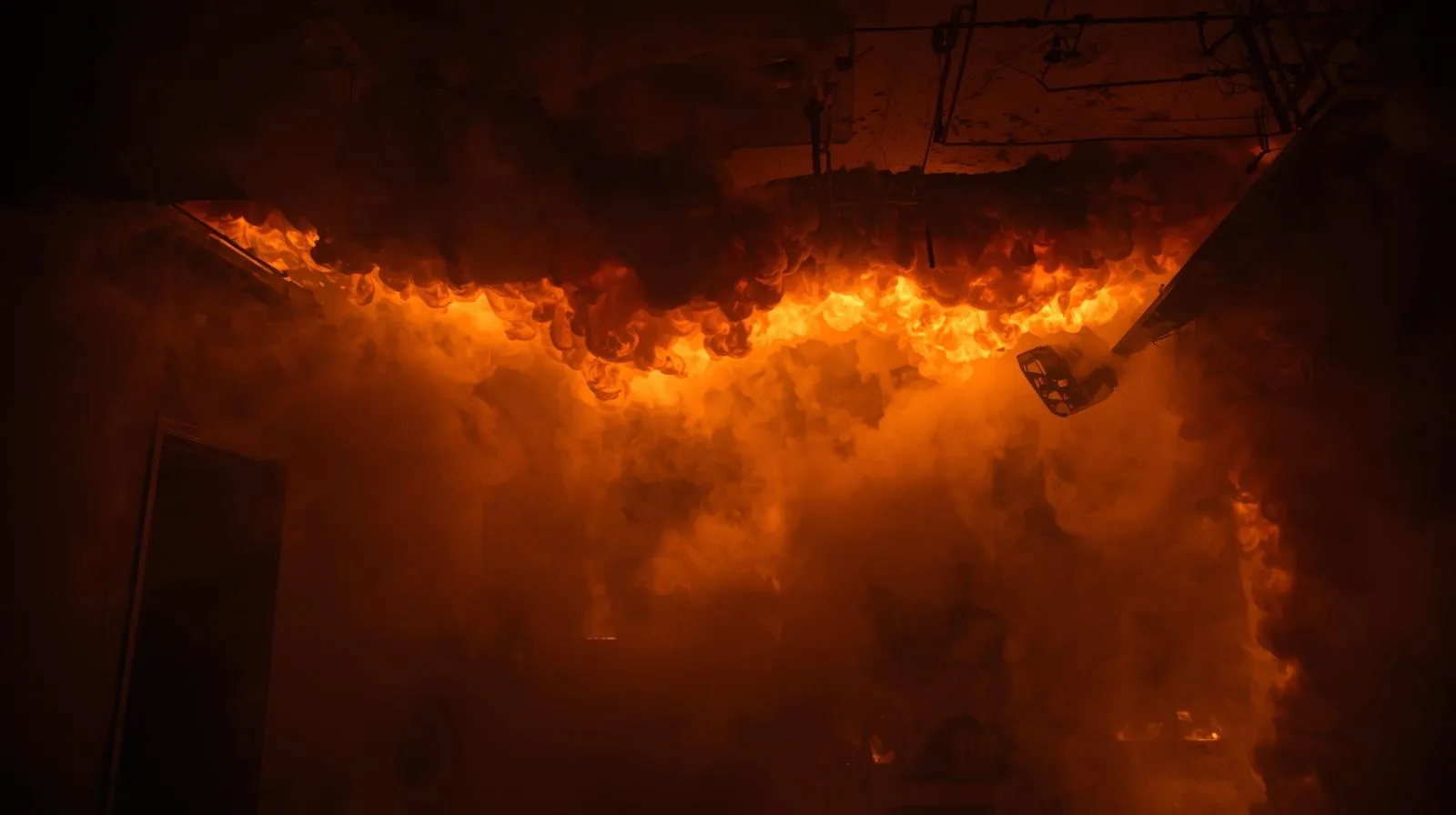
Smoke explosions and backdrafts are phenomena that can occur in structure fires when conditions become volatile. A smoke explosion happens when flammable gases and smoke accumulate in a confined space and ignite suddenly, often resulting in a violent burst of flames. On the other hand, a backdraft occurs when oxygen is reintroduced to a fire that has been starved of air, leading to an explosive combustion event. Both scenarios pose significant risks to firefighters, necessitating rigorous training and adherence to safety protocols to mitigate these hazards.
The Role of Training and Preparedness
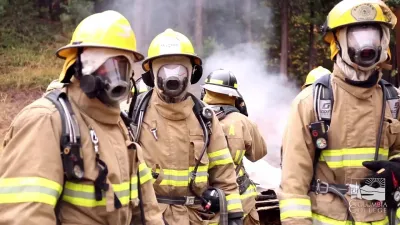
The Tucson fire department emphasizes the necessity of continuous training and preparedness for all firefighters. Regular drills that simulate smoke explosions and backdraft scenarios are vital in ensuring that firefighters can recognize warning signs and react appropriately in high-pressure situations. Additionally, understanding the science of fire behavior is crucial for making informed decisions while on the scene, allowing for safer and more effective firefighting strategies.
This incident in Tucson serves as a valuable learning opportunity for fire departments everywhere. By sharing experiences and knowledge about close calls involving smoke explosions and backdrafts, the firefighting community can enhance safety protocols and improve overall response effectiveness. Firefighters are heroes who put their lives on the line every day, and it is imperative to equip them with the best training and tools to handle the inherent dangers of their profession.
Comments 0
No comments yet. Be the first to share your thoughts on this video!
Leave a Comment