
Understanding Flashover: Recognizing and Responding to Rapid Fire Progression
What is Flashover and How Does It Develop?
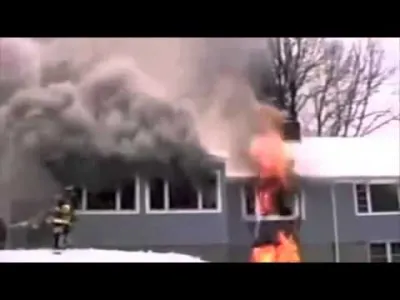
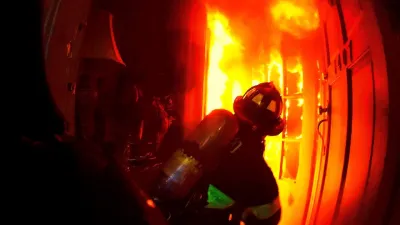
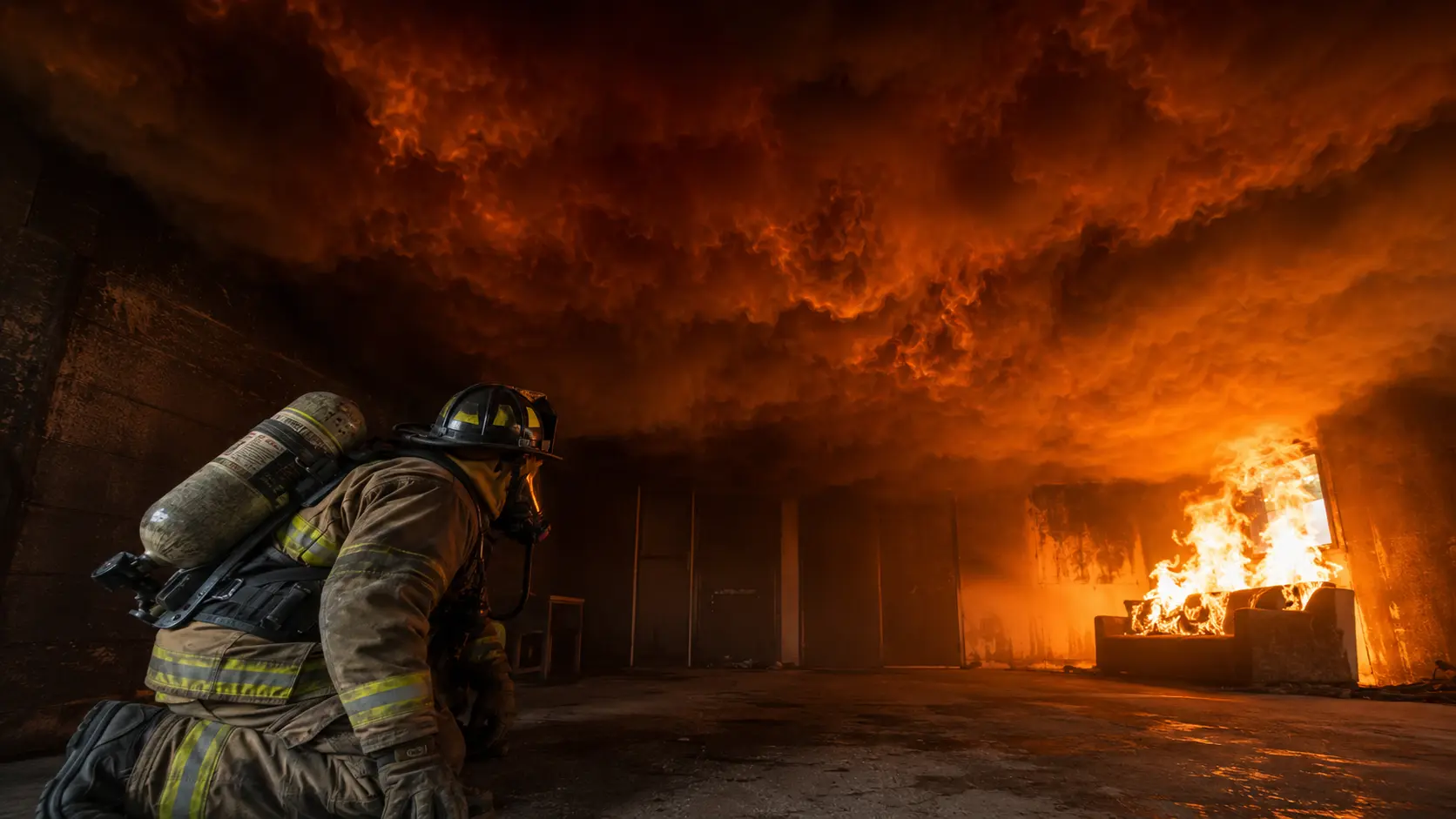
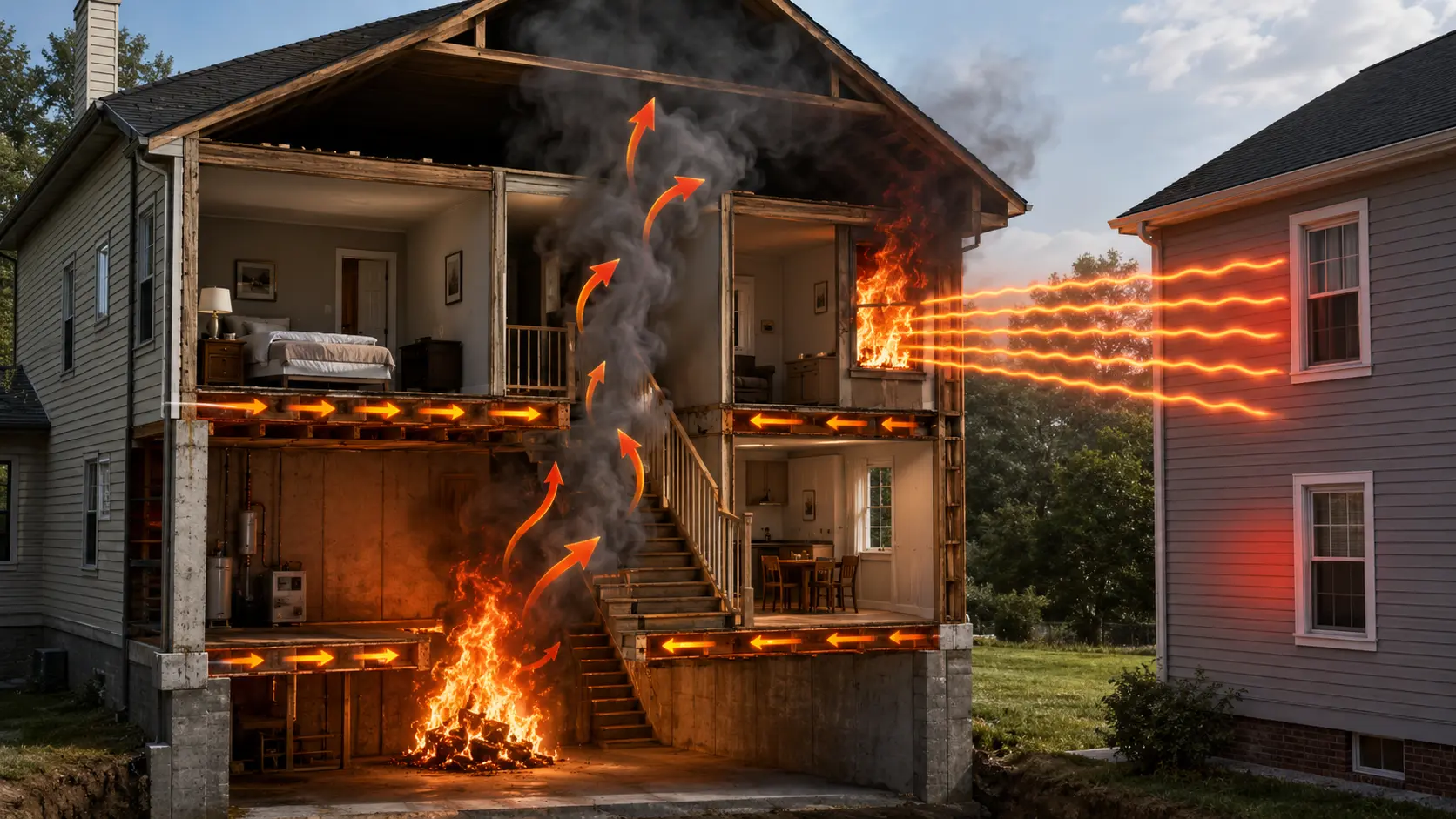
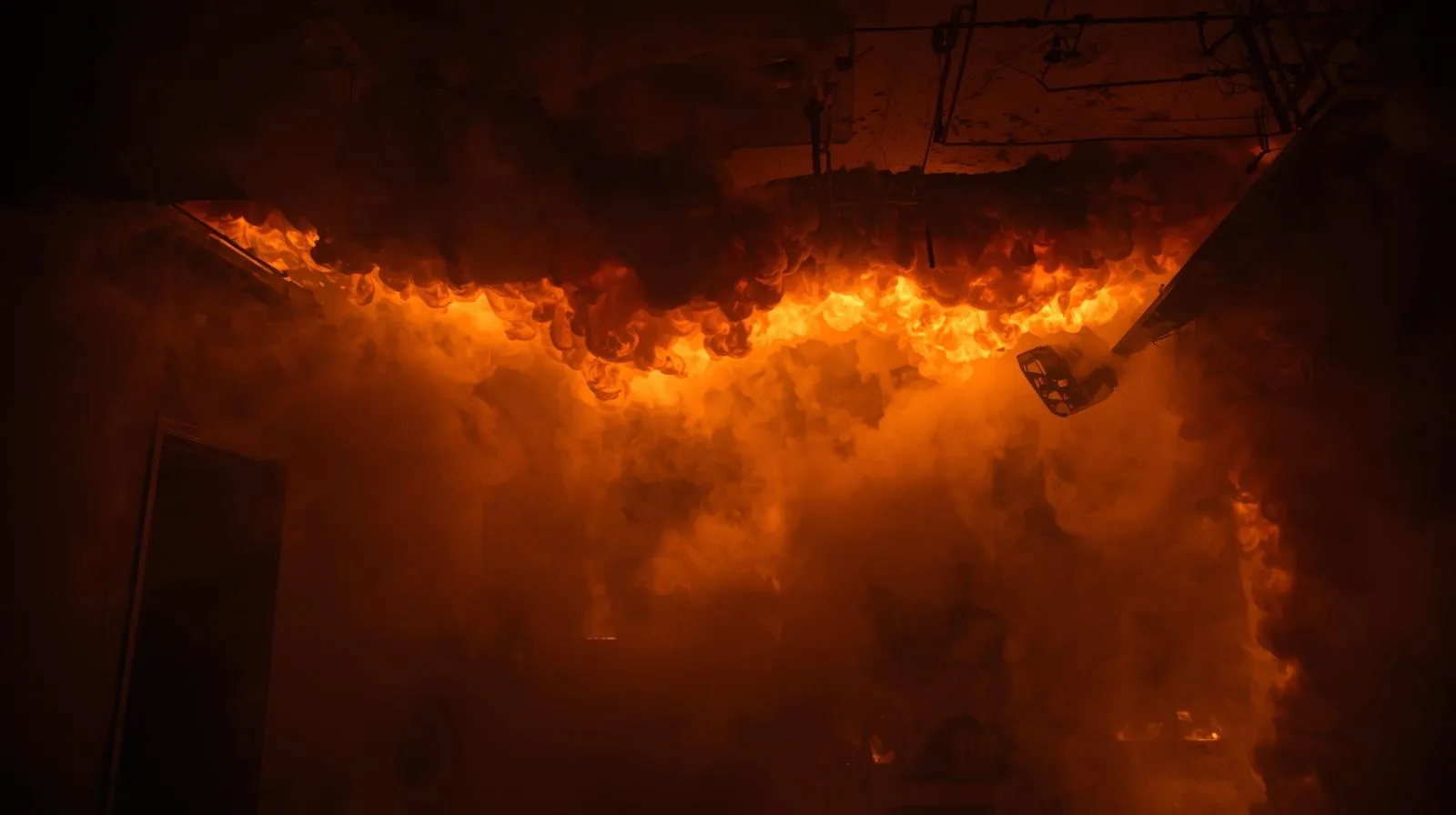
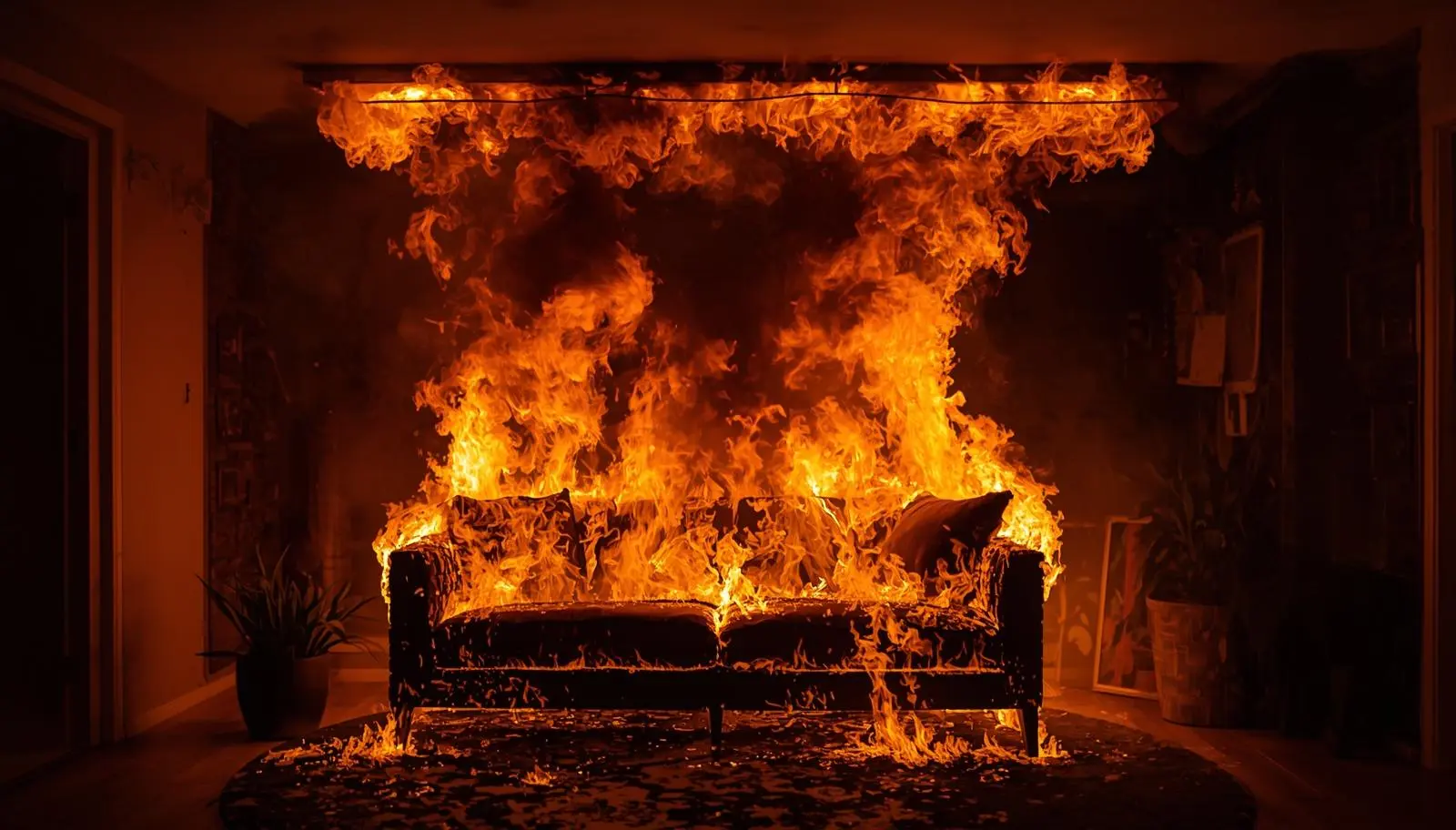
Flashover is a critical fire behavior phenomenon where the contents of a compartment simultaneously ignite due to high heat and pyrolysis gases reaching ignition temperature. This rapid transition marks a significant escalation in fire intensity and presents an immediate life safety hazard to crews operating inside. Recognizing the signs of impending flashover—such as rollover, intense heat, thick smoke, and rapid changes in fire behavior—is essential for timely decision-making on the fireground.
Crews must monitor smoke color, velocity, and volume, as well as heat levels, to identify flashover potential. The use of thermal imaging cameras and consistent communication among team members enhances situational awareness during interior attack operations.
Operational Considerations for Firefighters
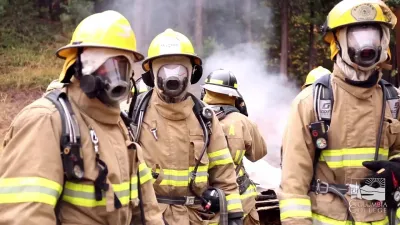
When flashover conditions are detected or anticipated, fire crews need to adjust tactics to maintain safety and effectiveness. This may include withdrawing to a safe location, increasing ventilation to control heat and smoke, or applying water strategically to cool the environment and delay flashover onset. Proper use of PPE and SCBA is critical, as the thermal and toxic environment can become rapidly untenable.
Command and crew coordination play a vital role in managing flashover risks. Incident commanders should ensure that crews are aware of potential flashover indicators and have rapid egress routes planned. Training and experience in recognizing fire behavior changes improve the crew’s ability to react appropriately, minimizing injuries and improving fire control outcomes.
Understanding flashover is fundamental for all firefighters and officers to enhance operational safety and effectiveness during structural fires.
About This Video
This 14:33 Fire-science video covers Understanding Flashover: Key Indicators and Fireground Response. Topics include: flashover, fire behavior, fireground tactics, firefighter safety, interior attack, ventilation, PPE, SCBA, fire dynamics, crew coordination.
Related Resources
Explore related firefighter Fire-science guides, free firefighter tools and the hazmat reference hub.
Training Note
All videos on AllFirefighter are curated for training and operational awareness. Always follow your department SOP/SOG and consult current standards before applying any technique on the fireground.
Comments 0
No comments yet. Be the first to share your thoughts on this video!
Leave a Comment