Last updated:
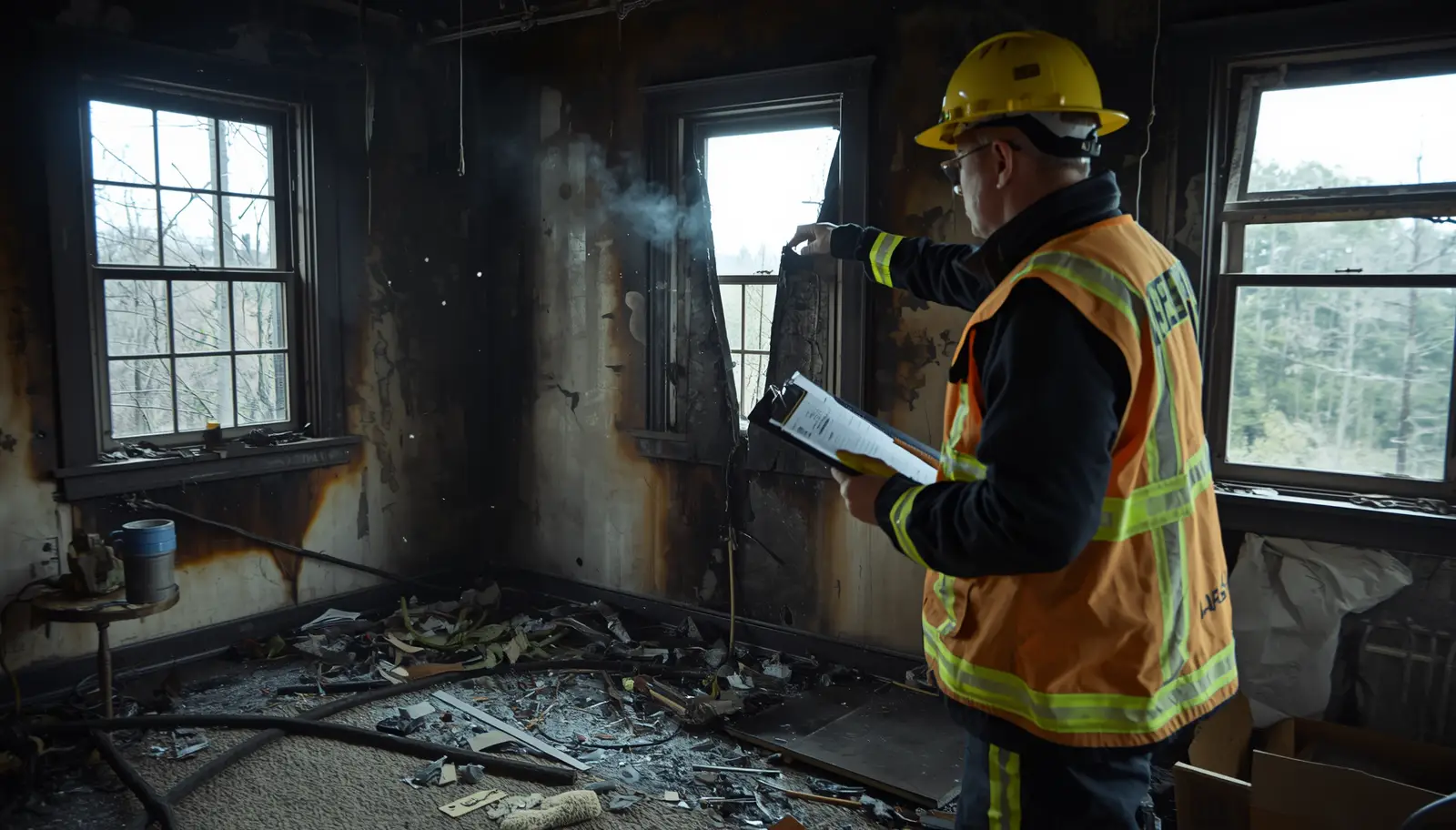
Fire investigation is patient work, even when nobody on scene is a patient anymore. The investigator is trying to answer two hard questions without forcing the scene to say more than it can support: where did the fire start, and what caused ignition? In the fire service, that is usually called origin and cause.
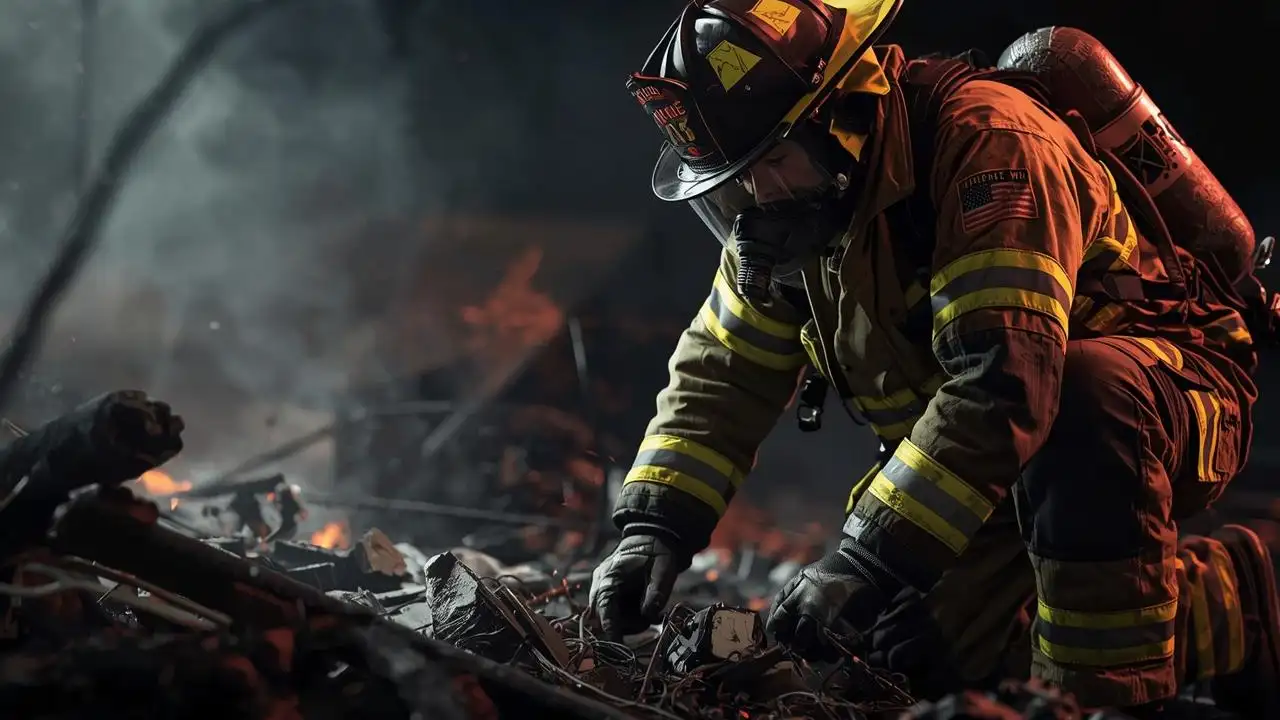
The job sounds simple until you stand in the room. Fire damages the evidence. Suppression changes the evidence. Ventilation changes the fire. Overhaul moves materials. Water, collapse, weather, cleanup, and foot traffic can all disturb the very clues people later expect the investigator to explain with confidence. A good investigation is not a dramatic guess. It is a slow, documented narrowing of possibilities.
The NIJ Fire and Arson Scene Evidence guide gives public-safety personnel a practical scene-evidence framework. NFPA 921 is the reference many investigators, attorneys, and expert witnesses look to for systematic fire and explosion investigation methodology. Local law, agency policy, and authority having jurisdiction still matter.
Scene Documentation GuideElectrical Fire InvestigationFire Science Guide
Investigation rule: the conclusion should follow the evidence. If the evidence cannot support a specific cause, an honest undetermined finding is stronger than a confident guess.
Origin And Cause In Plain English
The origin is the place where the fire began. It may be a room, a portion of a room, a vehicle compartment, an appliance area, a wildland ignition point, or a very small spot if the evidence supports that level of detail. The cause explains how the fire began: the ignition source, the first fuel ignited, and the circumstances that brought them together.
Investigators usually work from the general area toward the specific area. They look at fire patterns, ventilation, fuel loads, heat and smoke movement, witness statements, alarm data, suppression actions, and physical evidence. The point is not to find one clue and stop. The point is to see whether all the reliable facts can live together in the same explanation.
First Step: Safety And Scene Control
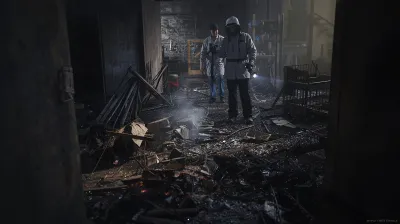
No investigation matters if the scene is still unsafe. Investigators and fire officers have to account for collapse risk, utilities, hazardous materials, hidden fire, sharp debris, water-filled basements, unstable vehicles, weather, and electrical hazards. In fatal fires or suspicious fires, law enforcement coordination may also be needed before the scene is processed.
Scene control protects evidence and people. Entry should be limited to people who need to be there. A log of access can help later if evidence handling is questioned. Firefighters do not need to freeze the scene while life safety is still active, but once the emergency phase is controlled, unnecessary movement should slow down and important changes should be documented.
Document Before Moving
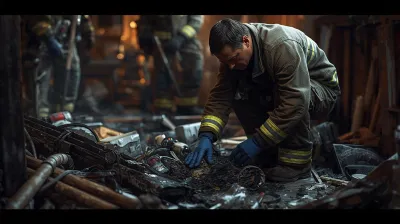
Good investigators document before they dig. Overall photos show the exterior, sides, access points, utilities, exposures, and suppression effects. Interior photos move from wide views to mid-range views to close-ups. Notes capture time, weather, people present, doors and windows, alarms, utilities, fire attack, overhaul, witness leads, and anything already moved.
This is where many weak investigations lose ground. A close-up photo of a burned outlet is not enough if nobody photographed the room, wall, cord path, appliance position, and nearby fuel package. A written note saying "heavy damage near couch" is thin if the investigator never recorded whether the couch was moved by crews. Documentation does not make a conclusion true, but it gives the conclusion a spine.
For a deeper workflow, use the fire scene documentation guide.
Reading Fire Patterns Carefully
Fire patterns can help identify movement and relative damage, but they are not magic arrows pointing to the cause. Ventilation, fuel arrangement, firefighting water, open doors, broken windows, flashover, collapse, and post-fire disturbance can all create patterns that are easy to overread. Older shortcuts, like treating every V-pattern as a simple origin marker, can lead investigators into bad conclusions when the whole scene is not considered.
A careful investigator asks what else could have produced the same effect. Was the room ventilation-controlled? Did a window fail early? Did contents fall during suppression? Was a wall opened during overhaul? Did the heaviest burning reflect origin, or did it reflect more fuel and oxygen? The best pattern analysis is tied to the timeline and the rest of the evidence.
| Investigation step | What the investigator is asking | Common risk |
|---|---|---|
| Scene safety | Can the area be entered and controlled without creating new danger? | Rushing into an unstable or energized scene. |
| Documentation | What did the scene look like before items were moved? | Taking close-ups without context. |
| Origin analysis | Where do patterns, witness timing, and physical evidence point? | Locking onto one pattern too early. |
| Cause analysis | What ignition source, fuel, and circumstances are supported? | Calling a cause without excluding reasonable alternatives. |
Finding A Supported Ignition Source
After the area of origin is narrowed, the investigator looks for possible ignition sources and first fuels. In homes that can include cooking equipment, heating equipment, electrical devices, candles, smoking materials, batteries, appliances, cords, lighting, and intentional ignition. In vehicles, the list changes. In wildland fires, lightning, equipment, power lines, campfires, debris burning, fireworks, and vehicles may be considered.
The question is not merely whether an ignition source exists in the area. Most rooms contain several possible ignition sources. The question is whether the source was capable of igniting the first fuel under the circumstances found at the scene. That is why investigators care about position, damage, operating state, witness timing, electrical evidence, fuel continuity, and whether the item was moved.
Electrical fires deserve special caution because damaged wiring does not automatically mean electrical cause. Fire can damage wiring after ignition from another source. Arc mapping and component examination can help, but they need context. See the electrical fire investigation guide for a more focused explanation.
Witnesses, Firefighters, And Timeline
People often see different parts of the same incident. The occupant may know what appliance was on. A neighbor may know which window showed flame first. The first-due officer may know which door was forced, where smoke was pushing, and what ventilation occurred before knockdown. Dispatch audio, alarm records, security footage, smart-home data, and utility records may add timing that nobody remembers perfectly.
Interviews should be handled carefully because memory changes under stress. Investigators should separate direct observation from assumption. "I saw flames from the kitchen window" is different from "the kitchen started it." Both statements matter, but only one is an observation. A good timeline helps compare witness information against fire patterns and suppression actions.
Cause Classification
Different jurisdictions use different reporting language, but fire causes are often grouped into categories such as accidental, incendiary, natural, or undetermined. Accidental does not mean nobody made a mistake; it means the evidence supports an unintentional cause. Incendiary means the fire was intentionally ignited under circumstances in which it should not have been. Natural may include lightning or other natural events. Undetermined means the evidence does not support one cause to the required level.
Undetermined can frustrate owners, insurers, and investigators, but it is not failure when the scene cannot answer the question. The dangerous move is stretching thin evidence into a confident label. A defensible report explains what was examined, what was ruled out, what remained possible, and why the final classification was chosen.
Why Investigation Helps Prevention
Origin-and-cause work is not only about blame. It feeds prevention. If repeated fires trace back to a product, heating practice, overloaded circuit, cooking behavior, battery charging habit, or building feature, that information can shape public education, code enforcement, product recalls, and firefighter training. The investigation file becomes more valuable when it turns into lessons the community can use.
Wildland investigations work the same way. Identifying ignition patterns can support enforcement, utility mitigation, equipment guidance, public warnings, and prevention campaigns. Our wildland fire investigation guide covers that side of the work.
Frequently Asked Questions
What does origin and cause mean?
Origin is where the fire began. Cause is how ignition occurred, including the ignition source, first fuel, and circumstances that brought them together.
Can burn patterns alone prove where a fire started?
No. Burn patterns can be useful, but they must be evaluated with ventilation, fuel arrangement, suppression actions, witness information, and physical evidence.
What is NFPA 921?
NFPA 921 is a widely used guide for systematic fire and explosion investigations. Many U.S. investigators use it as a methodological reference alongside local law and agency policy.
Why would a fire cause be undetermined?
A cause may be undetermined when the scene is too damaged, evidence is missing, multiple causes remain possible, or the facts do not support one explanation strongly enough.
Do firefighters affect fire investigation evidence?
Yes, but often for necessary reasons such as rescue, extinguishment, ventilation, and overhaul. The key is documenting what changed and limiting unnecessary movement once the emergency is controlled.


Comments 0
No comments yet. Be the first to share your thoughts!
Leave a Comment