Fire Science 101: Understanding Flashover, Backdraft & Fire Behavior
Every structure fire behaves differently, but the science behind fire growth follows predictable patterns. Firefighters study these patterns to anticipate danger, recognize warning signs, and take actions that save both their own lives and the lives of victims trapped inside. This guide covers the fundamentals of fire behavior: flashover, backdraft, smoke reading, and more.
The Fire Triangle vs. Fire Tetrahedron
Fire needs three components: heat, fuel, and oxygen. This is the fire triangle. The fire tetrahedron adds a fourth component—chemical reaction—which explains why some fires rapidly intensify once ignition occurs.
Flashover: The Point of No Return
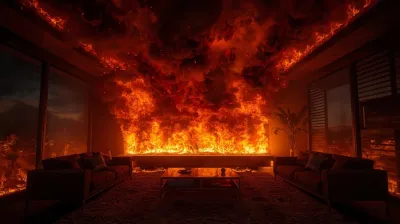
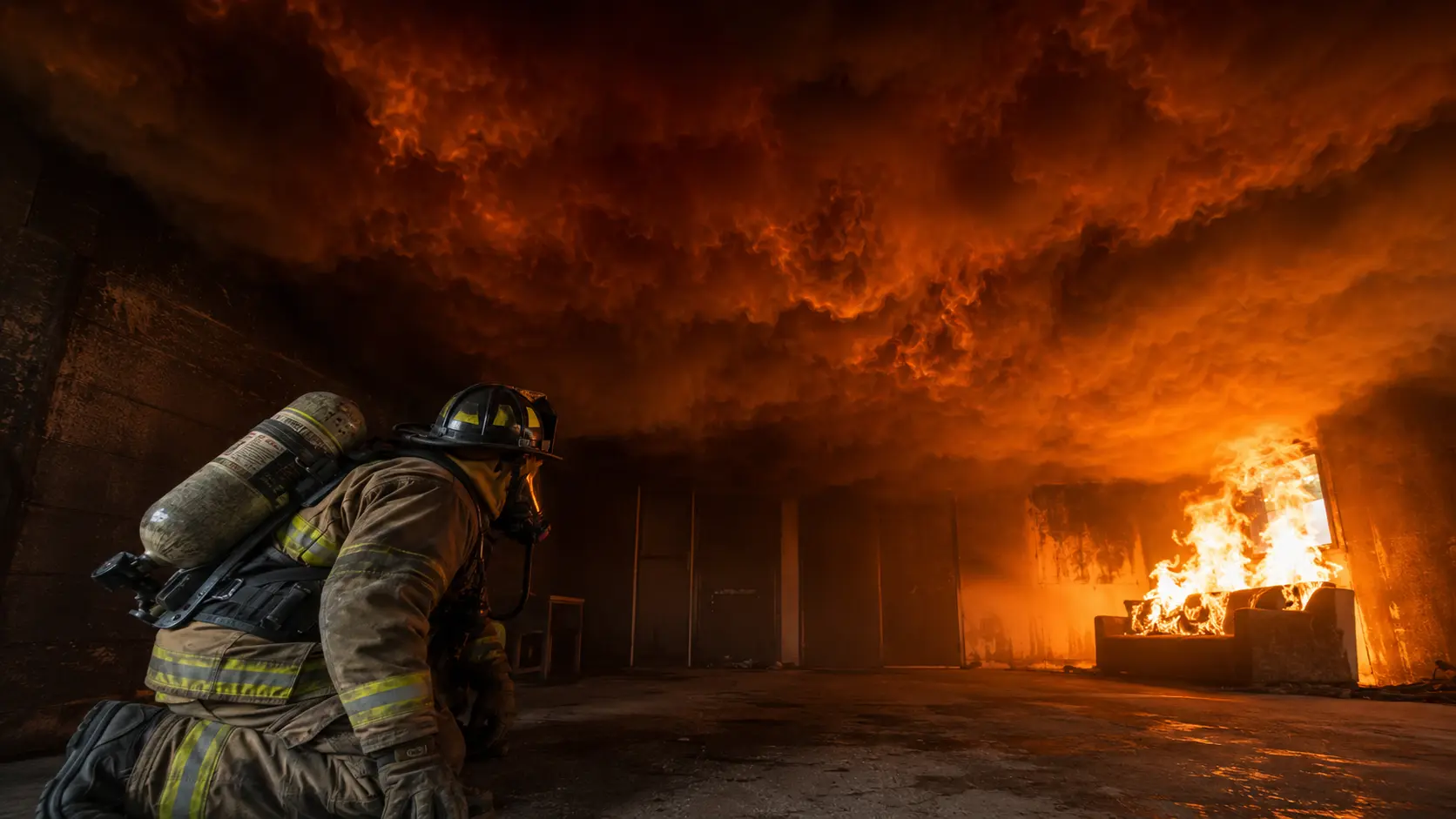
Flashover is the moment when all combustible materials in a room ignite at once. Temperatures can exceed 1,000°F (538°C), making survival impossible. Recognizing flashover conditions is critical.
- High heat at floor level
- Dark, turbulent smoke
- Rollover or “fingers” of flame in the smoke
- Rapid temperature increase
Backdraft: The Hidden Killer
A backdraft occurs when a fire in a confined space runs out of oxygen but continues to smolder. When a door or window is opened, oxygen rushes in, causing a violent explosion. Warning signs include:
- Yellow or brown smoke
- Pulsing or “breathing” smoke movement
- Windows stained with soot
- No visible flames despite heavy smoke
Rollover: Early Warning of Flashover
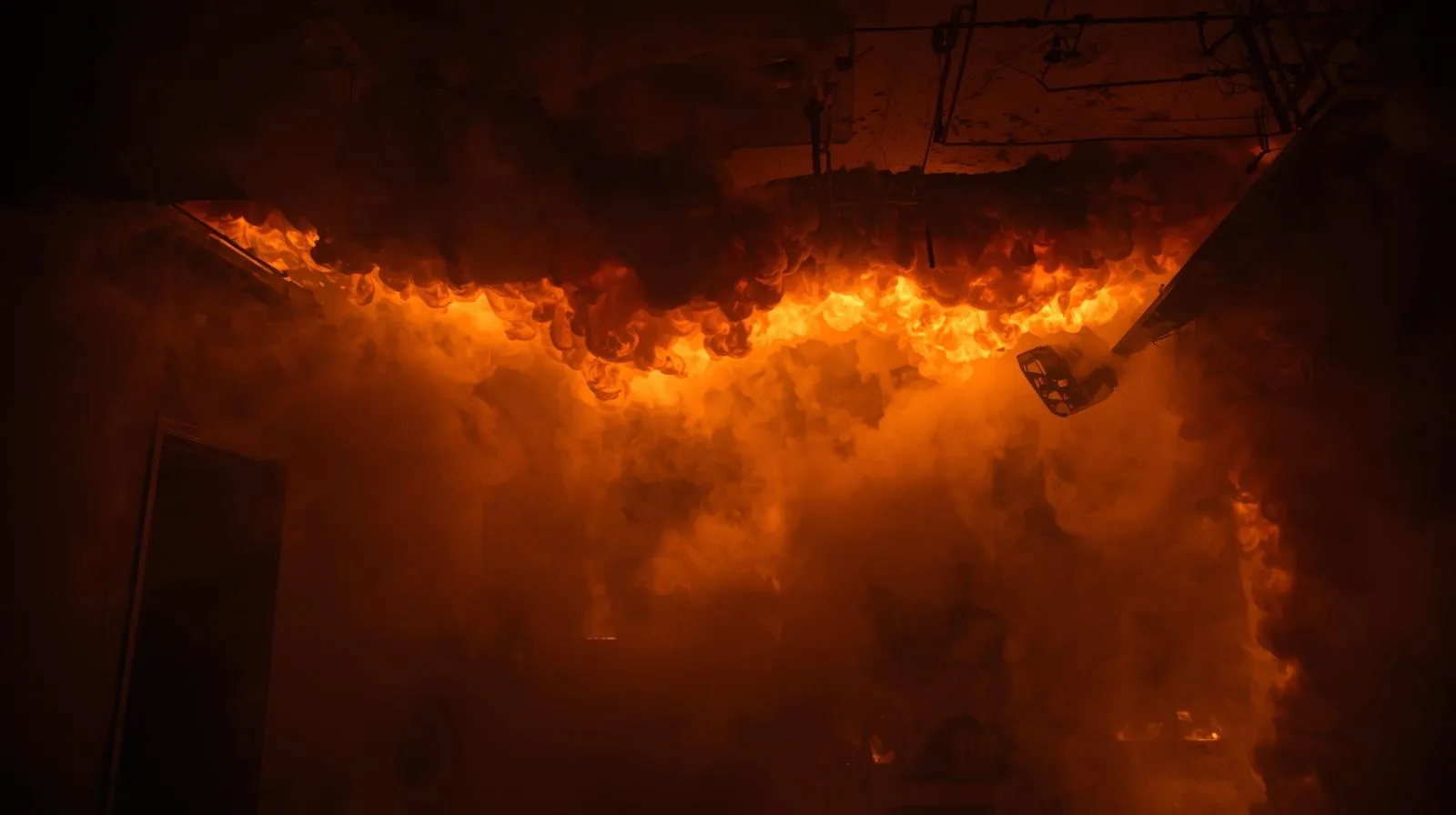
Rollover happens when flames travel across a smoke layer without full room ignition. It signals worsening conditions and usually precedes flashover. Firefighters watch for flame movement above their heads during interior operations.
Heat Layering and Flow Paths
Heat rises, forming layers of superheated gases near the ceiling. Wind, broken windows, and open doors create flow paths that pull fire toward oxygen sources. Understanding flow paths is essential for safe ventilation and entry tactics.
Smoke Reading: The Language of Fire
Smoke reveals a fire’s intensity, location, and stage of development. Firefighters study smoke color, volume, velocity, and density (the “VVDC” model).
- White smoke: Early-stage or water vapor
- Gray smoke: Moderate heat
- Black smoke: High heat, likely nearing flashover
- Brown smoke: Structural components burning
Fire Growth Stages
Fires progress through four major stages:
- Ignition: Heat and oxygen meet fuel
- Growth: Flames spread and heat increases
- Fully involved: Maximum burning, risk of flashover
- Decay: Fire slows but may still explode (backdraft risk)
Modern Fuel Loads Change Everything
Modern homes burn faster than ever. Synthetic furniture, plastics, and open-concept layouts mean fires reach flashover in minutes—sometimes under 3 minutes. Firefighters must adjust tactics for these new conditions.
Ventilation: Done Right or Deadly
Ventilation can save lives—but only if coordinated properly. Uncoordinated ventilation can feed oxygen to a growing fire, causing a rapid flashover or wind-driven event.
Conclusion
Understanding fire science is essential for every firefighter. Flashover, backdraft, smoke reading, and fire dynamics determine how crews operate, when they advance, and when they withdraw. The better we understand the behavior of fire, the safer and more effective we become on the fireground.

Comments 0
No comments yet. Be the first to share your thoughts!
Leave a Comment