
Emergency Response: A Two-Alarm Structure Fire in Brick, New Jersey
Overview of the Incident
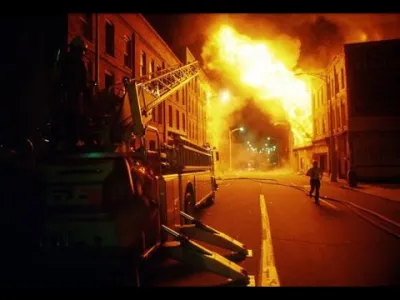
On September 26, 2024, a two-alarm structure fire erupted in the town of Brick, New Jersey. Thanks to the swift actions of firefighters, the blaze was quickly brought under control. This incident highlighted the critical importance of timely responses and effective coordination by fire crews during emergencies. The rapid intervention not only prevented the fire from escalating but also safeguarded lives and reduced the risk of injuries. The professionalism displayed by the firefighters played a significant role in managing such emergencies.
Rapid Assessment and Strategic Response
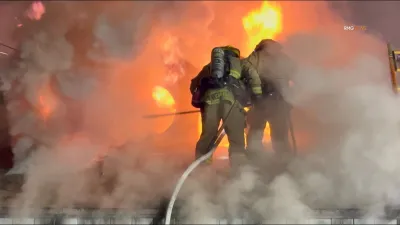
Upon arriving at the scene, the first responders conducted a swift assessment of the situation. Recognizing the potential for the fire to spread, they established a command center and immediately implemented firefighting tactics. In emergencies of this nature, a quick and organized approach is vital to preventing further spread of the fire, significantly minimizing damage to both the structure and surrounding properties. Additionally, necessary precautions were taken to ensure the safety of the firefighters involved. Continuous communication among team members during firefighting operations greatly enhanced the success of the mission.
Team Coordination and Rescue Operations
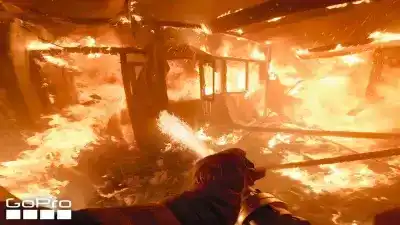
Throughout the duration of the fire, multiple fire units collaborated to ventilate the structure and execute rescue operations. This scenario underscored the importance of teamwork and cooperation in firefighting efforts. The operational procedures demonstrated during the multi-alarm fire intervention provided valuable insights into how these processes function, furthering the understanding of effective firefighting strategies. Firefighting is not solely about extinguishing flames; it also encompasses the vital responsibilities of saving lives and protecting property. Thus, training and drills are crucial for enhancing the competence of firefighters.
The Importance of Fire Safety Awareness
The footage from this incident serves as an educational resource for both firefighters and the public. It emphasizes the critical nature of timely intervention and strategic firefighting techniques in structural fire emergencies. Those interested in learning more about fire safety and preparing for similar incidents in the future should engage with such resources and participate in firefighting training programs. It is essential to remember that fire safety is everyone's responsibility, and being informed can save lives.


Comments 0
No comments yet. Be the first to share your thoughts on this video!
Leave a Comment