When Is Fire Watch Required? NFPA Fire Watch Rules, Durations, and Documentation Guide
Fire watch is one of the most commonly misunderstood compliance requirements in fire protection. Contractors take shortcuts. Building owners are not sure what the code actually requires. Firefighters arrive on inspections and find inadequate fire watch in place — or none at all. This guide covers when fire watch is required under NFPA, what constitutes a compliant fire watch, how long it must continue, and how to document it correctly.
Jump to:What fire watch is · When it is required (NFPA triggers) · Who can stand fire watch · Fire watch duties · How long fire watch must continue · Documentation requirements · Hot work fire watch · Common violations · FAQ
What Fire Watch Is (and What It Is Not)
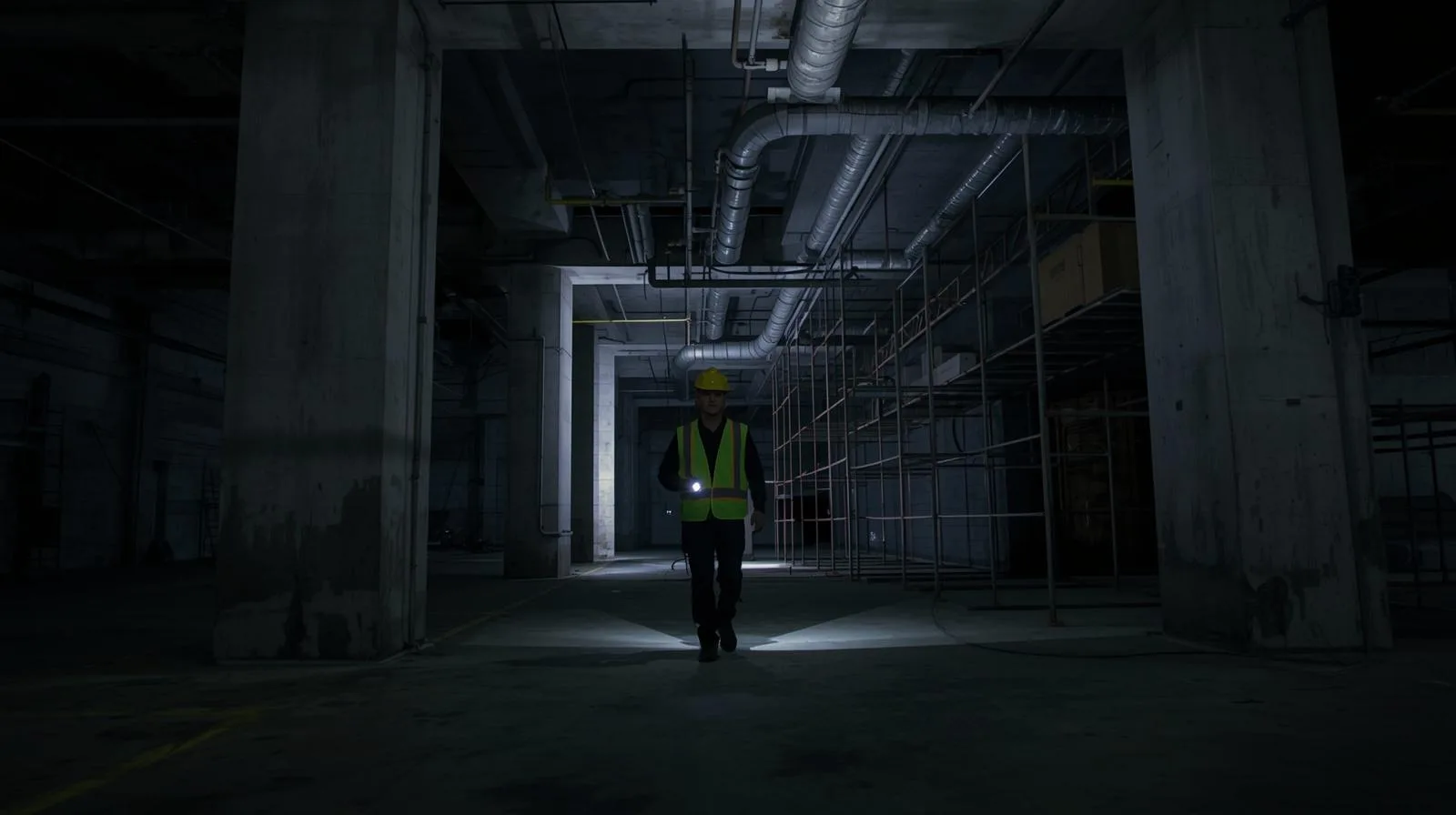
A fire watch is a temporary measure implemented to maintain life safety when a building's fire protection systems are impaired or when hot work creates ignition hazards. A qualified individual continuously patrols the affected area, monitoring for fire and maintaining the means of egress.
Fire watch is not:
- A fire alarm system alternative
- A substitute for required suppression systems during permanent operations
- Someone sitting at a desk watching a security monitor
- A contractor who "checks in" every hour while doing other work
Key distinction: Fire watch is a continuous, active patrol — not periodic inspection. If the person standing fire watch is doing anything else simultaneously, they are not conducting a compliant fire watch.
When Fire Watch Is Required Under NFPA
The primary NFPA standards governing fire watch requirements are NFPA 1 (Fire Code), NFPA 25 (Inspection, Testing, and Maintenance of Water-Based Fire Protection Systems), and NFPA 51B (Standard for Fire Prevention During Welding, Cutting, and Other Hot Work).
System impairment triggers (NFPA 25 and NFPA 1)
Fire watch is typically required when fire protection systems are taken out of service during normal business hours or during periods of building occupancy:
| Impairment type | Fire watch trigger | Governing standard |
|---|---|---|
| Sprinkler system out of service (any portion) | Generally required when >10 sprinklers are out of service OR when the system cannot protect occupied areas | NFPA 25 / NFPA 1 |
| Fire alarm system out of service | Required when the alarm system cannot provide required detection and notification for occupants | NFPA 1 / local AHJ requirements |
| Fire pump impairment | Required when the fire pump serving the system is out of service and system pressure cannot be maintained | NFPA 25 |
| Standpipe system impairment | May be required depending on building type, occupancy, and AHJ determination | NFPA 14 / NFPA 1 |
| Emergency lighting impairment | May require fire watch in certain occupancy types per AHJ direction | NFPA 101 |
AHJ authority: The Authority Having Jurisdiction (your local fire marshal, building official, or fire code enforcement agency) has the authority to require fire watch under conditions not explicitly listed above. When in doubt, contact your AHJ before taking any system out of service.
Hot work triggers (NFPA 51B)
Hot work — welding, cutting, brazing, grinding, or any operation that produces sparks or open flame — requires fire watch both during the operation and for a defined period afterward. NFPA 51B requires fire watch to continue for at least 60 minutes after hot work ends in the area where hot work was performed, plus any adjacent areas where heat or sparks may have traveled.
Special event and occupancy triggers
Some occupancy types and special events may require fire watch as a condition of assembly permit or certificate of occupancy, particularly for:
- Temporary structures and tents
- Events with pyrotechnics
- Construction sites in occupied buildings
- Certain high-hazard occupancies during system maintenance windows
Who Can Stand Fire Watch
NFPA and most AHJs require that fire watch personnel be:
- At least 18 years old
- Trained in the duties of fire watch (what to look for, how to report, how to use a fire extinguisher, how to activate the building alarm, how to assist with evacuation)
- Physically capable of walking the entire patrol area continuously
- Not assigned any other concurrent duties during the fire watch period
- In possession of a communication device to contact emergency services
The person does not need to be a licensed fire protection professional, but they must be specifically trained for the fire watch role. Using an untrained construction worker or security guard who has not been briefed on fire watch duties is a common compliance failure.
Fire Watch Duties: What Must Be Done
A compliant fire watch includes all of the following, conducted continuously throughout the fire watch period:
Patrol requirements
- Continuously walk the affected area and adjacent areas (including floors above and below for hot work)
- Check for smoke, heat, sparks, or unusual odors
- Verify that all means of egress remain clear and accessible
- Check areas where hot work sparks or heat may have traveled (wall cavities, adjacent rooms, the floor above/below)
Response requirements
- Sound the building alarm immediately upon discovering fire, smoke, or imminent hazard
- Call 911
- Attempt to extinguish small, incipient fires only if trained to do so and if it can be accomplished without personal risk
- Assist in evacuation of the area
- Meet the fire department and provide information upon their arrival
Communication requirements
- Maintain contact with a supervisor or building management at defined intervals during the watch period
- Have immediate access to a phone, radio, or other reliable communication device throughout the watch
How Long Fire Watch Must Continue
| Trigger | Duration required | Notes |
|---|---|---|
| Sprinkler system impairment | For the entire duration of the impairment, during occupied hours | May include nights and weekends depending on AHJ, building type, and occupancy |
| Fire alarm system impairment | For the entire duration of the impairment in occupied portions of the building | 24/7 in some occupancy types (healthcare, high-rise, assembly) |
| Hot work (NFPA 51B) | Minimum 60 minutes after all hot work ceases in the area | Plus any adjacent areas where heat may have transferred; some AHJs require longer |
| AHJ-directed fire watch | As specified by the AHJ in writing | Duration is at the AHJ's discretion; get the requirement in writing |
60 minutes is the minimum for hot work — not the standard. NFPA 51B sets the floor at 60 minutes, but fires from hot work have started hours later as heat conducted through structural elements finally reached combustible materials. Many fire marshals and contractors treat 60 minutes as the legal minimum and extend the watch based on the specific conditions of the work performed.
Documentation Requirements
Documenting fire watch correctly is as important as conducting it. In the event of a fire, insurance claim, or liability proceeding, fire watch logs are the primary evidence that the required measure was in place. Inadequate or missing documentation is treated the same as no fire watch in most enforcement and legal contexts.
Required log entries (minimum)
- Date and time the fire watch began
- Name and signature of the person standing fire watch
- Time-stamped patrol entries (most AHJs require entries at least every 30 minutes)
- Description of the area being patrolled
- Any observations or abnormal conditions noted
- Time the fire watch ended and reason for termination (system restored, hot work area cleared, etc.)
- Signature of the person who authorized termination of fire watch
Use the Fire Watch Log Generator to produce a correctly formatted log for your fire watch assignment.
Retention
Fire watch logs should be retained for a minimum of 1 year or as required by your AHJ. In healthcare and high-rise occupancies, longer retention periods (3–5 years) are common. Store logs in a format that is easily retrievable — digital copies with backups are preferred for long-term retention.
Hot Work Fire Watch: Specific Requirements
Hot work fire watch under NFPA 51B has several requirements that go beyond general fire watch provisions:
Before hot work begins
- A hot work permit must be issued and on site (in most occupancies)
- The area must be inspected and combustibles removed or protected within 35 feet of the hot work location
- Fire watch personnel must be identified and present before work begins
- A portable fire extinguisher must be immediately available at the hot work location
- Sprinkler heads in the immediate area must NOT be covered or blocked (a common and dangerous contractor practice)
Adjacent space patrol
Hot work sparks and heat can travel through wall openings, conduit penetrations, and floor/ceiling assemblies. NFPA 51B requires that adjacent spaces — including the space directly above the work and any space where sparks may have traveled through openings — be checked as part of the fire watch patrol. This requirement is commonly missed by contractors who confine their watch to the room where work was performed.
Common Fire Watch Violations Found on Inspection
These are the most frequent deficiencies found during fire marshal inspections and post-incident reviews:
- Fire watch person assigned concurrent duties. The person "on fire watch" is also running tools, answering phones, or serving other functions. Not compliant.
- Watch terminated before 60 minutes after hot work. Work ended at 3:00 PM and the crew packed up and left at 3:30 PM. Not compliant.
- Adjacent areas not patrolled. Watch was confined to the room where welding occurred. Floor above and adjacent spaces were not checked.
- No log or inadequate log. Entries missing timestamps, no patrol intervals recorded, no signature on termination.
- Untrained fire watch personnel. Person placed on fire watch had not been briefed on what to look for, how to activate the alarm, or how to use the extinguisher.
- No communication device. Fire watch person has no reliable way to call 911 or contact building management.
- Sprinklers covered during hot work. Contractors covering sprinkler heads during hot work is a serious violation that can result in permit revocation and significant fines.
Frequently Asked Questions
Does NFPA require fire watch for every sprinkler impairment?
Not every impairment triggers a mandatory fire watch under NFPA 25, but many do. The standard generally requires fire watch when an impairment affects occupied areas and the system cannot provide required protection. The specific threshold (often 10 or more sprinklers out of service) and the requirement to notify the AHJ and occupants applies broadly. Your local AHJ may have stricter requirements than the NFPA baseline.
Who is the AHJ for fire watch purposes?
The Authority Having Jurisdiction is the local agency responsible for enforcing fire and building codes — typically the fire marshal's office, fire prevention bureau, or building department. In healthcare facilities, The Joint Commission may also have applicable requirements. In federal buildings, the relevant federal agency serves as the AHJ.
Can fire watch be ended before the system is restored?
Only with AHJ authorization in most cases. If the system impairment cannot be corrected and continued occupancy requires fire watch, the watch continues until the system is restored or the AHJ authorizes an alternative measure. Unilaterally ending fire watch while a system is still impaired creates serious liability exposure.
Do you need a fire watch permit?
Fire watch itself generally does not require a permit, but hot work — which triggers fire watch — requires a hot work permit in most jurisdictions before work begins. The permit documents the scope of work, required precautions, and responsible parties. Failure to obtain a hot work permit when one is required is typically a code violation independent of the fire watch requirement.
What happens if a fire starts and fire watch was not in place?
The owner, contractor, or responsible party can face significant liability including insurance claim denial, code violation fines, civil liability for damages, and in cases of injury or death, criminal exposure depending on jurisdiction. Documentation of a compliant fire watch is a primary factor in post-fire investigations and insurance coverage determinations.

Comments 0
No comments yet. Be the first to share your thoughts!
Leave a Comment