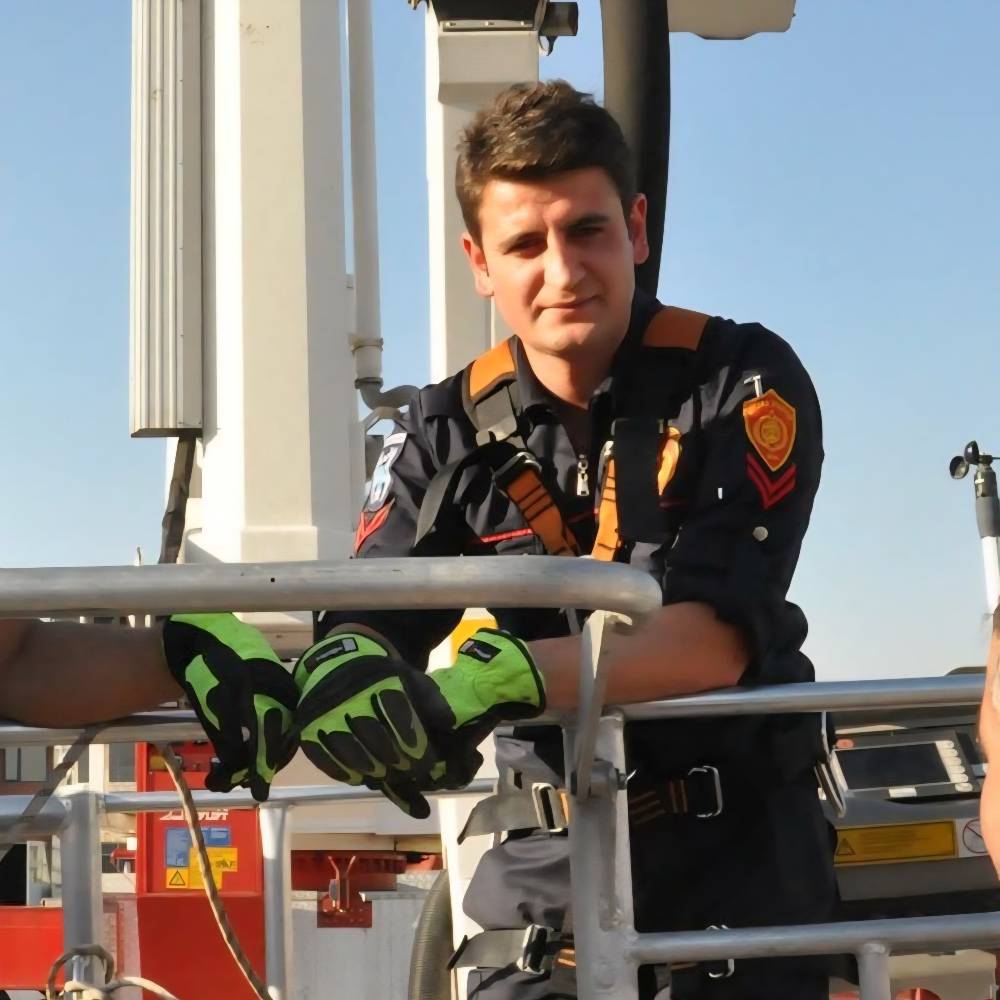
Ertuğrul Öz is a career firefighter serving with the Ankara Metropolitan Municipality Fire Department since 2011, currently holding the rank of Firefighter Sergeant (İtfaiye Çavuşu). He has responded to more than 1,000 structural fire incidents and served across three major earthquake response operations in Turkey, as well as numerous flood and water rescue deployments. He holds an associate degree in Civil Defense and Firefighting from Çankırı Karatekin University (on-campus program) and a bachelor\'s degree in Public Administration from Anadolu University (open education). His certifications include Basic Firefighter, Intermediate Search and Rescue (USAR), Hazmat/CBRN Response, First Aid, and Fire Instructor Levels 1 through 4. He has delivered 50+ firefighter training courses and serves as one of AllFirefighter\'s two editorial leads.
Tool-first pillar for ladder and apparatus planning: use Aerial Ladder Reach tools with practical setup guidance, target selection, and safety checks. Built to support training, preplans, and fast decision-making.
All five NFPA 220 building construction types from a firefighter's operational perspective: fire resistance, collapse risk, fire spread patterns, tactical implications, and the lightweight construction warning every firefighter needs to know.
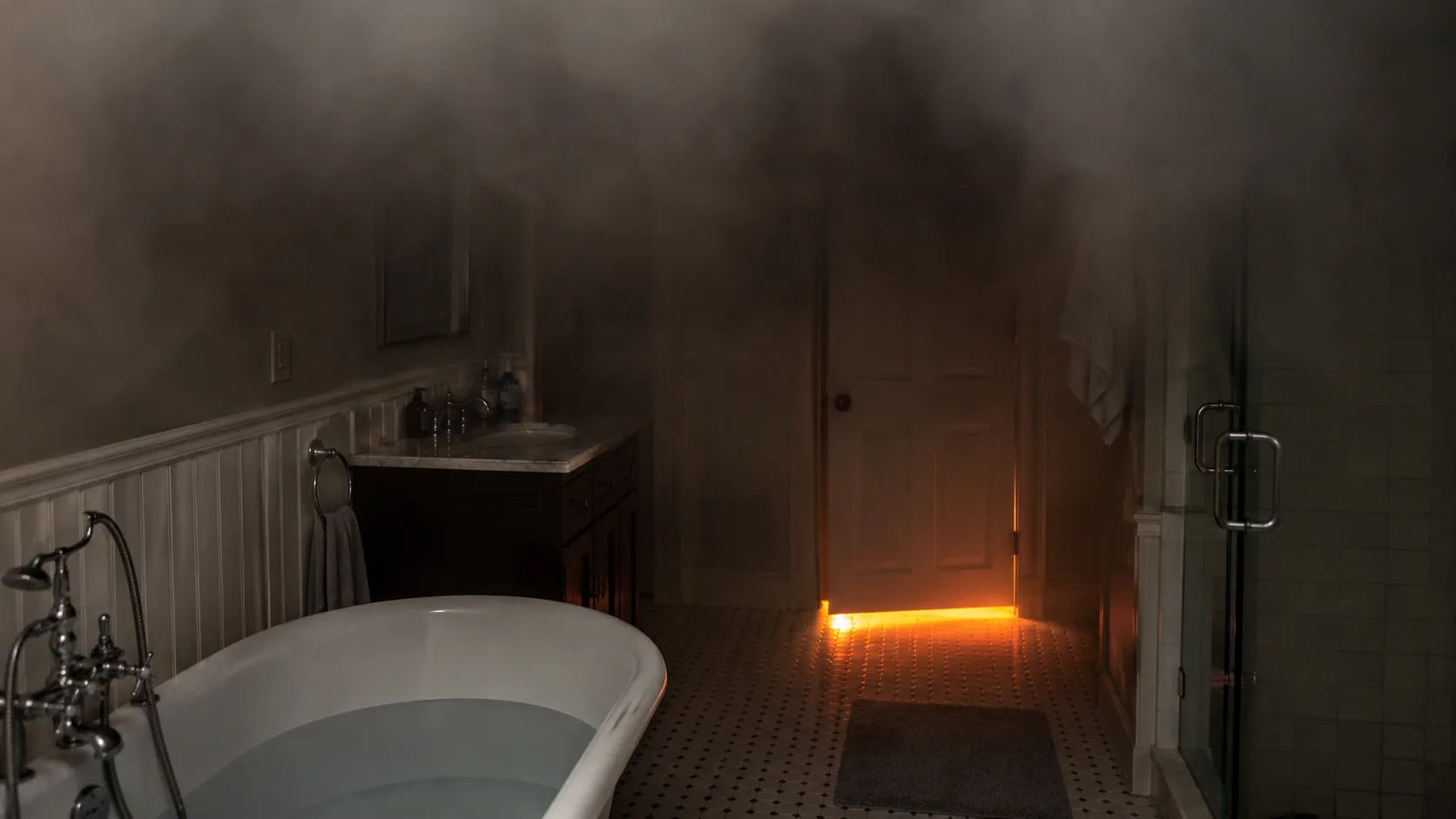
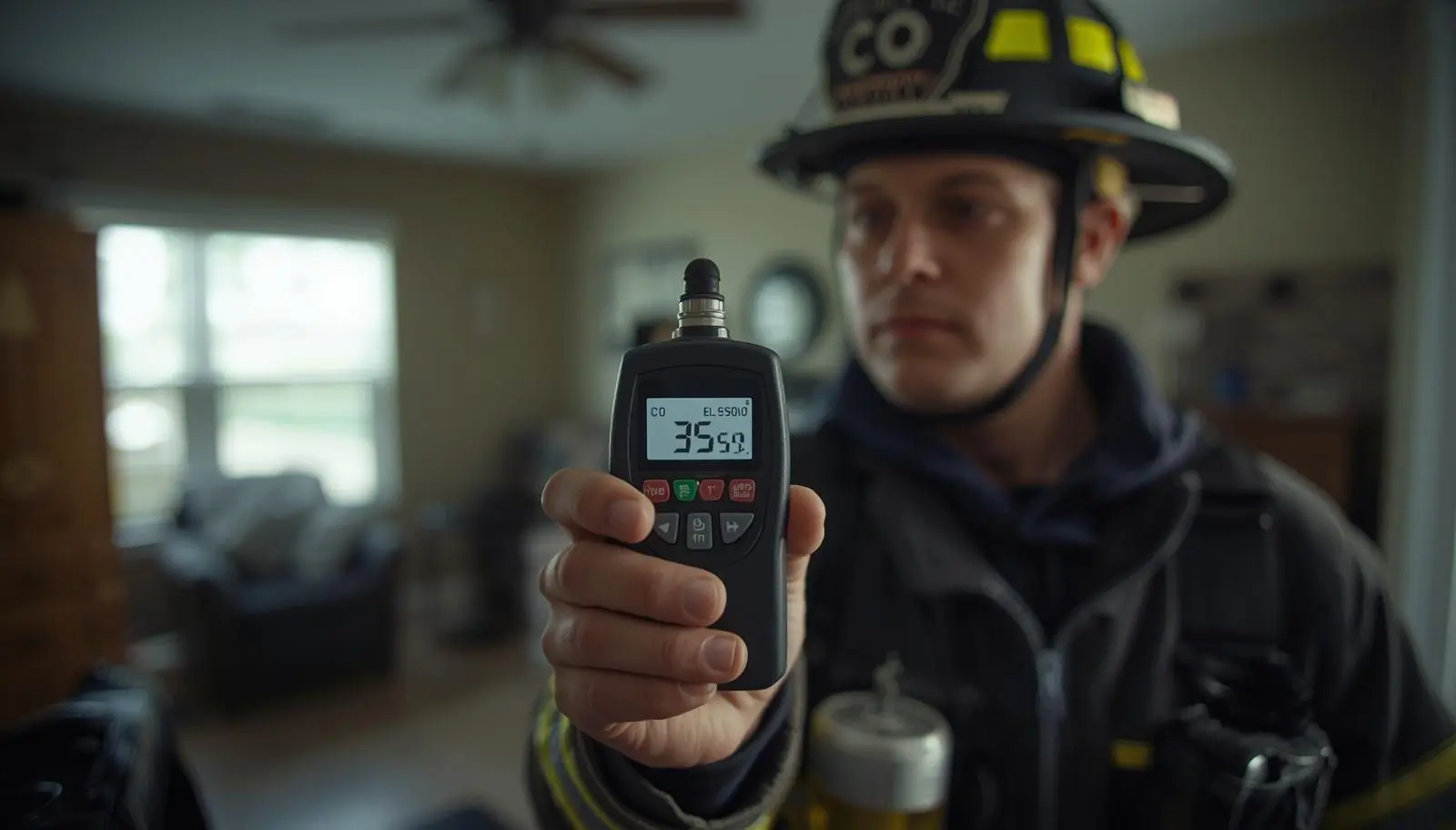
The bathtub myth — that sitting in a filled tub protects you during a house fire — is wrong in every way that matters. About 75% of fire deaths are caused by smoke inhalation and carbon monoxide, neither of which the bathtub does anything to stop. This breaks down exactly why the myth fails, what shelter-in-place actually looks like, and where firefighters find survivors.
What actually goes wrong when you fight fire in extreme cold: frozen hydrants, SCBA regulator freeze-up, ice-covered hose, turnout gear that stops breathing, and how experienced crews prepare before the temperature drops. Real operational problems with real fixes.
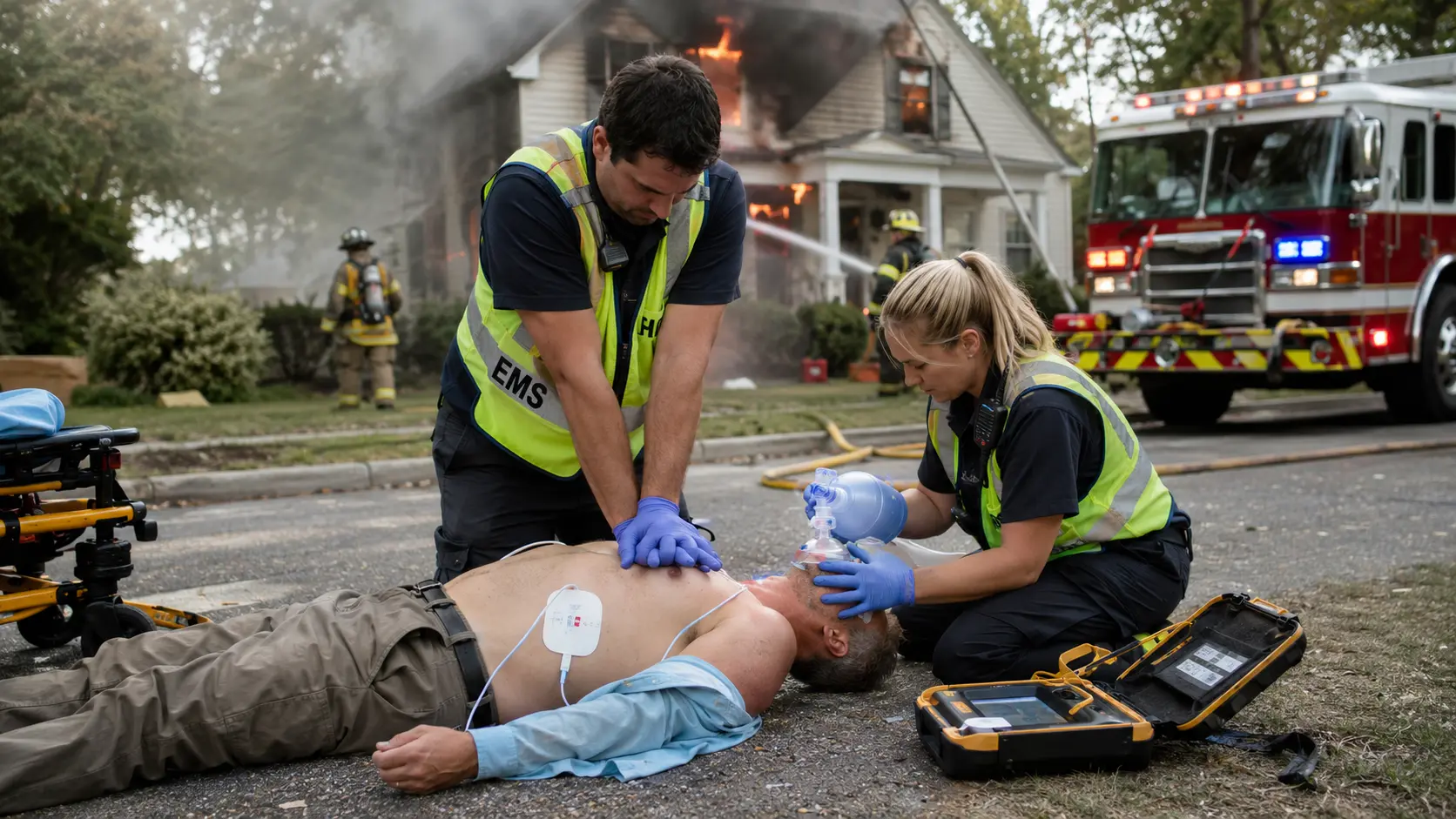
Fire departments respond to the majority of drowning emergencies — not lifeguards, not the coast guard. What happens at the scene is not a heroic leap into the water. It is a systematic approach: reach-throw-row-go, scene size-up for last-known point, cold water physiology that changes resuscitation, the difference between hypoxic cardiac arrest and cardiac arrest from other causes, and the secondary drowning presentation that sends people to the ER hours after they appeared to have recovered.
Dryer fires are the fourth leading cause of home fires in the U.S. — and almost all of them are preventable. The lint trap is only part of the problem. The real danger is the vent duct behind your dryer, which most people never clean and which builds up enough lint to ignite within a year of regular use.
EV fire response guide: electric vehicle identification, lithium-ion battery thermal runaway, hydrogen fluoride and toxic gas hazards, suppression tactics, water volume requirements, high-voltage safety, EV extrication differences, post-fire re-ignition hazard, and emergency response resources.