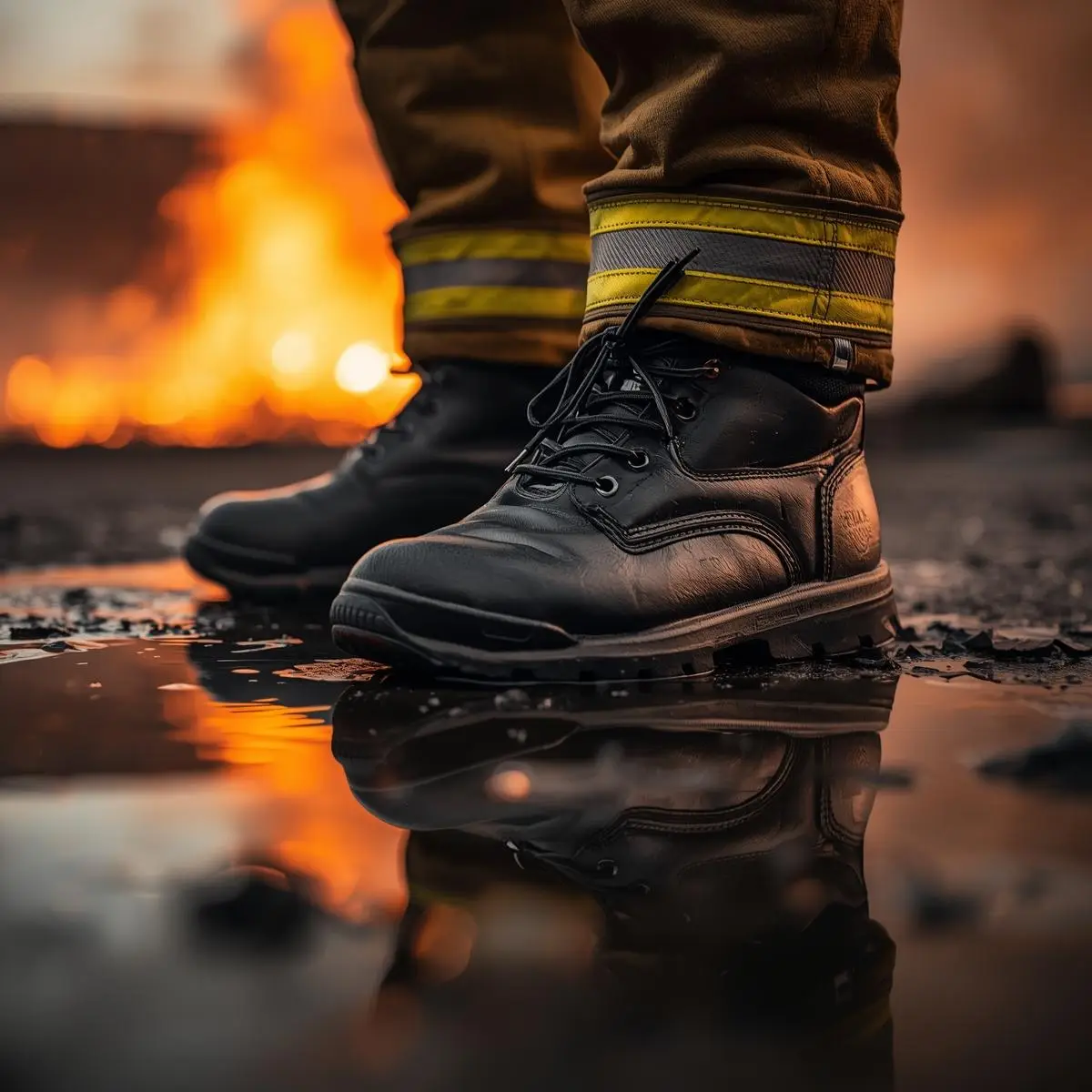
Firefighter boot debates get personal fast. One firefighter wants the lightest leather boot they can find. Another will not give up the rubber boot that has survived ten years of ugly calls. A wildland firefighter cares less about pull-on speed and more about whether the boot still feels stable six miles into a hot, uneven line. None of them are wrong. The best firefighter boot is not one universal model. It is the boot that matches the job, fits your foot, and carries the right certification for the work you are actually doing.
This guide looks at the main boot categories firefighters shop in 2025: structural, wildland, station, and extrication or technical rescue. The point is not to crown a single winner for every department. The point is to help you avoid the expensive mistake: buying a boot that feels good in the store but does not match your assignment, your department spec, or the way your feet behave after twelve hours on shift.
Quick Picks by Assignment
| Use case | What to prioritize | Good fit for |
|---|---|---|
| Interior structural firefighting | NFPA structural certification, heat and flame resistance, puncture protection, ladder shank, liquid resistance | Engine and truck companies, interior attack, overhaul |
| Busy urban structural work | Lower fatigue, ankle support, faster donning, traction on wet surfaces | Departments running frequent fires, alarms, EMS assists, and mixed calls |
| Wildland and WUI work | Hiking stability, lace-up support, outsole grip, breathability, rebuildability where available | Brush crews, WUI response, long-duration outdoor operations |
| Extrication and rescue | Cut and puncture resistance, flexibility, lighter weight, toe protection | Vehicle rescue, USAR support, technical rescue, non-fire emergencies |
| Station and daily duty | All-day comfort, easy on/off, polishability, slip resistance | Daily wear when structural PPE is not required |
1. Globe Supreme Structural Boots
Globe Supreme-style leather structural boots make sense for firefighters who want a more athletic feel than traditional rubber bunker boots without giving up structural protection. The appeal is simple: less clunky movement, better flex when climbing or kneeling, and less leg fatigue during long incidents. That matters most on companies that spend a lot of time moving: stairs, roofs, overhaul, ladder work, and long stretches of standing on hard surfaces.
The tradeoff is cost and fit sensitivity. Leather structural boots usually reward careful sizing. A sloppy fit can rub the heel, crowd the toes, or feel loose once the liner packs in. If your department allows multiple boot models, try them on with the socks you actually wear on shift. Walk stairs if the dealer allows it. A boot that feels fine on a showroom floor can feel very different once your foot swells near the end of a tour.
2. HAIX Fire Eagle Air
The HAIX Fire Eagle Air is a strong choice for firefighters who want a structural boot with a snug, athletic feel. HAIX lists the Fire Eagle Air as a 14-inch slip-on structural fire boot with a composite toe, CROSSTECH inner liner, steel puncture protection, electrical hazard rating, and certifications including NFPA 1971 and NFPA 1990 (1992). The model also leans heavily into comfort features: climate system ventilation, removable cushioned insoles, ankle flex zones, and a built-in boot jack.
That combination makes it attractive for firefighters who dislike the dead, boxy feel of older bunker boots. The snug fit can be a plus on stairs and ladders, but it also means sizing matters. If you have a high instep or a very wide foot, do not assume your normal work boot size will translate cleanly. Try the exact width and size range before buying when possible.
3. Fire-Dex FDXL200 and FDXR100
Fire-Dex is worth looking at because the company separates boot choices by job instead of pretending one boot does everything. Its FDXL200 is positioned as a leather structural firefighting boot focused on slip resistance, flame resistance, liquid and bacterial protection, comfort, and durability. The FDXR100 is the more traditional rubber structural option: waterproof, insulated, steel-toe, and generally more economical.
That split is useful. A leather structural boot is often the nicer long-shift boot. A rubber structural boot can still be the practical pick for departments that want easy cleaning, simpler sizing, and lower replacement cost. Neither is automatically better. Leather usually wins on movement and fatigue. Rubber often wins on budget, wash-down simplicity, and old-school durability.
4. Thorogood Hellfire Series
Thorogood's Hellfire line belongs in the conversation for firefighters who like a straightforward American firehouse boot: rugged, familiar, and built around duty use rather than a sneaker-like feel. It is the kind of boot firefighters consider when they want something that feels substantial under turnout pants and does not make them baby the gear.
The main thing to check is the exact model and certification. Product names can cover more than one configuration over time, and departments may approve one version but not another. Before buying, match the boot label and spec sheet against your department's PPE policy. That step matters more than any online ranking.
5. Danner Wildland Tactical
Wildland boots are a different animal. A structural boot is built around heat, flame, liquid, and impact protection for interior firefighting. A wildland boot is built around miles: sidehill stability, ankle support, outsole bite, and how your feet feel after walking through ash, rock, brush, and heat for hours. Danner's wildland tactical line is a common comparison point for firefighters who want a lighter lace-up boot for brush or WUI work.
Do not use a wildland boot as a substitute for a structural boot unless your department and the certification label explicitly allow it for that operation. The same warning goes the other way: structural boots are usually miserable for long wildland movement. If your department runs both structure fires and brush assignments, you may need two different boots, not one compromise that is mediocre at both.
What Actually Matters When Buying
Fit beats brand loyalty. A great boot in the wrong width is a bad boot. Watch for heel lift, toe crowding, pressure across the instep, and ankle rub. Your toes should have room when descending stairs or slopes, but the boot should not let your heel swim.
Certification beats marketing copy. Look for the actual label and standard. Structural firefighting, wildland firefighting, EMS, station, and rescue boots are not interchangeable just because they all look heavy-duty.
Weight matters, but only after protection. A lighter boot can reduce fatigue, especially on busy companies. But chasing weight alone is a mistake if the boot gives up the protection required for the assignment.
Traction is not optional. Firegrounds are wet, oily, icy, muddy, and full of debris. A boot that feels comfortable but skates on wet apparatus floors or smooth concrete is not worth it.
Break-In and Care
Leather structural boots often need a break-in period. Wear them around the station before trusting them on a long shift. Use the socks you normally wear. If a hot spot appears in the first hour, do not ignore it; that spot can become a blister during overhaul or a long alarm. Rubber boots usually feel more consistent out of the box, but they can still rub at the shin or heel if the sizing is off.
Cleaning matters too. Brush off debris, rinse contaminants according to department policy, and let boots air dry away from direct heat. Forced heat can damage leather, liners, adhesives, and shape. Inspect soles, toe caps, pull loops, seams, and liners regularly. A boot can look fine from across the bay and still have a damaged liner or separation that makes it unfit for fireground use.
Bottom Line
If you are buying one pair for structural firefighting, start with certification and fit. Then compare weight, traction, donning speed, and how the boot feels on stairs. If you work wildland or WUI assignments, do not force a structural boot into a hiking job. If you need station footwear, do not overbuy a heavy fire boot for daily walking. The best firefighter boot is the one you stop thinking about once the call starts.


Comments 0
No comments yet. Be the first to share your thoughts!
Leave a Comment