
A vehicle fire is dangerous in any setting, but when it happens at a gas station, the risk level changes immediately. Firefighters are not only dealing with a burning vehicle. They must also consider nearby fuel pumps, underground storage systems, vapor hazards, traffic, civilians, and the possibility of the fire spreading to the station canopy or surrounding vehicles.
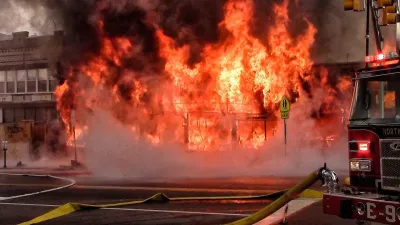
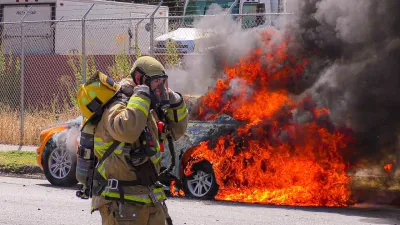
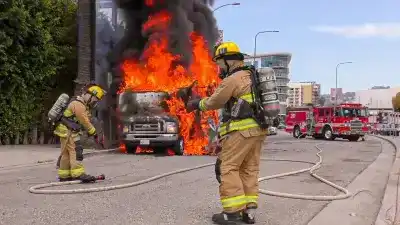
In this LAFD response, crews arrive to an auto fire at a gas station and begin working quickly to control the scene. The first priority is to protect life, create a safe operating area, and stop the fire before it can extend to nearby fuel equipment or exposures.
Incidents like this require a disciplined approach. A fast attack is important, but firefighters also have to slow the situation down enough to identify the hazards around them.
Initial Size-Up
The first few moments of a gas station vehicle fire are critical. Crews must determine where the vehicle is burning, how close it is to fuel pumps, whether people are still nearby, and whether the fire is threatening the canopy, nearby cars, or the store building.
A gas station environment adds several layers of concern. Fuel vapors, spilled gasoline, pressurized components, electrical systems, and moving traffic can all increase the danger. Even if the fire appears limited to one vehicle, firefighters must treat the surrounding area as a potential hazard zone until conditions are under control.
The incident commander must also decide where to position apparatus. Engines should be close enough for an effective hose stretch, but not so close that crews or equipment are exposed to unnecessary heat, smoke, or fuel-related hazards.
Protecting Civilians and Securing the Area
Evacuation and scene control are major parts of the response. Customers, employees, drivers, and bystanders may not realize how quickly a small vehicle fire can become a larger emergency at a gas station.
Firefighters and supporting agencies may move people away from the pumps, clear nearby vehicles, shut down traffic movement through the station, and create a safe perimeter. If the fire is close to the store, canopy, or fuel island, crews may expand the evacuation area until the threat is reduced.
Keeping civilians out of the hazard zone allows firefighters to work faster and safer. It also reduces the chance of injuries from smoke, heat, flying debris, or a sudden change in fire conditions.
Fire Attack Strategy
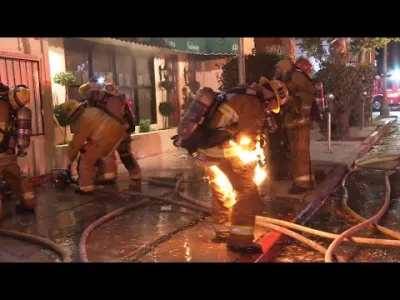
Once crews confirm the immediate life safety concerns, they can focus on knocking down the fire. Hose lines are stretched into position, water supply is secured, and firefighters begin cooling the burning vehicle and nearby exposures.
At a gas station, exposure protection is just as important as extinguishment. Crews may direct water toward the vehicle while also cooling nearby pumps, columns, the canopy area, or other vehicles if they are being affected by heat. The goal is to stop the fire from spreading beyond the original vehicle.
Firefighters must also watch for fuel involvement. Burning gasoline, leaking fluids, ruptured tires, battery hazards, and vehicle components can make the fire unpredictable. Crews may use water, foam, or other tactics depending on the conditions and department procedures.
Why Gas Station Fires Are High-Risk
Gas station auto fires are challenging because the setting leaves very little room for error. A vehicle can burn intensely within minutes, and the surrounding area may contain fuel, vapors, electrical equipment, and civilians moving in different directions.
The fire can also create heavy smoke that reduces visibility and affects nearby traffic. If the vehicle is parked close to a pump or under the canopy, radiant heat can quickly damage equipment or extend the fire upward.
This is why firefighters treat these incidents with caution from the beginning. The visible flames are only one part of the problem. The bigger concern is what the fire can reach next.
Overhaul and Final Safety Checks
After the main body of fire is knocked down, crews continue checking for hidden fire and remaining hazards. Vehicle compartments, the engine area, tires, interior materials, and surrounding surfaces may still hold heat.
Firefighters also look for fuel leaks, damaged equipment, unstable vehicle parts, and any signs that the fire could rekindle. If fuel pumps or electrical systems were exposed to heat, additional inspection or utility support may be needed before the area can return to normal.
This final stage is important because a gas station fire scene can remain hazardous even after the flames are gone.
Final Takeaway
This LAFD gas station auto fire response shows how quickly a routine vehicle fire can become a high-risk incident when fuel pumps and civilians are nearby. Successful operations depend on fast size-up, strong scene control, careful apparatus placement, reliable water supply, and constant attention to exposure protection.
For firefighters, gas station vehicle fires are a reminder that location matters. The same burning car can require a very different strategy when it is parked near fuel, traffic, and people.


Comments 0
No comments yet. Be the first to share your thoughts on this video!
Leave a Comment