Hazmat Operations vs Technician: What Firefighters Really Do During Hazardous Materials Incidents
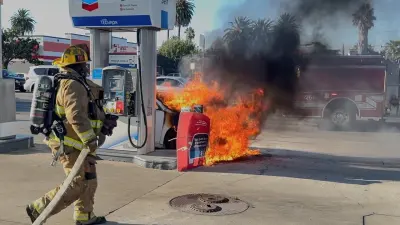
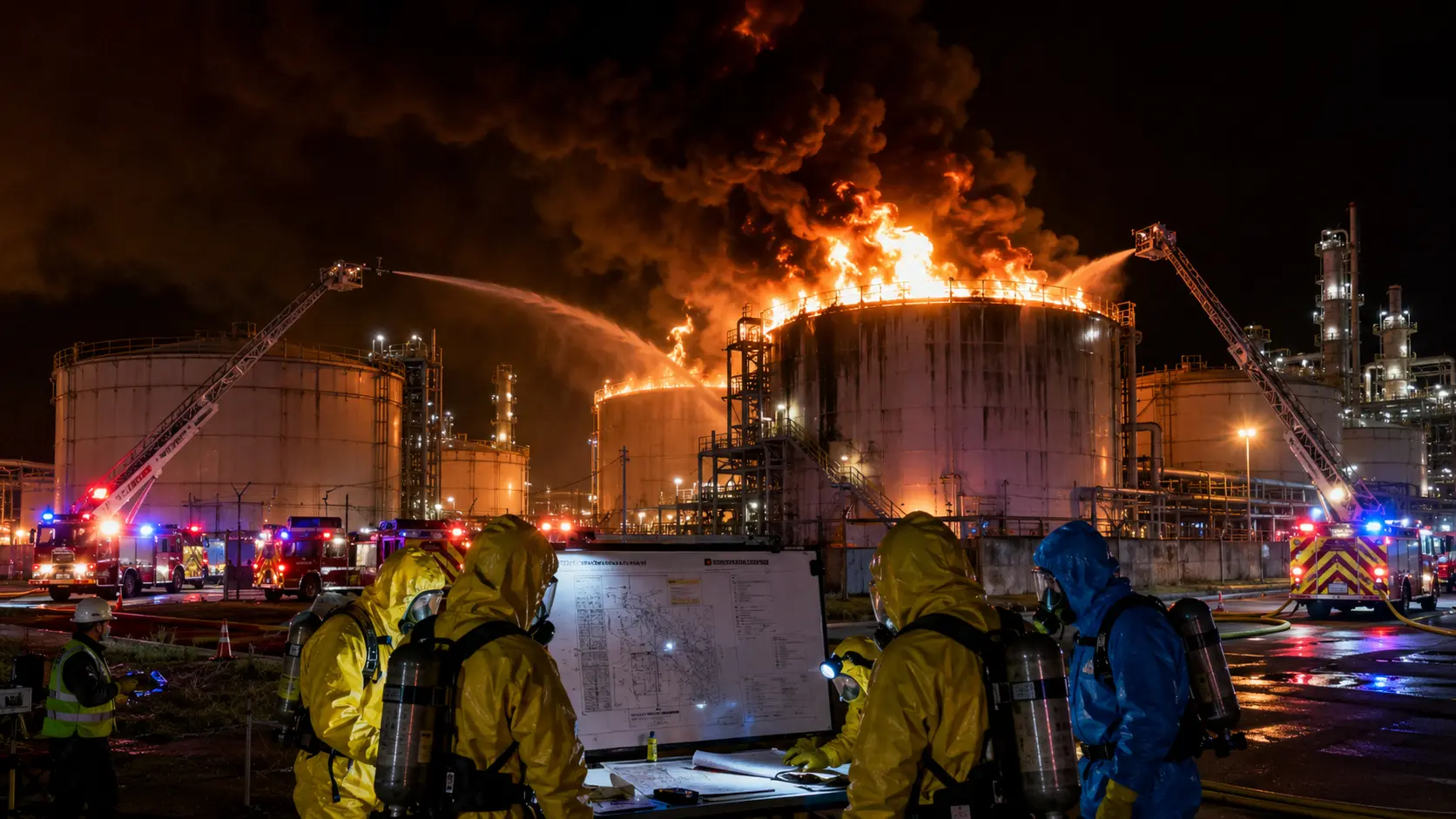
Hazardous materials incidents are among the most unpredictable and high-risk emergencies firefighters face. These calls involve chemicals, gases, biological agents, radioactive materials, industrial products, and unknown substances that may cause fire, explosion, environmental damage, or serious health effects. Firefighters must approach these scenes differently from typical fire responses. Unlike structure fires, where the goal is to attack, control, and extinguish, hazmat incidents require isolation, identification, risk assessment, and controlled mitigation.
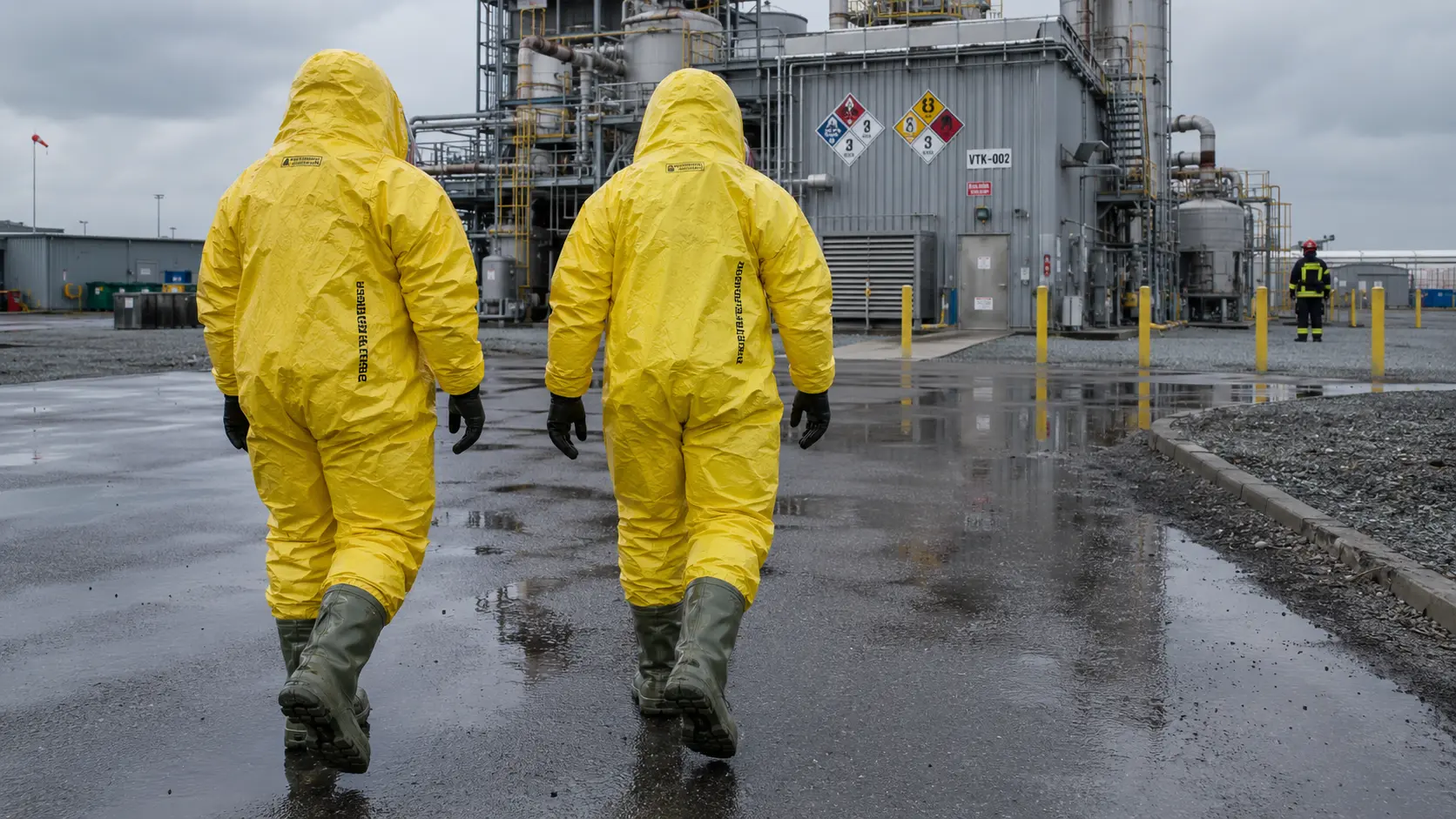
During material identification, distinguish facility signs from transportation markings. Our NFPA 704 diamond guide explains the four quadrants and their limits: a hazard number alone does not select PPE or an incident tactic.
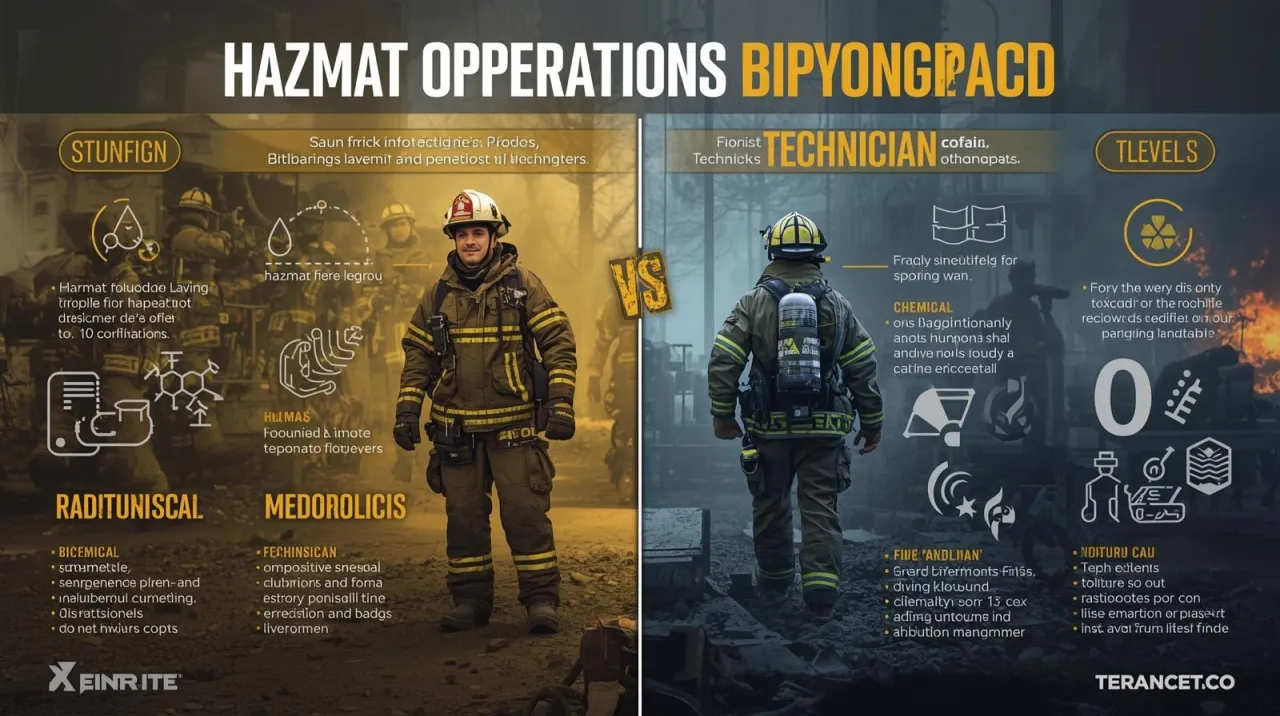
In the fire service, there are two major levels of hazmat qualification defined by NFPA standards: Operations Level and Technician Level. Both are essential, but each plays a different role on scene. Understanding these roles helps explain why hazmat responses appear slow, methodical, and heavily regulated compared to other emergencies.
What Is a Hazmat Incident?
A hazmat incident occurs anytime a substance poses a risk to life, property, or the environment. Common scenarios include:
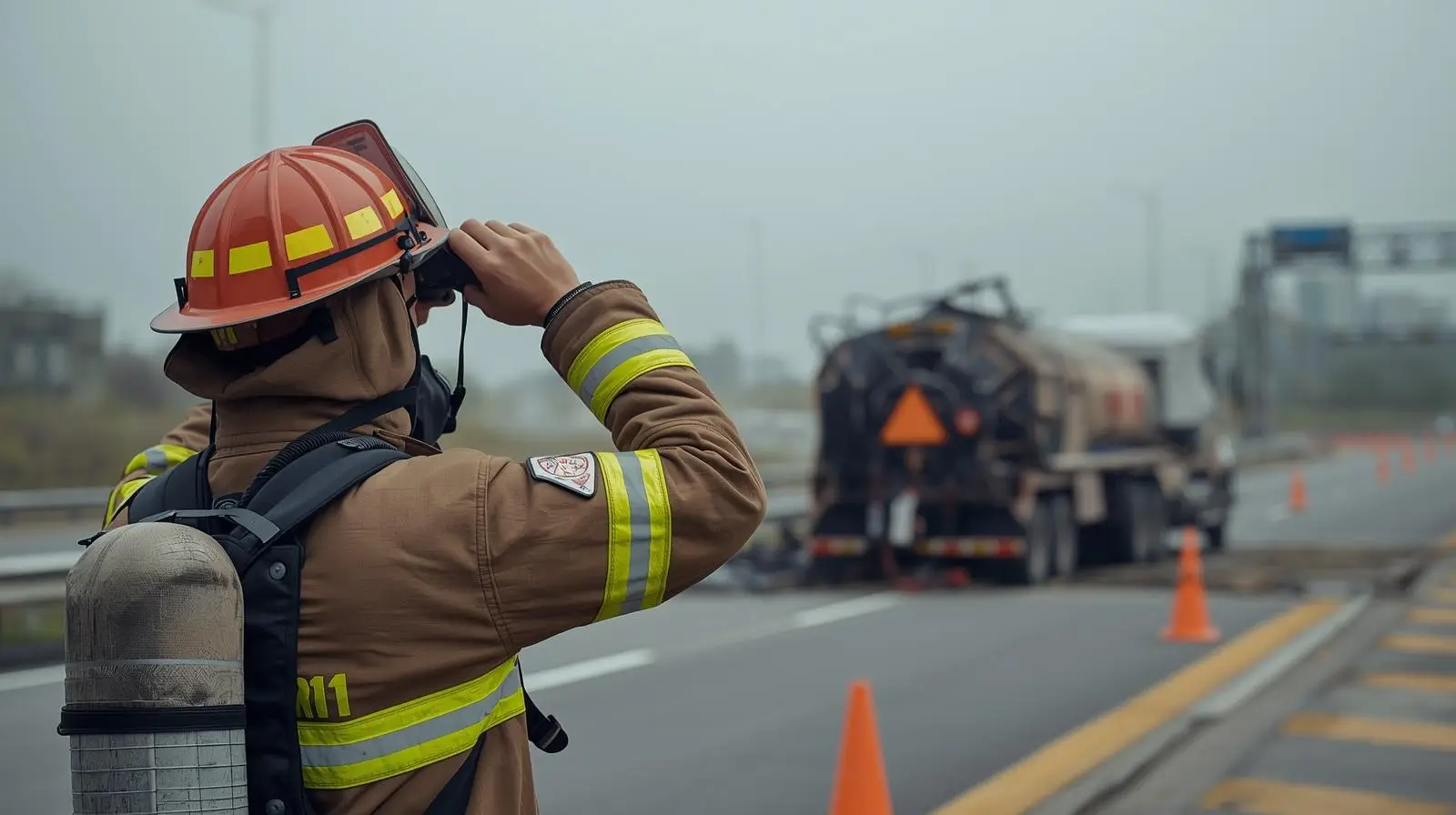
- Tanker truck rollover with chemical leaks
- Train derailments carrying hazardous commodities
- Industrial facility chemical reactions
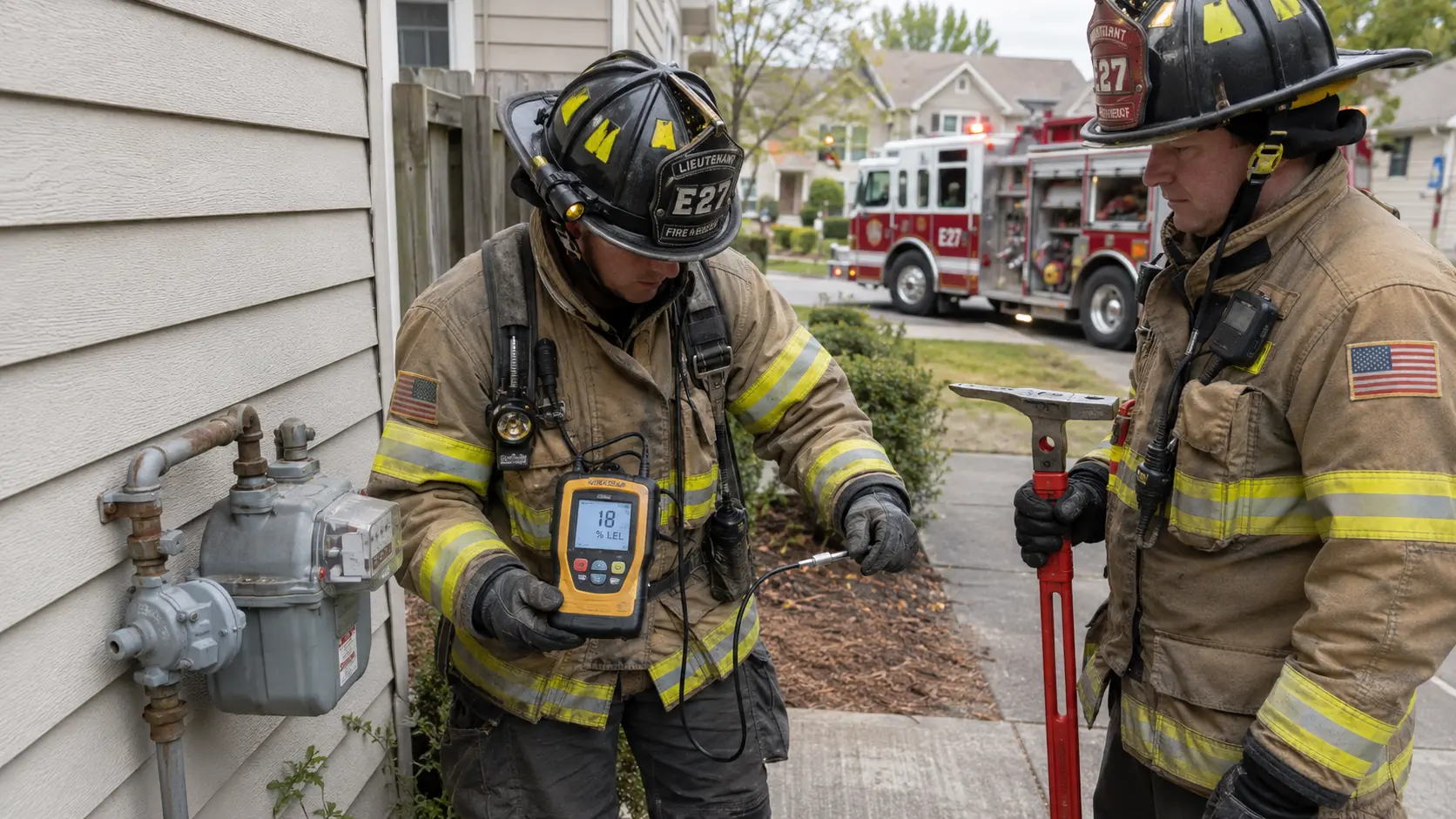
- Gas line ruptures
- Pesticide, fuel, or solvent spills
- Warehouse storage fires involving unknown chemicals
- CBRN (Chemical, Biological, Radiological, Nuclear) threats
These incidents may not involve visible fire, but the hazards can be far more dangerous than flames. Toxic inhalation hazards, explosive vapors, oxidizers, and corrosives can harm firefighters long before they even approach the scene.
Hazmat Operations Level: The Foundation of Hazmat Response
Every firefighter trained to NFPA Operations Level is taught to take defensive actions. Their primary goal is to protect life, isolate the area, deny entry, and prevent the situation from worsening until hazmat technicians arrive.
Key responsibilities of Operations Level firefighters include:
- Recognizing hazmat presence through placards, container shapes, and symptoms
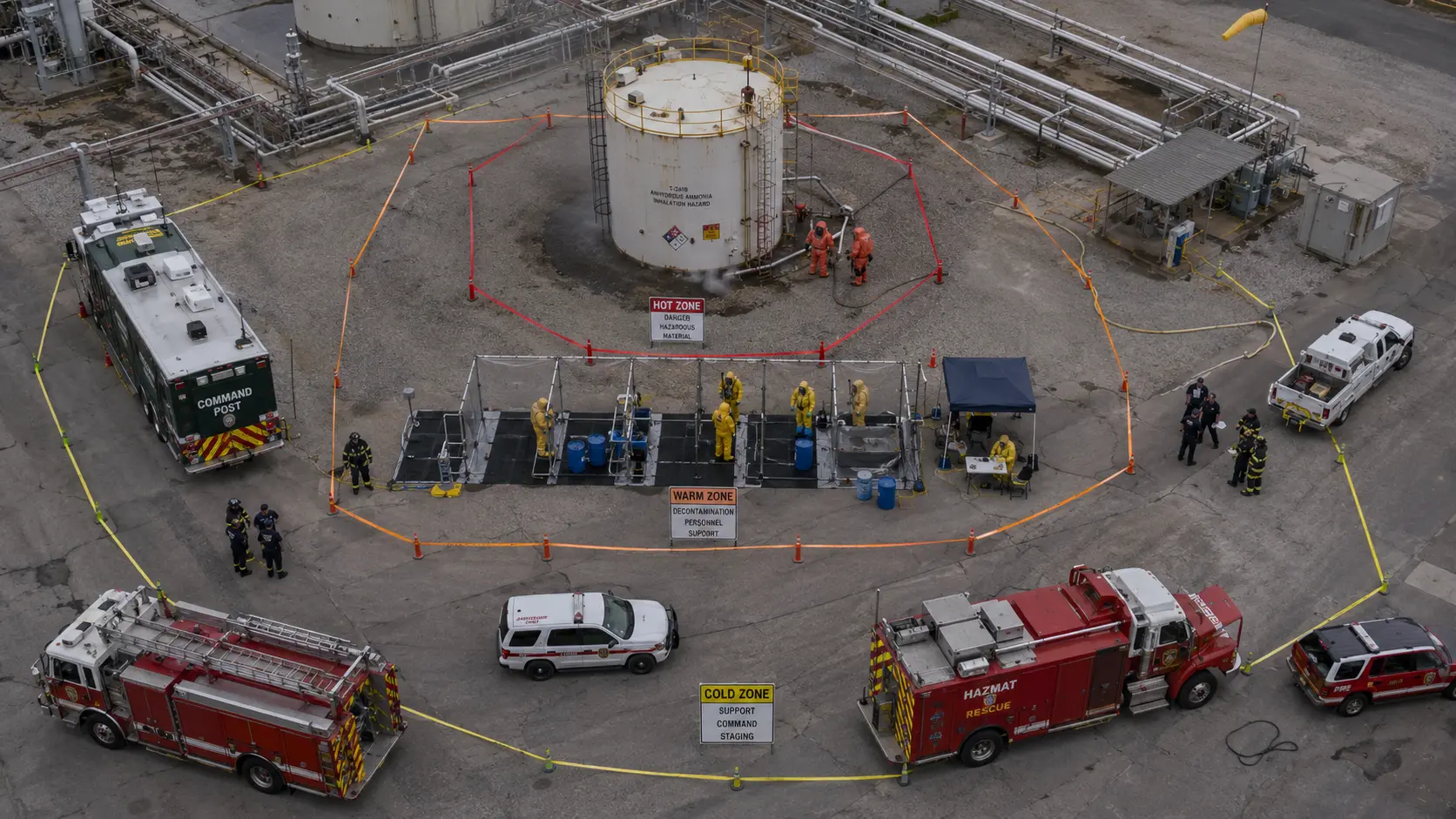
- Establishing isolation zones and scene control
- Upwind, uphill, upstream positioning for personnel and apparatus
- Evacuation or shelter-in-place decisions with command
- Performing basic air monitoring
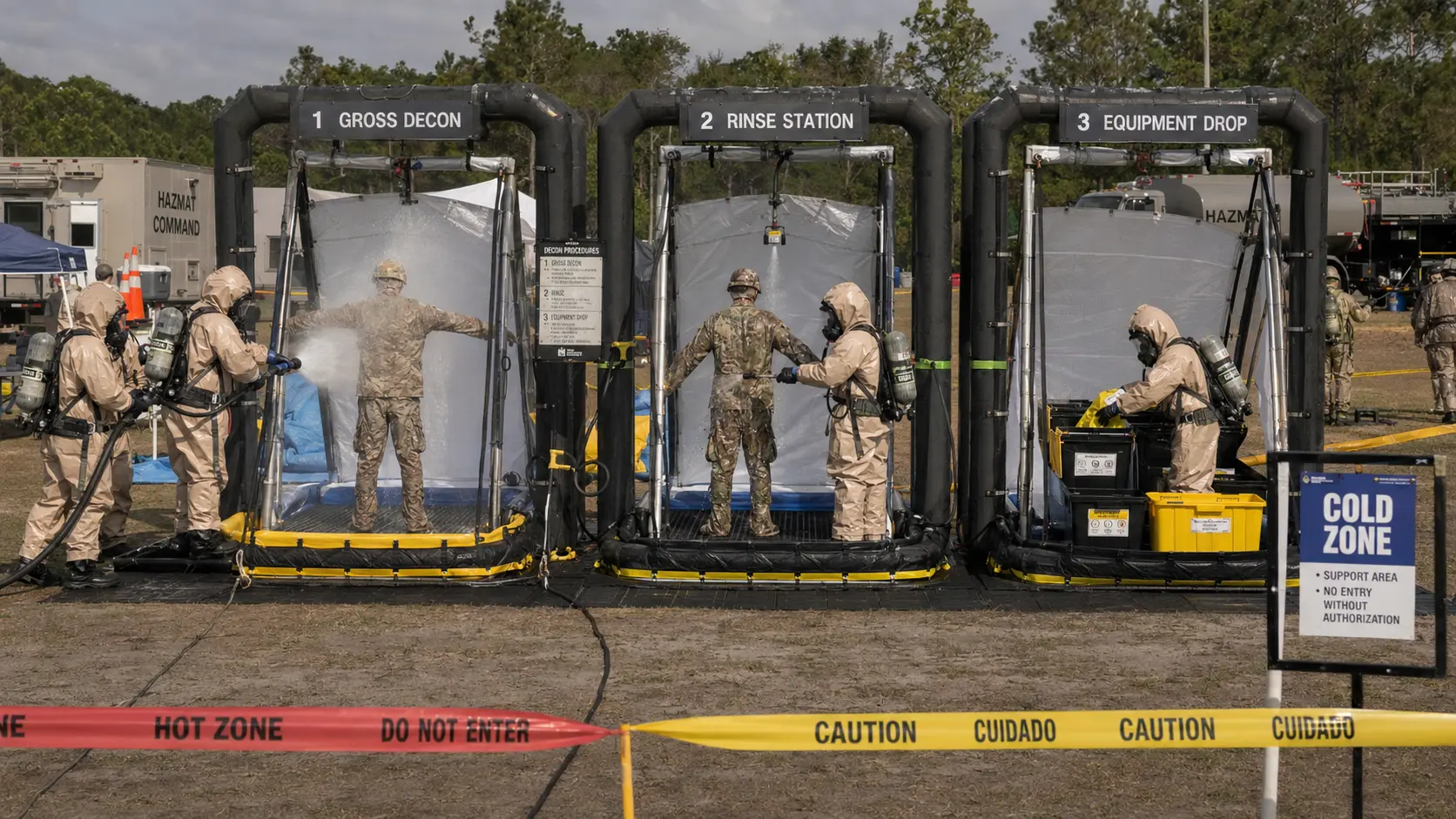
- Setting up decontamination corridors
- Using defensive control measures such as dams, dikes, or vapor suppression
Operations-level firefighters do not enter hot zones to stop the release. Their job is to stabilize the scene and keep everyone safe until advanced resources arrive. In many departments, they make up the majority of personnel on hazmat scenes.
The Hazmat Technician: The Problem Solver on Scene
Hazmat Technicians are the specialists trained to perform offensive actions. They handle the actual mitigation of the hazardous substance. A Technician will:
- Identify the chemical using meters, monitors, and databases
- Perform recon inside the hot zone
- Repair leaks on containers
- Operate in Level A or Level B protective suits
- Stop the release using patches, plugs, valves, or product transfer
- Handle complex chemistry and advanced risk assessments
- Coordinate with environmental or industrial safety teams
Technicians enter environments where the concentration of toxic gas could be lethal within seconds. Their suits protect them, but they also limit mobility, reduce visibility, and create heat stress. Everything must be planned, timed, and monitored.
Hazmat PPE: Understanding Levels A, B, C, and D
Hazmat PPE comes in four levels, each designed for different risks.
Level A – Maximum Protection
- Fully encapsulated suits
- SCBA inside the suit
- Used for unknown or highly toxic chemicals
Technicians wearing Level A look like astronauts—and for good reason.
Level B – High Protection (SCBA Outside)
- Used for known chemicals and vapor protection
- More mobility than Level A
Level C – Air-Purifying Respirators
This is commonly used during sampling, decon, or low-level contamination.
Level D – Structural Firefighting Gear
This offers no chemical protection but is sometimes worn during perimeter operations when no direct hazmat exposure is expected.
Incident Command: Why Hazmat Scenes Look Slow
Hazmat incidents demand a strict command structure because rushing can cause catastrophic outcomes. Firefighters must:
- Determine product identity
- Analyze weather impact on vapors
- Use plume modeling to predict spread
- Set up control zones (hot, warm, cold)
- Plan entry times and decon procedures
Every step requires precision. A wrong decision can lead to explosions, toxic exposures, or environmental disasters.
Decontamination: Protecting Firefighters and Civilians
No hazmat incident ends without decon. Firefighters must remove contaminants from tools, suits, and even skin surfaces. Decon lines may include:
- Water rinse stations
- Absorbent pads
- Brush and scrub areas
- PH-neutral soap
- Tarp-lined runoff control
Without proper decontamination, firefighters can unknowingly carry toxins back to the station or expose other responders.
CBRN Hazards: A Growing Concern
Hazmat teams today train not just for industrial chemicals but also for deliberate threats such as:
- Poisonous gas releases
- Biological agents
- Dirty bombs or radiation exposure
- Illicit drug manufacturing (fentanyl, meth labs)
These scenarios require multi-agency coordination with law enforcement, public health, and environmental authorities.
Real Hazmat Challenges Firefighters Face
Hazmat scenes are not glamorous. They involve long hours, uncomfortable suits, and constant risk. Firefighters frequently deal with:
- Heat stress inside suits
- Fatigue from extended operations
- Communication difficulties through PPE
- Limited dexterity
- Unknown chemical reactions
But every entry, every reading, and every decision—no matter how slow—protects countless civilians.
Conclusion
Hazmat Operations and Technician-level firefighters play different but equally vital roles in hazardous materials response. Operations members secure the scene, establish zones, control exposure, and support the overall operation. Technicians perform offensive actions that stop the release and mitigate the problem. Together, they form a unified team capable of handling everything from small fuel spills to major industrial disasters.
Hazmat response demands discipline, knowledge, and absolute respect for the risks involved. Firefighters train relentlessly because in hazmat incidents, the environment is the enemy—and understanding that environment saves lives.
Comments 0
No comments yet. Be the first to share your thoughts!
Leave a Comment