
Last updated:
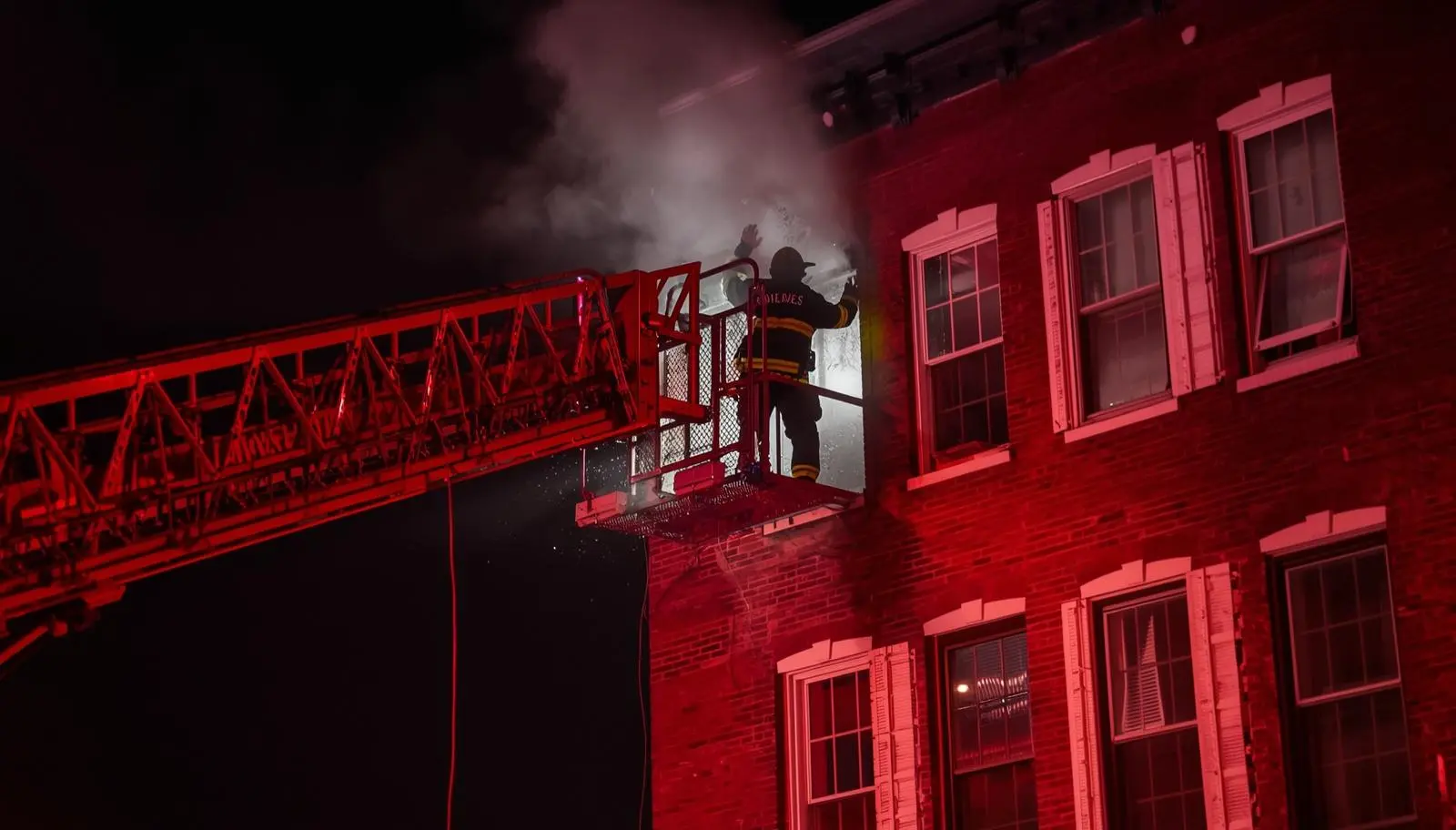
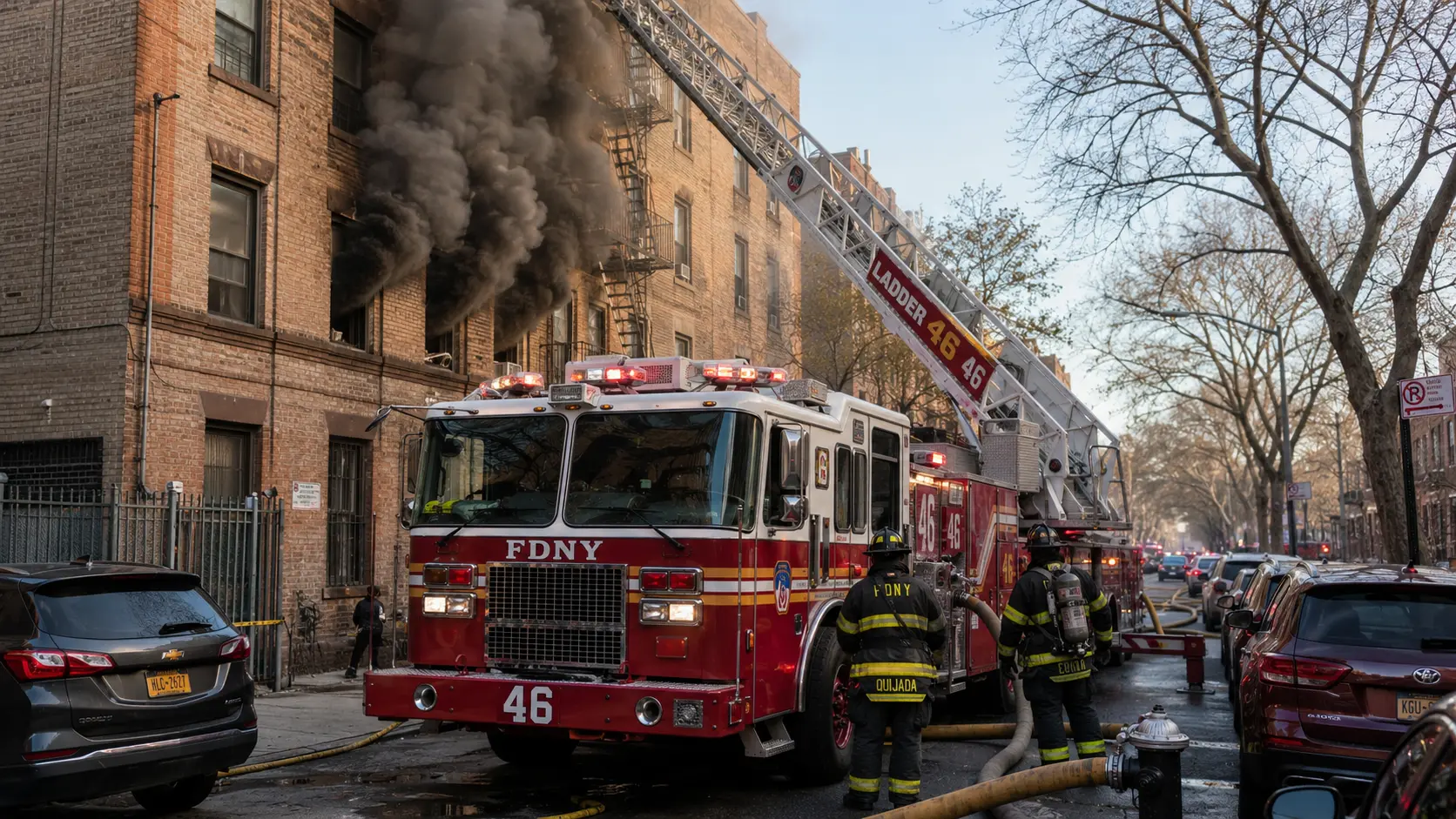
An aerial ladder does not fail a building because the calculator was off by a few feet. It usually fails because the truck was put in a spot where the aerial could not work: too close, too far, blocked by wires, boxed in by parked cars, sitting on questionable ground, or aimed at a target that was never going to be reachable after the outriggers came out.
The Aerial Ladder Reach Calculator is useful because it forces that conversation before the incident. It lets a company officer, driver, or preplan team test a target height, setback, base offset, and ladder length without pretending the number is the whole answer. The number is only a starting point. The real decision is whether the apparatus can set up safely and still put the tip, platform, or ladder section where the operation needs it.
Open Aerial Reach CalculatorApparatus and Ladder PillarTanker Shuttle Calculator
Safety line: calculator output never overrides the apparatus load chart, manufacturer instructions, outrigger requirements, department SOP/SOG, overhead hazard rules, or the incident officer's decision. Use this guide for preplanning and training.
What Reach Actually Means
Reach is not just ladder length. A 100-foot aerial is not a 100-foot promise. Actual working reach depends on height, horizontal distance, elevation angle, base position, turntable location, platform or ladder configuration, and the operating limits of that specific apparatus. Add real streets, curbs, slopes, wires, parked cars, trees, fences, and collapse zones, and the paper number gets smaller quickly.
For planning, think in three pieces: can the aerial get high enough, can it get far enough horizontally, and can it work across enough of the building face to matter? That last piece is scrub area. A setup may reach one window and still be poor if the aerial cannot cover the fire apartment, roof edge, rescue balcony, parapet, or exposure side that matters.
Placement Before Math
The best aerial calculation starts with the parking spot. If the truck is placed late, behind engines, behind hose, or at the wrong corner, the calculator becomes a post-incident apology. Good ladder companies think about the first-arriving truck position before they think about the final angle.
On arrival, the question is not simply "front or side?" It is: what is the mission? Rescue? Roof access? Elevated master stream? Ventilation support? Exposure protection? The mission determines the target, and the target determines the setup. A rescue target on the second floor may call for a different position than a roof target over a setback, and a defensive stream may need water supply and collapse exposure considered before the aerial is committed.
| Planning question | Why it matters | What to check |
|---|---|---|
| What is the target? | Different targets need different reach and scrub. | Window, balcony, roof edge, parapet, exposure, or stream location. |
| Where is the turntable? | The ladder works from the turntable, not from the front bumper. | Actual base offset after apparatus is parked and outriggers are set. |
| Can the aerial rotate? | A one-point reach can still be operationally weak. | Scrub area, wires, trees, signs, light poles, and building projections. |
| Is the setup surface acceptable? | Ground and slope affect stability and allowable operation. | Soil, asphalt condition, vaults, curbs, ice, drainage, and outrigger pads. |
How To Use The Calculator
Use the calculator as a quick geometry check. Enter the ladder length or usable length, the target height, and the estimated horizontal distance from the base of the aerial to the target. Then ask whether the result makes sense when compared with the apparatus chart and the real world.
For a preplan, run more than one setup. Test the ideal front position, a side-street position, a blocked-front position, and a backup position. If one construction project, delivery truck, snow pile, or utility wire ruins the preferred setup, the second option should already be in the preplan.
For training, make the company prove the estimate. Park the apparatus, set outriggers, raise the aerial, and compare the actual workable area against what the preplan predicted. That is where firefighters learn the difference between "the ladder reaches" and "the ladder can work."
Constraints That Beat The Calculator
Some constraints are obvious from the street. Others appear only after the operator starts setting up. Either way, they have to be part of the decision.
- Overhead wires: a perfect target is useless if the aerial path crosses energized lines or unknown utilities.
- Soft or unstable ground: lawns, shoulders, vaults, culverts, poor asphalt, and saturated soil can make a spot unacceptable.
- Slope and curb position: leveling limits and outrigger placement matter before the aerial ever leaves the bed.
- Limited scrub area: a narrow reach window may not support rescue, roof work, or defensive stream movement.
- Collapse exposure: the best reach angle may place the apparatus inside a hazard area as conditions worsen.
- Water supply conflict: aerial master stream use needs supply planning, not just ladder placement.
Preplan Workflow
- Identify the likely aerial targets: roof access, rescue sides, balconies, setbacks, and defensive stream positions.
- Measure or estimate target heights and realistic horizontal distances from possible setup zones.
- Mark overhead wires, trees, poles, parked-car pinch points, grade changes, and weak surfaces.
- Run calculator scenarios for primary and secondary setup points.
- Compare the estimate with your apparatus documentation and training evolutions.
- Add notes for first-due engine placement so the truck is not blocked out.
- Review the preplan after construction, road changes, utility work, or apparatus replacement.
Field Checklist
On the incident, the checklist gets shorter. The operator and officer need a fast mental scan:
- Mission and target are clear.
- Truck can enter, set up, work, and leave if conditions change.
- Overhead hazards are identified and avoided.
- Ground and slope are acceptable for outrigger deployment.
- Collapse exposure and fire extension are considered.
- Primary and backup targets are known.
- Engines, supply lines, and other apparatus are not blocking the aerial.
That is the value of the guide: not turning ladder placement into a math contest, but making the math support better placement. Aerial work rewards companies that decide early, park deliberately, and train on their own apparatus until the limits are familiar.
Frequently Asked Questions
Can an aerial ladder reach calculator replace the manufacturer chart?
No. A calculator is only a training and preplan aid. The apparatus load chart, manufacturer instructions, department SOP/SOG, and officer judgment control real operations.
What usually causes aerial reach plans to fail?
Common causes include late apparatus placement, blocked turntable position, overhead wires, poor ground, slope, limited scrub area, parked vehicles, and choosing the wrong target window or roof edge.
What is scrub area in aerial ladder placement?
Scrub area is the part of the building face or target area the aerial can actually reach and work across from a given setup position. A setup can have enough height but still poor scrub.
Should the ladder truck take the front of the building?
Often yes for rescue or roof access, but not blindly. The best spot depends on target, collapse exposure, overhead hazards, ground, access, and whether the ladder can work after outriggers are set.
How should departments use this guide in training?
Use it during preplans, tabletop drills, and parking-lot setup practice. Compare calculator estimates against the actual apparatus chart and real setup constraints.





Comments 0
No comments yet. Be the first to share your thoughts!
Leave a Comment