Fire Overhaul: Why It Matters and How to Do It Safely
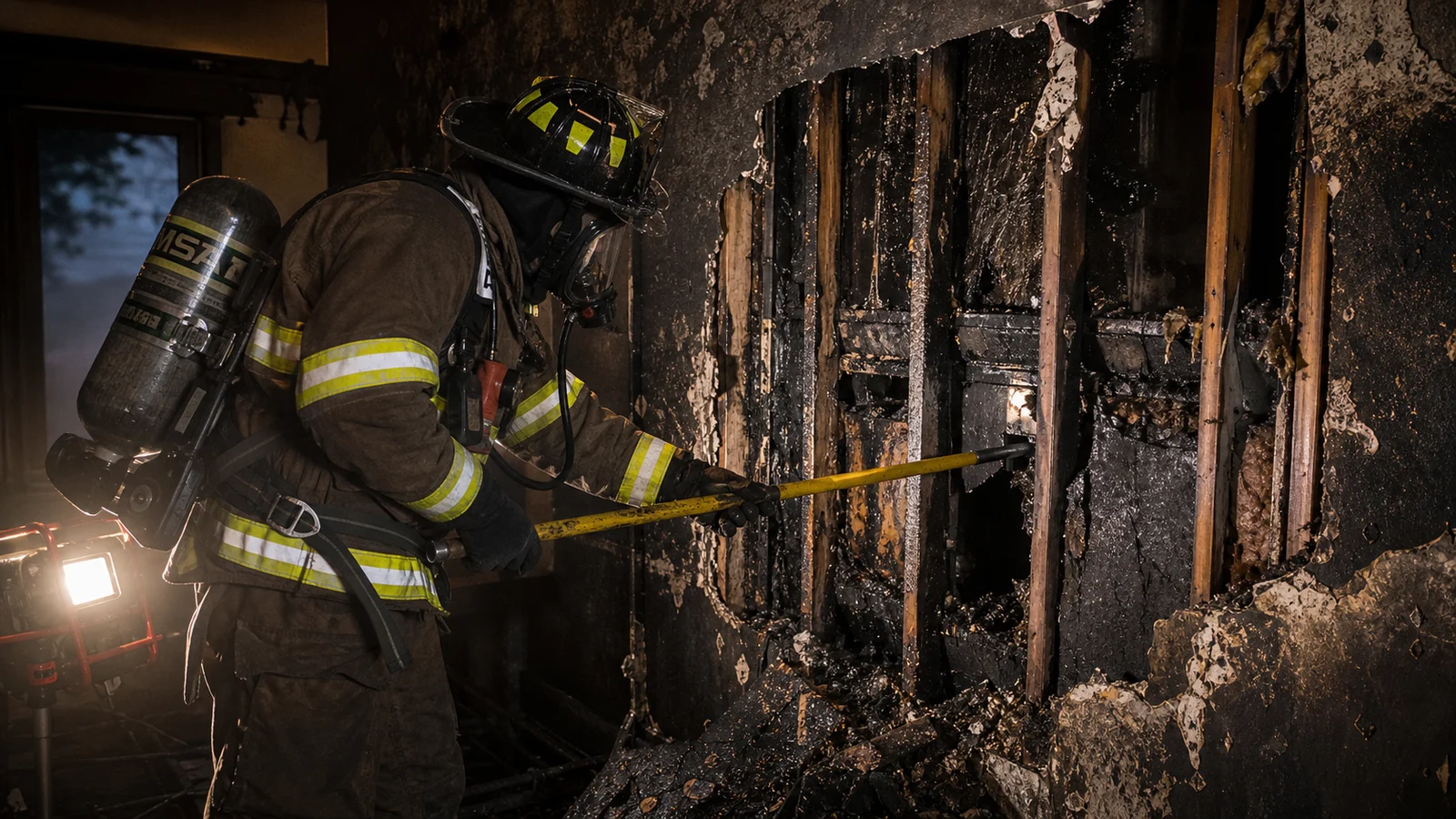
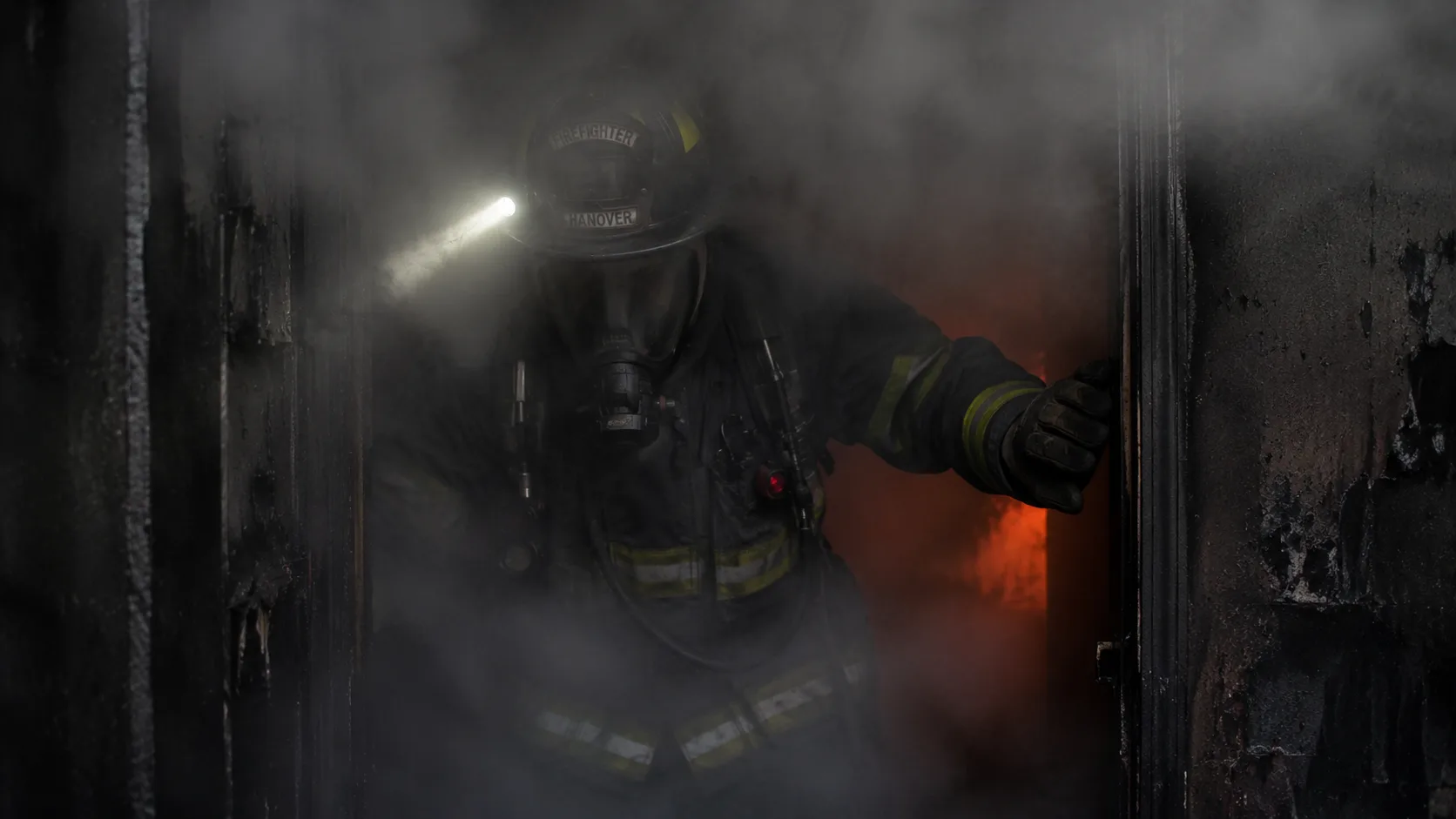
Overhaul is the phase of fireground operations in which crews systematically open walls, ceilings, and structural voids to locate and extinguish all hidden fire after apparent knockdown. It is also, according to current occupational health research, the fireground phase with the highest concentration of toxic and carcinogenic compounds in the breathing zone — because fires are out, SCBA masks come off, and the smoldering materials off-gas at their peak rate.
Jump to:Purpose of overhaul · Thermal imaging in overhaul · Opening techniques · Cancer risk and PPE · On-scene decontamination · Documentation · FAQ
The Purpose of Overhaul
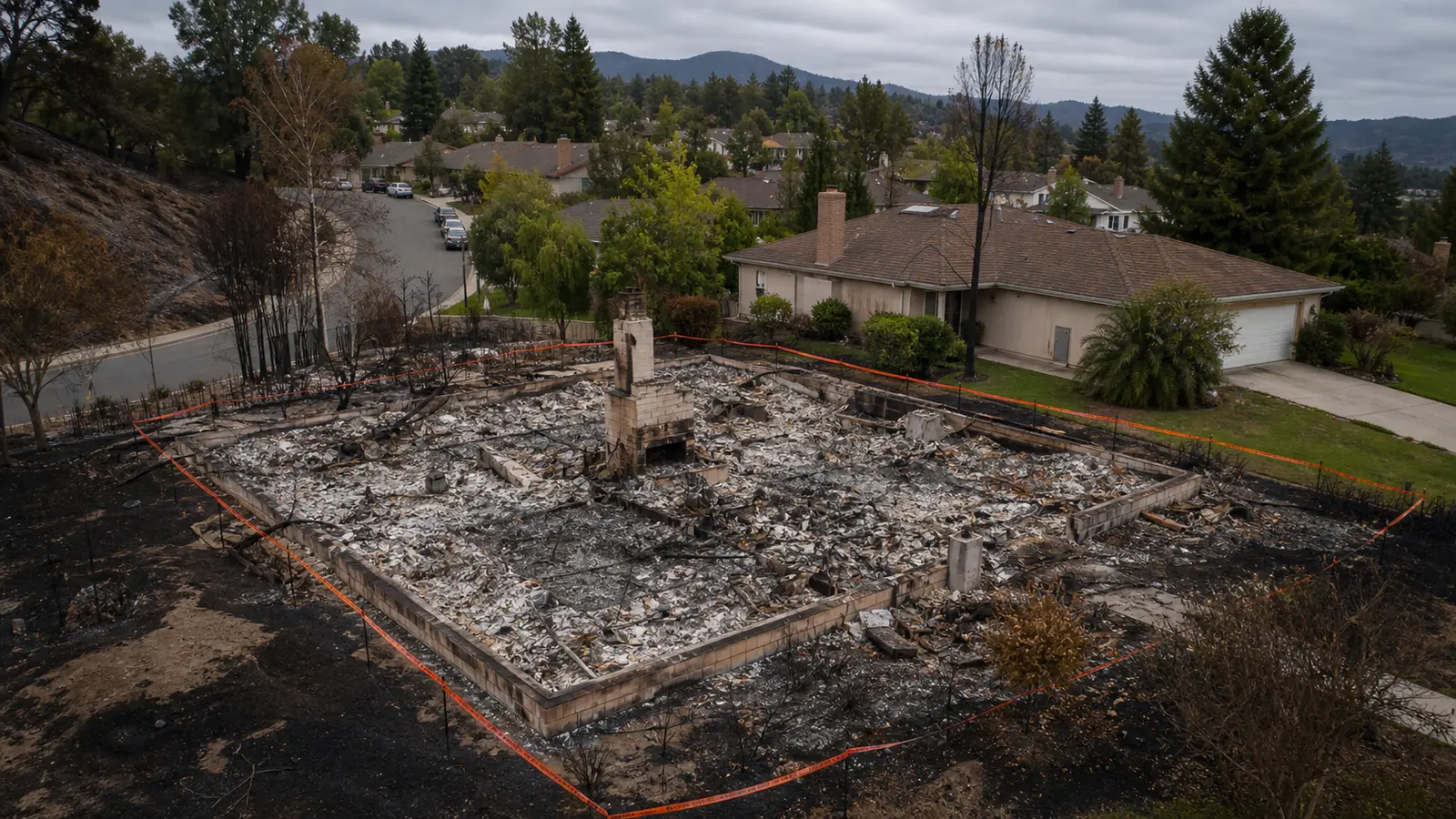
The primary goal of overhaul is straightforward: confirm complete extinguishment and eliminate any hidden fire that could reignite after crews leave the scene. A fire that rekindles hours after crews clear produces additional property damage and potential life safety risk, and is a serious professional failure. Secondary goals of overhaul include: preserving evidence for fire investigation, documenting the origin and cause area, and stabilizing hazards in the structure before it is turned back over to the owner.
The most common cause of fire rekindling after apparent extinguishment is inadequate overhaul of structural voids — wall cavities, ceiling spaces, and floor assemblies where smoldering material is shielded from visual inspection and water application.
Thermal Imaging in Overhaul
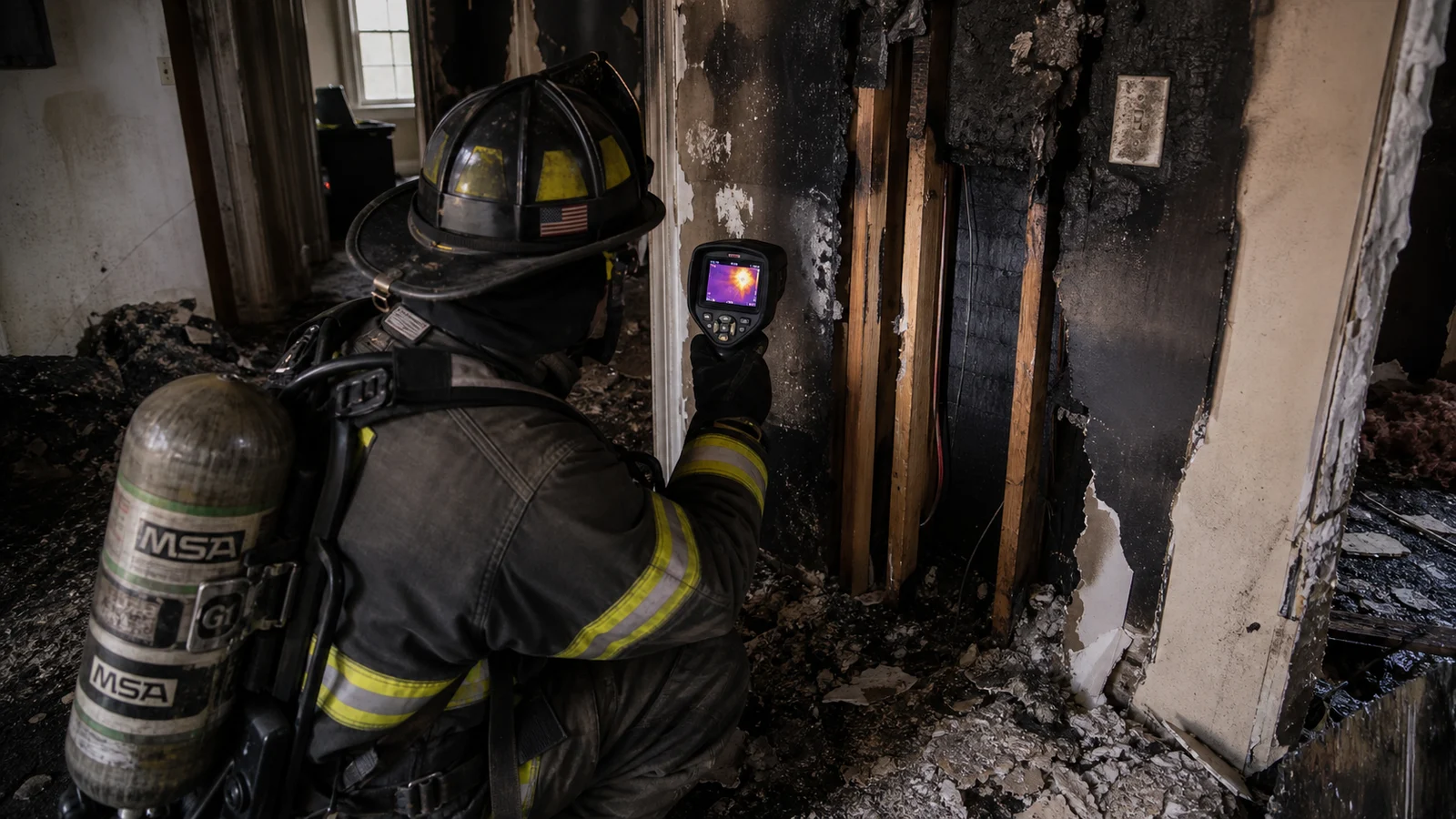
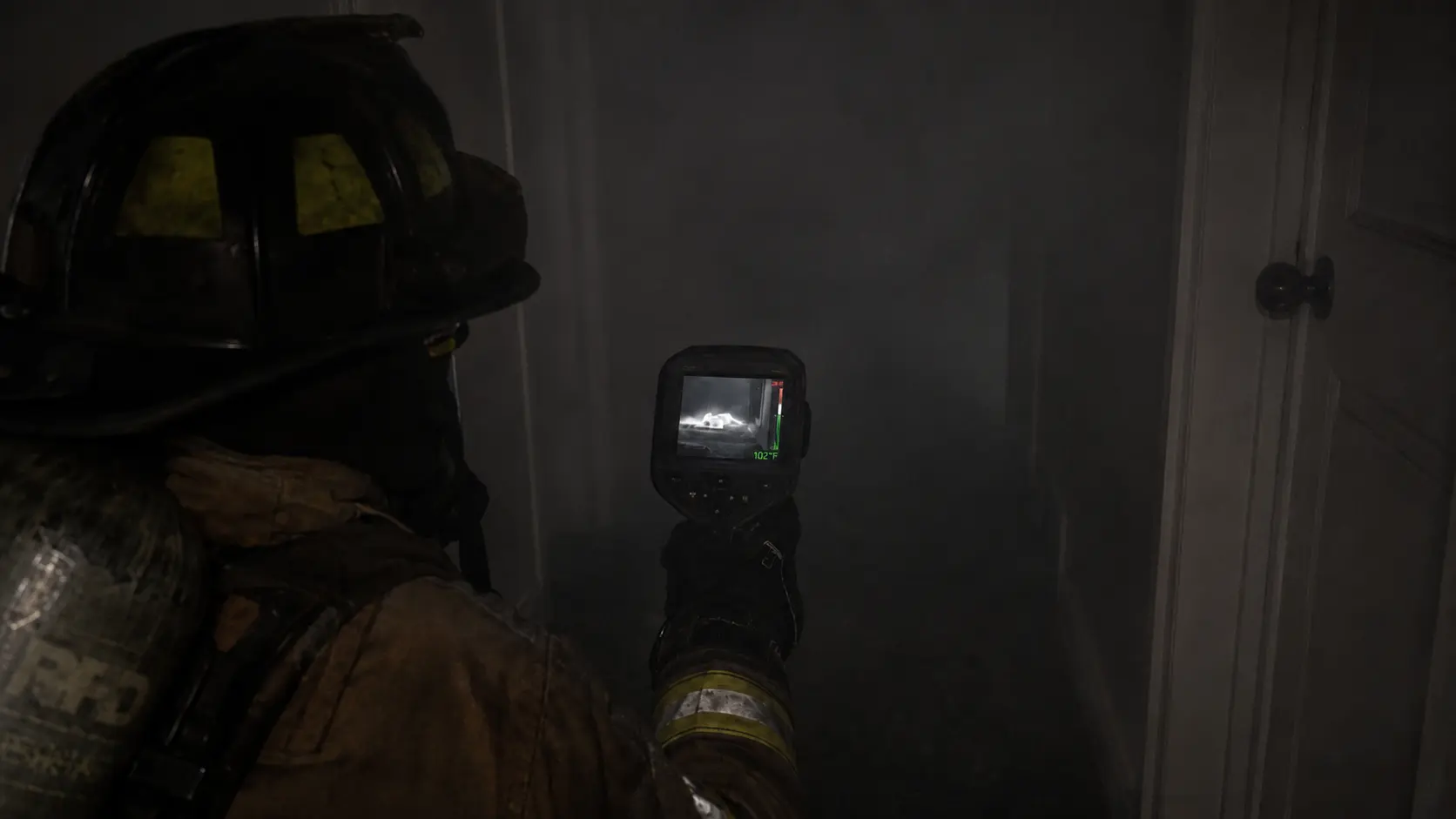
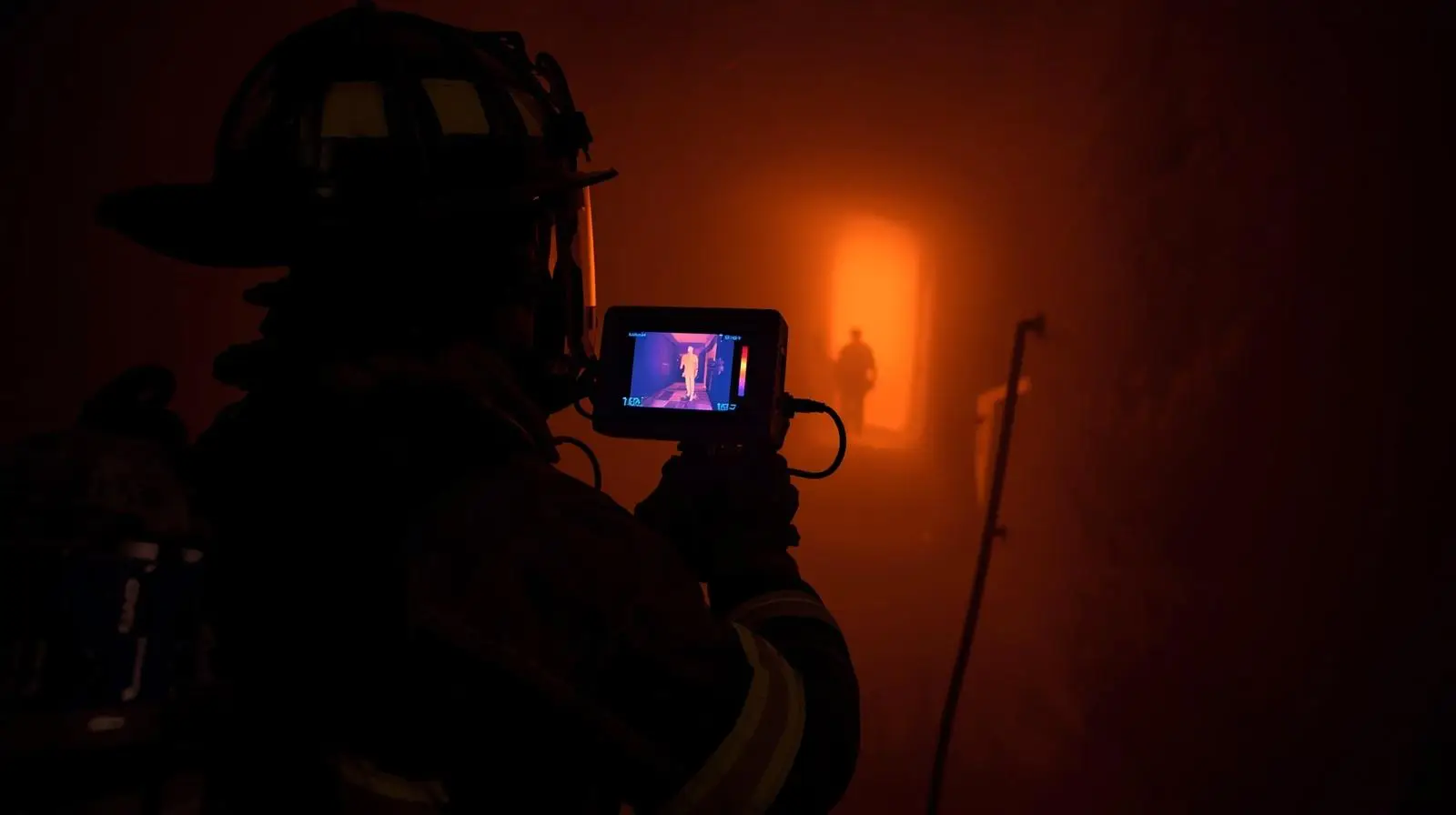
Thermal imaging cameras are the most important overhaul tool. Protocol:
- Scan every wall, ceiling, and floor surface systematically — not just the obvious fire area
- Pay special attention to areas adjacent to the main fire (fire travels in hidden voids before it becomes visible)
- Scan from floor to ceiling and follow construction pathways — wall cavities connect vertically in balloon frame construction
- Any elevated reading on TIC requires physical opening to confirm
- Rescan after water application to confirm cooling — TIC shows heat, not fire; a wet hot surface can appear similar to a dry hot surface
Opening Techniques
| Area | Tool | Technique |
|---|---|---|
| Drywall walls and ceilings | Pike pole, halligan, rotary saw | Cut or punch at stud lines; remove section to expose full cavity |
| Plaster walls/ceilings | Halligan, flat head axe | Breach carefully — plaster is heavier and falls in larger pieces |
| Wood flooring | Rotary saw, flat head axe | Cut along joist lines; avoid cutting joists |
| Insulation (blown/batt) | Pike pole | Move insulation to expose structure beneath — insulation retains heat and hides smoldering |
| Exterior siding/sheathing | Rotary saw, halligan | Open from exterior to access wall cavity without interior entry |
Cancer Risk During Overhaul: The Critical Safety Issue
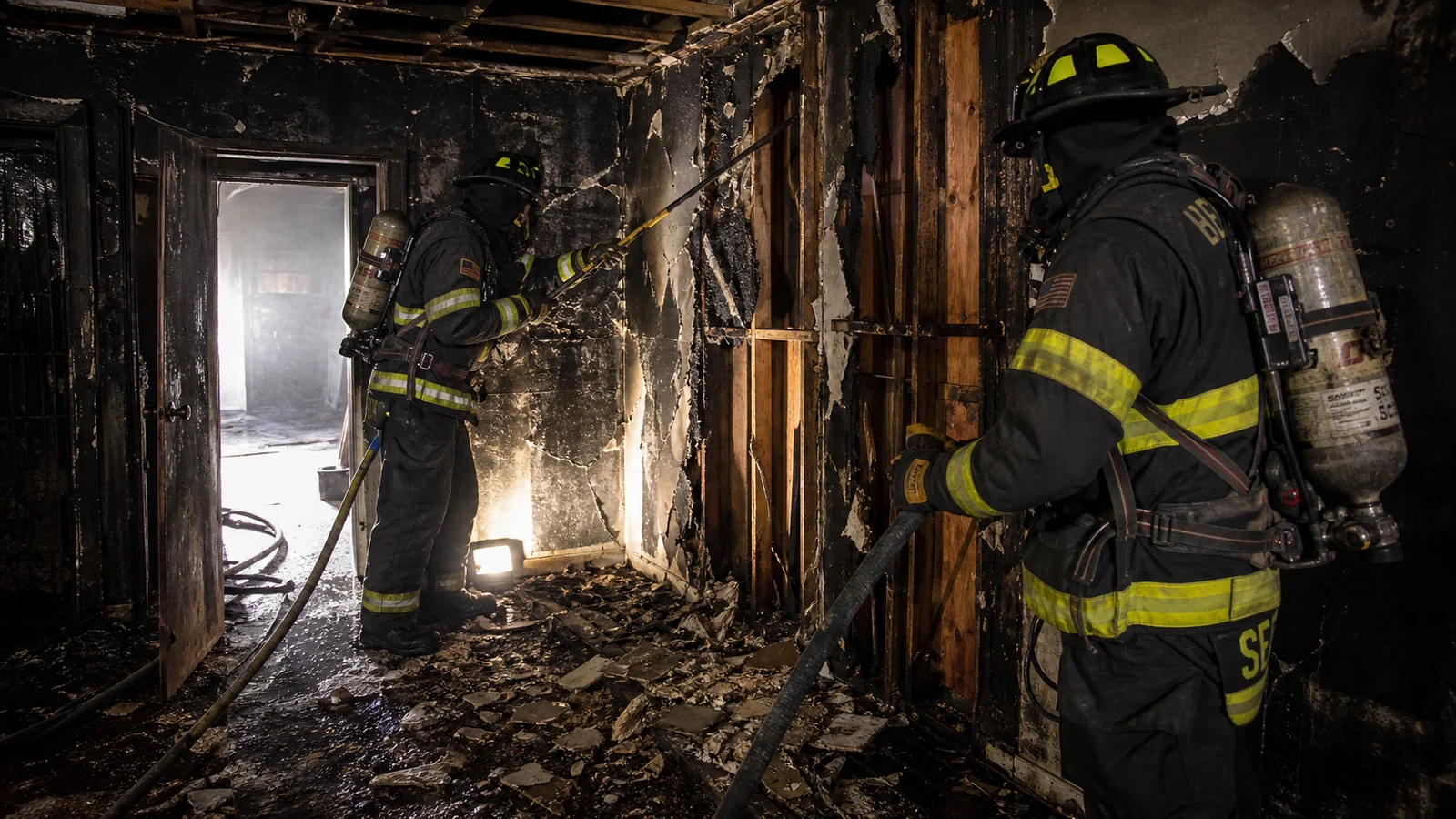
Multiple studies — including research published by the National Institute for Occupational Safety and Health (NIOSH) and the International Association of Fire Fighters (IAFF) — have identified the overhaul phase as producing the highest concentrations of carcinogens in firefighter breathing zones of any fireground activity. The reason: the fire is largely out, temperatures have dropped, and smoldering materials release complex chemical compounds including benzene, formaldehyde, acrolein, and polycyclic aromatic hydrocarbons (PAHs) at sustained high concentrations.
The mask-off problem: Because the fire appears to be out and the space looks survivable, firefighters routinely remove SCBAs during overhaul. Air monitoring consistently shows that overhaul air is NOT safe to breathe without respiratory protection. SCBA should remain on — or at minimum, supplied air respirators (SARs) should be used — throughout overhaul operations.
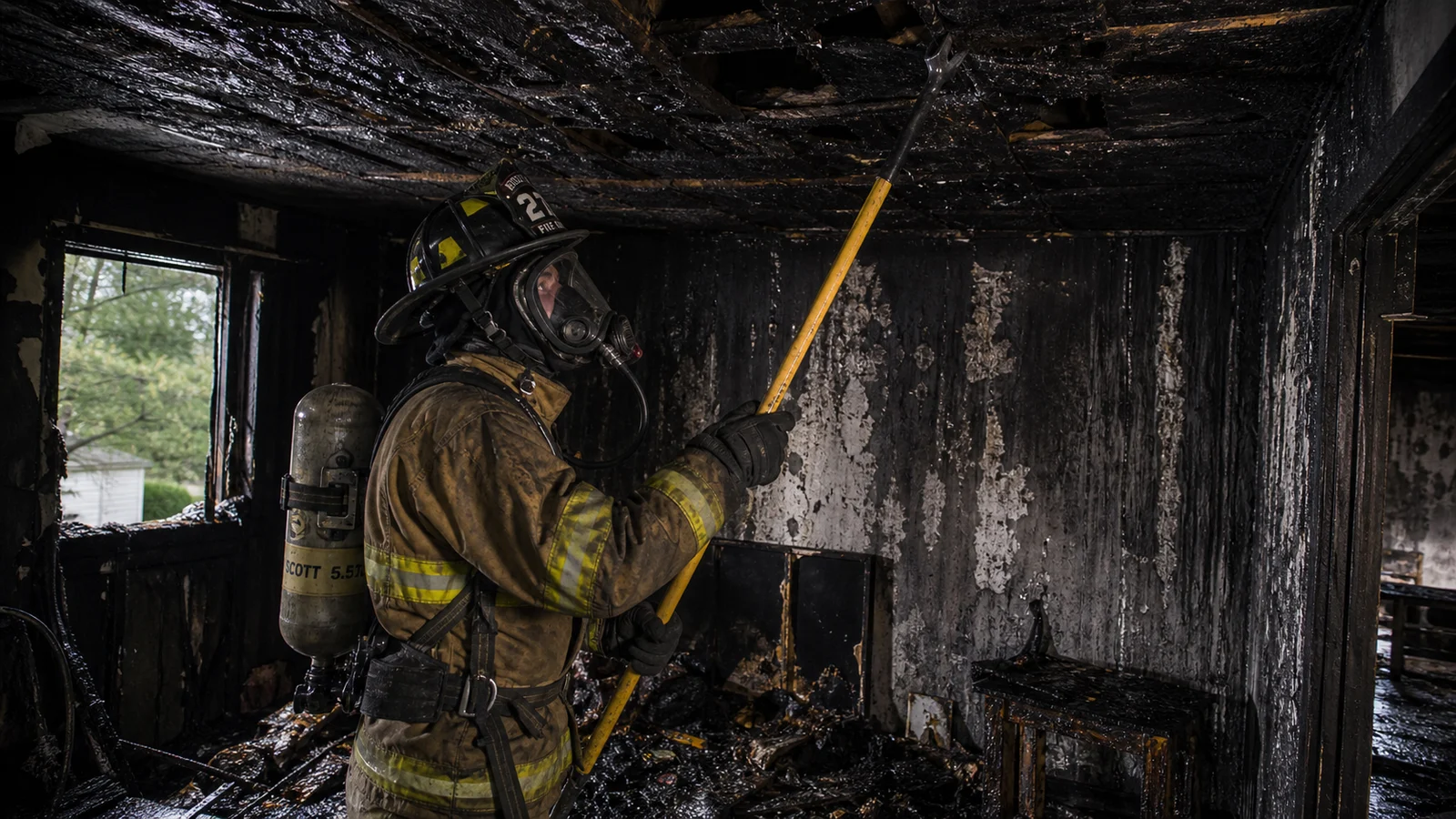
Current best practices for overhaul PPE:
- SCBA on throughout overhaul, or supplied air respirator (SAR) as minimum
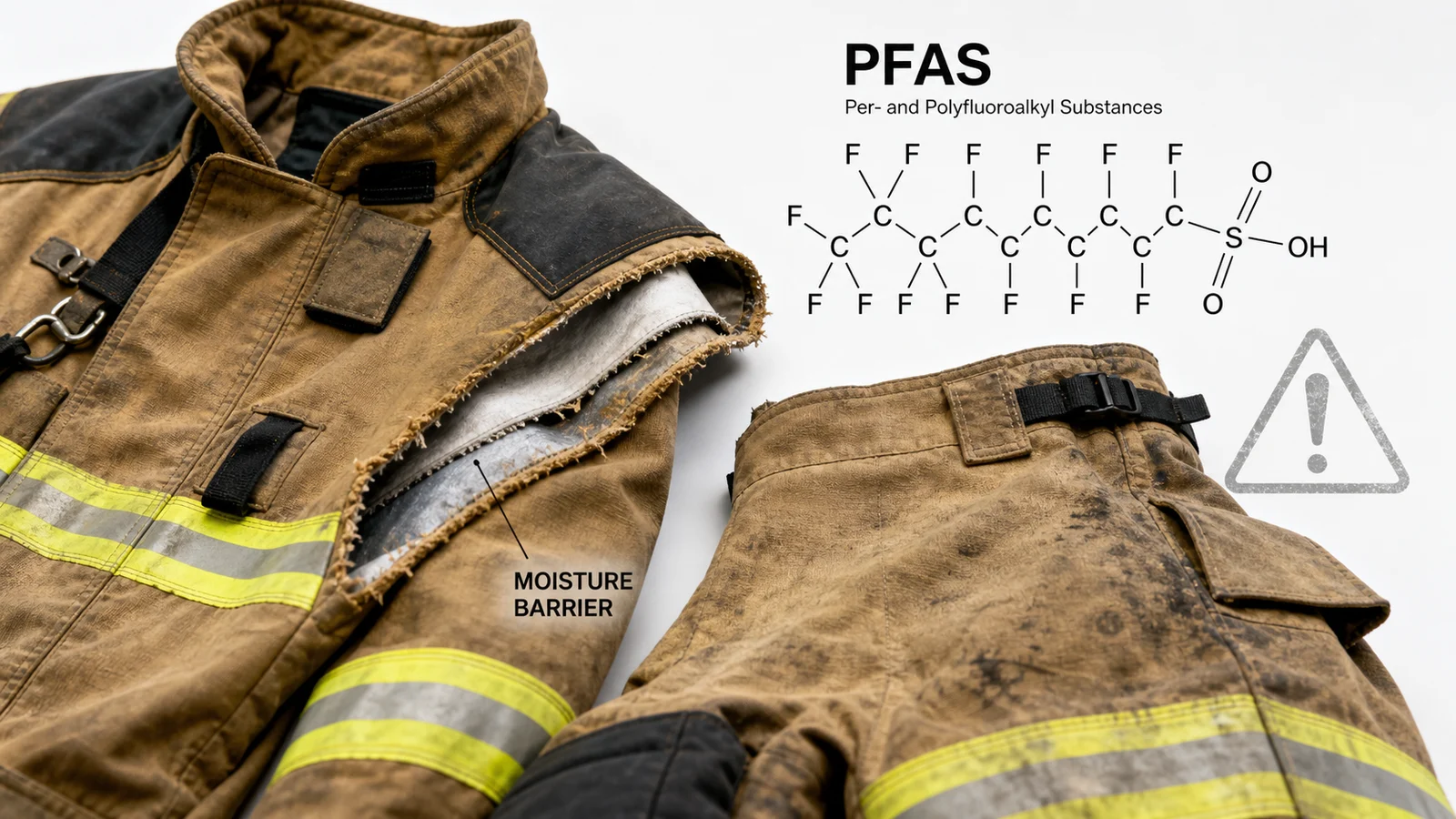
- Full structural turnout gear — no cutting corners to cool down
- Nitrile inner gloves under structural gloves — prevent skin contact with contaminated surfaces
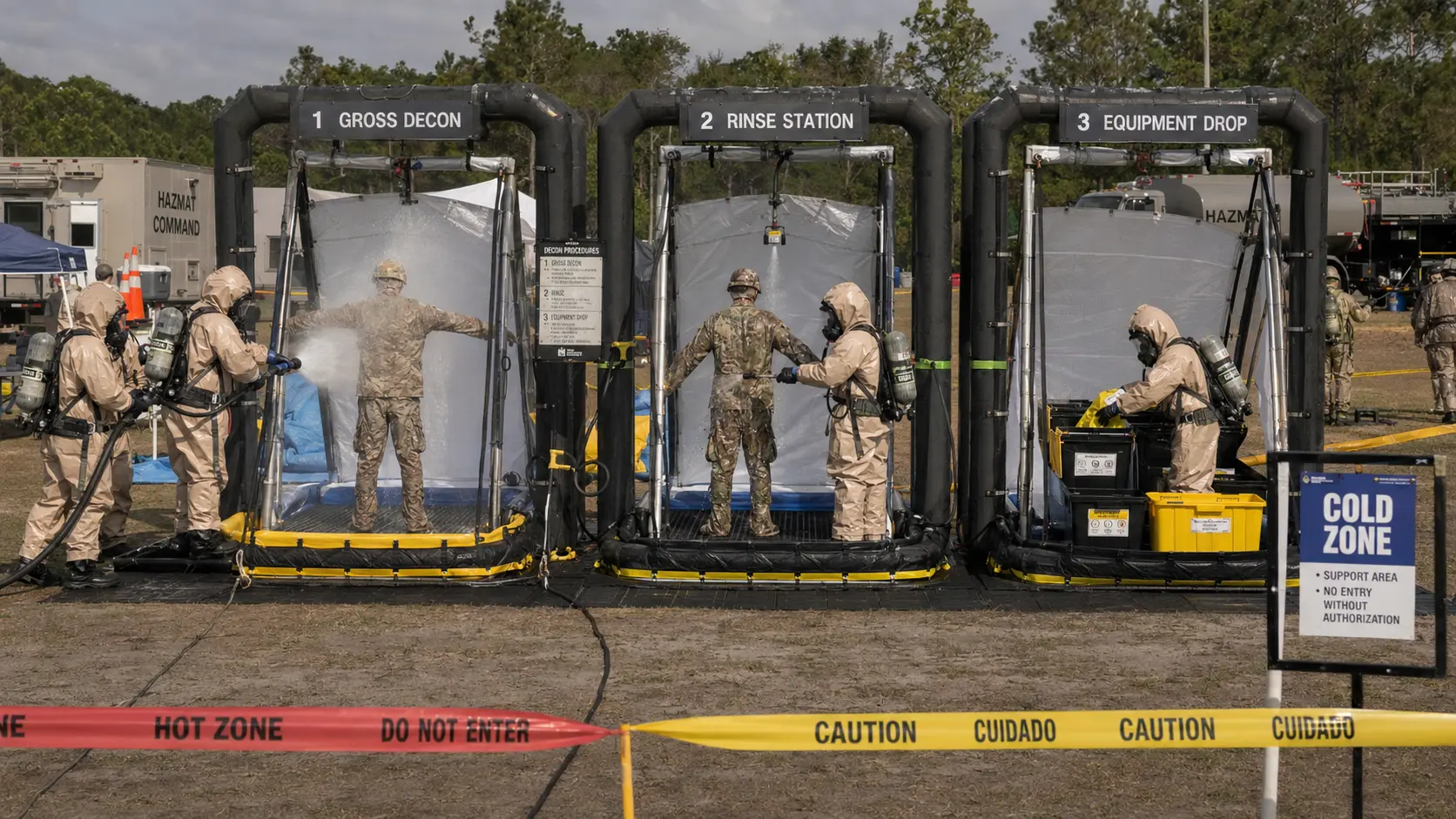
- Gross decontamination of gear before leaving the scene — wipe down exposed turnout surfaces
- Bag contaminated gear separately for laundering — do not transport in the cab
On-Scene Decontamination After Overhaul
On-scene gross decontamination immediately after overhaul is now standard practice at departments following NFPA 1851 and current cancer prevention protocols. Steps: wipe down helmet and SCBA with wet wipes, wipe exposed skin on neck, face, and hands, remove and bag contaminated outer gear, shower at the station before returning to quarters. See our complete gross decontamination guide for the full protocol.
Frequently Asked Questions
What is overhaul in firefighting?
Overhaul is the systematic post-suppression operation in which firefighters open walls, ceilings, and structural voids to locate and extinguish all hidden fire. It ensures complete extinguishment and prevents rekindle after crews leave the scene.
Why is overhaul dangerous for firefighter health?
Overhaul produces the highest concentrations of carcinogens in firefighter breathing zones of any fireground phase. Smoldering post-fire materials off-gas benzene, formaldehyde, and PAHs at sustained high levels. The risk is compounded because firefighters typically remove SCBAs during overhaul, directly exposing the respiratory system to these compounds.
How long does overhaul take?
It depends on the size and extent of the fire. A single-room residential fire overhaul may take 30–60 minutes. A significant structural fire may require several hours of systematic opening and inspection. Overhaul is complete when thermal imaging confirms no residual heat signatures and a thorough physical inspection finds no hidden fire.
Comments 0
No comments yet. Be the first to share your thoughts!
Leave a Comment