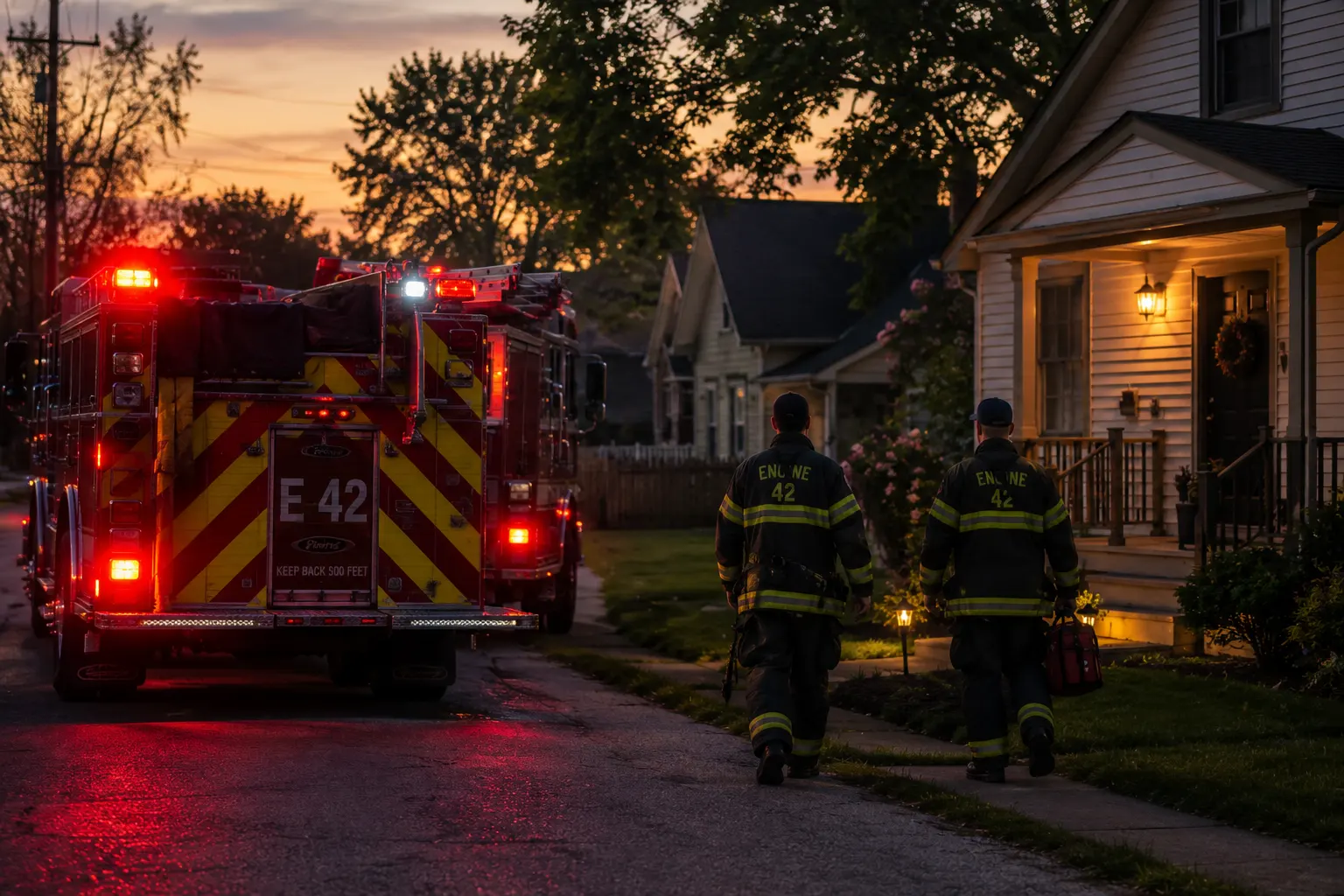

Ask most people what a fire department does and they'll say some version of "puts out fires." Ask any firefighter with more than a year on the job and they'll tell you fires are actually a small slice of the call volume. The rest of the shift is filled with a genuinely strange mix of situations that somehow, over decades, all landed on the fire service's desk — not because fire departments asked for them, but because nobody else was better equipped, faster to respond, or available 24 hours a day with the right tools already on the rig.
None of what follows is a single dramatic story — it's the recurring categories of odd calls that show up across departments everywhere, the kind every crew eventually recognizes the moment dispatch reads it out.
In this article:
- Why the fire department ends up handling all of this
- Animals in places animals shouldn't be
- Humans stuck in things, on things, or under things
- Calls that turn out to be nothing at all
- Elevators and locked-in-somewhere calls
- The cat-in-a-tree question everyone asks
- What this says about the modern fire service
Why the Fire Department Ends Up Handling All of This
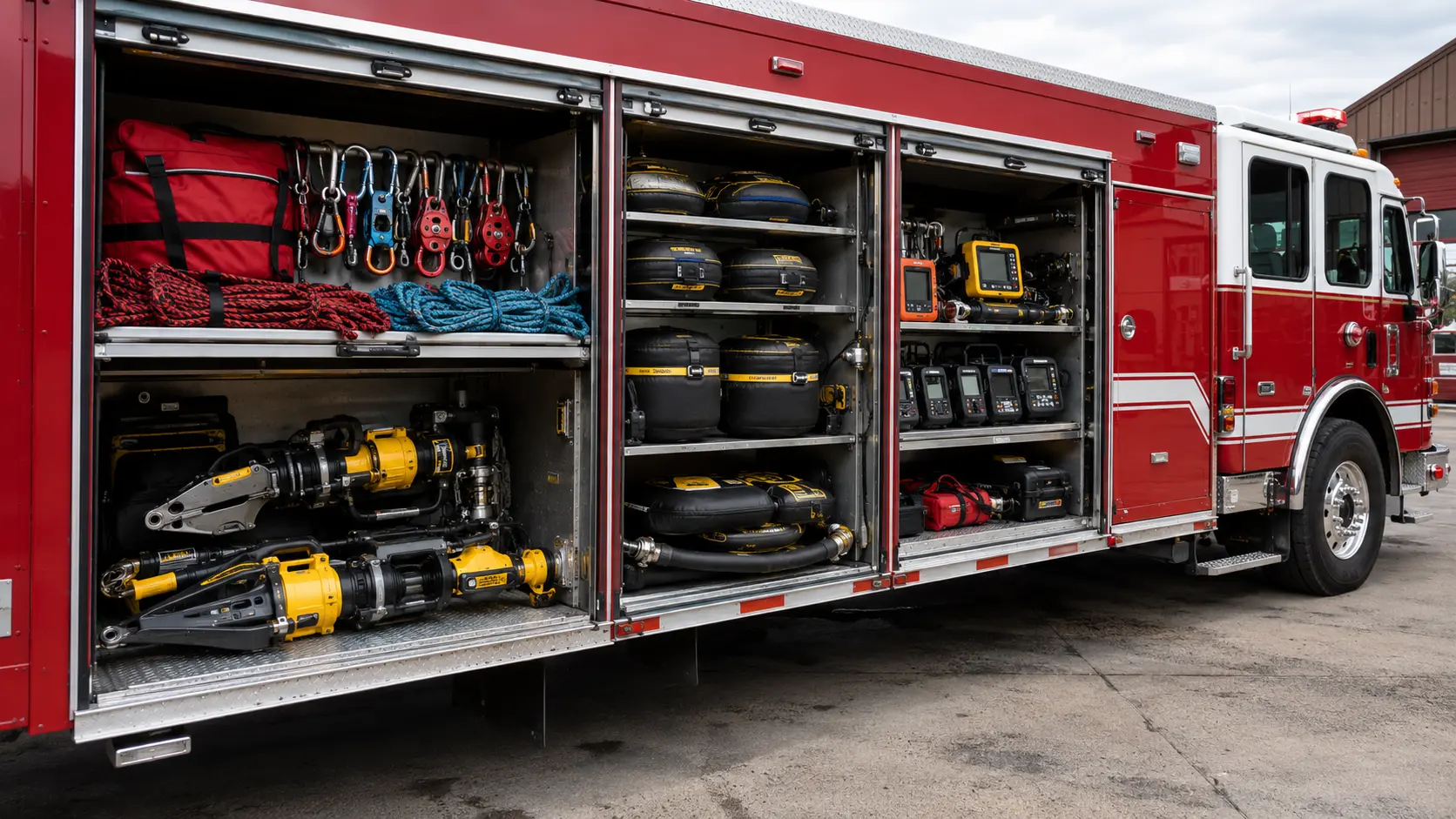
The short answer is availability and equipment. Fire departments staff stations around the clock, every day of the year, with crews and apparatus already positioned throughout a city for fast response. No other public agency is structured quite that way. Police departments are stretched across law enforcement priorities, animal control usually runs limited daytime hours with a small staff, and most cities don't have a dedicated agency for "person stuck somewhere unusual." When dispatch gets a call that doesn't cleanly belong to police or EMS, the fire department is frequently the default — not because it's officially their job, but because they're the ones who can actually show up in minutes with tools on the truck.
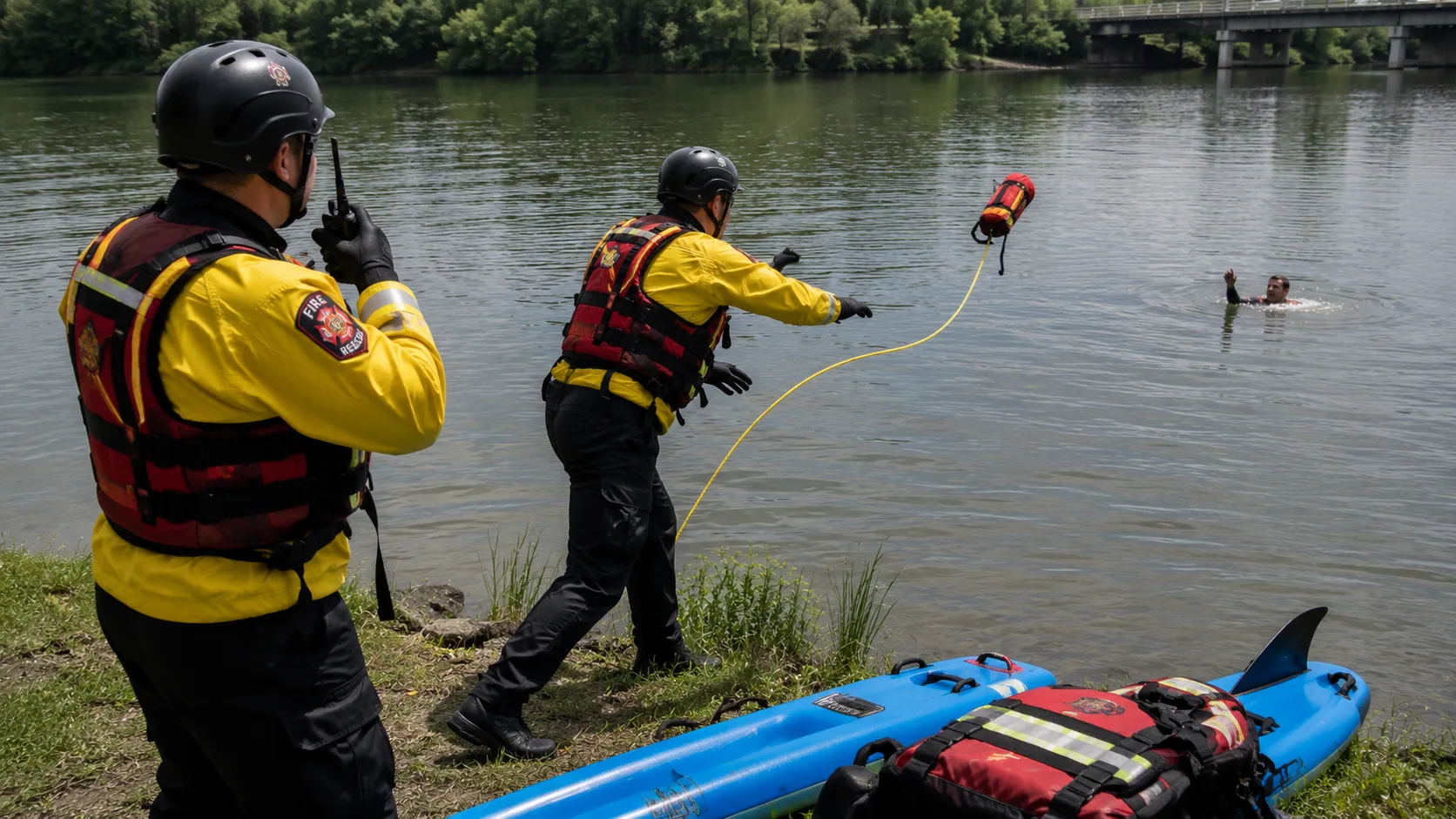
Over decades, that default has hardened into an unofficial but very real category of work sometimes called "public assist" calls — situations that aren't fires and often aren't medical emergencies either, but that genuinely need someone with rescue tools, ladders, extrication equipment, or just enough hands to solve a problem safely.
Animals in Places Animals Shouldn't Be
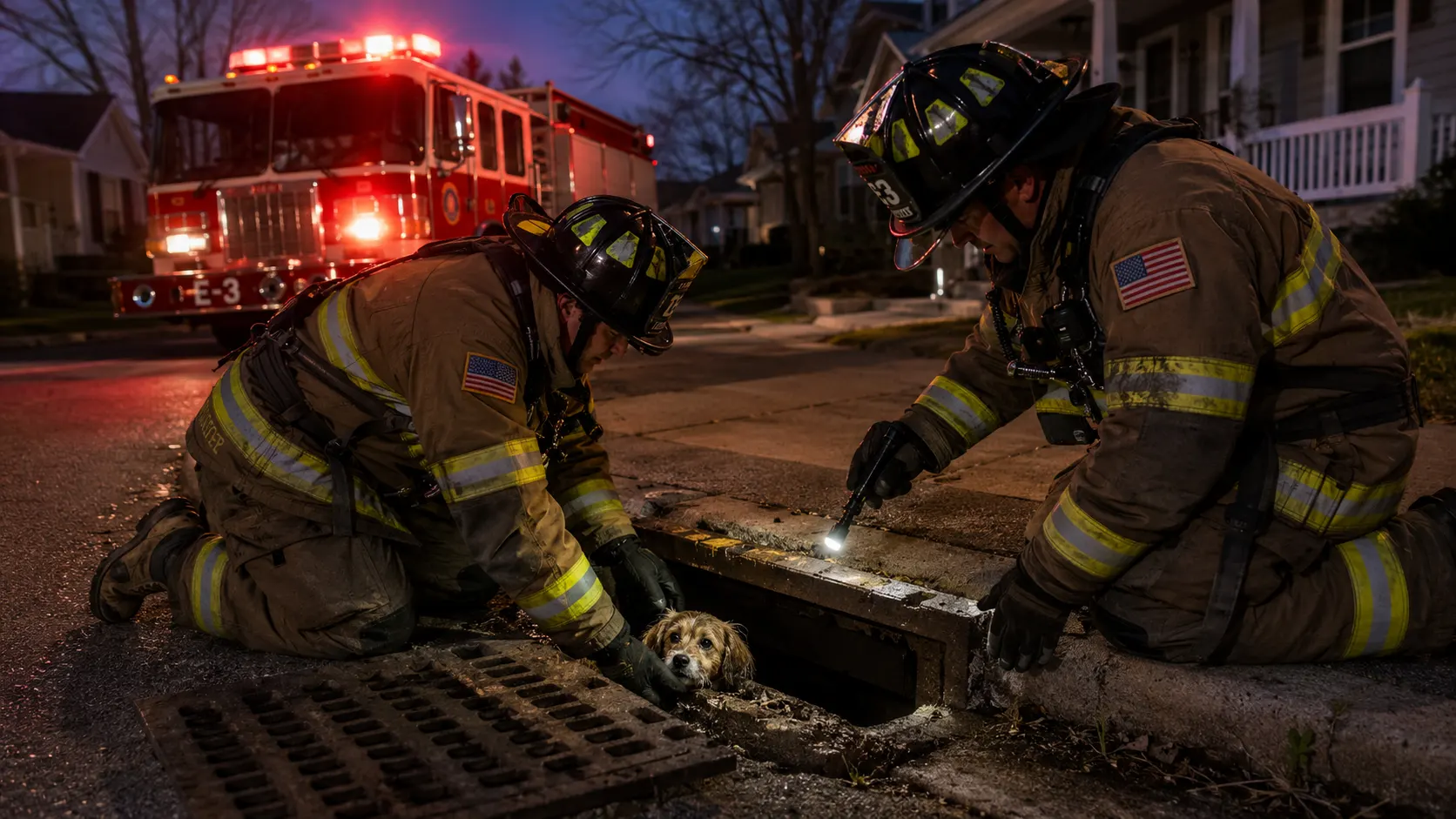
Dogs stuck in storm drains, animals that squeezed through a fence gap and got wedged, wildlife that wandered into a chimney or a drainage pipe — this category shows up on nearly every department's call log somewhere. It rarely requires anything more technical than a set of hand tools and patience, but it does require someone willing to lie on wet pavement at odd hours to talk a frightened animal out of a pipe, which is exactly the kind of task that ends up with the fire department by default.
Humans Stuck in Things, on Things, or Under Things
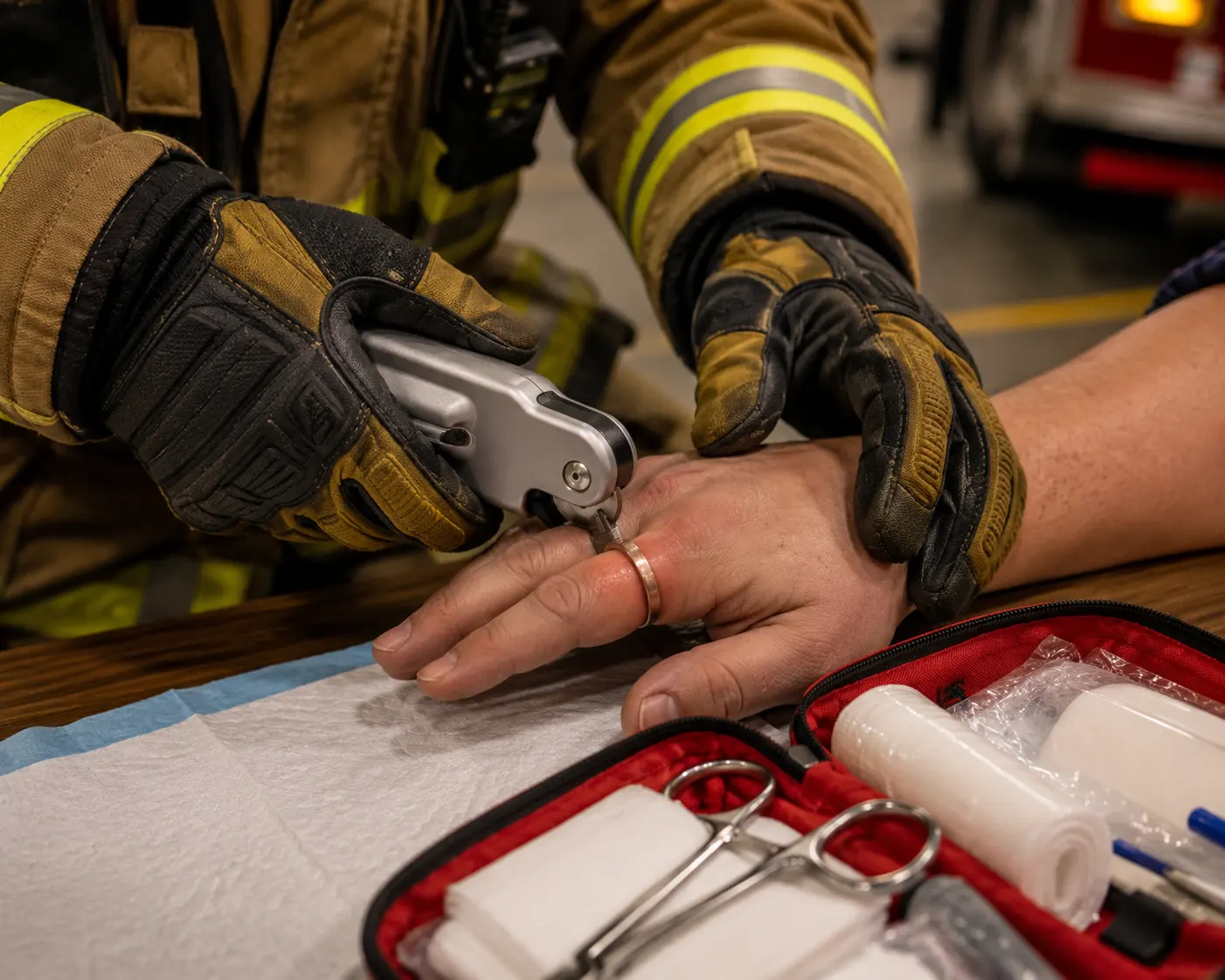
This is one of the biggest categories, and it covers a wide range: a ring stuck on a swollen finger, a limb caught in playground equipment, someone's hand jammed in a chair or a piece of furniture, a body part wedged in railing. It sounds almost comedic until you remember that an unaddressed swollen finger with a ring cutting off circulation is a real medical risk, not just an inconvenience. Fire crews carry ring cutters, various small hand tools, and cutting equipment specifically because these calls are frequent enough to justify it, and because a slow or clumsy removal can cause more harm than the situation itself.
Calls That Turn Out to Be Nothing at All
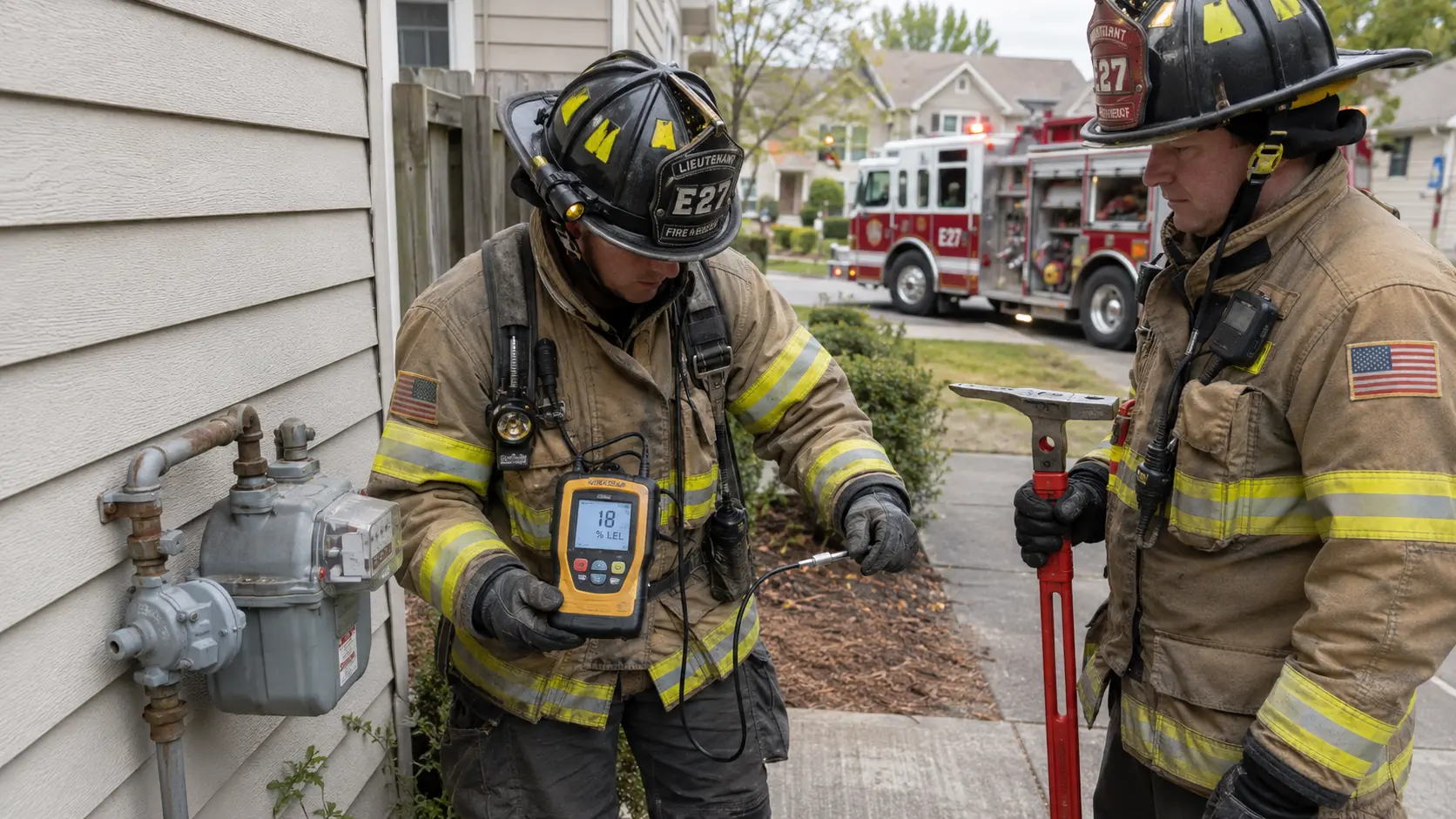
A surprisingly large share of dispatched calls resolve as "unfounded" or "no hazard found" — someone smelled something unusual and called it in, a carbon monoxide alarm chirped from a low battery rather than an actual gas leak, or a strange odor turned out to be nothing more than a neighbor's cooking or a nearby construction site. These calls matter precisely because crews can't know in advance which ones are false alarms and which ones are the start of something serious — a smell of gas call has to be treated identically whether it turns out to be a leaking stove or nothing at all, because the cost of assuming it's nothing and being wrong is far higher than the cost of showing up for a non-event.
This is also the category that produces the most good-natured frustration among crews — not because responding is a waste, but because it's genuinely impossible to tell a real hazard from a false one over the phone, so every call gets the same full response regardless of how it turns out.
Elevators and Locked-in-Somewhere Calls
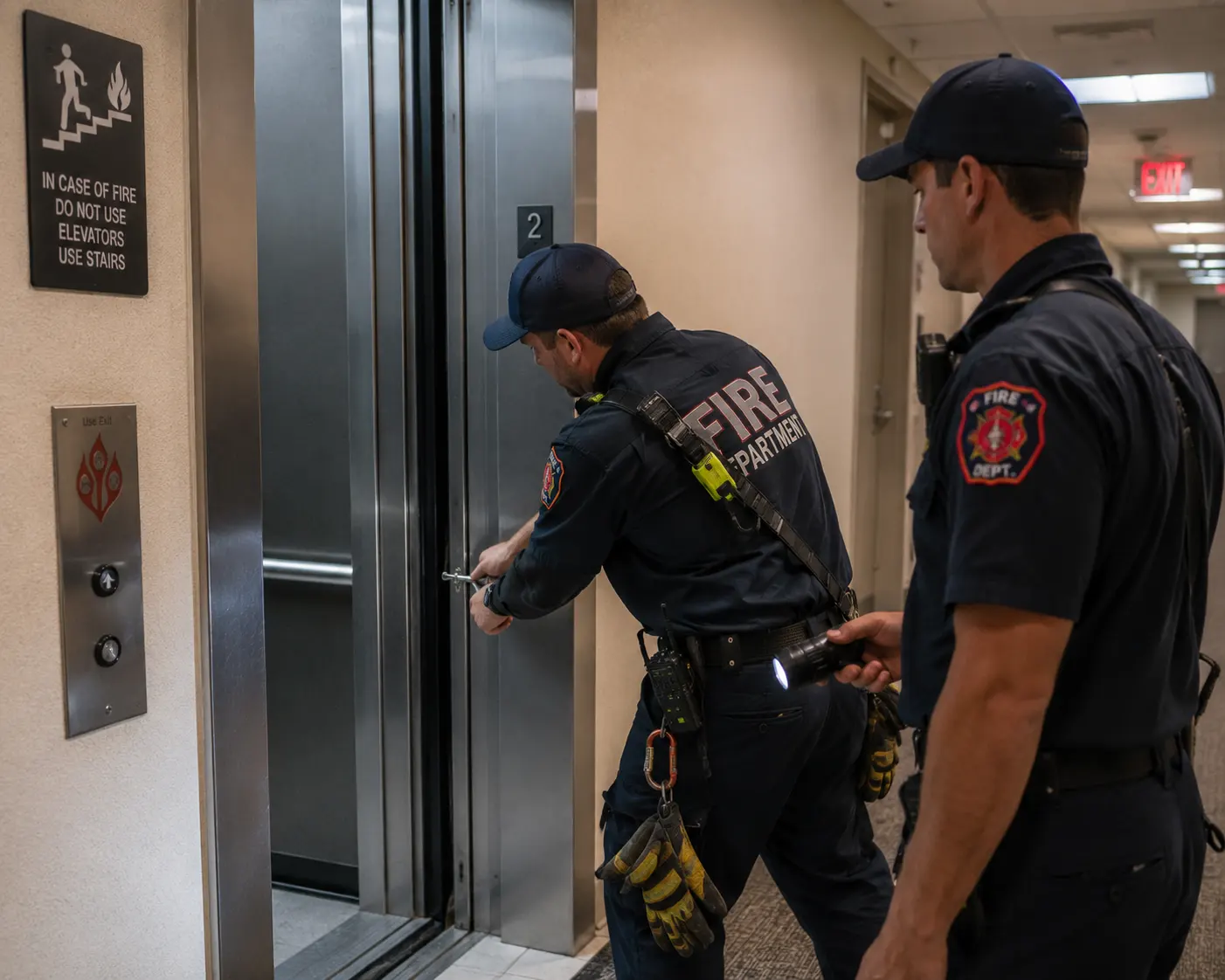
In cities with a lot of mid- and high-rise buildings, elevator entrapments are a routine call type rather than a rare one. Elevator technicians aren't always immediately available, and building management often isn't trained or equipped to safely open a stalled car, so the fire department fills that gap. Crews carry specialized elevator keys and train specifically on safe entrapment procedures, because forcing a stalled elevator open incorrectly is its own hazard — falls, unexpected movement of the car, and exposure to the shaft are all real risks if it's done wrong.
The Cat-in-a-Tree Question Everyone Asks
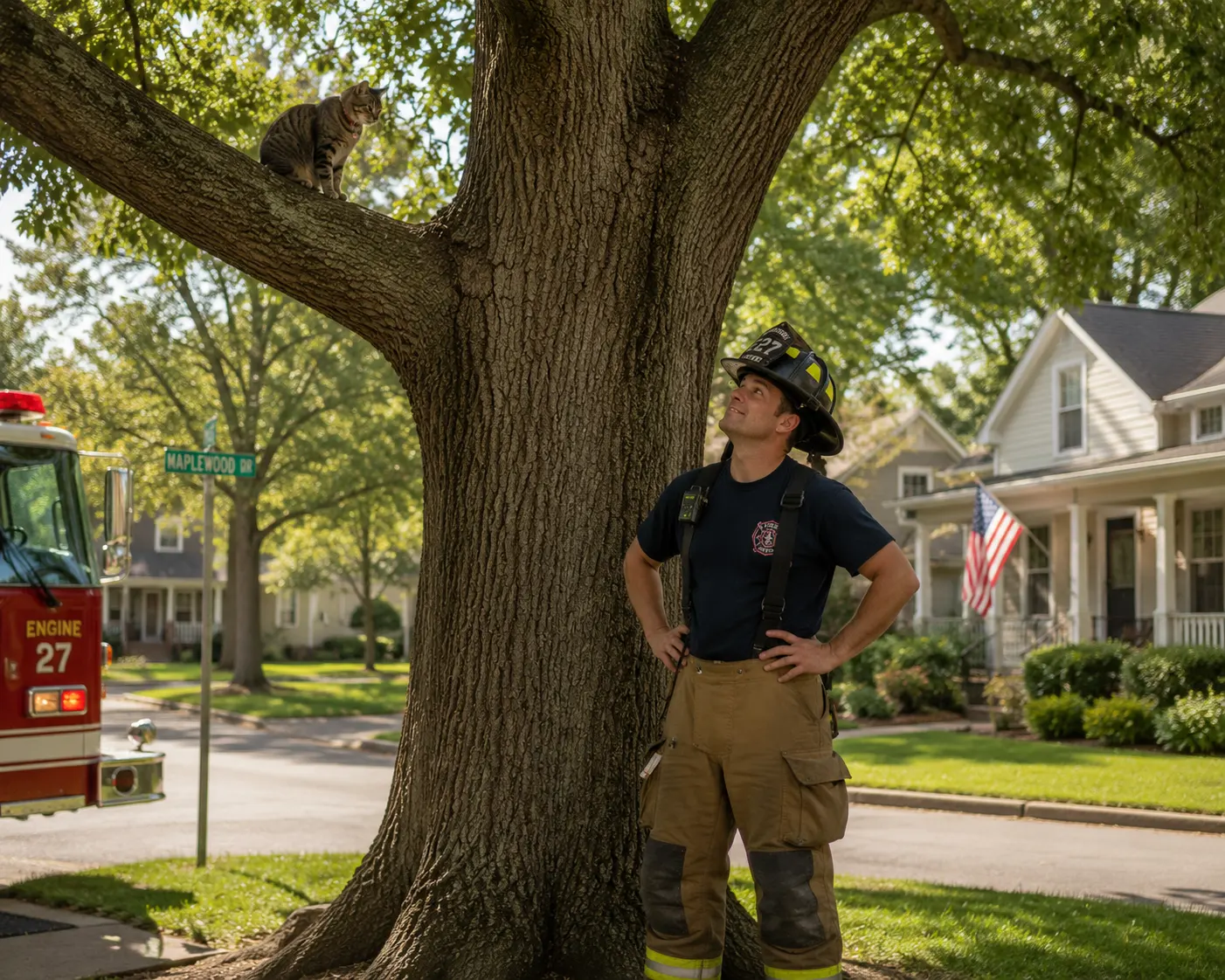
No list like this is complete without addressing the most famous version of this whole category. Cats getting stuck in trees is real, but the popular image of fire departments regularly sending an engine and ladder for it is mostly outdated. Most departments today don't dispatch apparatus for a cat in a tree as standard practice, largely because cats generally come down on their own once they're hungry enough, and dedicating an engine to a non-emergency, non-life-threatening animal situation pulls that crew away from being available for actual emergencies. Some departments will still respond if there's a genuine safety concern — a cat that's been stuck for days, an elderly owner attempting a dangerous climb themselves, or a location where the animal is at real risk — but the routine "cat up a tree, send the ladder truck" image is more folklore than current practice at most departments.
What This Says About the Modern Fire Service
Fires have actually declined significantly over recent decades in most of the developed world, largely thanks to better building codes, smoke alarms, and fire-resistant materials. What hasn't declined is the range of situations a community needs someone available for at 2 a.m. with the right tools and training. Fire departments absorbed most of that need not through any grand redesign of their mission, but gradually, call by call, because they were the only agency structured to say yes at any hour. The strange calls aren't a distraction from the job — at this point, they're a genuine part of it, and they say more about how modern emergency response actually works than any structure fire does.

Comments 0
No comments yet. Be the first to share your thoughts!
Leave a Comment