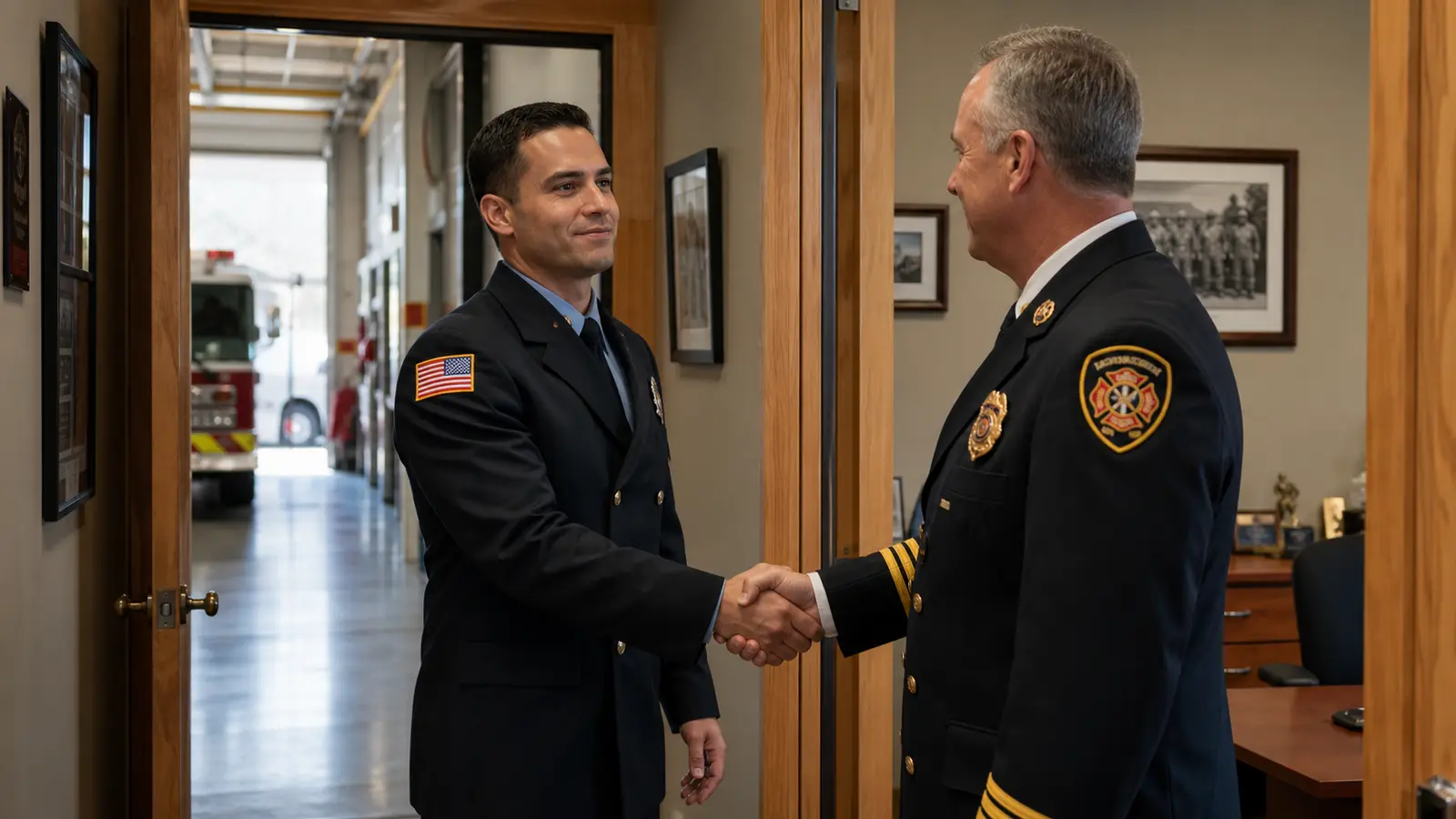

The firefighter who spent eight years at one department and wants to transfer to another is navigating a process that varies so widely between jurisdictions that generalizing about it is nearly impossible — and yet the questions are universal. Will my seniority transfer? Do I have to repeat an academy? Can I keep my rank? Will my pension follow me or do I start over?
Lateral transfers in the fire service are more common in 2026 than at any prior point. The combination of large retirement waves in established departments, aggressive recruiting from departments trying to staff up quickly without waiting for academy classes, and a generation of firefighters who are more mobile and less institution-bound than their predecessors has created a genuine lateral transfer market in fire service hiring for the first time. Departments that once only hired from academy classes are actively recruiting experienced personnel from other agencies — and experienced firefighters who once accepted their career department as fixed are exploring options they were never previously offered.
Here is what the lateral transfer process actually looks like in 2026 — what departments are offering, what isn't portable, and what questions every firefighter should answer before pursuing a transfer.
In this article:
- Why lateral hiring is expanding in 2026
- The pension problem — what doesn't transfer and why it matters most
- Seniority credit — what lateral hires actually receive
- Academy and certification requirements for laterals
- Rank portability — can you transfer as a driver or officer?
- Probationary periods for lateral transfers
- The questions to ask before accepting a lateral offer
- Where lateral opportunities are strongest in 2026
Why Lateral Hiring Is Expanding in 2026
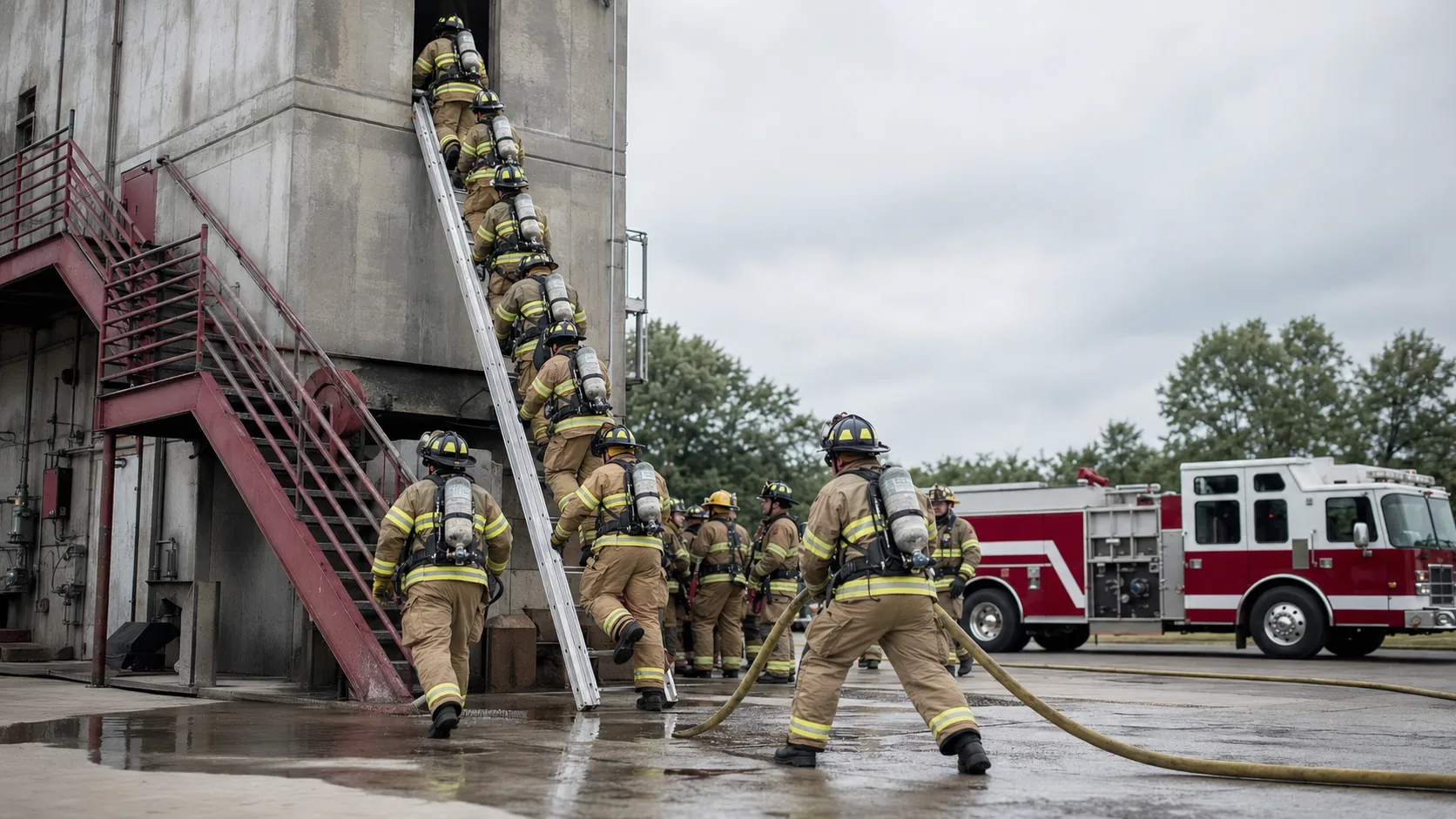
Fire department staffing shortfalls in 2026 are driven by two concurrent pressures: the retirement of the large boomer-era cohort that entered the fire service in the 1980s and early 1990s, and the gap between vacancy rates and the output capacity of fire academies. An academy class takes four to six months to produce a certified firefighter from a recruit who passed a competitive process that itself took months. A department with 40 vacancies and one academy class running cannot fill those positions quickly enough to maintain service levels. Lateral hiring is the alternative that fills the gap immediately with personnel who are already certified, already experienced, and already capable of working without a training period.
The federal SAFER grant program — which funds firefighter positions at local departments — has been one of the primary financial mechanisms enabling lateral hiring pushes. Departments that receive SAFER funding for new positions can offer those positions to lateral hires rather than waiting for academy graduates, filling certified roles faster. SAFER grants in 2023–2025 funded more than 3,000 new firefighter positions nationally, and a significant portion of those positions were filled through lateral processes.
The demand side is also shifting. Firefighters are moving for cost-of-living reasons — California-based firefighters moving to Nevada, Arizona, or Texas where housing costs are substantially lower but fire service salaries remain competitive. They are moving for family reasons, quality of life, and in some cases for the operational environment — a firefighter at a quiet suburban department seeking busier urban experience, or the reverse. The lateral transfer market reflects a workforce that has internalized more of the career mobility norms that other professions have had for decades.
The Pension Problem — What Doesn't Transfer and Why It Matters Most
The pension question is the most consequential — and most frequently underestimated — variable in any lateral transfer decision. Public safety pension systems are structured as defined-benefit plans that accumulate benefits based on years of service within a specific system. There is no national firefighter pension. There is no automatic portability between state systems. There is no mechanism by which years served at Department A automatically count toward the benefit formula at Department B.
What this means practically: a firefighter who has served 10 years at their current department has 10 years of service credit in their current pension system. If they transfer to a department in a different state, those 10 years typically do not transfer to the new system. They may be able to take a refund of their own contributions to the plan (not the employer match, not the investment earnings on those contributions), or they may be able to leave their contributions in the old system and collect a reduced benefit at retirement age under the vesting rules of that system. Neither option delivers the full value of 10 years of defined-benefit accrual.
Some states have reciprocity agreements with each other that allow pension credit to transfer between specific systems. California's CalPERS has reciprocity agreements with many California county and city pension systems, meaning a firefighter moving between CalPERS agencies typically retains their service credit. But CalPERS reciprocity does not extend to Nevada PERS, Texas municipal plans, or most other state systems outside California. The reciprocity map is complex, system-specific, and requires verification before any transfer decision is finalized.
The practical guidance: before accepting any lateral offer, request a formal written pension estimate from your current system — what your projected benefit is if you leave now vs. at your planned retirement date — and compare it against the projected benefit from the new system based on the years you would serve there. The difference between these two projections is the real financial cost of the transfer. For a 10-year firefighter, this gap is frequently larger than the salary differential between the two departments.
Seniority Credit — What Lateral Hires Actually Receive
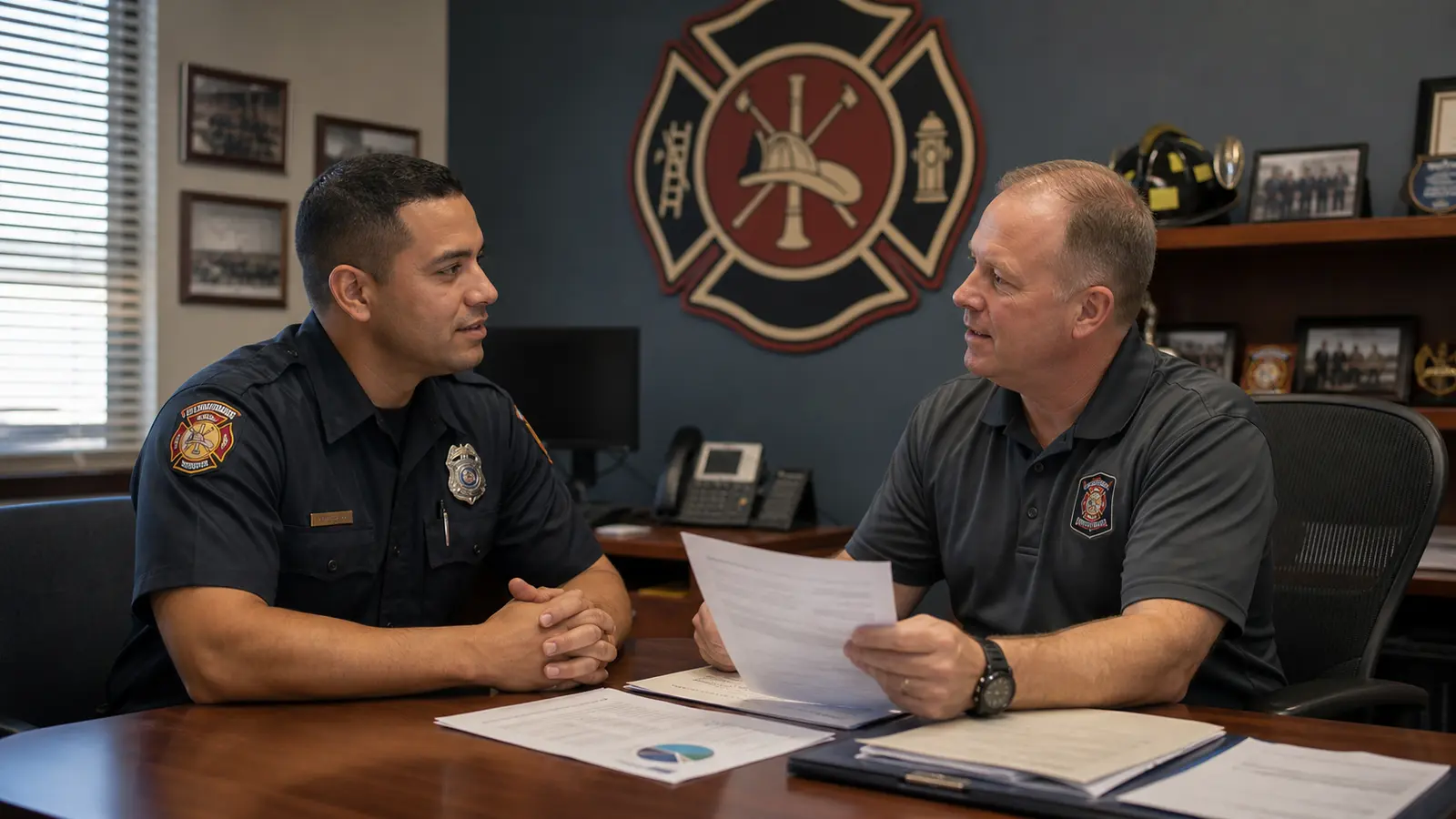
Seniority credit for lateral hires is a negotiated provision in the collective bargaining agreement of the receiving department. What it covers, how much prior service counts, and how it interacts with existing bid lists varies significantly. The range of approaches:
No credit. The lateral hire enters at the bottom of the seniority list regardless of prior service. This is the most common approach and the most strongly favored by existing members of the bargaining unit, whose position on the seniority list is not affected by the lateral's arrival.
Partial credit. The lateral receives credit for some proportion of their prior service — often 50 percent — toward their seniority date at the new department. A firefighter with 8 years of prior service enters with a seniority date equivalent to 4 years. This places them above recent academy graduates but below established mid-career members.
Full credit. Some departments, particularly those actively competing for lateral candidates, offer full prior service credit. This is uncommon and typically limited to specific circumstances — hiring for specialty units where the lateral brings unique qualifications, or in departments with extreme staffing shortfalls where attracting experienced personnel is a stated priority.
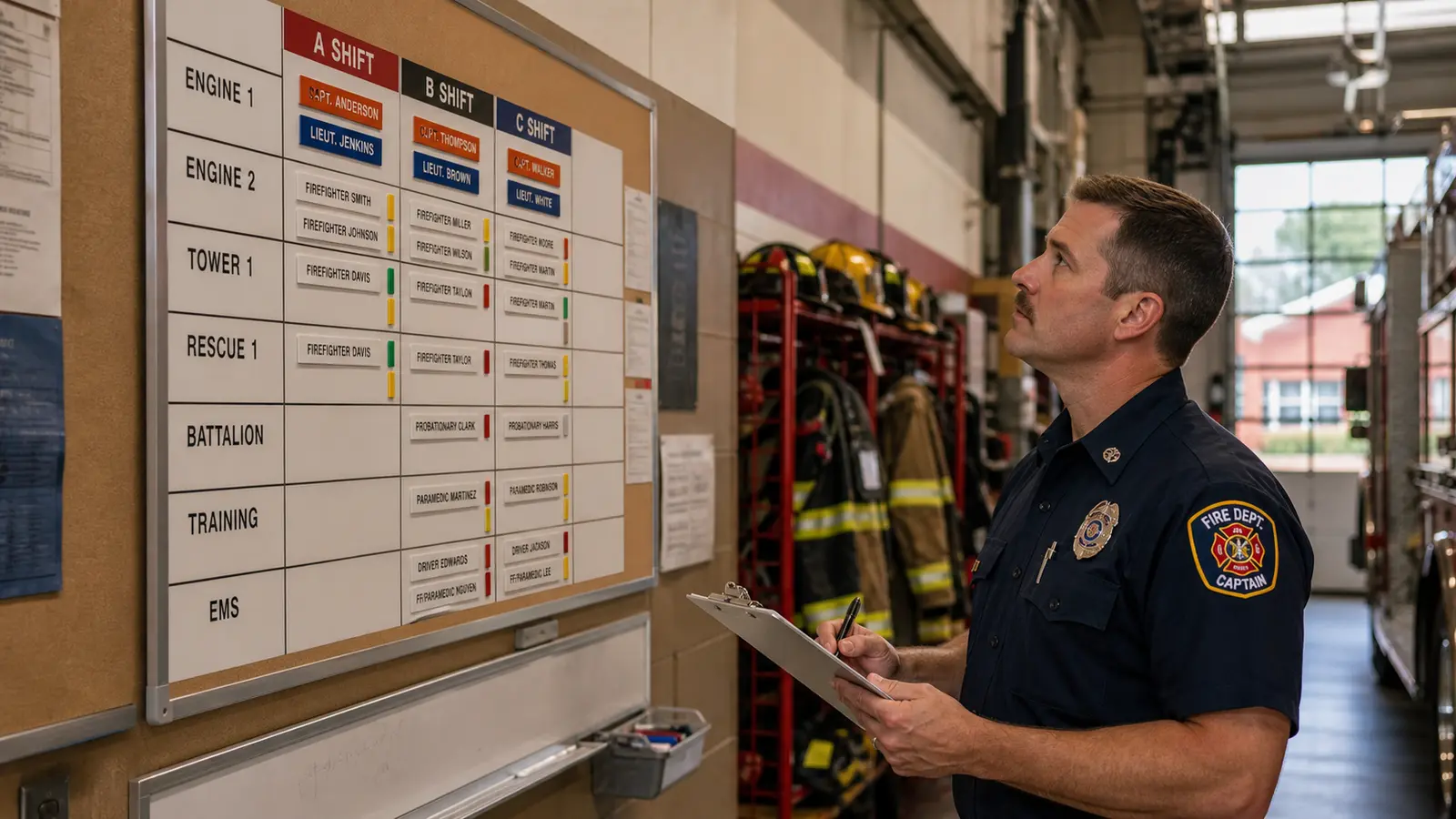
Seniority at the new department affects shift bidding, vacation selection, and in some systems, reduction-in-force order. A lateral who enters at the bottom of a 200-person seniority list regardless of their prior experience will wait years before bidding into preferred assignments. This quality-of-life impact should factor into any transfer decision alongside the financial considerations.
Academy and Certification Requirements for Laterals
Firefighter certification is state-specific. A California State Fire Marshal Firefighter I and II certification does not automatically satisfy the certification requirements of Texas, Nevada, Colorado, or most other states. Interstate certification portability exists through IFSAC (International Fire Service Accreditation Congress) and Pro Board reciprocity agreements, but the specific certifications that reciprocate and the process for verification differ by state.
Many departments with active lateral programs have streamlined the certification equivalency process — they accept IFSAC or Pro Board certification without requiring a full state retest, use challenge exams for specific competencies, or require a department-specific orientation that supplements existing certification rather than replacing it. Others require full recertification regardless of prior credentials.
EMT and paramedic certification presents a separate portability challenge. NREMT (National Registry of Emergency Medical Technicians) certification is nationally recognized and accepted by most state EMS regulatory bodies, making it the most portable EMS credential for firefighters who might transfer. State-specific EMS certifications that are not nationally registered may require full recertification at the state level, including didactic and clinical hour requirements that can take months to complete.
The Questions to Ask Before Accepting a Lateral Offer
- ✓What pension benefit am I forfeiting vs. gaining? Get written estimates from both systems. Include the employer contributions you will not receive from your current system. The nominal salary difference between departments is often smaller than the pension value gap over a career.
- ✓What seniority credit will I receive, and how does it affect my first bid? Request the current seniority list from the new department and see where your credit would place you. Determine which assignment positions are available at your projected seniority rank.
- ✓Is my certification accepted, or will I need to recertify? Get written confirmation of which certifications the department will accept and which require additional testing or coursework. Include EMS certification if you hold one.
- ✓Will I serve a probationary period, and what are the restrictions? Most departments impose a probationary period on laterals — often shorter than the standard entry-level probation, but sometimes equivalent. Probationary firefighters typically cannot grieve discipline or exercise full bid rights. Know the terms before you arrive.
- ✓What does the union contract say about laterals? Request a copy of the current CBA and read the sections on hiring, seniority, probation, and lateral credit. If the department is offering something verbally that isn't in the CBA, understand that a future contract negotiation can change what isn't written.
- ✗Do not leave before vesting in your current pension. Leaving before the vesting period forfeits the employer's contribution to your pension. In defined-benefit systems with five-year vesting, leaving at year four means leaving behind the department's matching share of five years of contributions. The financial cost of leaving before vesting is often larger than any signing bonus or salary increase offered by the new department.
Where Lateral Opportunities Are Strongest in 2026
The departments and regions with the most active lateral programs in 2026 share common characteristics: recent large retirement waves, SAFER grant funding for new positions, and locations where cost-of-living advantages make the transfer financially attractive to candidates from higher-cost regions.
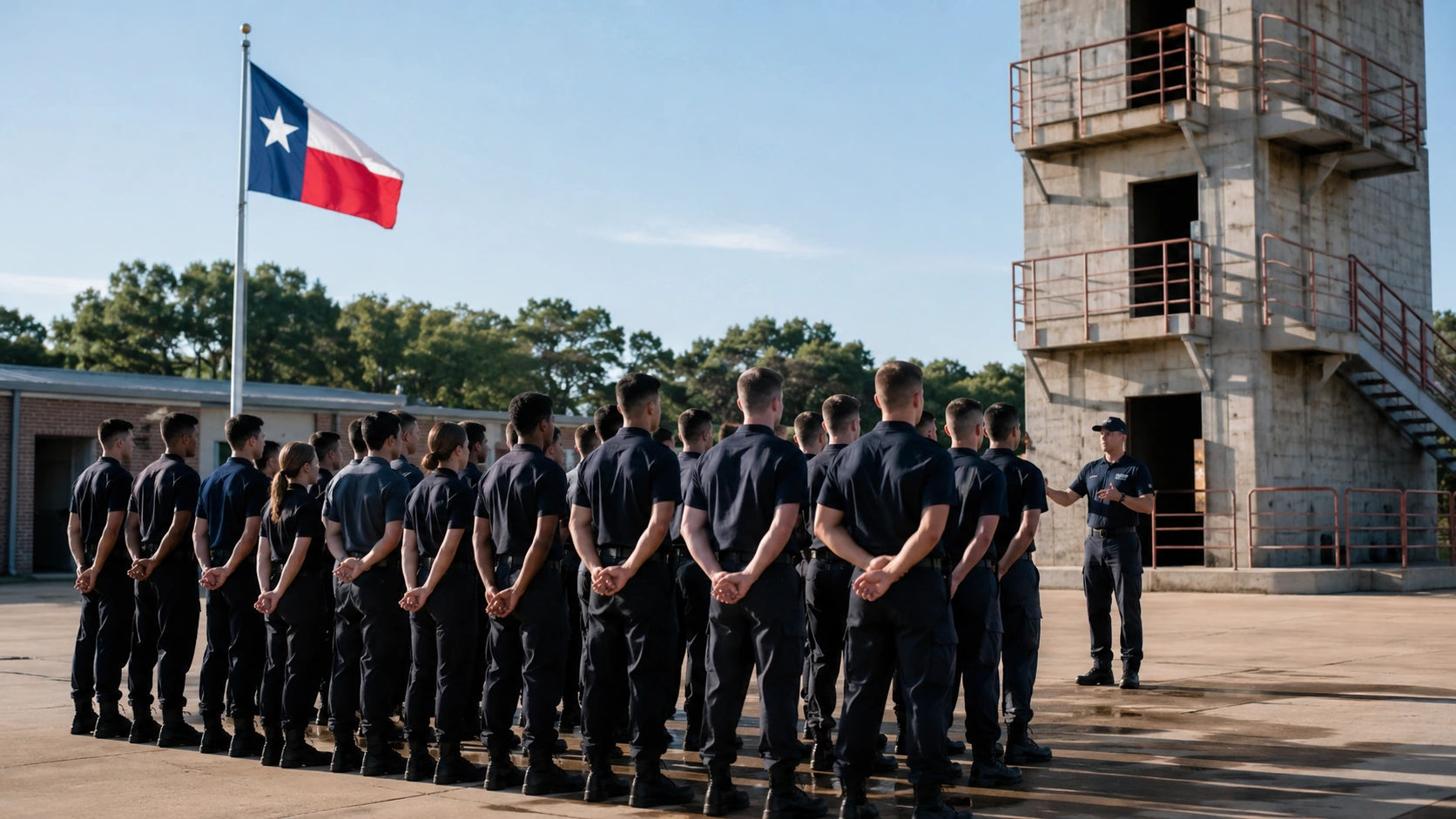
Texas has been one of the most active lateral markets in the country. Houston, Dallas, San Antonio, and Austin all ran significant lateral hiring programs in 2024–2025. Texas has no state income tax, and firefighter salaries in major Texas cities have risen substantially over the past five years as departments competed for candidates. Texas certification reciprocity through IFSAC makes the certification transition manageable for laterals coming from states with national accreditation.
Nevada has recruited heavily from California, where firefighters face high housing costs and state income tax. The Nevada PERS system has reciprocity with CalPERS for service credit transfer, making the pension portability calculation more favorable for California laterals than transfers to other states. Las Vegas Metro Fire and the Reno area departments have run ongoing lateral programs.
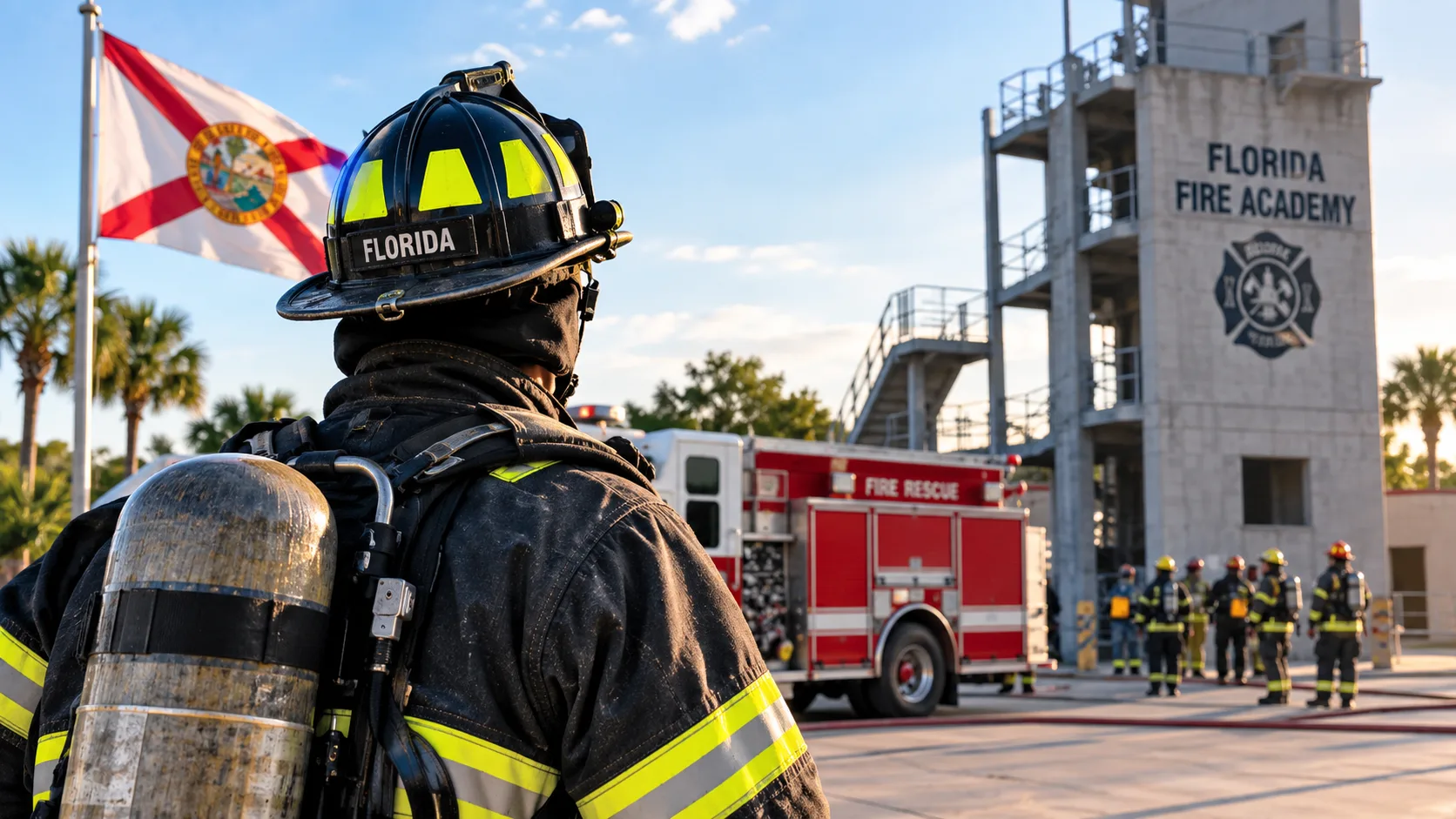
Florida has seen significant lateral activity driven by post-pandemic population growth in the Gulf Coast and central Florida corridor. Florida has no state income tax, and salary scales at larger Florida departments are competitive with national averages. The Florida Bureau of Fire Standards certification reciprocity process accepts IFSAC credentials, making the transition manageable for out-of-state laterals.
The lateral transfer market that exists in 2026 would not have been recognizable to the generation of firefighters who entered the service in the 1980s. Departments that once built careers from entry to retirement without significant lateral movement are now recruiting experienced personnel the way private sector employers recruit experienced engineers or nurses — with targeted outreach, competitive offers, and streamlined hiring processes designed to move candidates from application to employment faster than traditional hiring allows.
The opportunity is real. So is the pension trap. The firefighter who transfers at year 8 for a $10,000 salary increase without accounting for the defined-benefit service credit they are walking away from may be making a transaction that costs them significantly more in retirement income than they gained in working wages. Run the numbers before you move. Get them in writing from both pension systems. Then make the decision with full information.

Comments 0
No comments yet. Be the first to share your thoughts!
Leave a Comment