
Heat Transfer Modes and Their Impact on Fireground Operations
Effective firefighting requires a clear understanding of how heat moves within a burning structure. This article breaks down the three primary modes of heat transfer—convection, conduction, and radiation—and explains their significance during fireground operations. Recognizing these mechanisms helps crews predict fire spread, maintain safety, and apply appropriate tactics.
Convection and Its Operational Effects
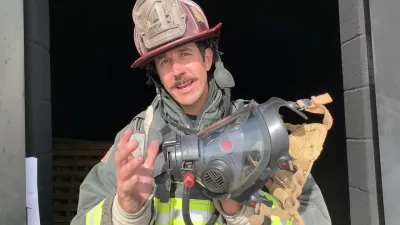
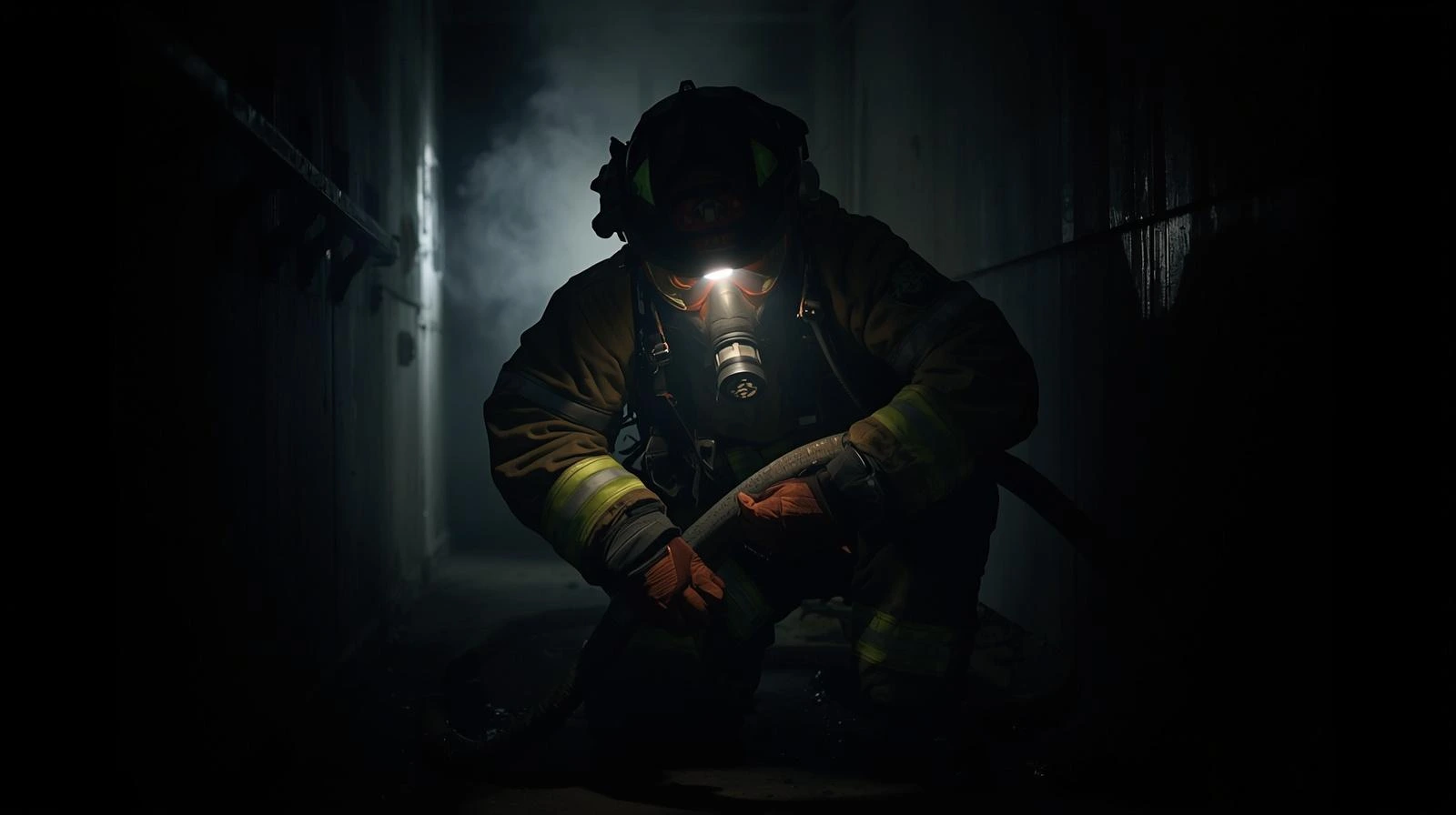
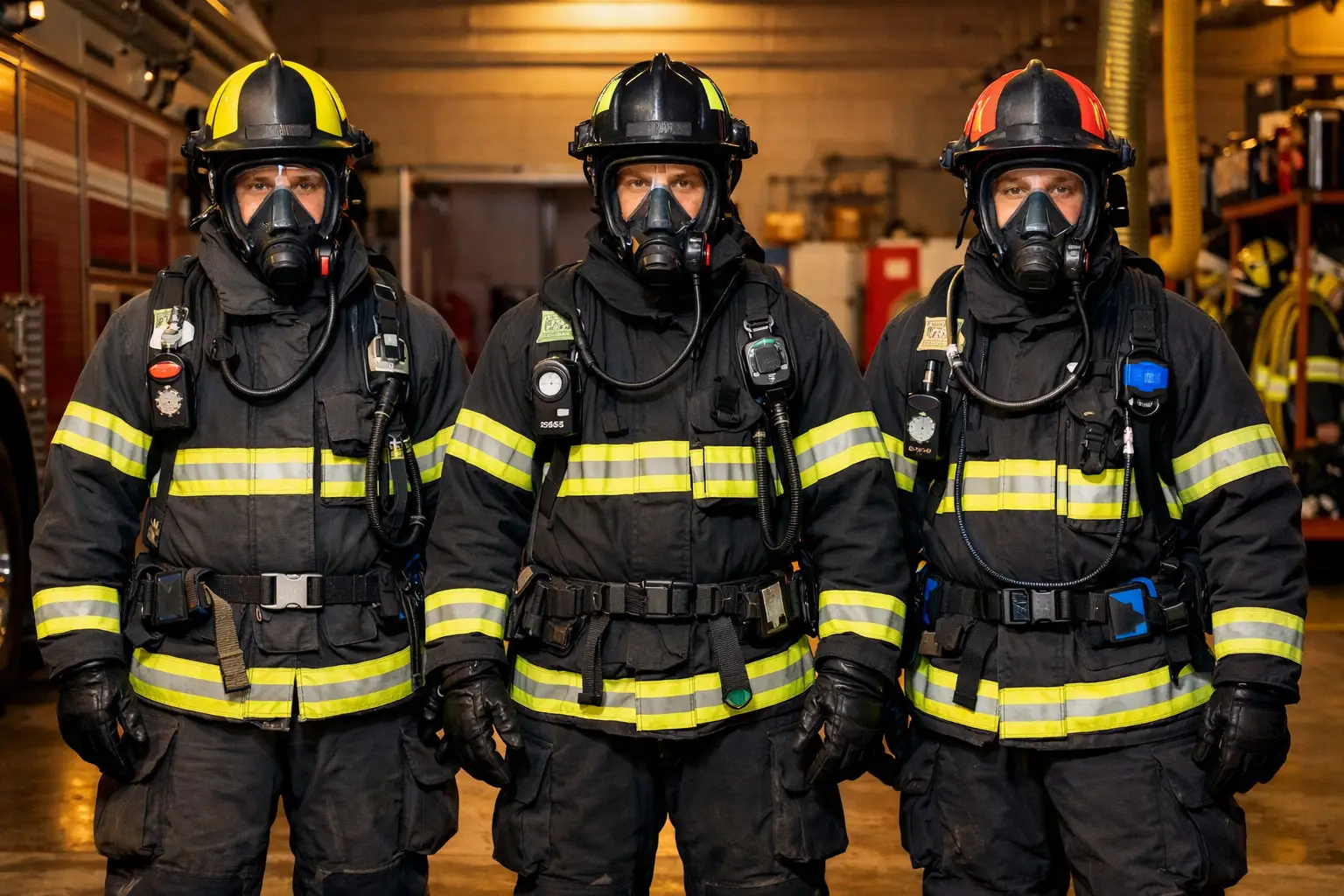
Convection involves the movement of heat through fluids, primarily hot gases and smoke rising within a compartment. Firefighters must be aware that convection currents can rapidly transport heat and toxic gases to upper levels, increasing the risk of flashover. Ventilation tactics directly influence convection by controlling smoke and heat movement, which is critical for creating tenable conditions during interior attack. Proper use of SCBA and PPE is essential to protect crews from the elevated temperatures and hazardous atmospheres generated by convective heat transfer.
Conduction, Radiation, and Fire Spread
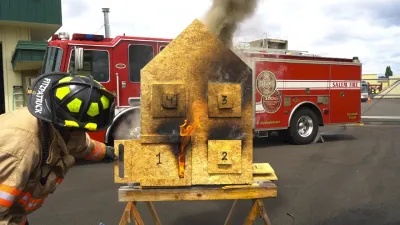
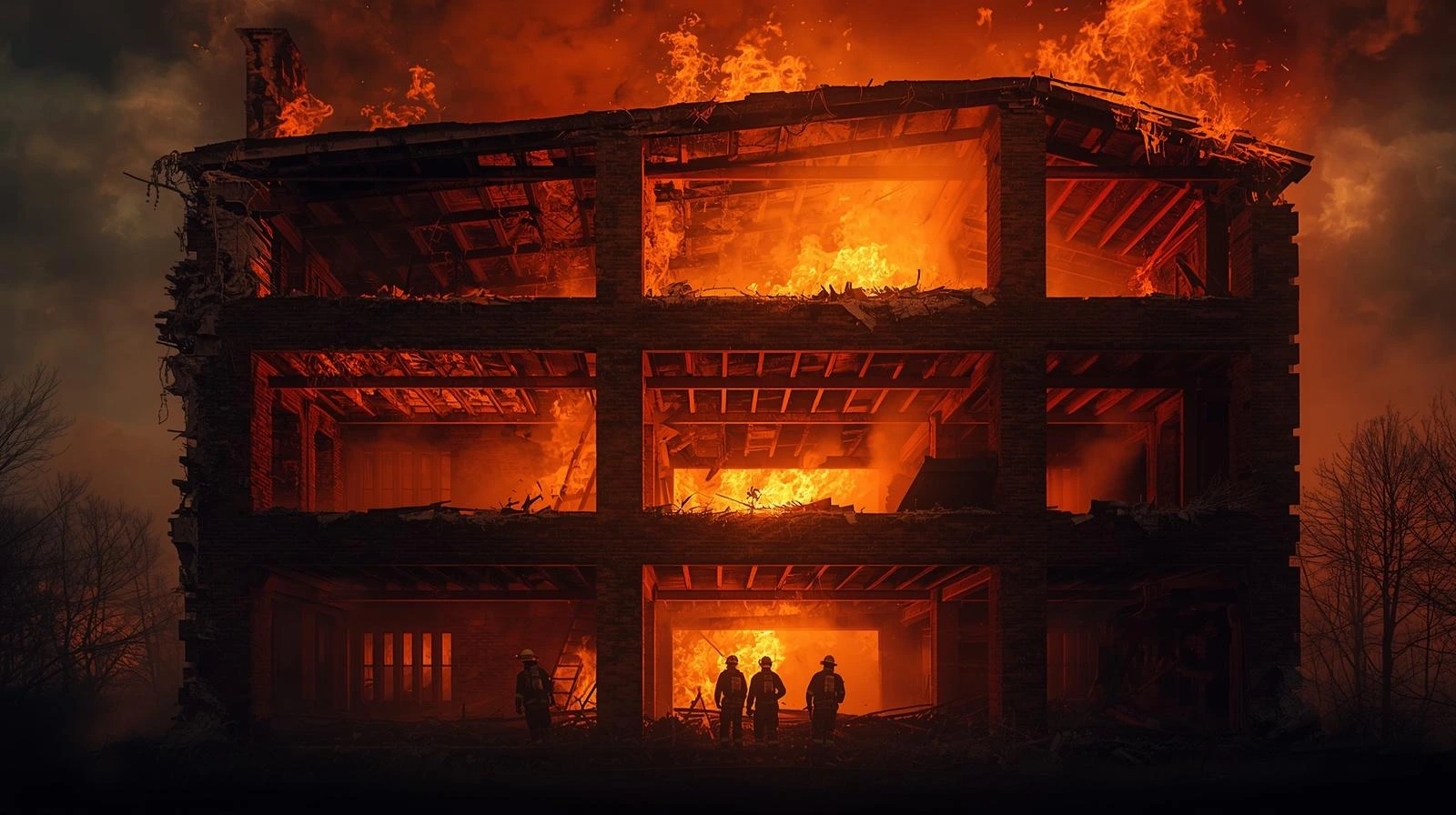
Conduction transfers heat through solid materials such as walls, floors, and structural members. This can lead to hidden fire extension within building components, posing a threat to firefighter safety and structural integrity. Recognizing signs of heat conduction helps crews identify potential fire spread beyond visible flames. Radiation, the transfer of heat energy through electromagnetic waves, allows heat to ignite materials at a distance without direct contact. Firefighters must consider radiant heat when operating near fire rooms or exposures, using hose streams and positioning to mitigate its effects. Understanding these heat transfer modes enhances decision-making and risk assessment on the fireground.
About This Video
This 11:50 Training video covers Understanding Heat Transfer: Convection, Conduction, and Radiation in Fireground Operations. Topics include: heat transfer, fire behavior, convection, conduction, radiation, firefighter safety, interior attack, PPE, fireground tactics, thermal dynamics.
Related Resources
Explore related firefighter Training guides, free firefighter tools and the hazmat reference hub.
Training Note
All videos on AllFirefighter are curated for training and operational awareness. Always follow your department SOP/SOG and consult current standards before applying any technique on the fireground.

Comments 0
No comments yet. Be the first to share your thoughts on this video!
Leave a Comment