
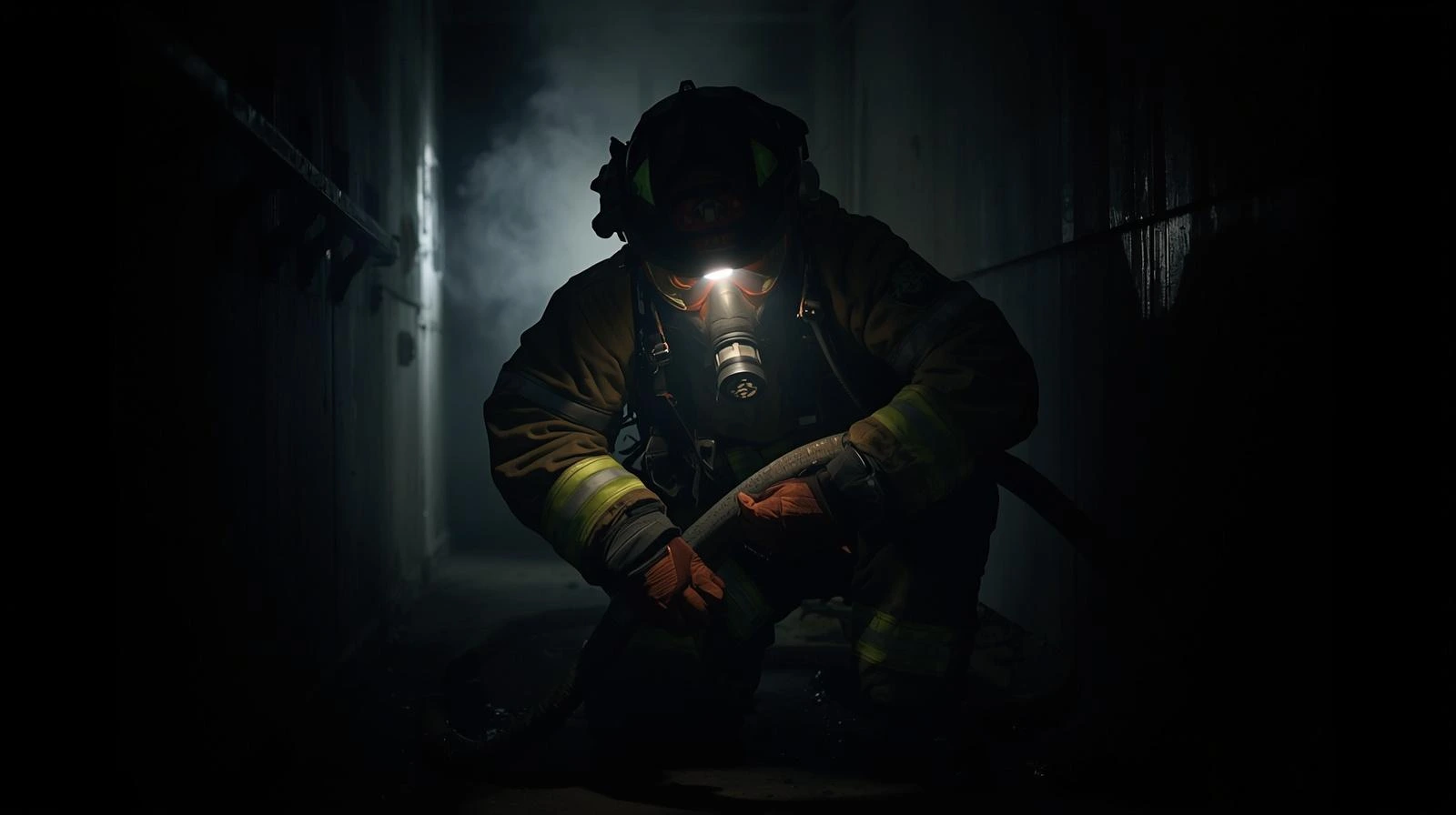
A primary search is a fast, systematic sweep of a structure to locate anyone who can't get out on their own — done before conditions are confirmed safe, which is exactly what makes it dangerous work. The margin for error is thin: crews are moving through zero visibility, on a clock, often without knowing the floor plan.
Why Primary Search Goes Wrong
Most missed victims aren't missed because a crew skipped a room — they're missed because the crew lost orientation, searched a room twice, or left before confirming a corner behind a piece of furniture. A primary search is only as good as the crew's ability to track where they've been while blind.
Field Techniques That Hold Up Under Pressure
Wall-tracking (staying in constant contact with a wall, left-hand or right-hand consistently) keeps a searcher from doubling back into cleared space. Sounding the floor ahead with a tool before advancing catches soft spots before they catch you. A thermal imaging camera speeds up a search dramatically, but it doesn't replace hands-on contact search — TICs miss victims behind furniture or under insulation, and batteries die at the worst possible moment. Oriented search (one member anchored at the doorway, one member advancing on a rope or hose line) lets a team cover more of a room without anyone losing the exit.
What Actually Gets People Hurt
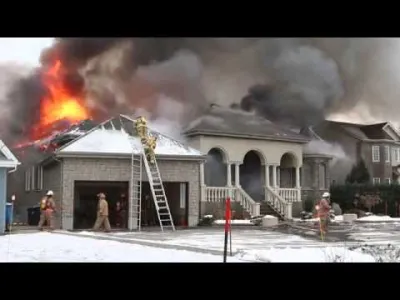
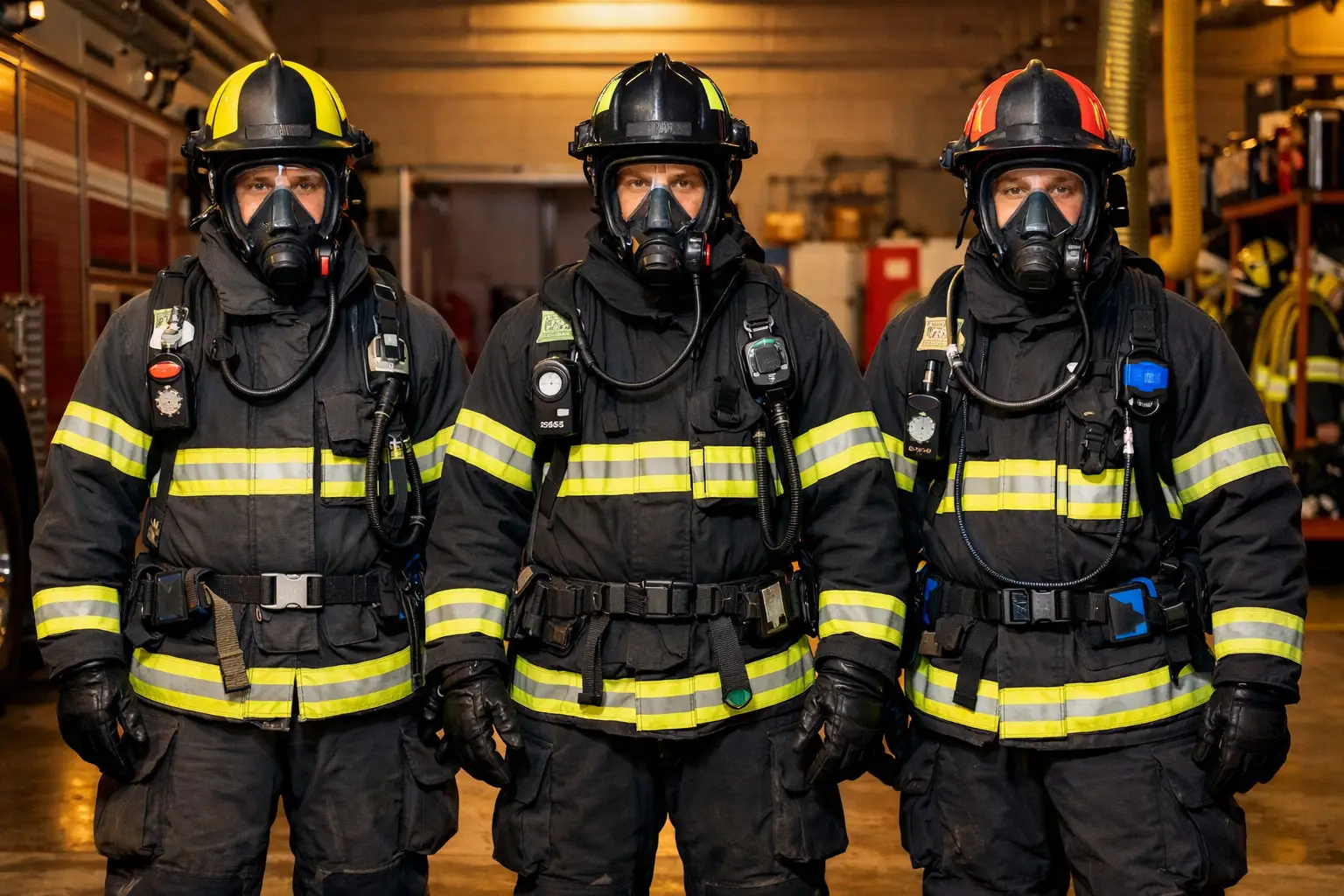
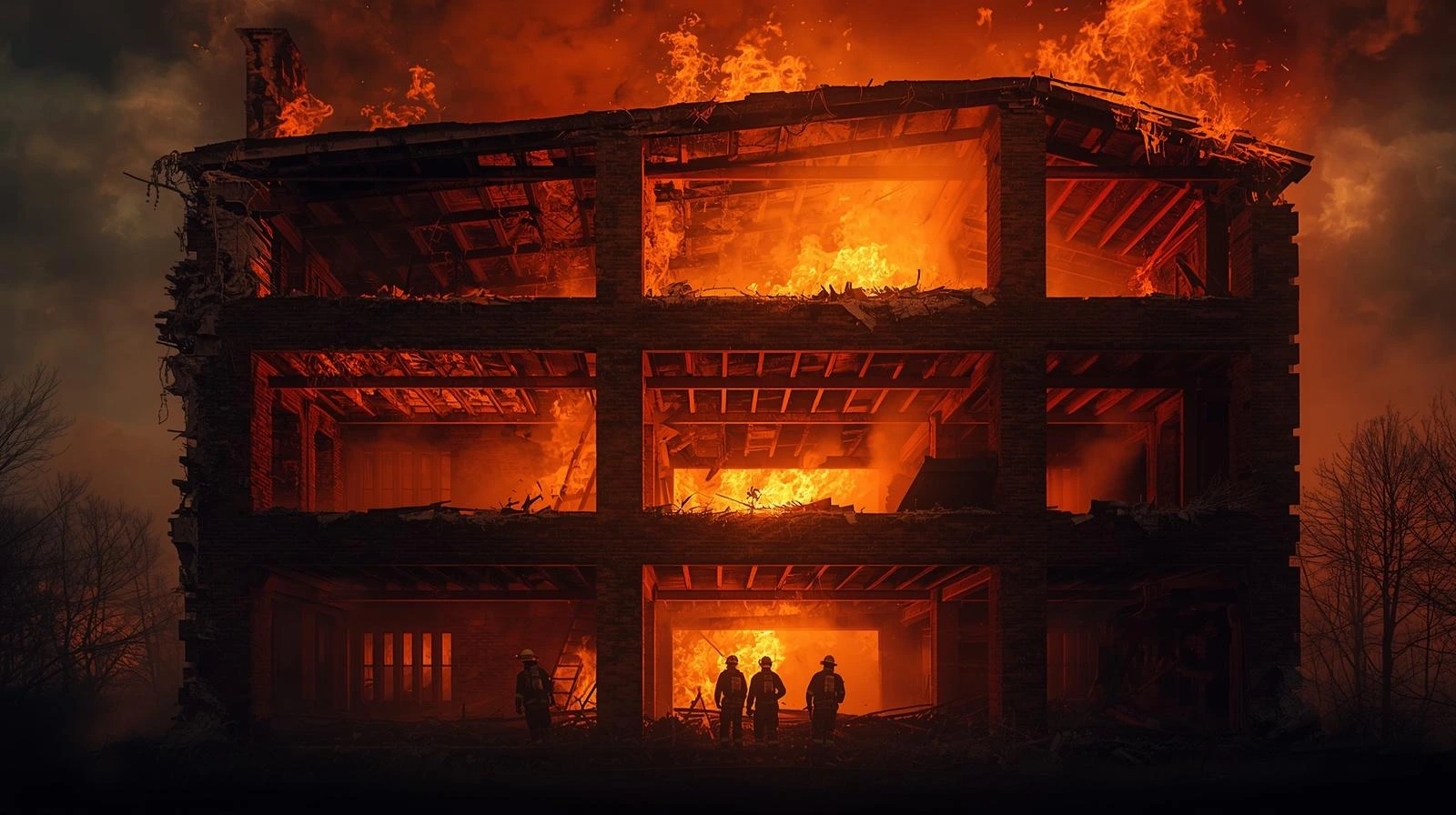
Flashover and structural collapse are the two failure modes that end primary searches badly. Reading smoke conditions — color, volume, velocity, density — and calling a Mayday early rather than late are skills that only get sharp with repetition, not from watching them explained once. Two-in/two-out discipline and a working knowledge of your department's RIT procedures aren't paperwork; they're what gets a searcher out if something goes wrong.
None of this replaces live-fire training or your department's SOPs — but if you're building or refreshing a primary search evolution, these are the details worth drilling until they're automatic.




Comments 0
No comments yet. Be the first to share your thoughts on this video!
Leave a Comment