Smoke as a Fire Behavior Indicator
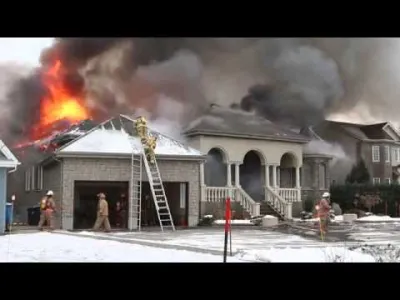
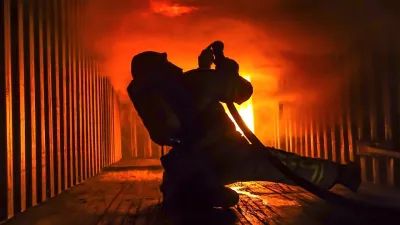
Smoke characteristics provide critical information about the fire’s location, size, and stage. Firefighters rely on observing smoke color, density, and movement to gauge fire intensity and potential hazards. For example, dark, thick smoke often indicates high heat and incomplete combustion, while lighter smoke may suggest smoldering or ventilation-limited conditions.
Practical Smoke Reading Tips
- Note smoke color changes to detect shifts in fuel involvement or ventilation.
- Observe smoke velocity to estimate fire growth or ventilation openings.
- Assess smoke thickness and turbulence for signs of flashover or backdraft potential.
- Use smoke indicators to guide entry points and ventilation tactics.
- Communicate observations clearly to incident command for coordinated response.
Mastering smoke reading enhances situational awareness and supports safer, more effective firefighting operations. Continuous training and experience are essential to interpret smoke cues accurately under dynamic conditions.
About This Video
This 09:36 Training video covers Understanding Smoke Indicators for Fireground Operations. Topics include: smoke reading, fire behavior, firefighting tactics, fireground safety, fire indicators, fire operations, firefighter training, fire smoke, incident command, fire scene assessment.
Related Resources
Explore related firefighter Training guides, free firefighter tools and the hazmat reference hub.
Training Note
All videos on AllFirefighter are curated for training and operational awareness. Always follow your department SOP/SOG and consult current standards before applying any technique on the fireground.

Comments 0
No comments yet. Be the first to share your thoughts on this video!
Leave a Comment