
Essential EMT Training: Mastering Extrication Techniques
In the demanding field of emergency medical services (EMS), the ability to perform effective extrication is crucial for ensuring patient safety and survival. EMT training programs emphasize the importance of mastering extrication techniques, equipping first responders with the skills necessary to safely remove individuals from hazardous situations, particularly in vehicular accidents.
Understanding the Importance of Extrication
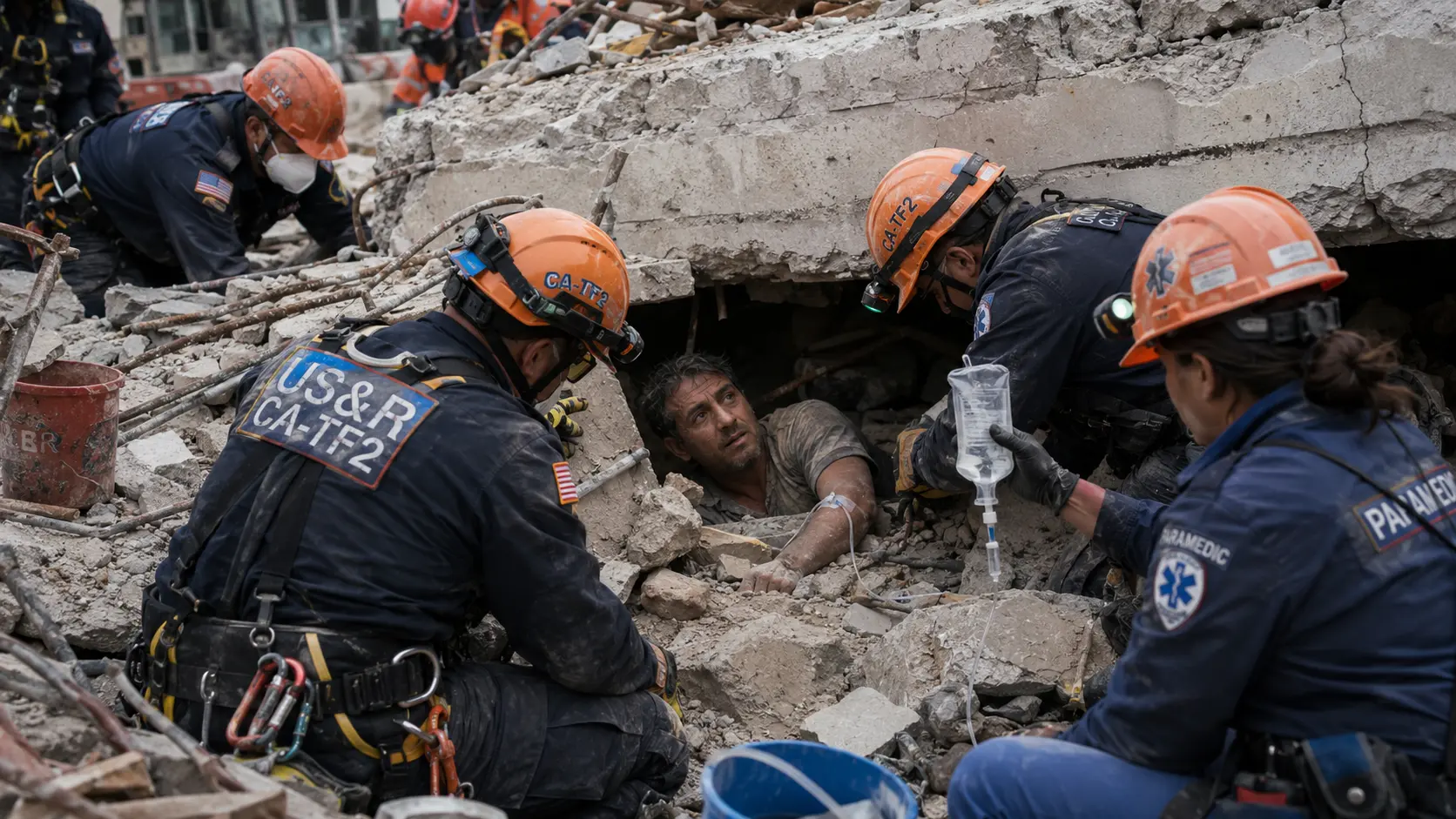
Extrication involves the process of freeing trapped individuals from vehicles or other entrapments in emergency situations. This skill is vital for EMTs and paramedics, as timely and effective extrication can significantly impact patient outcomes. Training in this area covers the use of specialized tools and techniques designed to minimize further injury to victims during the extraction process.
Key Techniques and Tools for Extrication
During EMT training, participants learn about various techniques employed in extrication, including the use of hydraulic rescue tools, commonly known as the “Jaws of Life.” These tools are essential for cutting through metal and other materials to access patients trapped in wreckage. Additionally, trainees are instructed on the importance of assessing the scene for safety before beginning extrication procedures. This includes evaluating the stability of the vehicle, the presence of hazardous materials, and ensuring that bystanders are at a safe distance.
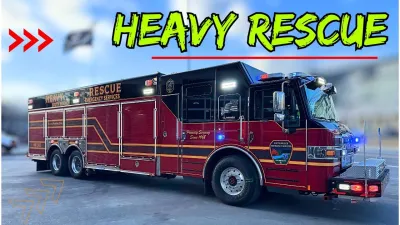
Moreover, EMTs are trained in the application of different extrication methods, such as the “simple” extrication technique, which involves using hand tools to remove doors or windows, and the “complex” extrication that may require advanced equipment and coordination with fire and rescue teams. Each method is tailored to the specific circumstances of the incident, emphasizing the need for adaptability and critical thinking in high-pressure situations.
Collaboration and Communication in Emergency Response
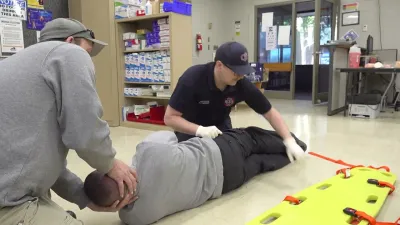
Effective extrication is not solely about physical skills; it also requires excellent communication and teamwork among emergency responders. EMTs must coordinate closely with firefighters, police, and other emergency personnel to ensure a smooth and efficient operation. Training programs often include simulations and drills that replicate real-life scenarios, allowing participants to practice their skills in a controlled environment while fostering collaboration.
As the landscape of emergency response continues to evolve, ongoing training and education in extrication techniques remain paramount for all EMTs. By staying current with the latest advancements in tools and methods, emergency personnel can enhance their effectiveness and ensure the safety of both patients and themselves in the field.

Comments 0
No comments yet. Be the first to share your thoughts on this video!
Leave a Comment