
Understanding Dangerous Goods Classification for Fireground Safety
Firefighters frequently encounter hazardous materials during emergency responses, making the knowledge of dangerous goods classification essential for safe and effective operations. This article breaks down the critical aspects of dangerous goods classification and explains how understanding these classes impacts fireground tactics and crew safety.
Identifying Dangerous Goods on the Fireground
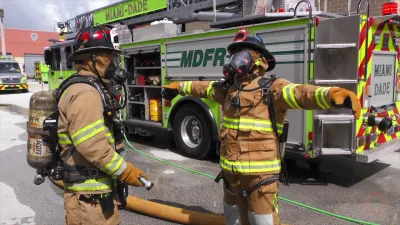
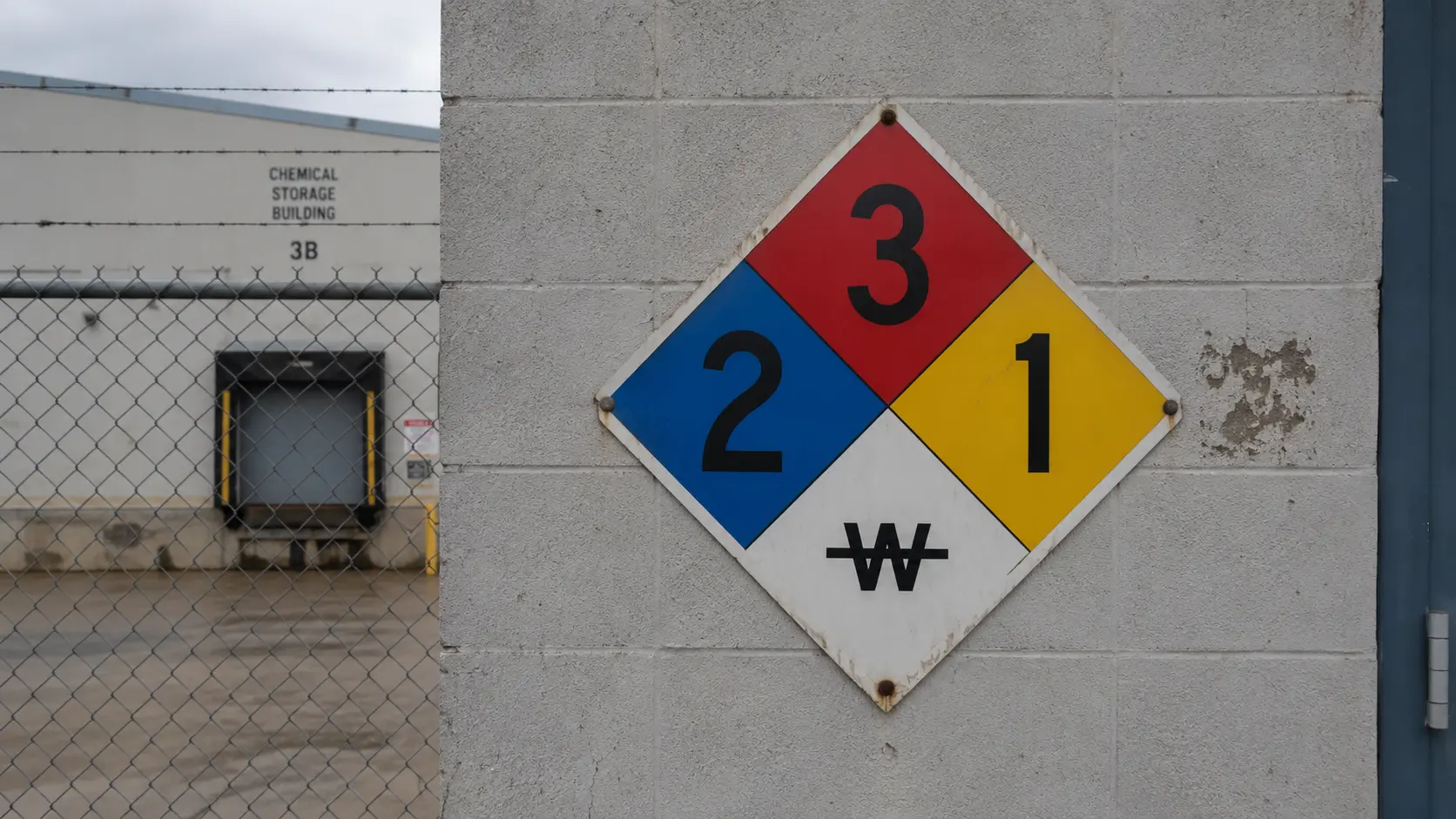
Dangerous goods are categorized into classes based on their specific hazards, such as flammability, toxicity, corrosivity, or explosiveness. Recognizing these classes through placards, labels, or shipping documents is vital for incident commanders and crews to determine the appropriate approach. For example, Class 1 explosives require strict isolation and evacuation distances, while Class 3 flammable liquids demand immediate ignition control and ventilation strategies. Proper identification ensures the correct use of personal protective equipment (PPE), including SCBA, and informs decisions on hose line placement, ventilation, and decontamination.
Operational Considerations and Crew Safety
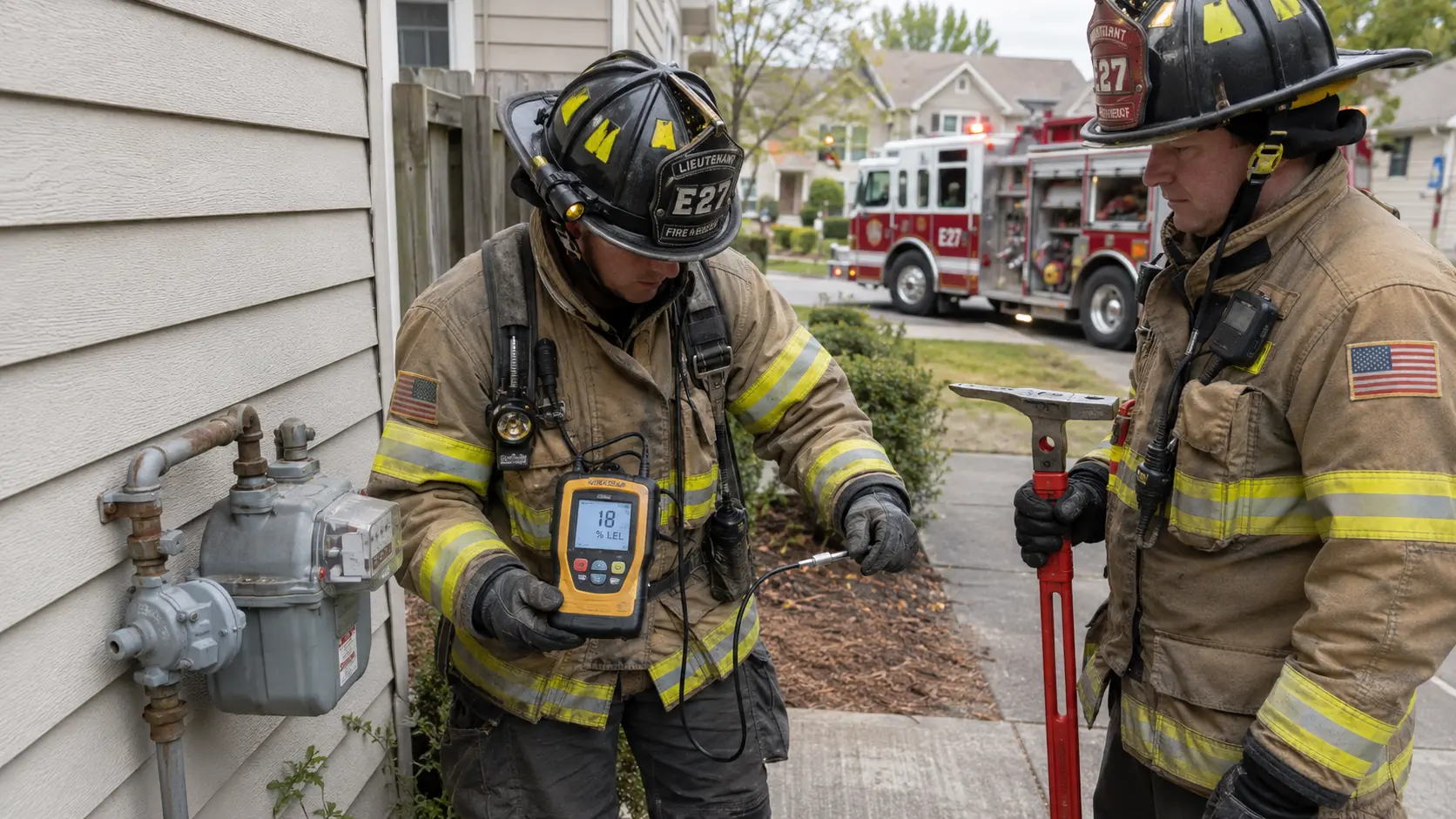
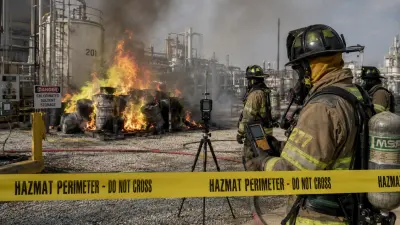
When dangerous goods are involved, standard firefighting tactics often need adjustment. Incident commanders must coordinate with hazardous materials teams and apply specialized procedures to contain spills, prevent chemical reactions, and protect exposures. Crews must maintain situational awareness and follow established protocols to avoid secondary hazards such as toxic smoke or violent reactions. The classification system guides risk assessment and resource allocation, ensuring that suppression efforts do not escalate the incident. Understanding dangerous goods classification ultimately enhances firefighter safety and operational effectiveness during complex incidents.
About This Video
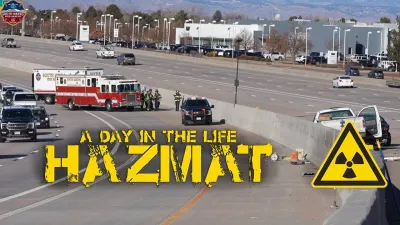
This 05:45 Hazmat video covers Understanding Dangerous Goods Classification for Fireground Safety. Topics include: dangerous goods, hazmat, fireground safety, firefighter PPE, incident command, hazard identification, fire suppression, SCBA, firefighter training, hazardous materials response.
Related Resources
Explore related firefighter Hazmat guides, free firefighter tools and the hazmat reference hub.
Training Note
All videos on AllFirefighter are curated for training and operational awareness. Always follow your department SOP/SOG and consult current standards before applying any technique on the fireground.
Comments 0
No comments yet. Be the first to share your thoughts on this video!
Leave a Comment