
Exploring a Rewarding Career in Firefighting
The firefighting profession stands as a beacon of courage and dedication, attracting individuals who are passionate about public safety and community service. As first responders, firefighters play a critical role in emergency situations, protecting lives and property from the devastating effects of fire and other hazards. This article delves into the various pathways and opportunities available for those aspiring to join this noble profession.
Understanding the Role of a Firefighter
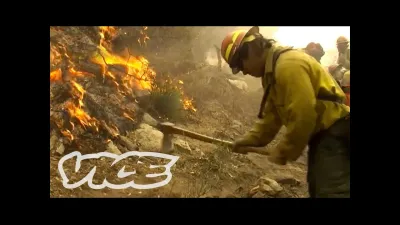
Firefighters are trained professionals equipped to respond to a wide range of emergencies, including structural fires, wildfires, medical emergencies, and hazardous material incidents. Their responsibilities extend beyond extinguishing flames; they also engage in fire prevention education, community outreach, and disaster preparedness. This multifaceted role requires not only physical strength and agility but also critical thinking and teamwork skills.
Pathways to a Successful Firefighting Career
To embark on a career in firefighting, candidates typically need to meet specific educational and training requirements. Most fire departments require a high school diploma or equivalent, while many prefer or require additional education in fire science or a related field. Training programs, often offered by community colleges or dedicated firefighting academies, provide essential hands-on experience and knowledge in fire behavior, emergency medical services, and rescue techniques.
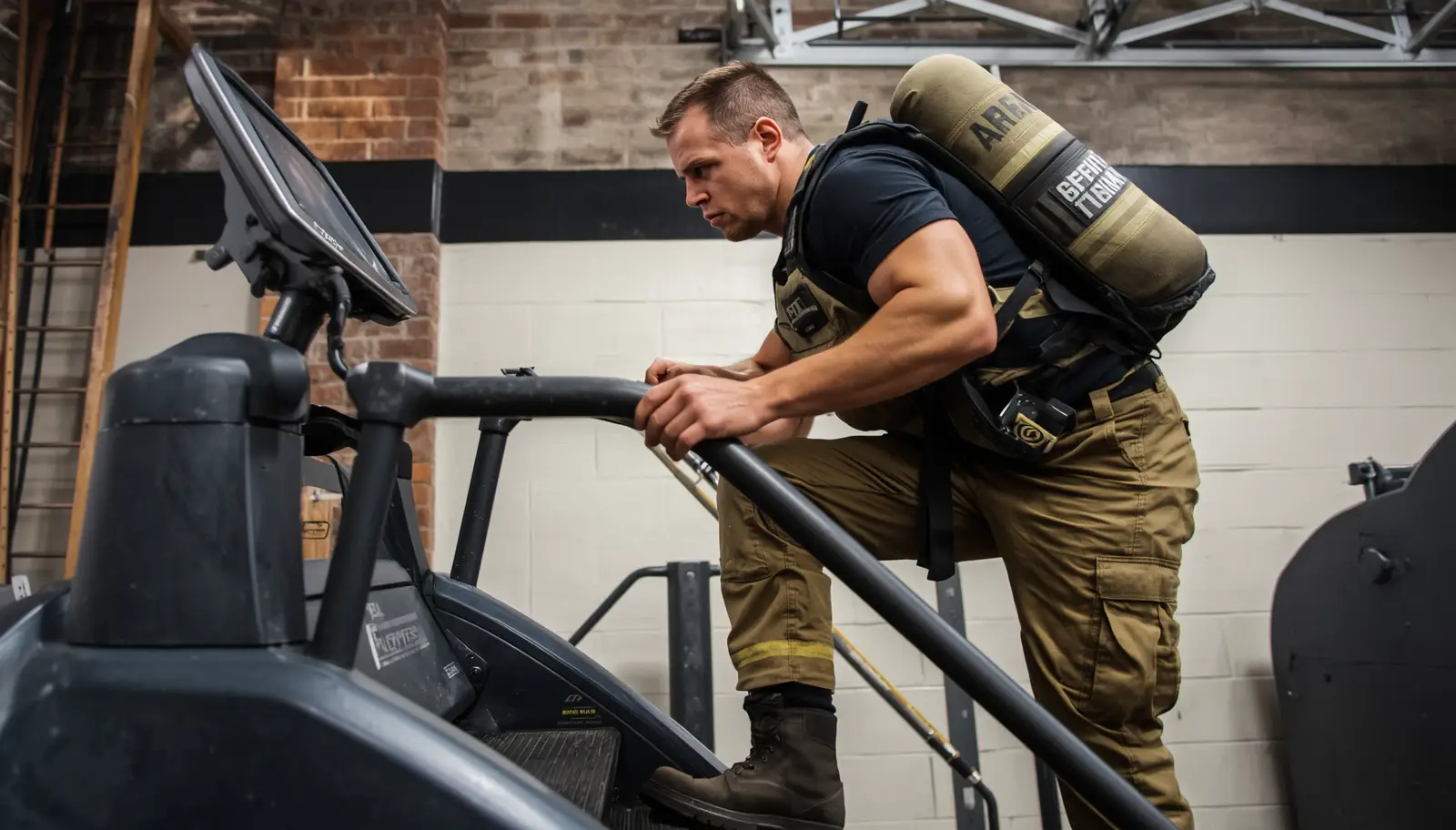
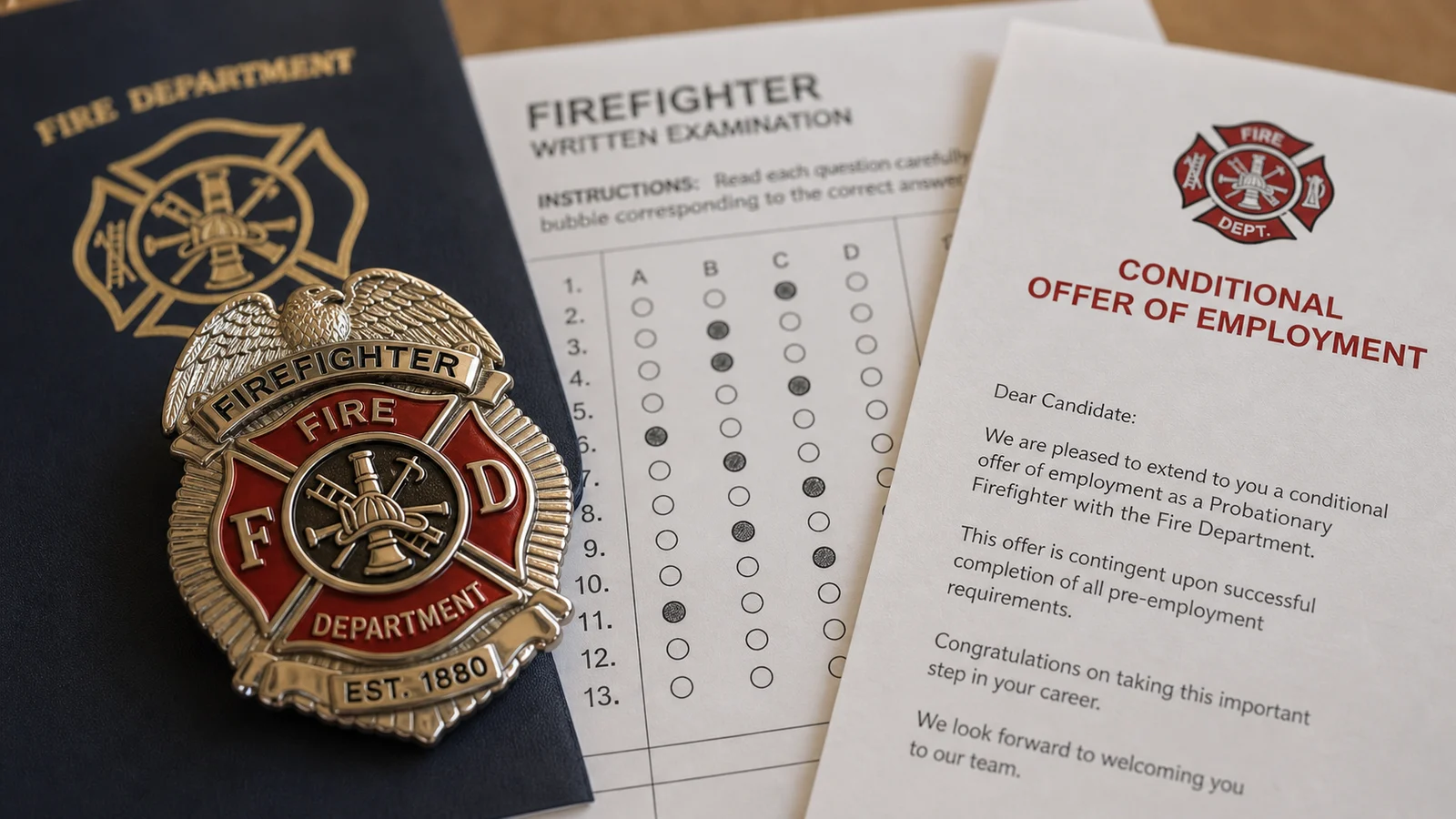
Prospective firefighters must also pass rigorous physical fitness tests and written examinations. Many departments offer internships or volunteer opportunities, providing invaluable real-world experience and exposure to the demands of the job. Additionally, obtaining certifications in CPR, first aid, and hazardous materials handling can enhance a candidate's qualifications.
The Impact of Technology on Firefighting
As technology continues to evolve, so does the firefighting profession. Modern firefighting equipment, such as thermal imaging cameras and drones, has revolutionized how firefighters respond to emergencies. These tools enhance situational awareness, allowing firefighters to locate victims and assess fire conditions more effectively. Furthermore, advancements in firefighting techniques and materials contribute to improved safety for both firefighters and the communities they serve.
In conclusion, a career in firefighting offers a unique blend of challenges and rewards, making it an appealing choice for those dedicated to serving their communities. With proper training, education, and a commitment to ongoing professional development, aspiring firefighters can find fulfillment in a profession that truly makes a difference.



Comments 0
No comments yet. Be the first to share your thoughts on this video!
Leave a Comment