
Exploring a Firefighter's Journey: Training, Hazards, and Daily Responsibilities
Firefighting is a demanding and noble profession that requires extensive training, resilience, and a commitment to public safety. This article delves into the multifaceted life of a firefighter, focusing on the rigorous training they undergo, the inherent risks they face on the job, and the daily responsibilities that define their career.
Rigorous Training Programs
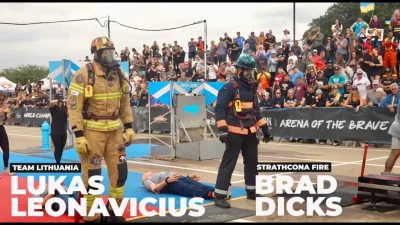
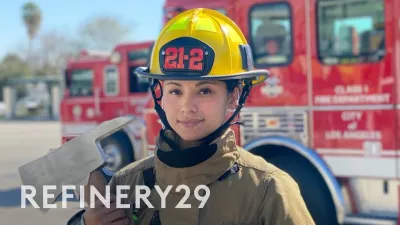
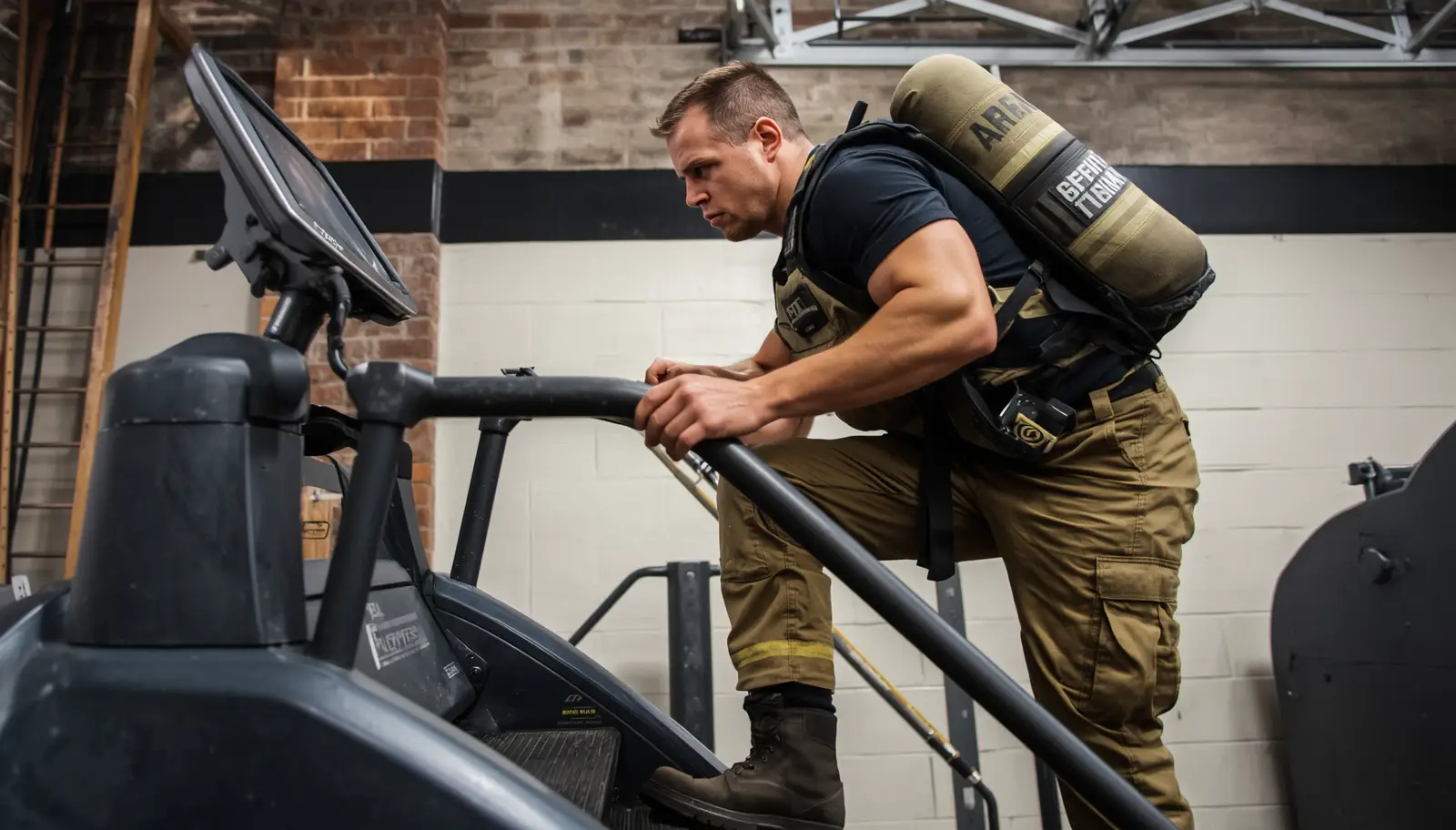
To become a firefighter, one must complete a comprehensive training program that equips them with essential skills and knowledge. This training includes physical conditioning, technical firefighting tactics, and emergency medical response. Recruits learn how to handle various firefighting equipment, understand fire behavior, and develop strategies for effective incident management. Many fire departments also require certifications in specialized areas such as hazardous materials handling and advanced life support.
Understanding the Risks
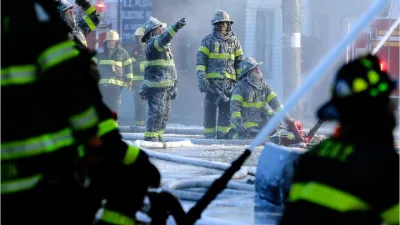
Firefighting is not without its dangers. Firefighters put their lives on the line to protect communities from the devastating effects of fires and emergencies. They face multiple hazards, including exposure to toxic smoke, extreme heat, and structural collapses. Additionally, the psychological impacts of the job, such as stress and trauma from witnessing traumatic events, are significant. Fire departments are increasingly recognizing the importance of mental health support and resilience training to help firefighters cope with these challenges.
Daily Responsibilities and Community Impact
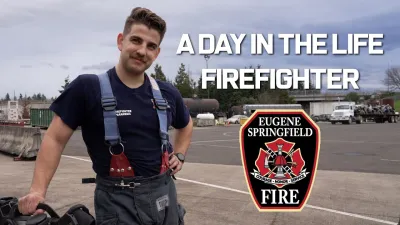
Each day in the life of a firefighter can vary greatly, with duties ranging from responding to emergency calls to conducting fire safety inspections and community outreach programs. Firefighters work in teams, relying on each other’s expertise and support. They also engage in continuous training and drills to stay prepared for any situation. Beyond fighting fires, firefighters play a crucial role in educating the public about fire safety, prevention measures, and emergency preparedness. Their work fosters a safer environment for all community members.
In conclusion, a career in firefighting is both rewarding and challenging. It requires a unique blend of physical prowess, technical knowledge, and emotional resilience. As we continue to explore the realities of this profession, it becomes clear that firefighters are not just responders; they are vital community members dedicated to ensuring public safety and well-being.



Comments 0
No comments yet. Be the first to share your thoughts on this video!
Leave a Comment