
Inside the Daily Routine of a Professional Firefighter
Firefighters play a crucial role in safeguarding lives and property from the devastating effects of fires. Their day-to-day activities are both demanding and dynamic, requiring a unique blend of physical fitness, mental resilience, and teamwork. This article delves into the typical routine of a firefighter, highlighting their responsibilities, challenges, and the camaraderie that defines this noble profession.
A Structured Yet Unpredictable Schedule
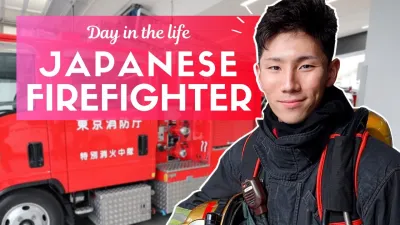
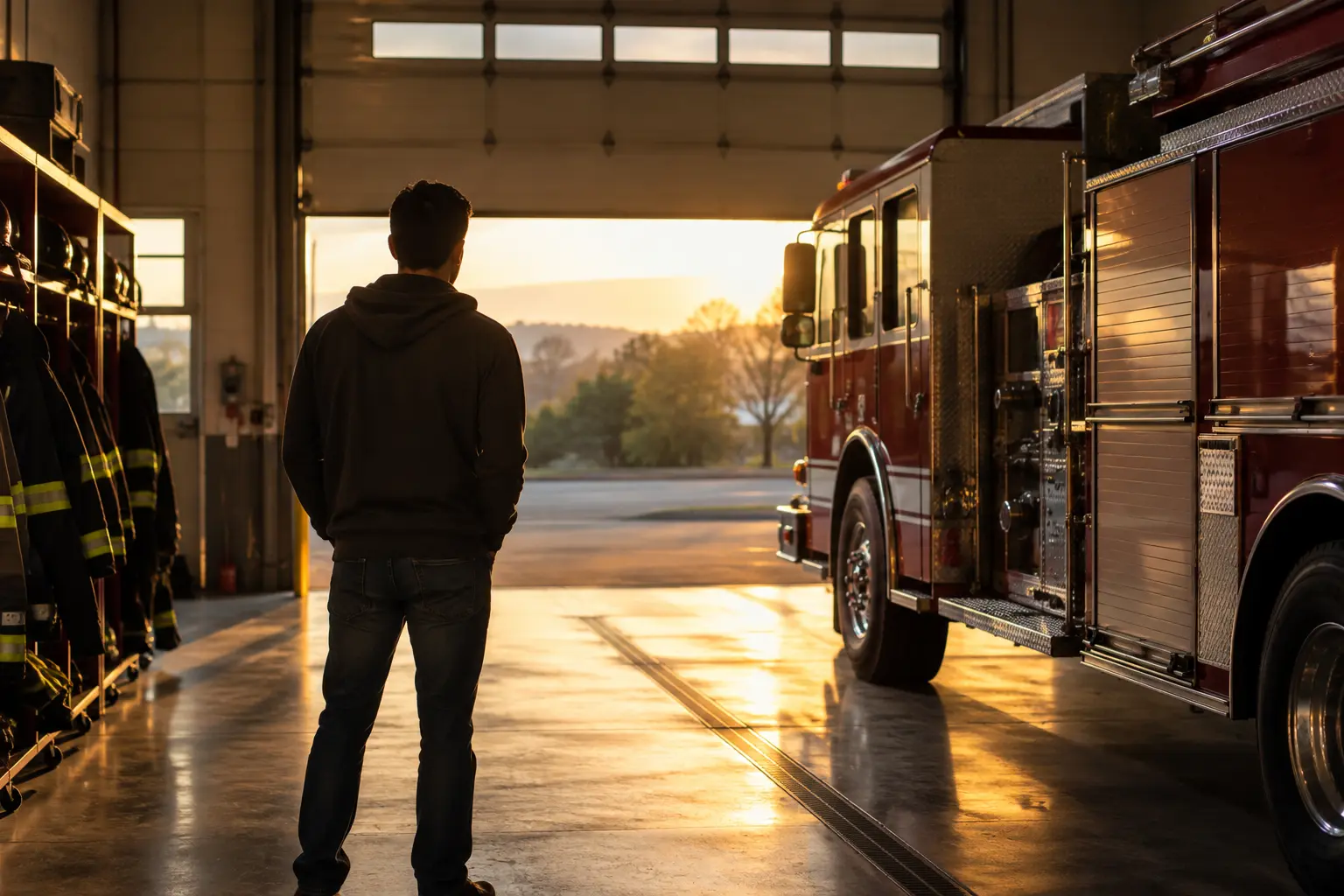
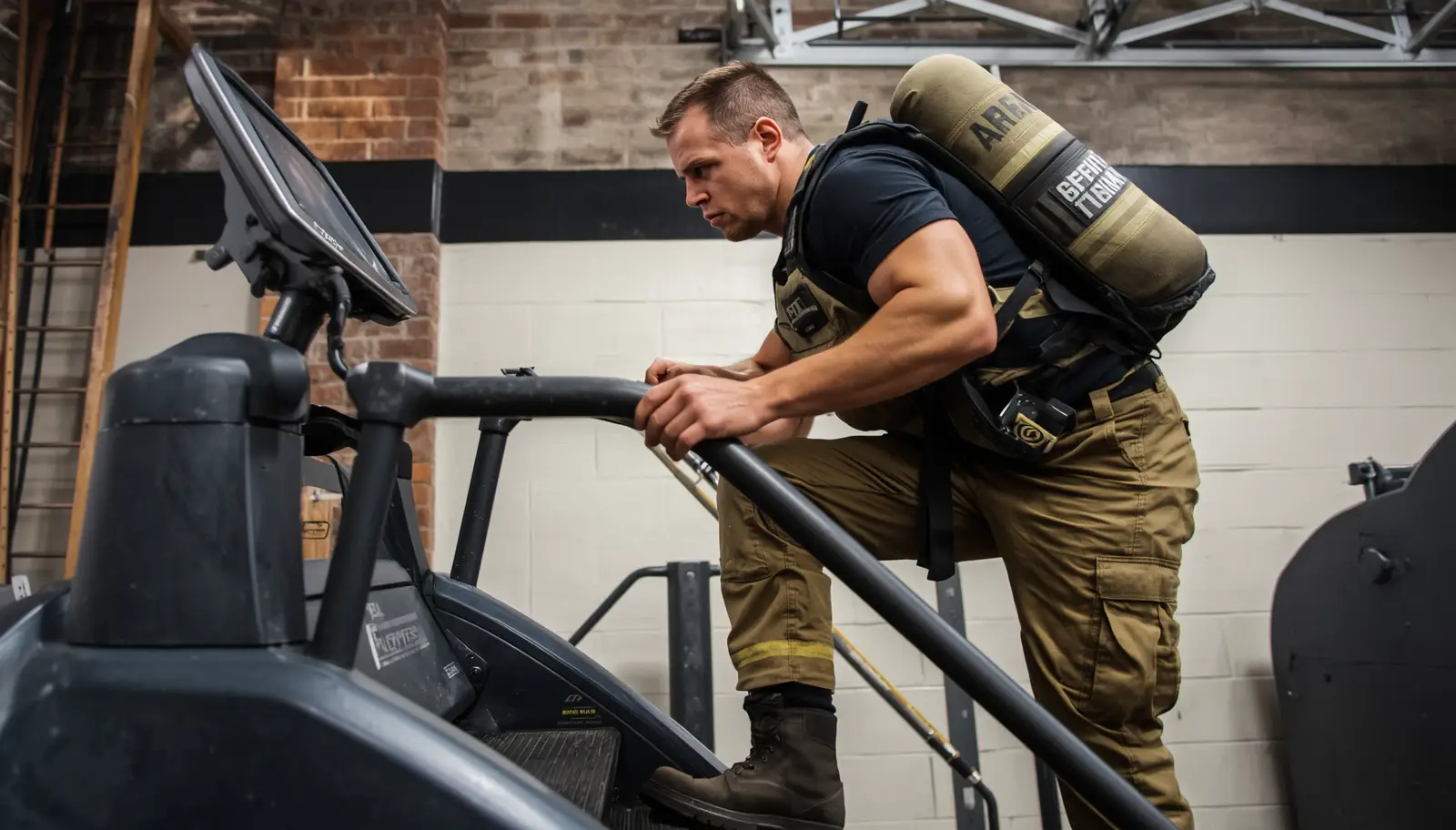
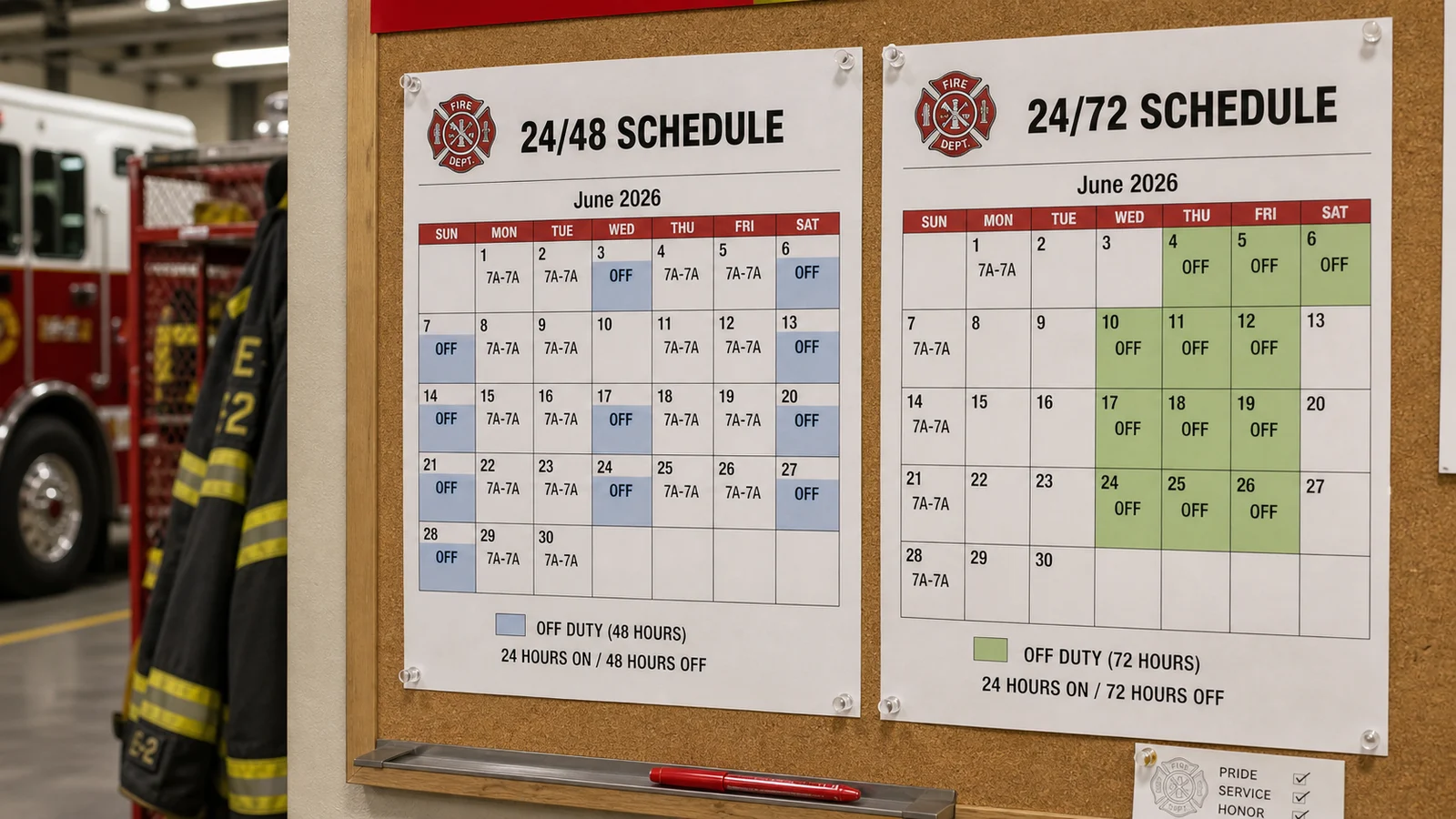
The day for a firefighter often begins with a structured schedule at the fire station. Firefighters report for duty and are assigned to specific apparatus, which can include engines, ladders, and rescue units. Each shift typically lasts 24 hours, during which they must remain ready to respond to emergencies at a moment’s notice. Morning routines involve physical training to maintain peak fitness levels, as the job demands significant physical exertion during emergencies.
After completing their workouts, firefighters participate in briefings where they discuss ongoing training, equipment checks, and any specific community events or safety initiatives. The importance of preparedness cannot be overstated, as each call can present unique challenges that require quick thinking and adaptability.
Responding to Emergencies
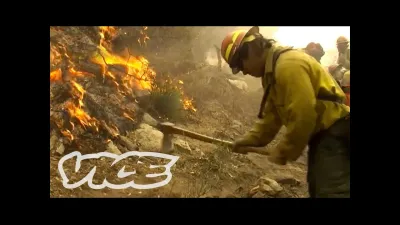
Firefighters are trained to respond to a wide range of emergencies, including structure fires, vehicle accidents, hazardous materials incidents, and medical emergencies. When the alarm sounds, they must don their protective gear quickly and efficiently, ensuring they are fully equipped for the task at hand. The adrenaline rush that accompanies each response is palpable, but so is the weight of responsibility they carry to protect lives.
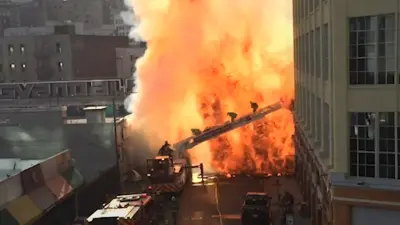
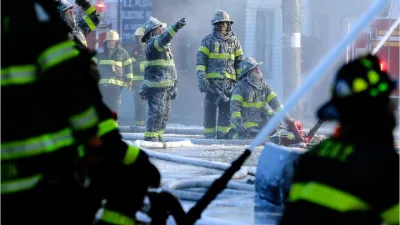
Upon arriving at the scene, teamwork is essential. Firefighters assess the situation, execute rescue operations, and deploy firefighting techniques to mitigate hazards. Whether it’s battling flames, performing CPR, or managing hazardous materials, their training and experience are vital in ensuring a successful outcome. Each incident contributes to their skill set, making them more adept at handling future emergencies.
Community Engagement and Continuous Training
Beyond emergency responses, firefighters actively engage with their communities through educational programs and outreach initiatives. They conduct fire safety demonstrations in schools, participate in local events, and offer training sessions on emergency preparedness. This proactive approach not only fosters community trust but also empowers citizens with the knowledge to respond effectively in emergencies.
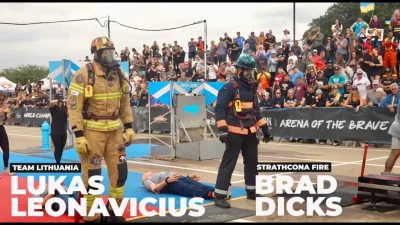
Continuous training is a hallmark of the firefighting profession. Firefighters are required to stay updated with the latest firefighting techniques, equipment advancements, and safety protocols. Regular drills and simulations ensure they remain proficient, ready to face the ever-evolving challenges of their roles.
In conclusion, the life of a firefighter is characterized by a commitment to service, rigorous training, and an unwavering dedication to community safety. Their daily routine reflects the balance between preparedness and the unpredictability of emergency situations, making them indispensable guardians in our society.


Comments 0
No comments yet. Be the first to share your thoughts on this video!
Leave a Comment