
Your Comprehensive Guide to Becoming a Firefighter Quickly
Becoming a firefighter is a noble and rewarding career choice, but it requires dedication, training, and a clear understanding of the steps involved. This guide aims to streamline your path to joining the ranks of those who bravely protect lives and property from fire hazards. Whether you are a high school graduate or seeking a career change, the following insights will help you make your aspiration a reality as soon as possible.
Understanding the Requirements
Before embarking on your journey to becoming a firefighter, it is essential to familiarize yourself with the basic requirements. Most fire departments require candidates to be at least 18 years old, possess a high school diploma or equivalent, and have a valid driver’s license. Additionally, many departments look for candidates who have completed an Emergency Medical Technician (EMT) course. This foundational knowledge not only enhances your application but also prepares you for the medical emergencies you may encounter on the job.
Training and Education Pathways
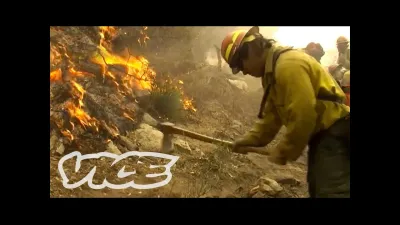
Once you meet the preliminary requirements, the next step is to pursue formal training. Many aspiring firefighters enroll in fire academy programs, which typically last six months to a year. These programs cover various topics, including fire science, hazardous materials handling, rescue techniques, and firefighting tactics. Hands-on training is critical, as it develops the skills needed to respond effectively in emergency situations.
In addition to fire academy training, consider obtaining certifications such as Firefighter I and II, which are recognized nationally. These certifications not only enhance your qualifications but also make you a more competitive candidate during the hiring process. Furthermore, continuous education through workshops and seminars can keep you updated on the latest firefighting technologies and methodologies.
Application Process and Interview Preparation
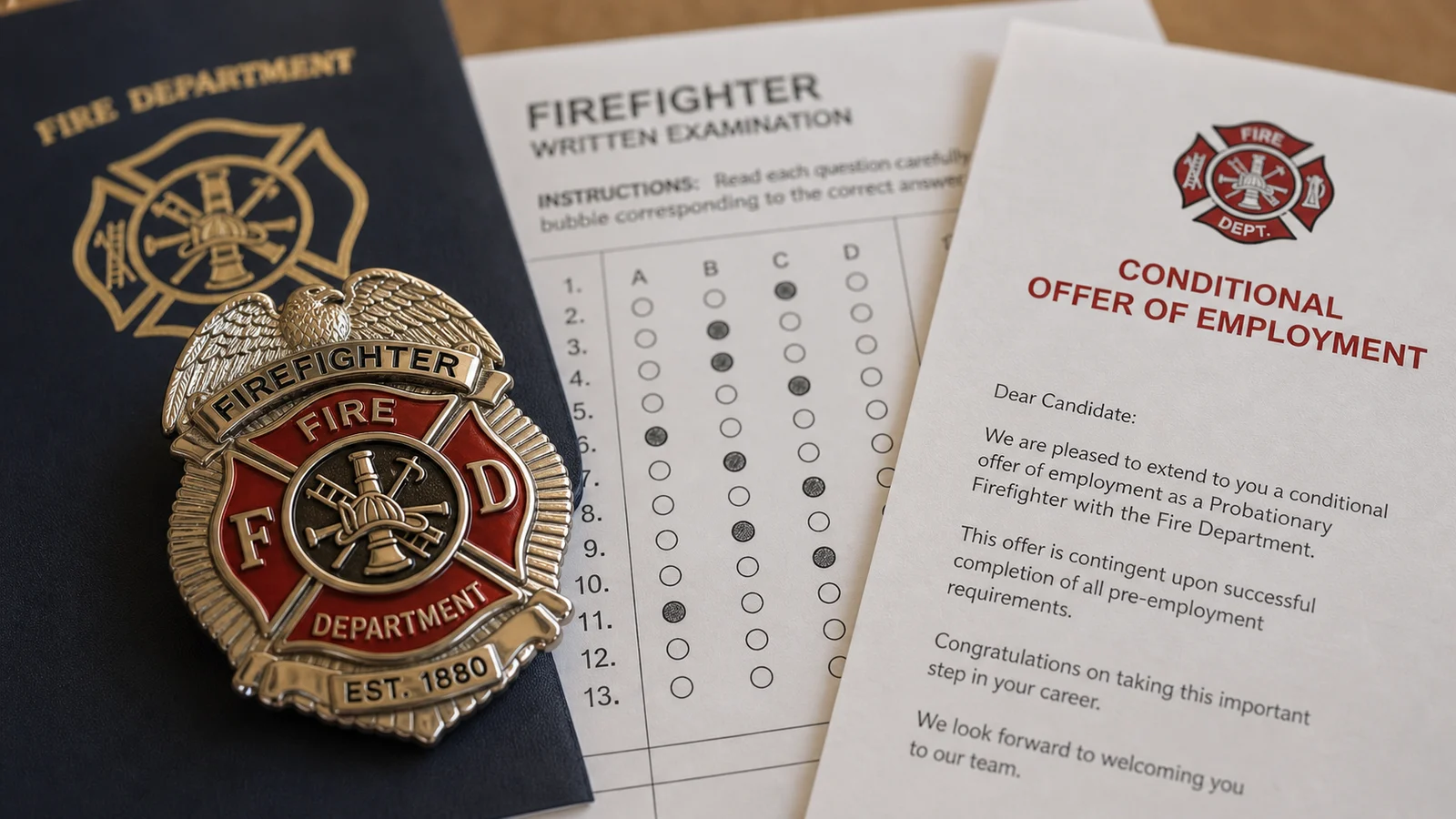
After completing your training, it's time to apply. Research local fire departments and their recruitment processes, as they can vary significantly. Prepare your application meticulously, highlighting your training, certifications, and any relevant experience, such as volunteer firefighting or emergency response roles. A well-prepared resume can make a significant difference in standing out among numerous applicants.
Once you secure an interview, be ready to demonstrate your knowledge of firefighting principles and your commitment to public safety. Many fire departments conduct physical agility tests and psychological evaluations to ensure candidates are fit for the demanding nature of the job. Practicing for these assessments can increase your chances of success.
Conclusion
In conclusion, the path to becoming a firefighter may seem daunting, but with the right preparation and dedication, you can turn your dream into a reality. By understanding the requirements, pursuing the necessary training, and preparing thoroughly for the application process, you can expedite your journey into this fulfilling profession. Embrace the challenge, and take the first steps towards a rewarding career as a firefighter today!




Comments 0
No comments yet. Be the first to share your thoughts on this video!
Leave a Comment