
Overview of a Japanese Firefighter's Operational Day
This article examines the daily operational activities of a Japanese firefighter, highlighting key firefighting tactics and crew coordination observed during routine emergency responses. Understanding the structure and function of their fireground operations offers practical lessons for firefighters and officers worldwide.
Crew Roles and Apparatus Deployment
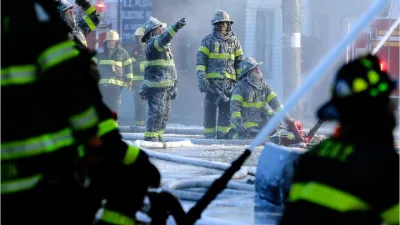
Japanese firefighting crews typically operate with disciplined roles and clear communication. Apparatus are strategically deployed to optimize access and water supply. Crews conduct rapid size-ups to assess fire conditions and building layout, ensuring efficient hose line advancement and safety. The use of personal protective equipment (PPE) and self-contained breathing apparatus (SCBA) is strictly enforced to maintain firefighter safety during interior attack and overhaul phases.
Tactical Execution and Operational Lessons
Ventilation tactics are carefully coordinated to control smoke movement and improve visibility for interior crews. Japanese firefighters often emphasize teamwork and methodical progression, limiting unnecessary risks. Their approach to search and rescue prioritizes occupant safety while maintaining fire control. These operational practices underscore the importance of discipline, communication, and adherence to established fireground protocols in achieving effective incident outcomes.
By examining the daily activities of Japanese firefighters, responders can gain valuable insights into efficient crew management, tactical decision-making, and safety practices applicable across diverse fireground environments.
About This Video
This 18:42 Career video covers Operational Insights from a Japanese Firefighter's Daily Routine. Topics include: firefighting, Japanese fire service, fireground operations, crew coordination, fire tactics, PPE, SCBA, interior attack, ventilation, emergency response.
Related Resources
Explore related firefighter Career guides, free firefighter tools and the hazmat reference hub.
Training Note
All videos on AllFirefighter are curated for training and operational awareness. Always follow your department SOP/SOG and consult current standards before applying any technique on the fireground.
Comments 0
No comments yet. Be the first to share your thoughts on this video!
Leave a Comment