
Understanding the Daily Operations of a Hazmat Team
Hazardous materials (hazmat) teams play a critical role in managing chemical, biological, radiological, and other dangerous substance incidents. This article examines a typical day for a hazmat crew, focusing on the operational tasks they perform and the safety considerations that guide their work.
Preparation and Response
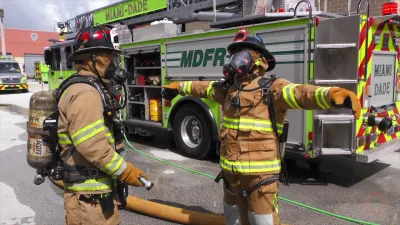
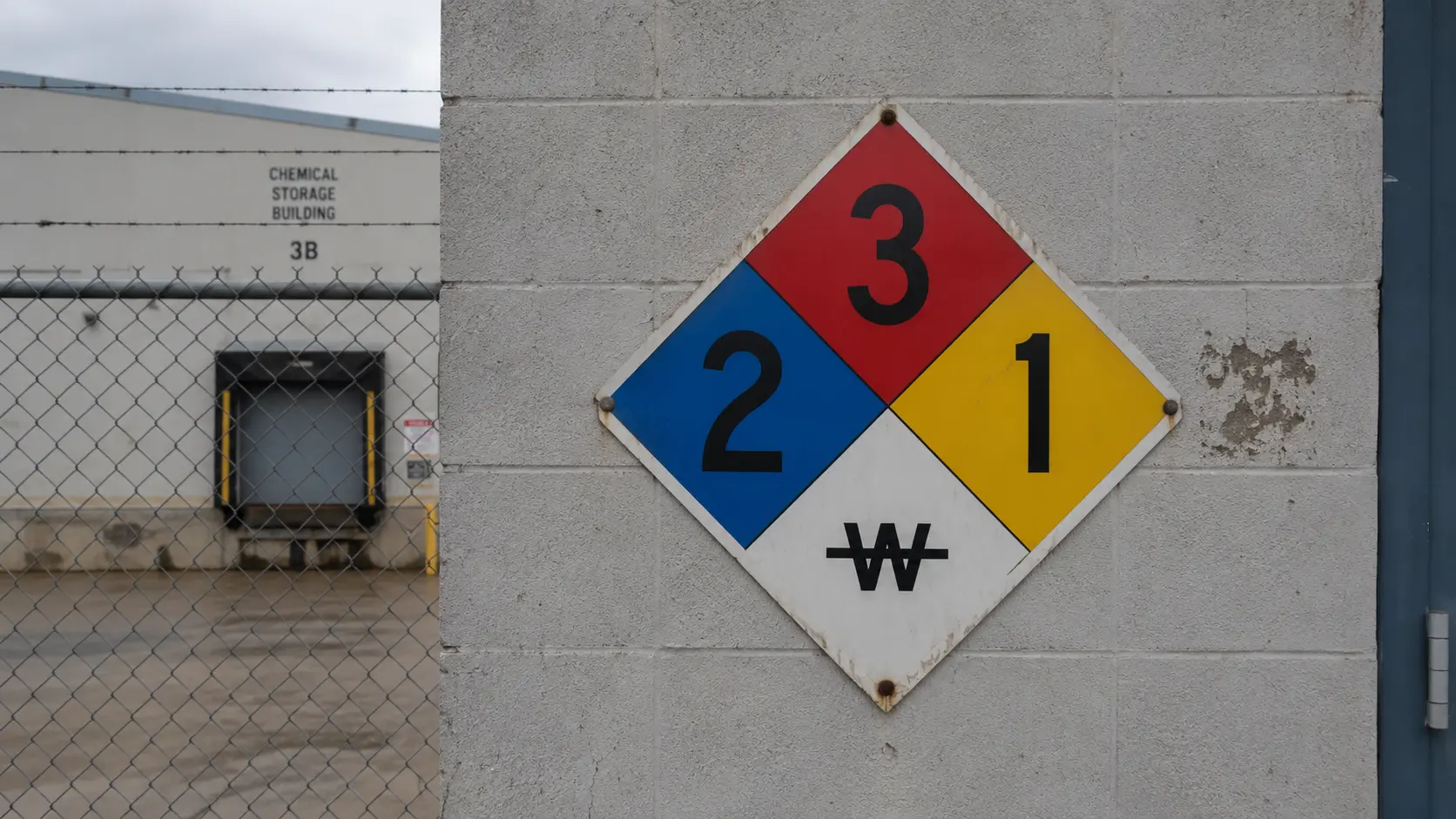
Hazmat teams begin their day by inspecting and maintaining specialized equipment, including Level A and B personal protective equipment (PPE), self-contained breathing apparatus (SCBA), detection instruments, and decontamination gear. Ensuring all apparatus and tools are ready for immediate deployment is vital for rapid and effective response. When dispatched, the crew establishes an incident command structure, assesses the scene for hazards, and determines the appropriate level of protection for entry teams. Their approach includes identifying the hazardous material involved, isolating the area, and implementing control measures to prevent further contamination.
Operational Execution and Safety Protocols
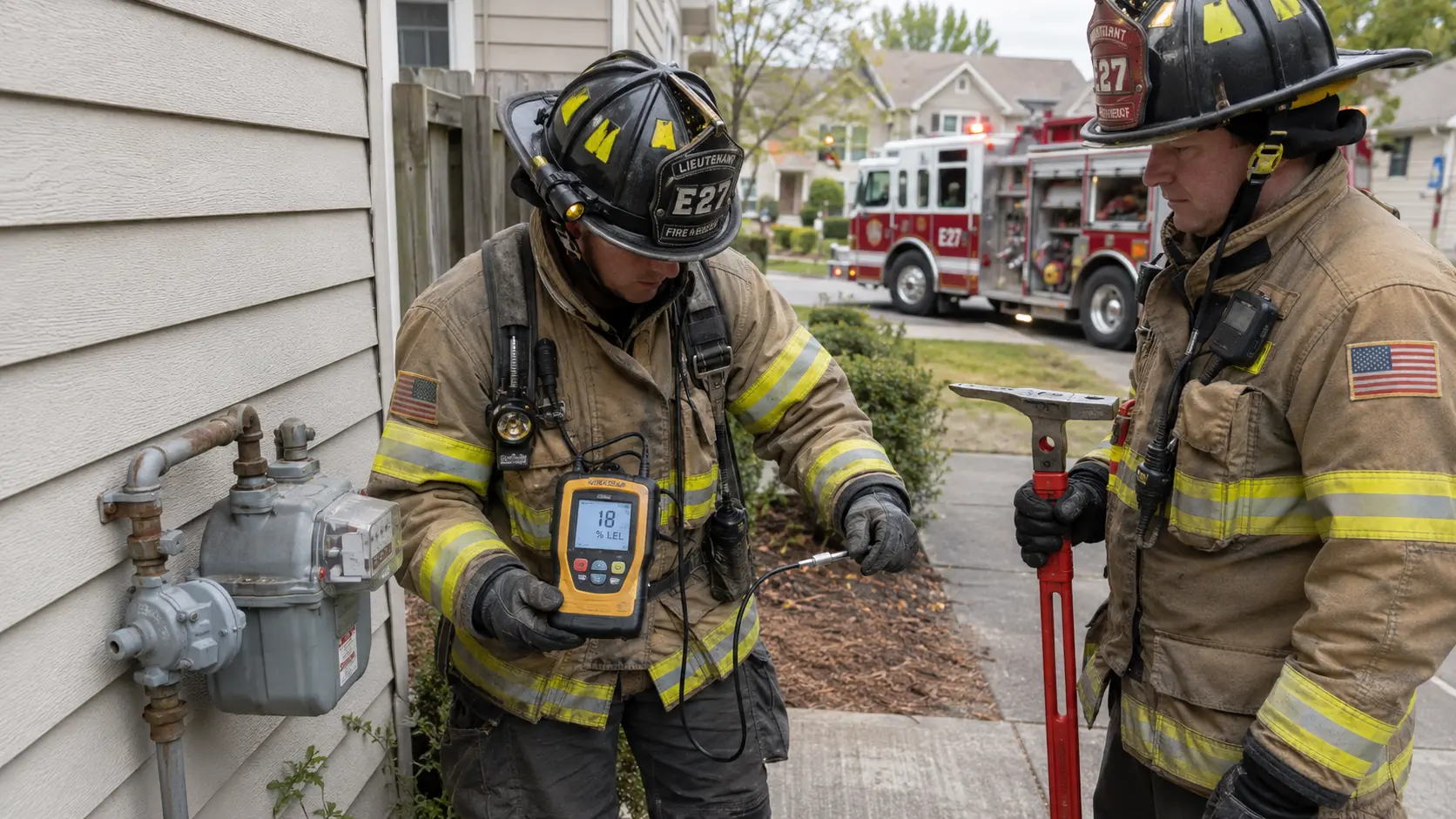
During an incident, the hazmat team conducts reconnaissance and containment procedures while maintaining communication with command and other responding units. They perform tasks such as leak control, product recovery, and decontamination of personnel and equipment. Strict adherence to safety protocols, including continuous air monitoring and proper use of PPE, minimizes exposure risks. The crew also coordinates with law enforcement and medical personnel to manage the incident effectively. These operational practices underscore the importance of specialized training and teamwork in mitigating hazardous materials emergencies safely and efficiently.
Understanding the day-to-day functions of a hazmat team enhances overall fireground coordination and reinforces the critical safety measures necessary for handling dangerous substance incidents.
About This Video
This 13:50 Hazmat video covers Inside a Hazmat Team's Daily Operations: Key Fireground Roles and Safety Protocols. Topics include: hazmat, hazardous materials, fireground operations, PPE, decontamination, incident command, firefighter safety, SCBA, hazmat response, emergency response.
Related Resources
Explore related firefighter Hazmat guides, free firefighter tools and the hazmat reference hub.
Training Note
All videos on AllFirefighter are curated for training and operational awareness. Always follow your department SOP/SOG and consult current standards before applying any technique on the fireground.
Comments 0
No comments yet. Be the first to share your thoughts on this video!
Leave a Comment