
Managing a Hydrant Blowout: FDNY Engine 22's Operational Response
During fireground operations, maintaining a reliable water supply is critical. FDNY Engine 22 encountered a significant challenge when a fire hydrant began shooting water approximately 40 feet into the air. This unexpected high-pressure blowout posed a hazard to the crew, apparatus, and bystanders, requiring immediate action to secure the scene and restore control.
Operational Actions Taken by Engine 22
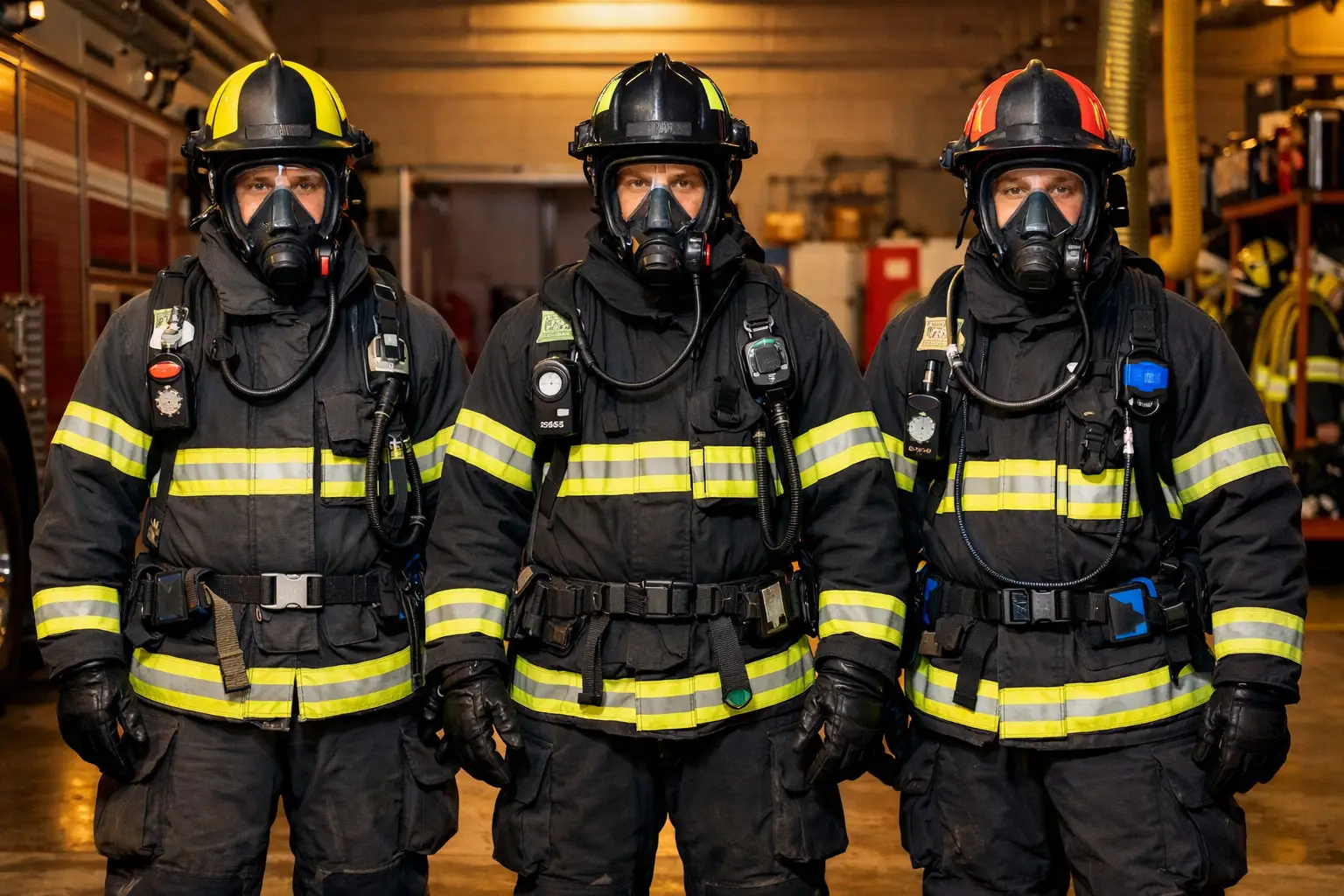
Upon arrival, the crew identified the hydrant malfunction and quickly assessed the situation. The high-pressure water discharge indicated a compromised hydrant valve or a broken standpipe, which can result in loss of water pressure and potential damage to equipment. Engine 22’s firefighters donned full PPE and SCBA as a precaution against slip hazards and debris propelled by the water stream. The officer coordinated with the water department to shut down the hydrant supply, preventing further uncontrolled flow.
Simultaneously, the crew established an alternate water source to maintain fire suppression capabilities. They utilized portable water tanks and rerouted supply lines to ensure uninterrupted water flow to the attack lines. Communication with the incident commander was maintained to update on water supply status and adjust tactics accordingly.
Lessons and Fireground Implications
This incident highlights the importance of hydrant inspection and readiness prior to and during fire operations. A hydrant failure can jeopardize water supply integrity and create slip or impact hazards. Firefighters must remain vigilant for signs of hydrant malfunction and be prepared to implement contingency plans, including immediate shutoff coordination and alternate water supply deployment.
Engine 22’s response demonstrates effective hazard recognition, crew safety prioritization, and operational adaptability. Maintaining situational awareness and clear communication ensures that hydrant-related incidents do not compromise fire suppression efforts or firefighter safety.
About This Video
This 10:37 Training video covers FDNY Engine 22 Controls a High-Pressure Hydrant Blowout During Fireground Operations. Topics include: hydrant blowout, fireground operations, FDNY Engine 22, water supply, fire hydrant safety, firefighter PPE, fire apparatus, fireground hazards, incident command, firefighter safety, fire suppression, hydrant management.
Related Resources
Explore related firefighter Training guides, free firefighter tools and the hazmat reference hub.
Training Note
All videos on AllFirefighter are curated for training and operational awareness. Always follow your department SOP/SOG and consult current standards before applying any technique on the fireground.



Comments 0
No comments yet. Be the first to share your thoughts on this video!
Leave a Comment