
Essential Search Techniques for Firefighters: A Comprehensive Guide
In the high-stakes world of firefighting, effective search techniques are paramount for ensuring the safety of both victims and firefighters alike. This article delves into the fundamental search techniques that every firefighter must master to operate efficiently in emergency situations.
Understanding the Importance of Search Techniques
Search techniques are critical during firefighting operations, especially when lives are at stake. The ability to locate and rescue trapped individuals quickly can mean the difference between life and death. Firefighters must be equipped with the knowledge and skills necessary to navigate hazardous environments, mitigate risks, and execute successful search and rescue missions.
Types of Search Techniques
Firefighters utilize various search techniques tailored to specific scenarios. Among the most common are the oriented search, the systematic search, and the targeted search. Each technique has its own set of procedures and applications:
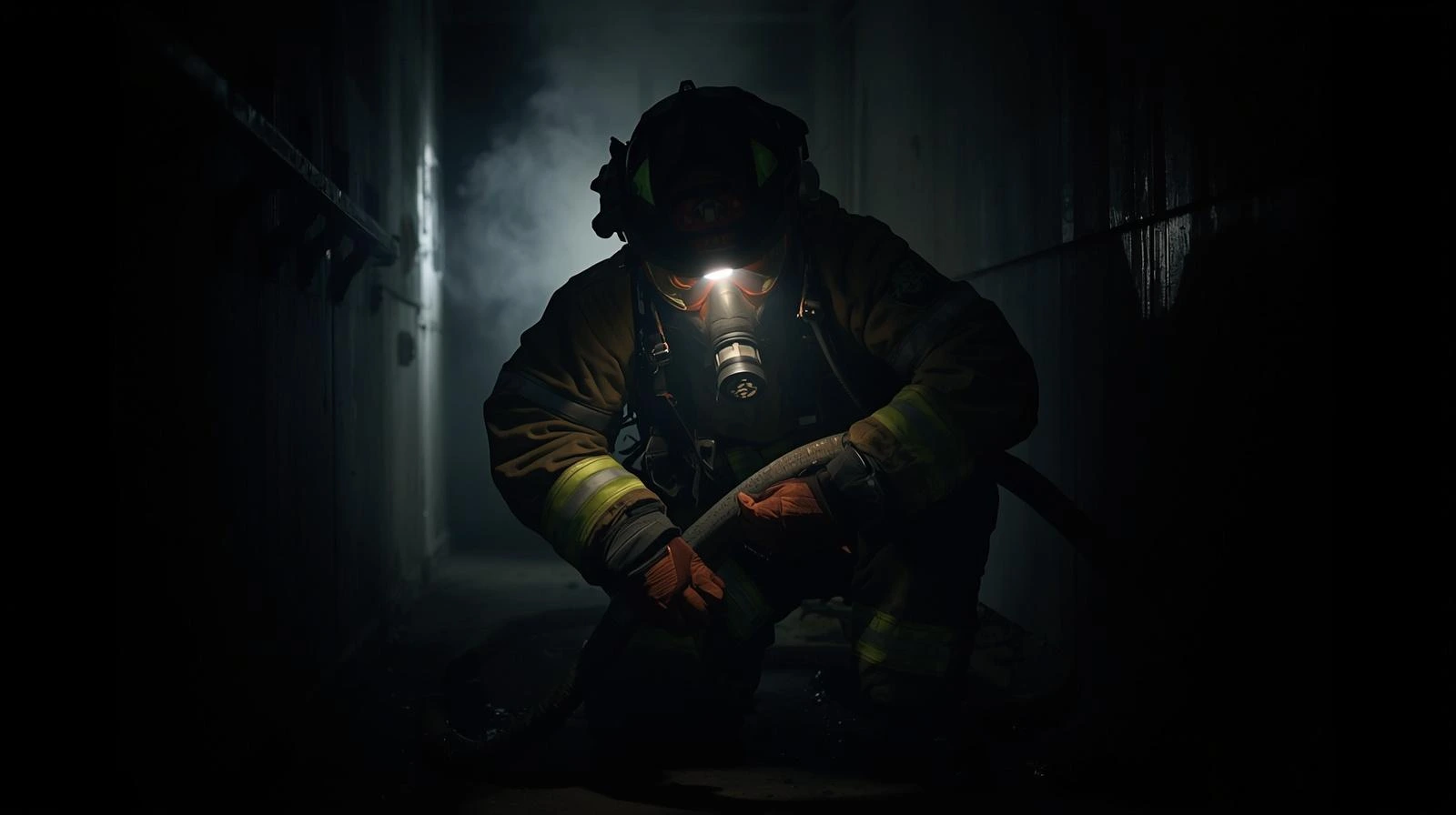
- Oriented Search: This technique focuses on maintaining a point of reference to effectively navigate through smoke-filled or dark environments. Firefighters often use a wall or other structural features to guide their movements.
- Systematic Search: In this method, firefighters divide the area into sections and search each section methodically. This ensures that no areas are overlooked, increasing the chances of locating victims.
- Targeted Search: This approach is employed when specific information about a victim's location is available. Firefighters concentrate their efforts on the identified area to facilitate a swift rescue.
Key Considerations for Effective Search Operations
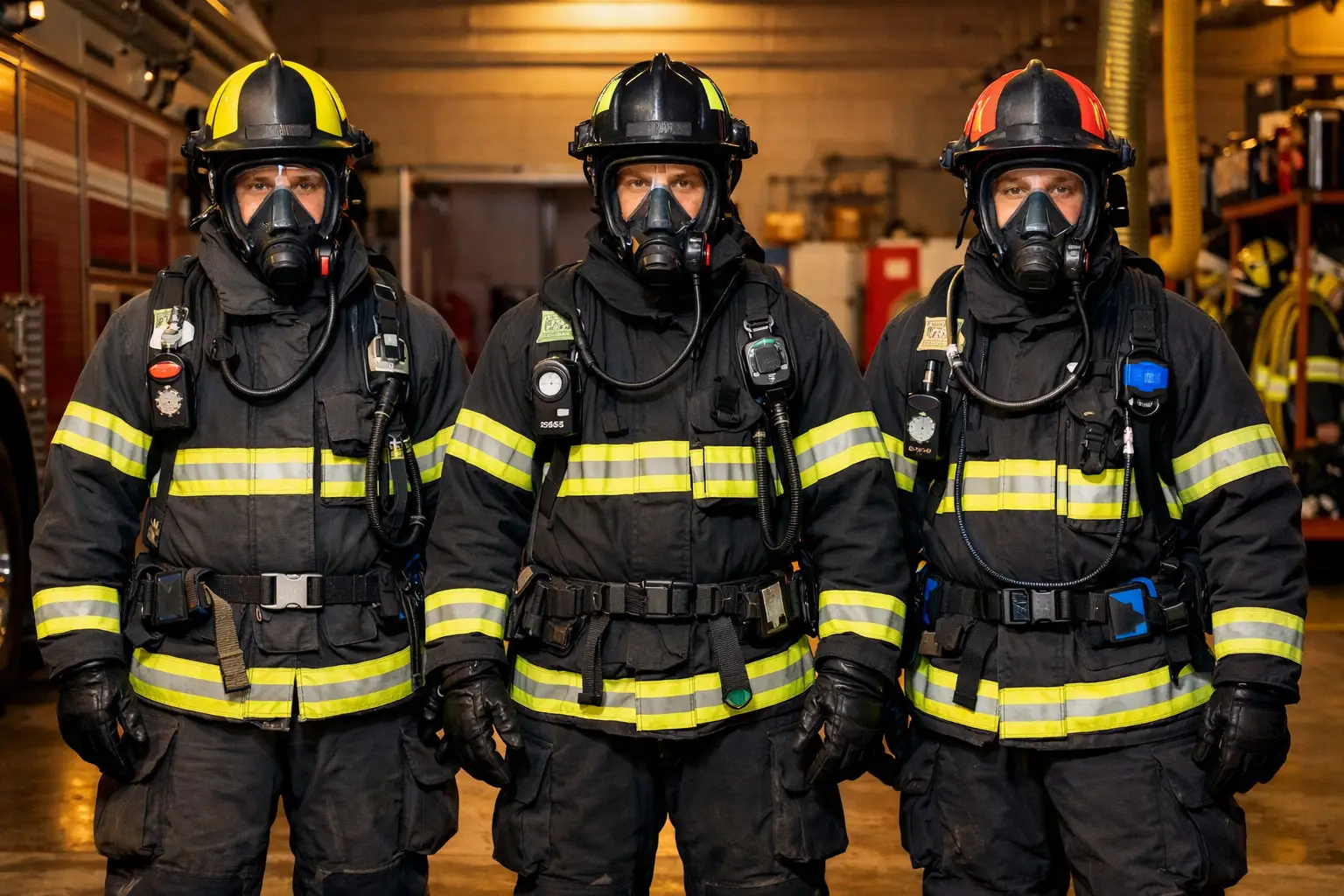
Several factors must be considered when conducting search operations. Firefighters should always communicate effectively with their teams and utilize personal protective equipment (PPE) to safeguard against hazards. Additionally, understanding fire behavior and the dynamics of smoke can significantly impact search strategies. Training and drills are essential for honing these skills, allowing firefighters to respond confidently and efficiently during real-life emergencies.
Furthermore, the use of technology, such as thermal imaging cameras, can enhance search capabilities by identifying heat signatures in low-visibility conditions. These tools are invaluable in modern firefighting, enabling teams to locate victims more rapidly.
Conclusion
In conclusion, mastering essential search techniques is crucial for all firefighters. By understanding and practicing these methods, firefighters can improve their operational effectiveness, increase safety for both themselves and the public, and ultimately save lives. Continuous training and adaptation to new technologies will further enhance search and rescue operations in the ever-evolving field of firefighting.


Comments 0
No comments yet. Be the first to share your thoughts on this video!
Leave a Comment