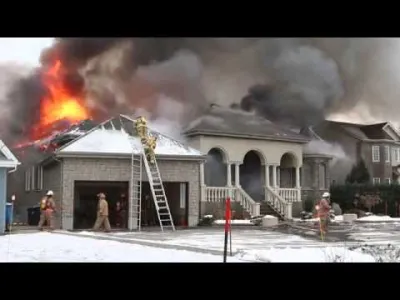
Backdraft remains one of the most dangerous phenomena firefighters face during structural fires. Training specifically focused on recognizing and safely managing backdraft conditions is critical to reducing risk and improving operational effectiveness. South Korea has developed specialized training programs to simulate backdraft scenarios, providing firefighters with hands-on experience in controlled environments.
Understanding Backdraft in Training
Backdraft occurs when a fire has consumed most available oxygen in an enclosed space, causing unburned gases to accumulate. When oxygen is suddenly reintroduced, these gases can ignite explosively. Training in South Korea emphasizes the importance of recognizing signs such as smoke behavior, pressure changes, and heat indicators before entry. Firefighters are taught to:
- Observe smoke color and movement for clues of oxygen depletion
- Use thermal imaging to detect heat buildup behind doors or windows
- Employ controlled ventilation techniques to prevent sudden oxygen influx
- Communicate constantly and maintain situational awareness
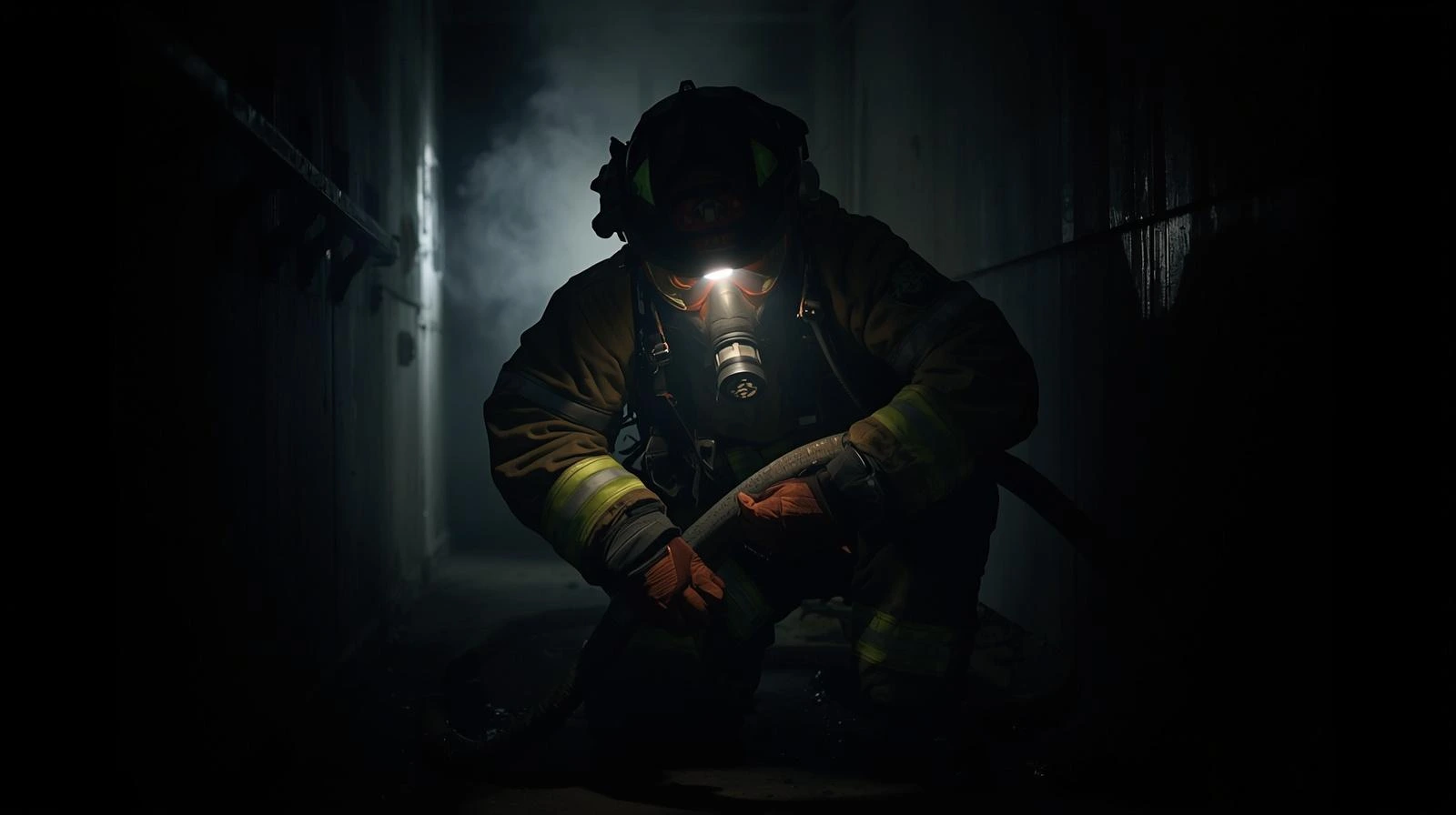
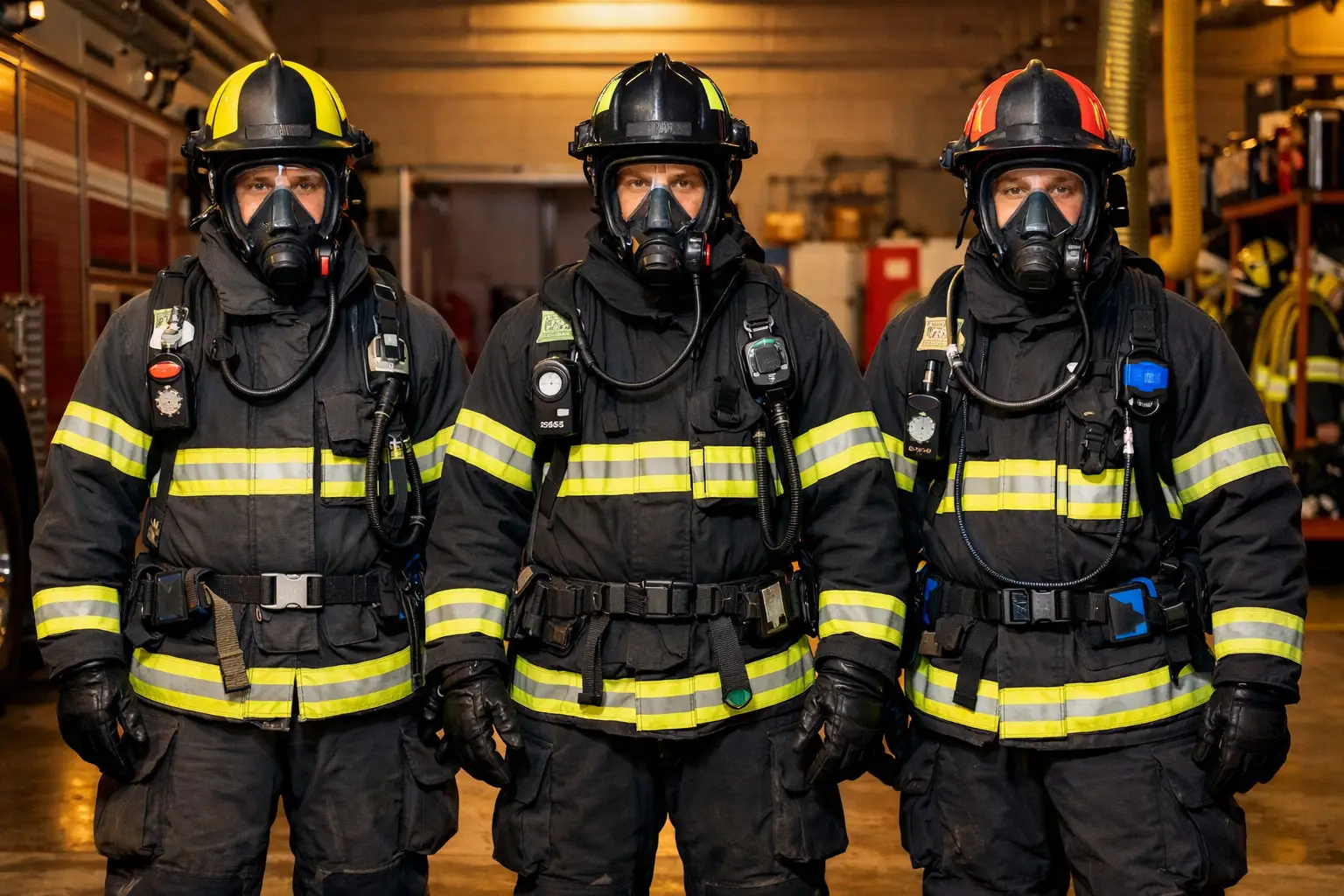
- Utilize proper personal protective equipment and breathing apparatus
Operational Practices During Backdraft Training
Simulated backdraft exercises in South Korea focus on replicating realistic fire dynamics while ensuring trainee safety. These drills allow firefighters to practice decision-making under stress, including when to ventilate and how to approach entry points. Command officers use these sessions to reinforce coordination between teams and the importance of establishing safe zones. Key operational takeaways include:
- Maintaining safe distances when approaching potential backdraft environments
- Coordinating ventilation with attack teams to control fire behavior
- Using rapid intervention teams ready to assist in emergencies
- Following strict protocols for entry and exit during high-risk conditions
While the exact methods and scenarios may vary, the core principles of backdraft training remain consistent worldwide. South Korea's approach highlights the value of realistic, controlled exposure to dangerous fire behaviors to prepare firefighters for real-world incidents. Understanding and respecting backdraft phenomena is essential for firefighter safety and effective fireground tactics.
About This Video
This 04:20 Training video covers Backdraft Training Techniques and Safety Procedures in South Korea. Topics include: backdraft, firefighting training, South Korea, fire behavior, fire safety, firefighters, fire suppression, training drills, fire dynamics, emergency response.
Related Resources
Explore related firefighter Training guides, free firefighter tools and the hazmat reference hub.
Training Note
All videos on AllFirefighter are curated for training and operational awareness. Always follow your department SOP/SOG and consult current standards before applying any technique on the fireground.

Comments 0
No comments yet. Be the first to share your thoughts on this video!
Leave a Comment