
Mastering Initial Hose Advancement in Firefighting
In the demanding field of firefighting, the ability to effectively advance a hose line is crucial for the success of operations. This article delves into the techniques and strategies involved in the initial hose advancement, emphasizing the importance of a well-coordinated nozzle forward operation.
Understanding Hose Advancement
The process of hose advancement involves strategically maneuvering the fire hose to reach the seat of the fire. This requires not only physical strength but also tactical knowledge. Firefighters must assess the situation, determine the best approach, and communicate effectively with their team. The initial hose advancement is typically the first critical step in suppressing a fire, making it essential for firefighters to be trained and prepared.
Key Techniques for Successful Nozzle Forward Operations
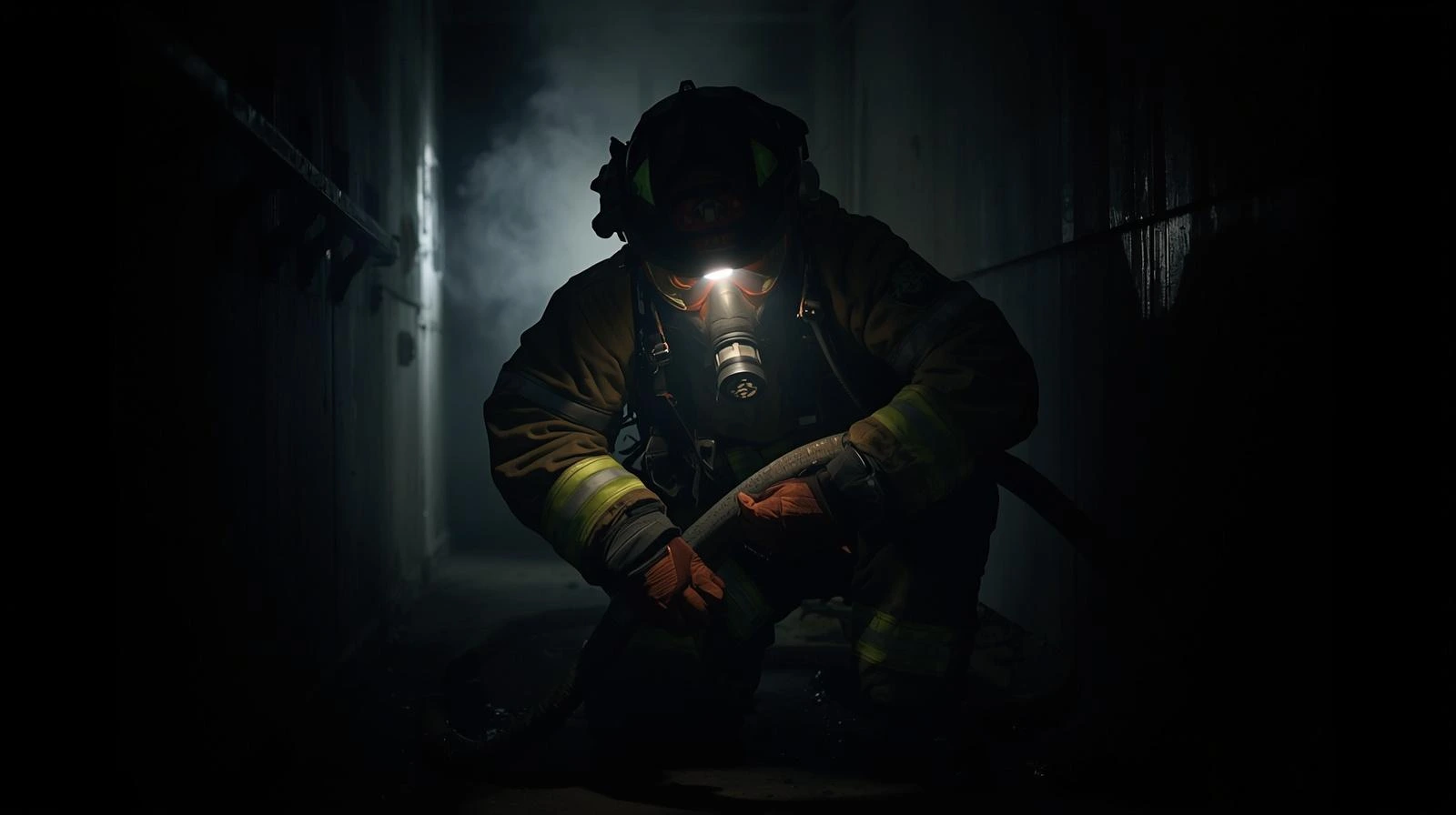
During nozzle forward operations, several key techniques can enhance efficiency and safety. First, firefighters should ensure that the hose is properly charged before advancing. A charged hose delivers water immediately upon reaching the fire, reducing the risk of fire spread. Secondly, utilizing the proper body mechanics when advancing the hose is vital. Firefighters should maintain a low center of gravity and use their legs to push the hose forward, minimizing fatigue.
Another essential technique is to maintain situational awareness. Firefighters must continuously evaluate their surroundings, including the behavior of the fire and potential hazards. This awareness aids in making quick decisions during the advancement process. Furthermore, teamwork plays a significant role in the success of nozzle forward operations. Effective communication and coordination among team members can streamline the process and ensure that everyone is aware of their responsibilities.
Challenges Faced During Hose Advancement
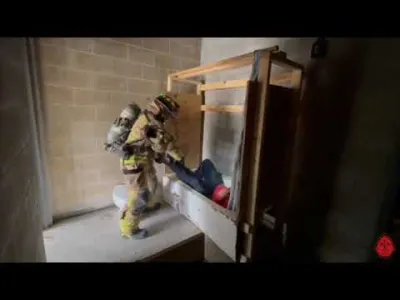
Firefighters often encounter various challenges during hose advancement, including obstacles such as debris or difficult terrain. These challenges require adaptability and quick thinking. Training exercises that simulate real-life scenarios can prepare firefighters to overcome these obstacles efficiently. Additionally, the physical demands of advancing a heavy hose can be taxing, necessitating a focus on fitness and endurance training within firefighting teams.
In conclusion, mastering the techniques of initial hose advancement is essential for effective firefighting operations. By understanding the importance of a well-executed nozzle forward maneuver, firefighters can enhance their ability to combat fires efficiently and safely. Continuous training, situational awareness, and teamwork are key components that contribute to successful hose advancement and overall firefighting effectiveness.

Comments 0
No comments yet. Be the first to share your thoughts on this video!
Leave a Comment