
Kickstarting Firefighter Training: Insights from Week 1 at Fire Academy
The journey to becoming a professional firefighter begins with rigorous training and a commitment to life-saving skills. In the first week of the Fire Academy, recruits are introduced to the essential components of firefighting, preparing them for the challenges that lie ahead. This critical phase lays the groundwork for the competencies necessary in emergency response scenarios.
Introduction to Firefighting Fundamentals
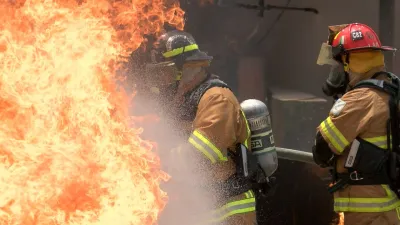
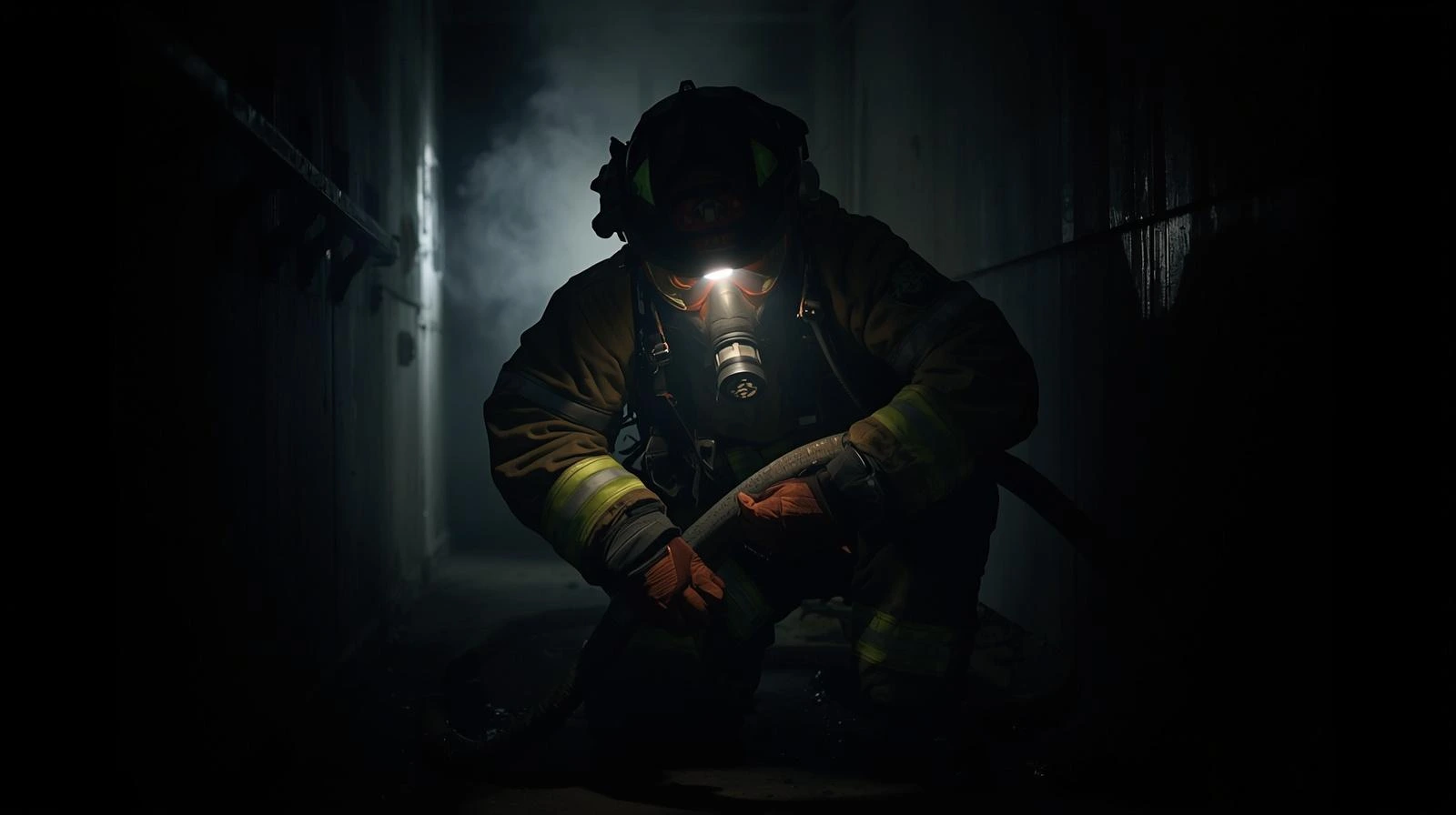
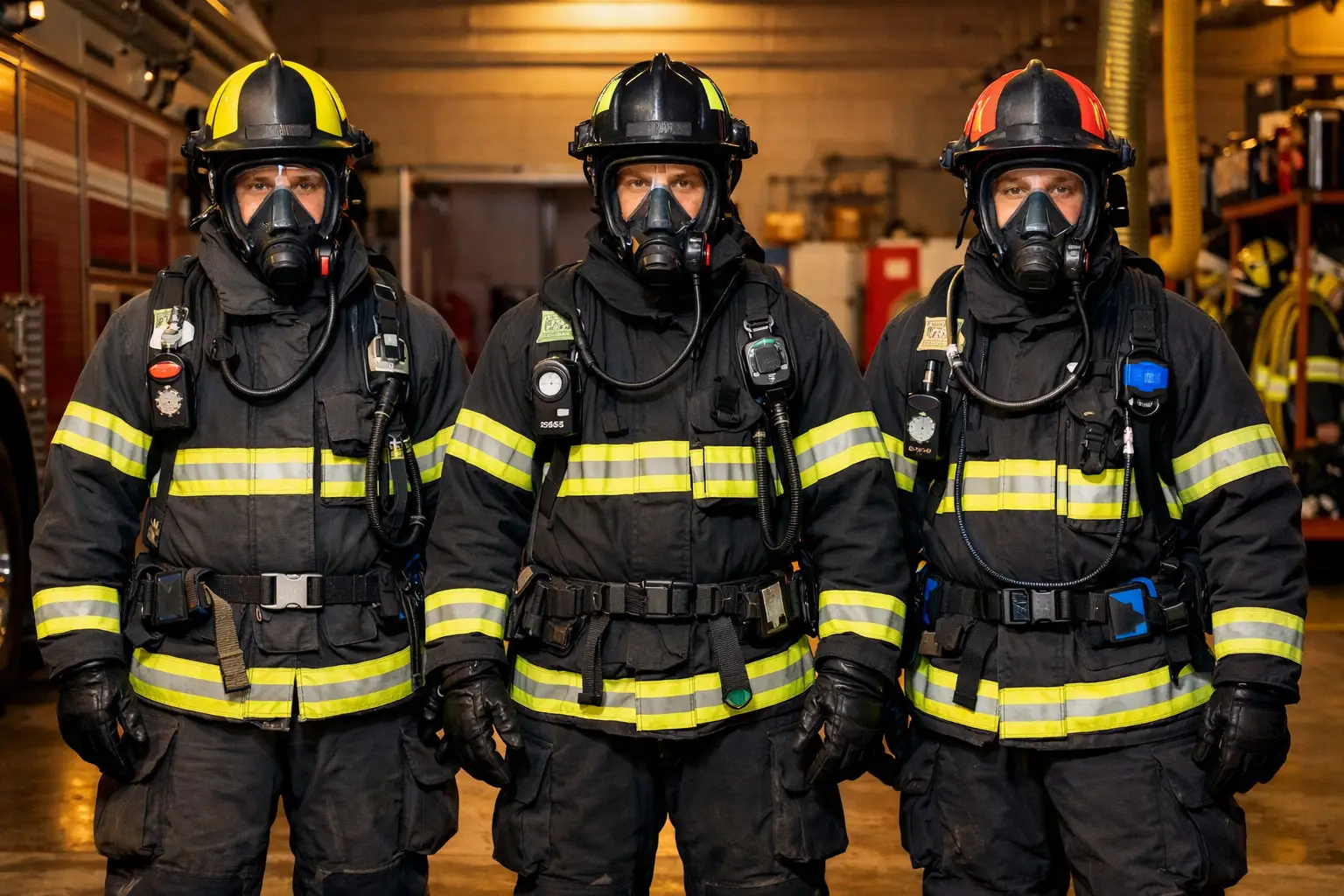
During this initial week, recruits undergo an intensive orientation program that covers the basics of firefighting. This includes an overview of fire behavior, understanding the chemistry of combustion, and familiarization with personal protective equipment (PPE). Recruits learn about the various types of fires and the appropriate extinguishing agents required to combat them effectively. Safety protocols are emphasized as recruits are taught to prioritize their safety and that of their team members in every operation.
Physical Training and Team Building
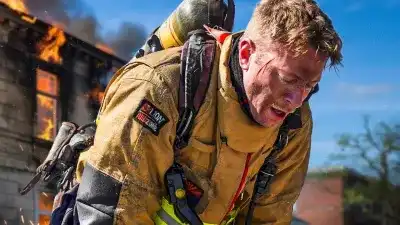
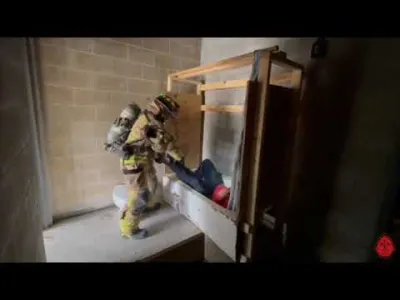
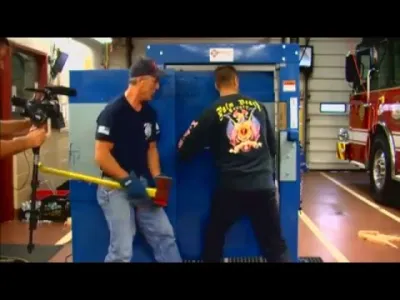
Physical fitness is a cornerstone of firefighting. Throughout the first week, recruits engage in rigorous physical training exercises designed to build strength, endurance, and agility. Team-building exercises are also a focus, promoting camaraderie and trust among recruits. These activities are crucial as firefighters often rely on each other in high-pressure situations. The importance of teamwork is reinforced through drills that simulate real-life emergency scenarios, preparing recruits for the collaborative nature of firefighting.
Introduction to Firefighting Equipment
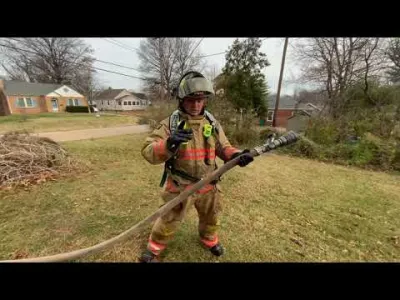
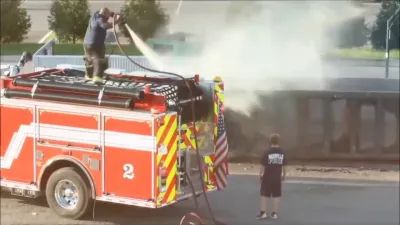
Understanding and operating firefighting equipment is vital for any firefighter. Recruits are introduced to various tools and apparatuses, including hoses, nozzles, and hydraulic rescue tools. Instruction on the proper handling and maintenance of this equipment is provided to ensure that recruits are well-prepared for future training exercises and real-world applications. Knowledge about the operation of fire engines and aerial ladders is also covered, ensuring that recruits are equipped with a comprehensive understanding of their resources.
The first week at the Fire Academy is a transformative experience for aspiring firefighters. It sets the stage for a rigorous training regimen that will continue for weeks to come. As recruits progress, they will delve deeper into advanced firefighting techniques, emergency medical response, and specialized rescue operations. The foundation laid in this initial week is critical for developing the skills and mindset required for a successful career in the fire service.


Comments 0
No comments yet. Be the first to share your thoughts on this video!
Leave a Comment