
Understanding Flow Path and Fire Behavior: Insights from Salem Fire Department
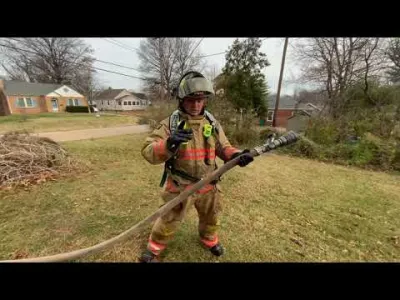
In a recent demonstration, the Salem Fire Department showcased vital concepts of fire behavior and flow path, essential knowledge for both firefighters and the community. Understanding how fire interacts with its environment can significantly enhance firefighting strategies and safety measures during emergencies.
What is Flow Path?
Flow path refers to the route that smoke, heat, and fire take in a building during a fire incident. Recognizing this path is critical for firefighters as it helps them predict fire spread and identify potential hazards. The Salem Fire Department emphasized that a thorough understanding of flow paths can improve tactical decisions, leading to more effective firefighting operations.
Demonstration Highlights
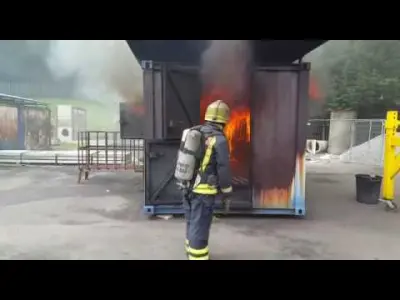
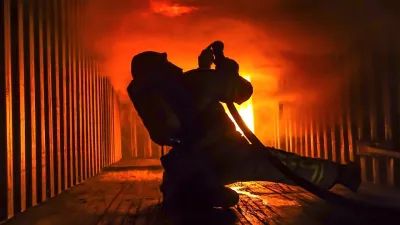
The demonstration involved live simulations that illustrated the dynamics of fire behavior in various scenarios. Firefighters analyzed how ventilation, building layout, and fuel sources affect the flow of heat and smoke. This hands-on approach provided attendees with a clear visual representation of how quickly fires can spread and the importance of timely intervention.
Implications for Fire Safety
Knowledge gained from such demonstrations is invaluable for enhancing public safety. The Salem Fire Department encourages community members to be aware of fire behavior in their homes and workplaces. By understanding how fire spreads, individuals can take proactive measures to mitigate risks and improve their emergency response plans.
In conclusion, the Salem Fire Department's flow path and fire behavior demonstration serves as a reminder of the importance of education in firefighting. As fire dynamics continue to evolve, staying informed and prepared is crucial for both firefighters and the community at large.
About This Video
This 30:07 Training video covers Understanding Flow Path and Fire Behavior: Insights from Salem Fire Department. Topics include: fire behavior, flow path, Salem Fire Department, firefighting techniques, fire safety, emergency response.
Related Resources
Explore related firefighter Training guides, free firefighter tools and the hazmat reference hub.
Training Note
All videos on AllFirefighter are curated for training and operational awareness. Always follow your department SOP/SOG and consult current standards before applying any technique on the fireground.


Comments 0
No comments yet. Be the first to share your thoughts on this video!
Leave a Comment