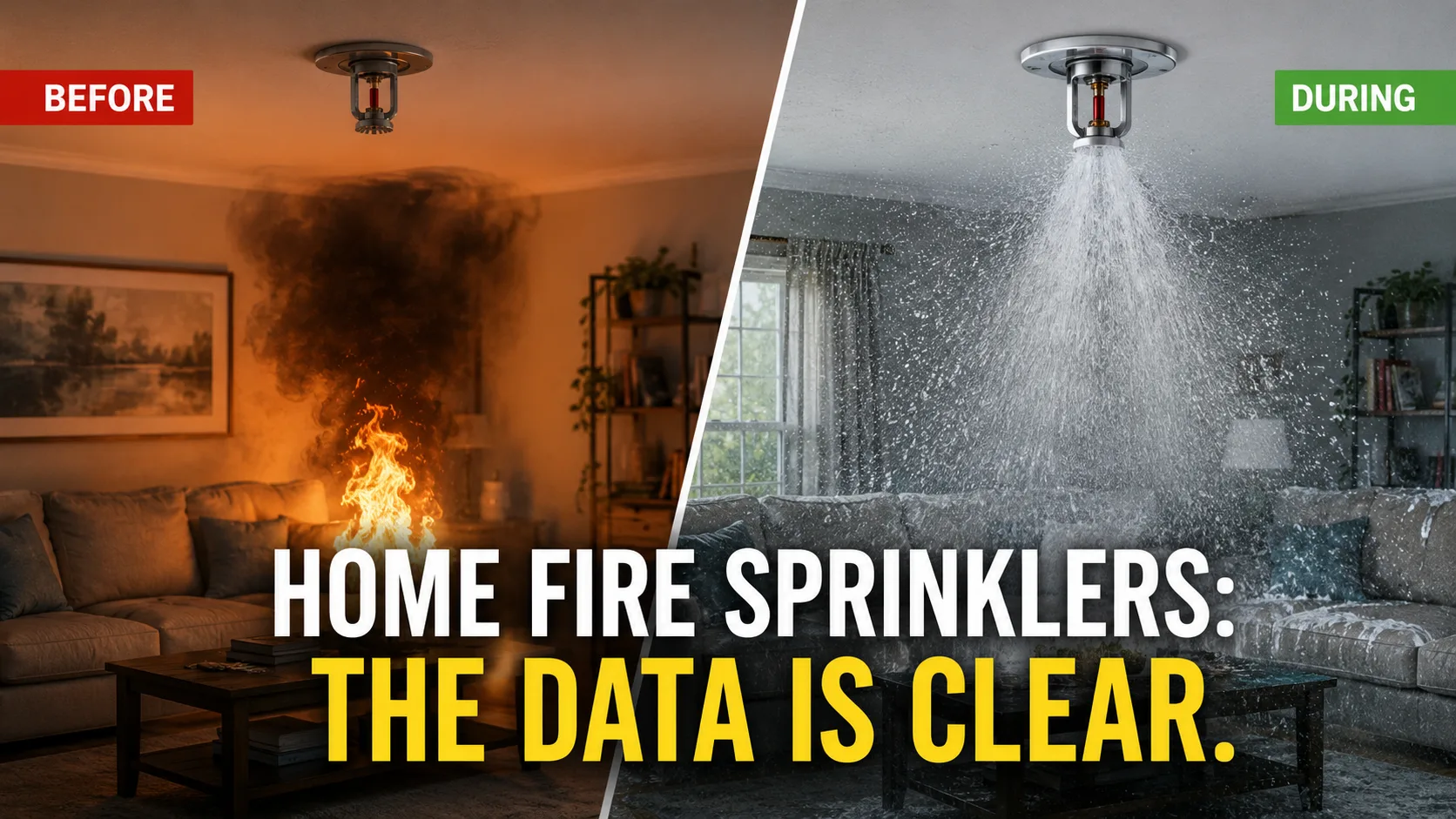

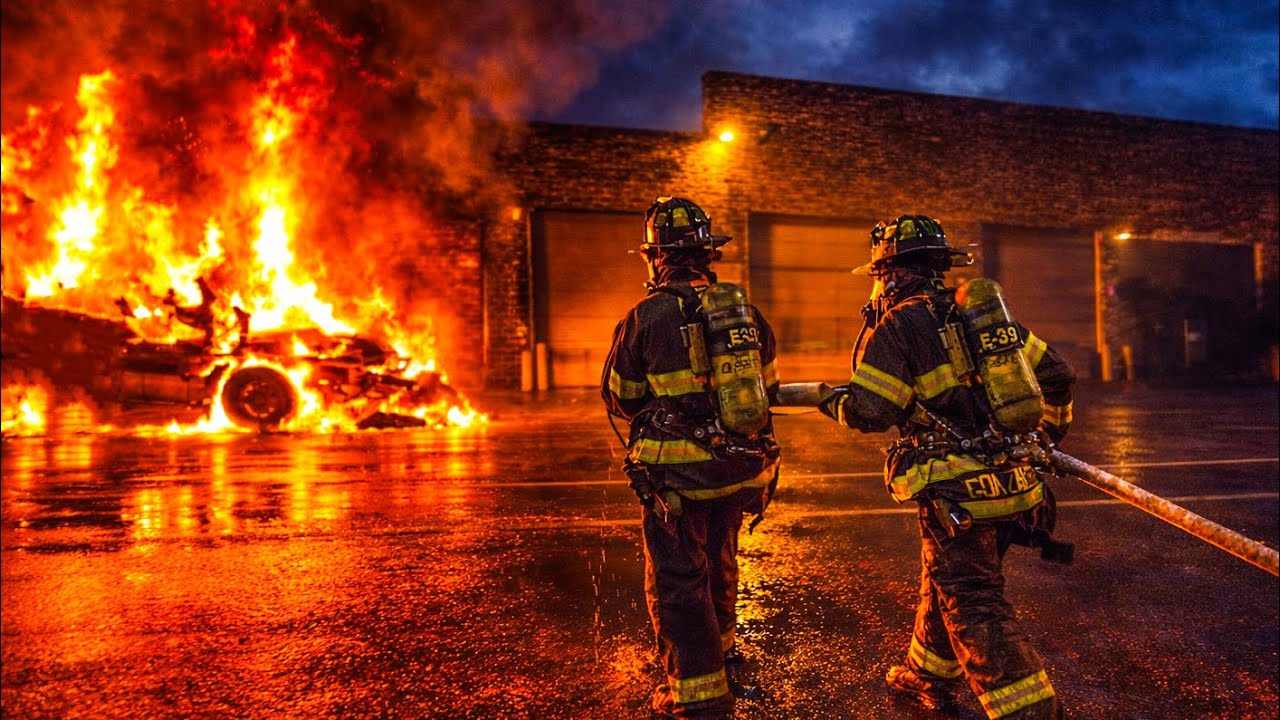
I have spent my career arriving at house fires. I know exactly what the fire looks like when we get there six to eight minutes after the alarm — which is considered a good response time in most jurisdictions. I also know what the fire looks like when a sprinkler head activated sixty seconds after ignition, before the fire got to the sofa, before the smoke reached the bedroom, before there was a 911 call. These are not comparable incidents. One is a structure fire. The other is a wet carpet and a damaged chair.
Home fire sprinkler systems are the single most effective fire suppression measure available to residential property owners. The data on what they do — to death rates, to injury rates, to property loss — is not ambiguous. What keeps most people from having them is a combination of cost misunderstanding and mythology about how they work. Both are worth addressing directly.
In this article:
How Residential Sprinklers Actually Work
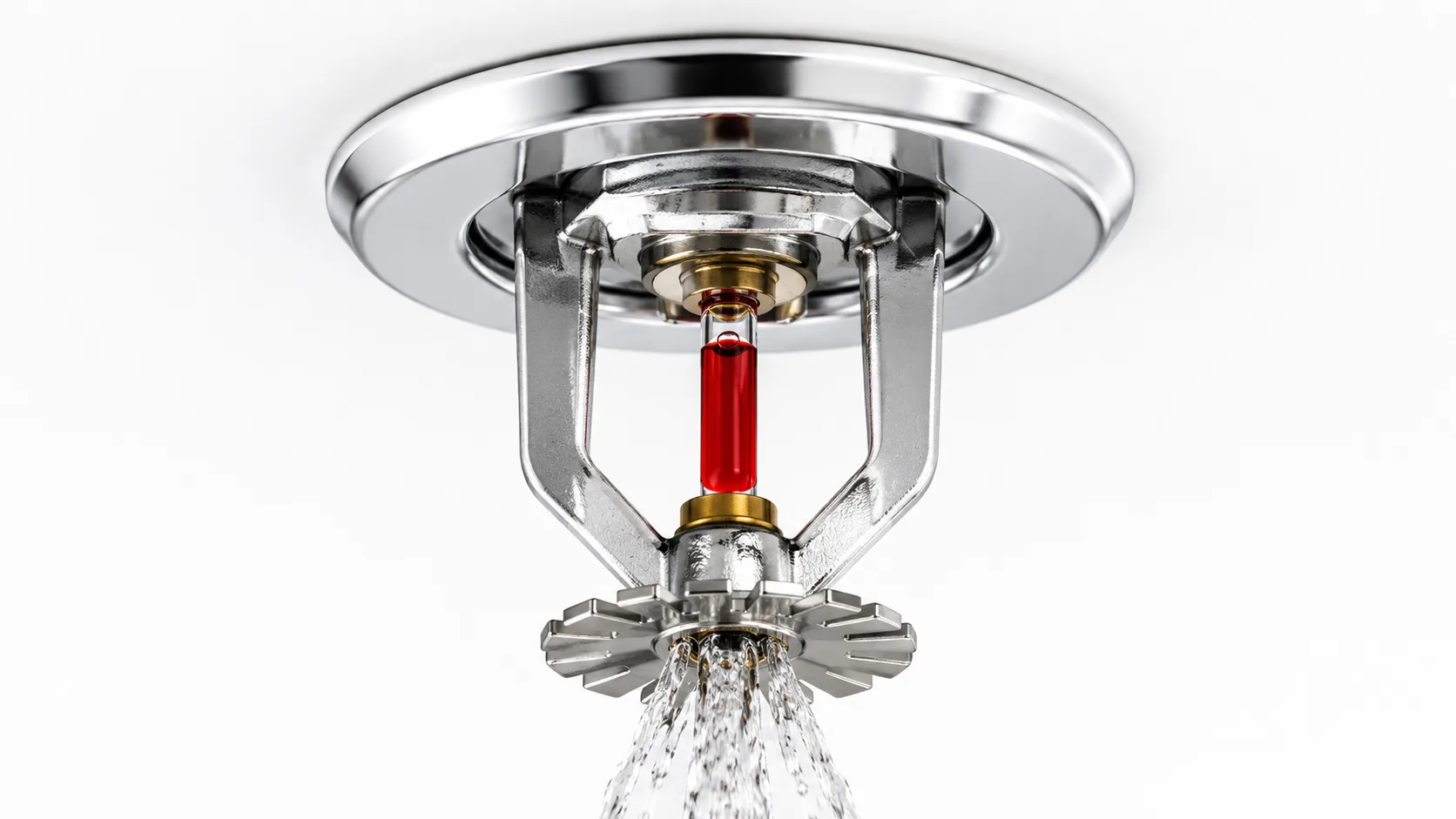
A residential fire sprinkler system is a network of pipes connected to the home's water supply, with individual sprinkler heads installed in the ceiling of each protected room. Each head operates independently. The activation mechanism is a small glass bulb filled with a glycerin-based liquid that expands when heated. When the temperature at ceiling level reaches the activation threshold — typically 135 to 165°F for residential heads — the liquid expands enough to shatter the bulb, releasing the water through that head.
This is entirely different from the movie version, where one head activates and every head in the building opens simultaneously, soaking everything. That does not happen with the type of system used in residential construction. NFPA research shows that in 96% of home fires where a sprinkler system activates, only one head activates. The one head nearest the fire opens because that is the only location where ceiling temperature has reached the activation point. Other heads, in cooler areas of the building, remain closed.
A single residential sprinkler head discharges approximately 13 to 25 gallons of water per minute, directed by a deflector plate that distributes the water in a controlled pattern across the floor area below. The water cools the fire and the surrounding surfaces, reducing the fire below the temperatures needed to sustain combustion. In most residential fire scenarios, a single head activating controls or extinguishes the fire before it can spread beyond the room of origin.
Five Myths That Are Not True
Individual residential sprinkler heads activate independently based on local ceiling temperature. In 96% of home fires, only one head activates. The movie image of an entire office building soaking simultaneously is from a deluge system — a specialized system used in specific industrial applications. Residential systems (NFPA 13D) use individual heat-sensitive heads that open one at a time.
A single sprinkler head discharges 13–25 gallons per minute. A standard fire hose discharges 100–250 gallons per minute. The fire department applying water to a structure fire causes dramatically more water damage than a sprinkler system controlling the fire in its early stage. NFPA data shows that the average property loss in a sprinklered home fire is significantly lower than in a non-sprinklered home fire — because the sprinkler controls the fire before it destroys the structure.
The accidental discharge rate for residential sprinkler systems is approximately 1 in 16 million heads per year. Manufacturing defects and improper installation are the primary causes when accidental discharge does occur. A properly installed residential system operated within its design parameters will not accidentally discharge from cooking steam, shower steam, or a child playing with a toy. The activation threshold of 135–165°F is well above any temperature created by normal household activities.
Smoke alarms detect fire and alert occupants to escape. They do not suppress fire. A smoke alarm in a burning home reduces the chance of death by improving occupant response time. A sprinkler system addresses the fire itself — it can control or extinguish the fire before it creates unsurvivable conditions, regardless of whether the occupant responds. The two systems perform different functions and work best together.
NFPA 13D is a residential-specific sprinkler standard developed specifically for one- and two-family homes and manufactured housing. Residential sprinkler systems are smaller, simpler, and significantly less expensive than commercial systems. They are designed to integrate with a home's existing water supply in many cases, without requiring a separate pump or tank.
What the Data Shows
NFPA tracks home fire outcomes by whether a sprinkler system was present. The numbers across multiple years of data are consistent:
| Outcome Metric | Without Sprinklers | With Sprinklers | Difference |
|---|---|---|---|
| Death rate per 1,000 reported fires | Higher baseline | 81% lower | 81% reduction in deaths |
| Injury rate per 1,000 reported fires | Higher baseline | 27% lower | 27% reduction in injuries |
| Average property loss per fire | Higher baseline | 71% lower | 71% reduction in property damage |
| Fire confined to room of origin | ~56% of fires | ~97% of fires | Sprinklers contain fires in the room they start |
The 81% reduction in death rate is the most significant single-system safety improvement available in residential construction. To put this in practical terms: if you could modify one thing about your home to reduce your likelihood of dying in a house fire, a sprinkler system provides a larger reduction in risk than any other single change available — including smoke alarms, which provide approximately 50% risk reduction when working.
The combination of working smoke alarms and a sprinkler system is the highest achievable safety baseline for residential fire. Smoke alarms provide early warning. Sprinklers control the fire. Together, they address both the occupant response problem and the fire growth problem simultaneously.
What Residential Sprinkler Systems Actually Cost
Cost is the most common reason homeowners cite for not having a sprinkler system. The actual cost is lower than most people assume — and significantly lower than the mythology around commercial systems suggests.
New construction
The most cost-effective time to install a residential sprinkler system is during new construction, when the pipes can be run before walls are closed. The average cost in new construction is approximately $1.00 to $1.50 per square foot of living space. For a 2,000 square foot home, that is $2,000 to $3,000 added to the construction cost. As a percentage of a typical new home construction budget, this is less than 1.5%.
Many new construction buyers spend more than this on kitchen hardware upgrades. They spend it without hesitation. The cost of a sprinkler system — in new construction — is in the same range as upgraded countertops, a nicer appliance package, or flooring upgrades. The difference is that the sprinkler system works when the house is on fire.
Retrofit in existing homes
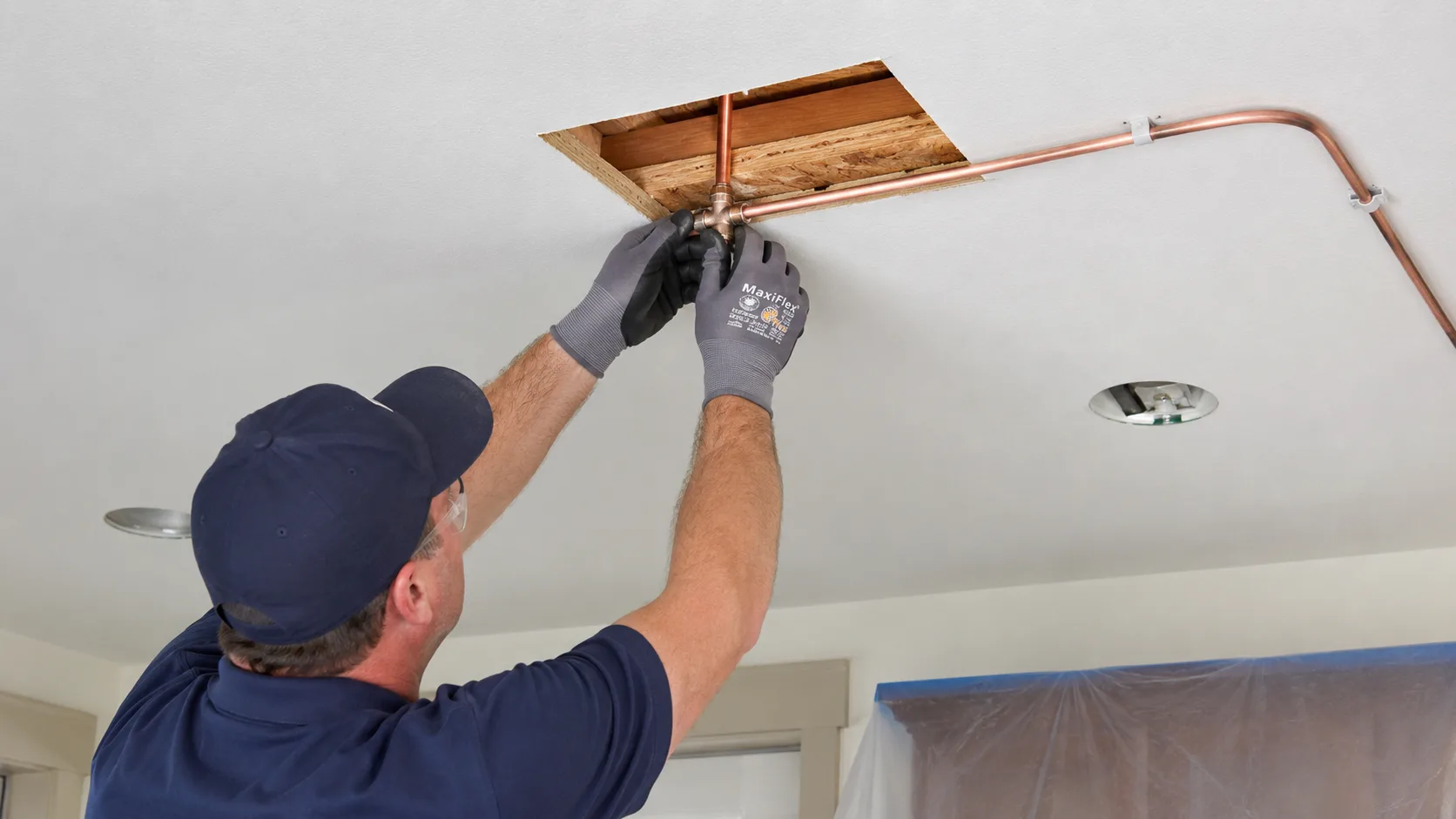
Retrofitting a sprinkler system in an existing home is more expensive than new construction installation because walls and ceilings must be opened to run the pipes. Retrofit costs range from approximately $2.00 to $7.00 per square foot depending on the home's construction type, existing plumbing layout, and local labor market. For a 2,000 square foot home, this represents $4,000 to $14,000.
The retrofit cost is significant but should be evaluated against what it prevents. The average property loss in a home fire is approximately $72,000 (NFPA data). The average claim settlement with insurer involvement is higher still. A sprinkler system that reduces property loss by 71% in the event of a fire provides a financial protection function in addition to a life safety function.
Insurance premium reduction
Many insurance companies offer premium reductions for homes with sprinkler systems. Discounts range from 5% to 15% depending on the insurer and the policy. Over 20 years, a 10% premium reduction on a $1,500 annual homeowners insurance policy saves $3,000 — covering a meaningful portion of a new construction installation cost.
NFPA 13D: The Residential Standard
NFPA 13D (Standard for the Installation of Sprinkler Systems in One- and Two-Family Dwellings and Manufactured Homes) is the design standard for residential sprinkler systems. Understanding what it covers and what it allows explains why residential systems are less expensive than commercial ones.
Key NFPA 13D provisions that make residential systems practical:
- Certain areas do not require sprinkler coverage. Bathrooms under 55 square feet, closets under 24 square feet, attached garages, and attic spaces are typically excluded from NFPA 13D coverage requirements. This reduces the number of heads needed and the total pipe length.
- Multipurpose piping is allowed. In many designs, the sprinkler piping can serve double duty as the cold water supply piping for the home. This eliminates a separate dedicated sprinkler pipe system and reduces installation cost significantly.
- Standard residential water supply is typically adequate. NFPA 13D systems are designed to work with the flow rates typically available from a residential water meter — unlike commercial systems that often require dedicated pumps and tanks.
- The system is designed to provide occupant escape time, not total fire suppression. NFPA 13D is designed to control the fire in the room of origin long enough for all occupants to escape. This is a less demanding design standard than commercial systems designed for total suppression, and it results in lower cost.
Sprinkler vs. Smoke Alarm: They Do Different Things
| Smoke Alarm | Sprinkler System | |
|---|---|---|
| What it detects | Smoke particles — early warning of fire | Heat at ceiling level — fire in progress |
| What it does | Sounds an alarm to alert occupants | Applies water to control or extinguish the fire |
| Effect on the fire | None — does not affect fire growth | Controls fire growth, reduces temperature, often extinguishes |
| Occupant required? | Yes — someone must hear and respond | No — activates and works regardless of occupant response |
| Effective when occupants asleep? | Only if alarm is loud enough to wake occupant in time | Yes — activates automatically, does not require occupant response |
| Cost (new construction) | $10–30 per alarm; $100–300 total | $1.00–1.50 per sq ft; $2,000–3,000 for 2,000 sq ft home |
| Maintenance | Monthly test, annual battery, 10-year replacement | Annual inspection, pressure check, head condition review |
The systems are complementary, not alternatives. A home with working smoke alarms and a sprinkler system has the benefit of early occupant warning from the alarm and automatic fire control from the sprinkler — regardless of whether the occupant responds in time. A home with smoke alarms but no sprinklers depends entirely on occupant response within the 2 to 3 minute window that modern home fires provide. For sleeping occupants — the scenario responsible for most fire deaths — the sprinkler removes the dependency on response time that makes nighttime fires so deadly.
Retrofitting an Existing Home
For homeowners in existing homes who want sprinkler protection without a full retrofit, a staged approach is practical:
- Priority: sleeping areas first. The rooms where people sleep are where the fatality risk is highest. A partial installation covering all bedrooms and the hallways outside them provides the protection most relevant to nighttime fire deaths at a fraction of the whole-home cost.
- Combination with renovation. If you are planning a kitchen remodel, a bathroom addition, or any renovation that opens walls and ceilings, that is the lowest-cost opportunity to add sprinkler piping to those areas. The incremental cost when walls are already open is significantly lower than a standalone installation.
- Consult a fire protection contractor, not a general plumber. Residential fire sprinkler installation requires specific training and licensing in most states. A contractor licensed for fire sprinkler work understands the NFPA 13D standard, the water supply calculations, and the inspection requirements that a general plumber may not.
Maintenance Requirements
A residential sprinkler system requires minimal ongoing maintenance compared to most home systems:
- Annual inspection by a licensed fire protection contractor — check pressure, inspect visible heads for damage or corrosion, verify control valve is open, test flow alarm if present
- Keep heads unobstructed. Do not paint sprinkler heads, hang anything from them, or store items that would block their discharge pattern. Painted heads have impaired activation characteristics. A head you hang a mobile from is a head that may not perform correctly.
- Know where your control valve is. The main control valve for the sprinkler system — the valve that shuts off water to the entire system — should be identified and its location known to all adult household members. If a head accidentally discharges or a pipe bursts, you need to be able to shut off the system quickly.
- Keep a few spare heads of the correct type. If a head is damaged and needs replacement, having the correct replacement head on hand (they are type- and temperature-specific) allows prompt repair rather than waiting for a contractor to source the correct part.
For most residential installations, the annual inspection is the primary maintenance requirement. A well-installed system with quality components will operate reliably for decades with this level of attention. The system that saved your house the night it mattered cost you one annual inspection and a bit of care around the sprinkler heads. That is an extraordinarily good return on a modest ongoing investment.

Comments 0
No comments yet. Be the first to share your thoughts!
Leave a Comment