
Fire Attack at a Petroleum Storage Facility with Drone Support
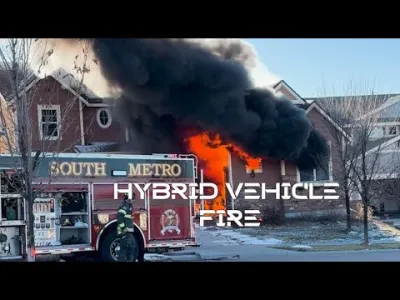
When responding to fires at petroleum storage facilities, crews face significant hazards due to flammable liquids and potential for rapid fire spread. The use of drones in these incidents is becoming an important operational tool to enhance situational awareness and improve safety and efficiency on the fireground.
Drone Deployment for Incident Assessment
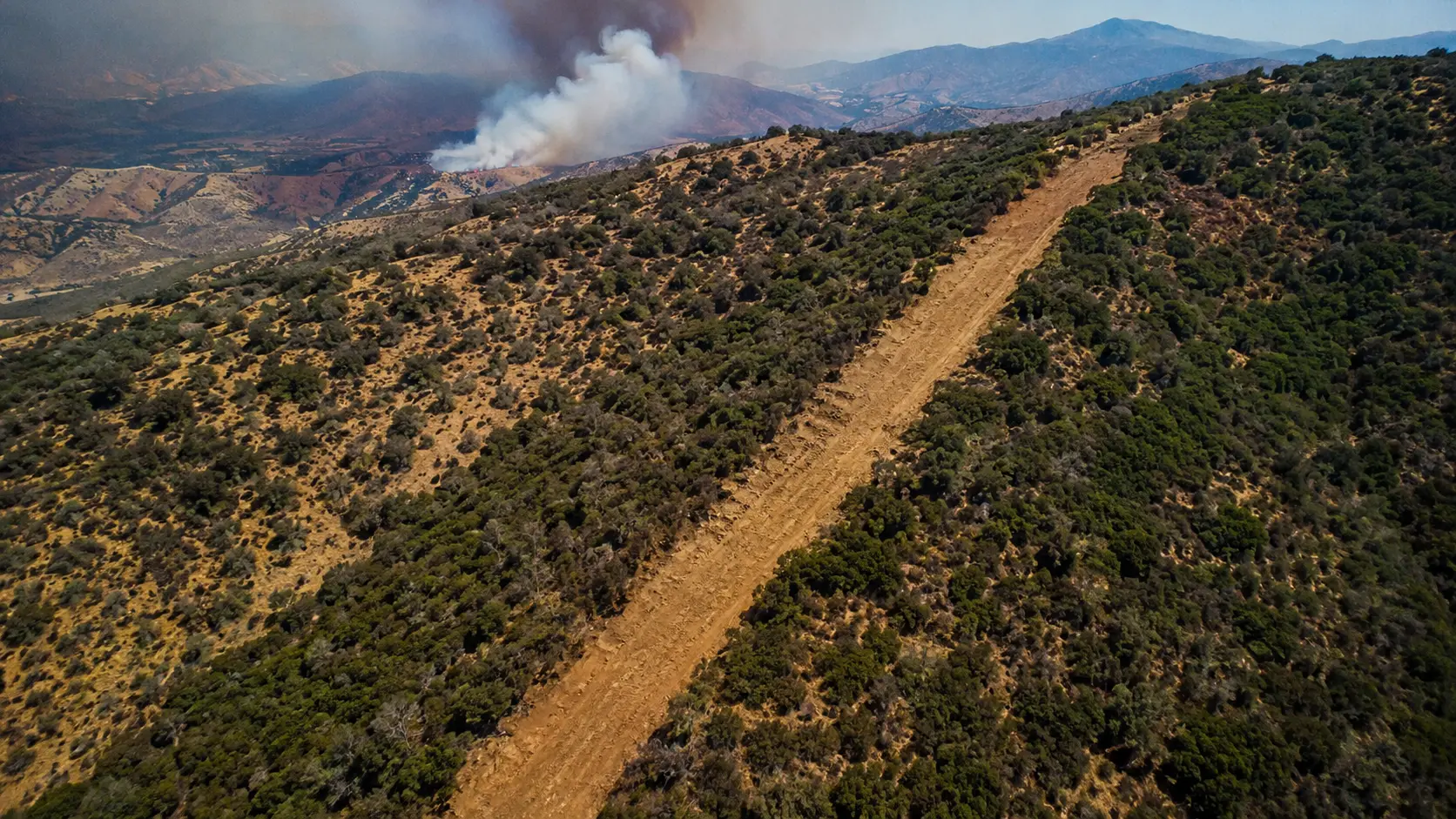
At a petroleum base fire, initial size-up is critical. Deploying a drone allows incident command to get an aerial view of the fire’s extent, identify hotspots, and assess structural integrity without exposing personnel to unnecessary risk. This real-time intelligence helps in planning the fire attack, positioning apparatus, and coordinating ventilation or foam application tactics.
Coordinated Fire Attack Tactics
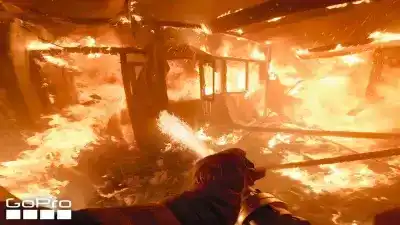
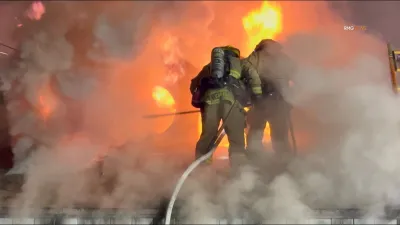
Fire crews conducting the attack must use appropriate PPE and SCBA due to toxic smoke and potential flashover risks. Foam agents are typically employed to suppress hydrocarbon fires effectively. The drone’s aerial perspective aids in monitoring the effectiveness of the attack and identifying areas requiring additional resources. Communication between the drone operator, incident command, and crews is essential to synchronize efforts and maintain safety.
In summary, integrating drone technology into fire attack operations at petroleum storage facilities enhances decision-making and operational safety. Firefighters should be trained in drone coordination and understand how to leverage this tool to improve outcomes in high-risk hazmat fires.
About This Video
This 11:01 Fire video covers Fire Attack and Drone Use at a Petroleum Storage Facility Fire. Topics include: fire attack, petroleum storage fire, drone operations, fireground tactics, hazmat firefighting, incident command, firefighter safety, SCBA, ventilation, fire suppression, fireground communication.
Related Resources
Explore related firefighter Fire guides, free firefighter tools and the hazmat reference hub.
Training Note
All videos on AllFirefighter are curated for training and operational awareness. Always follow your department SOP/SOG and consult current standards before applying any technique on the fireground.

Comments 0
No comments yet. Be the first to share your thoughts on this video!
Leave a Comment