
Rapid Response: Achieving Zero Fire Spread in 30 Minutes
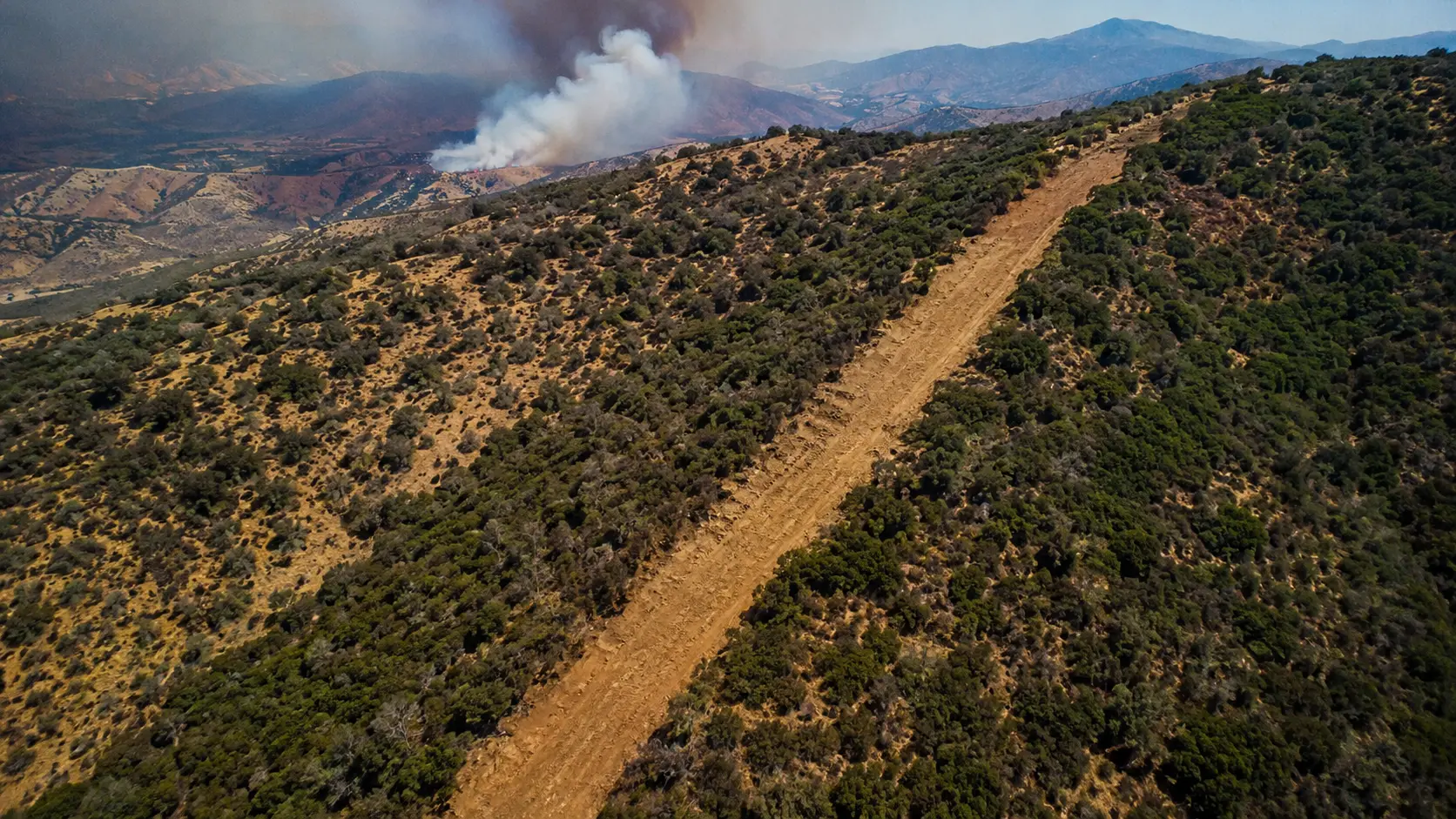
In the realm of firefighting, time is of the essence. Firefighters are constantly honing their skills and strategies to ensure they can combat blazes swiftly and effectively. A recent operation demonstrated the critical importance of rapid response, showcasing how firefighters can achieve zero fire spread within a mere 30 minutes.
The Importance of Quick Action
When a fire ignites, every second counts. The first few minutes are crucial for preventing the fire from escalating and causing extensive damage. Firefighters are trained to arrive on the scene quickly, assess the situation, and implement strategies that focus on containment. This rapid response not only saves property but also protects lives.
Strategies for Success
During the operation, firefighters utilized a combination of tactics aimed at controlling the fire's spread. These included aggressive interior attack methods, strategic ventilation, and coordinated efforts with support units. By employing these techniques, they were able to efficiently manage resources and direct their efforts towards the most critical areas, significantly reducing the potential for fire escalation.
Additionally, the use of technology played a key role in this rapid response. Advanced communication systems allowed for real-time updates and coordination among teams, while thermal imaging cameras provided invaluable insight into hotspots that required immediate attention. Such tools enhance situational awareness and enable firefighters to make informed decisions on the ground.
Training and Preparedness
Achieving zero fire spread in 30 minutes is not solely reliant on equipment; it also hinges on the extensive training and preparedness of firefighting personnel. Regular drills and simulations prepare firefighters to handle various scenarios, ensuring they remain calm and effective under pressure. Continuous education on evolving fire behavior and tactics is essential for maintaining a high level of readiness.
The collaboration between firefighters and other emergency services is also vital. Effective communication and teamwork can streamline operations, allowing for a more cohesive response to incidents. By fostering strong relationships with local agencies, firefighters can enhance their overall effectiveness in emergency situations.
Conclusion
In conclusion, the ability to contain a fire within 30 minutes is a testament to the skills, training, and dedication of firefighting professionals. As they continue to adapt to new challenges and technologies, the importance of rapid response remains a cornerstone of effective fire management. This operation serves as a reminder of the critical role that firefighters play in safeguarding communities and preserving lives.


Comments 0
No comments yet. Be the first to share your thoughts on this video!
Leave a Comment