
Tanker Truck Fire Hauling 5,000 Gallons of Fuel in North Texas
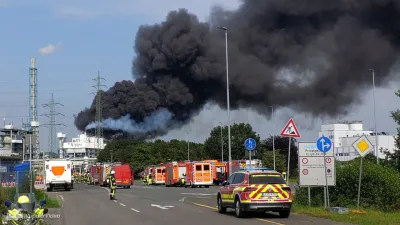
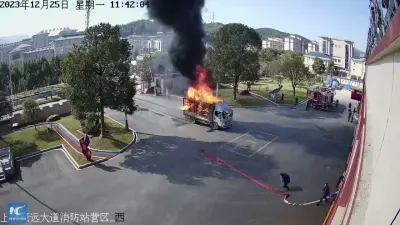
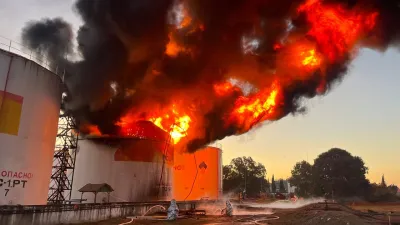
In this incident, a tanker truck carrying approximately 5,000 gallons of fuel caught fire, presenting significant operational challenges for the responding crews. The presence of a large volume of flammable liquid requires careful management to prevent escalation and environmental contamination. Firefighters must prioritize containment, extinguishment, and safety while operating in a high-risk environment.
Initial Response and Fireground Operations
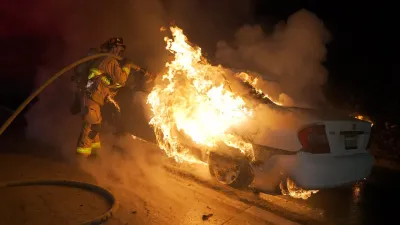
Upon arrival, crews established a safe perimeter and initiated an incident command structure to coordinate efforts. The first priority was to protect exposures and prevent the fire from spreading to nearby vehicles, structures, or vegetation. Due to the nature of the fuel load, standard water application was insufficient; foam agents were deployed to suppress vapors and extinguish the fire effectively. Crews operated in full PPE with SCBA to mitigate the inhalation hazards from toxic smoke and vapors.
Firefighters employed defensive tactics initially, given the high risk of a BLEVE (boiling liquid expanding vapor explosion) or spill. Apparatus were positioned upwind and uphill when possible to reduce firefighter exposure. Continuous monitoring for leaks or ruptures was essential to adjust tactics promptly.
Operational Lessons and Safety Considerations
This incident underscores the importance of hazardous materials awareness and the need for specialized foam agents when dealing with flammable liquid fires. Commanders must assess risk versus gain continuously and maintain clear communication among crews. Maintaining situational awareness around potential fuel spills and environmental hazards is critical to preventing secondary incidents.
Additionally, this scenario highlights the need for thorough training in tanker fire response, including proper PPE use, SCBA protocols, and foam application techniques. Firefighters should also be proficient in establishing control zones and managing traffic and bystanders to ensure operational safety.
Overall, the response to a tanker truck fire with a large fuel load demands coordinated efforts, specialized tactics, and strict adherence to safety protocols to protect both firefighters and the public.



Comments 0
No comments yet. Be the first to share your thoughts on this video!
Leave a Comment