Operational Insights from Deploying 15 Advanced Fire Trucks
Apparatus Capabilities and Crew Deployment
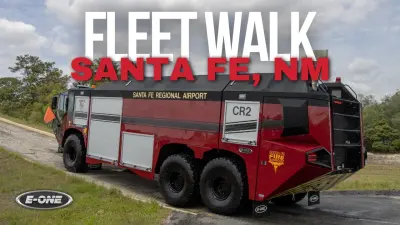
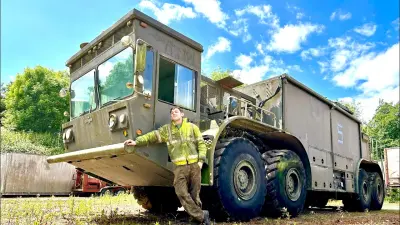
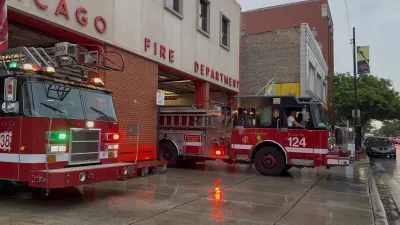
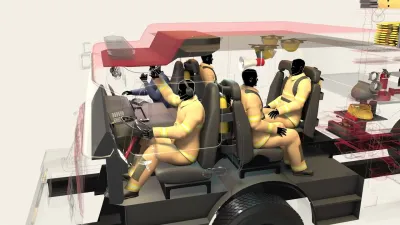
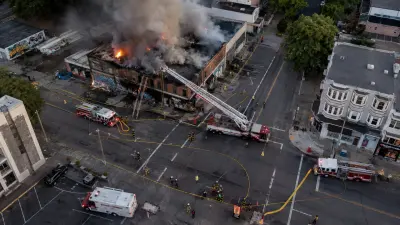
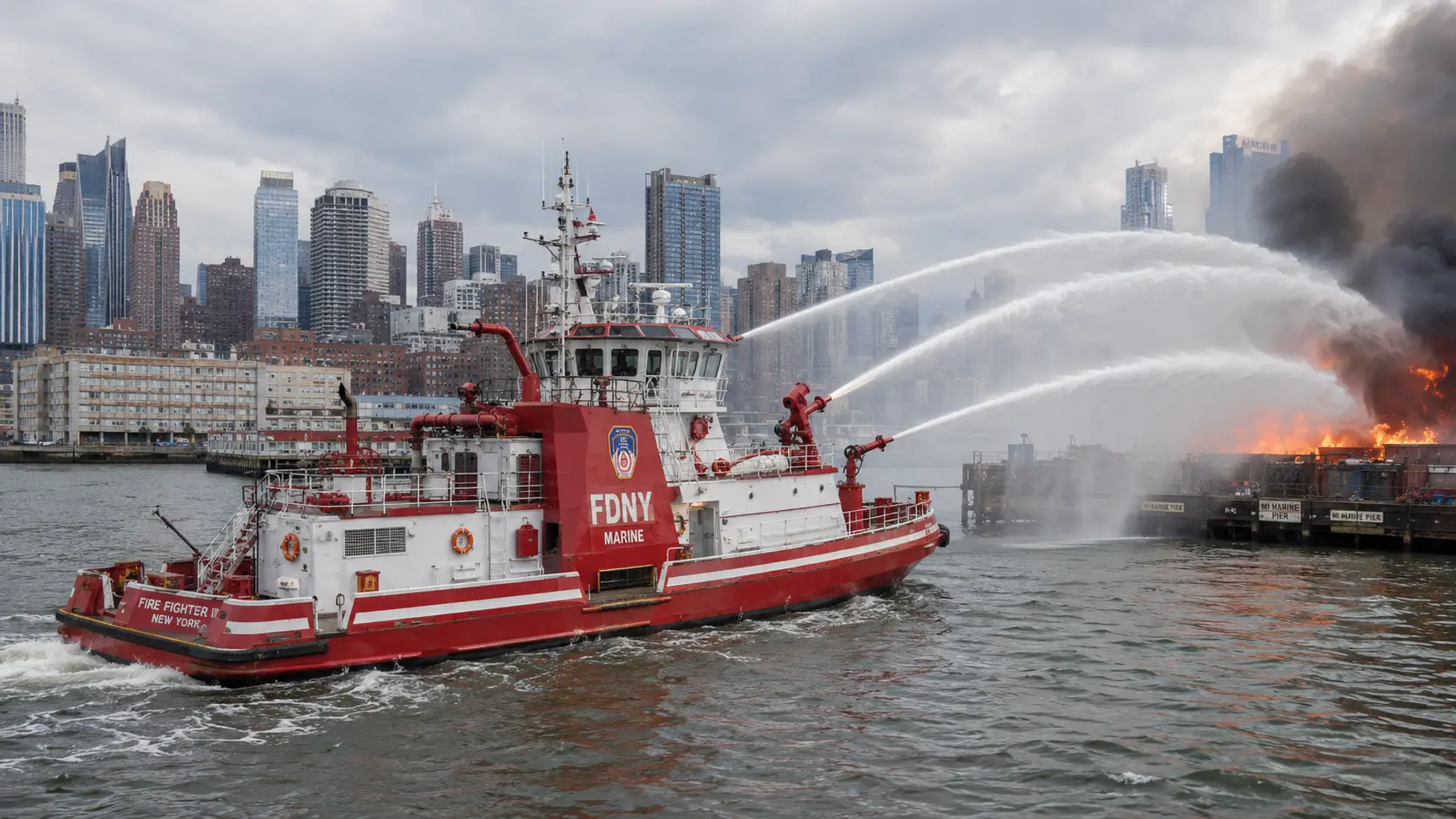
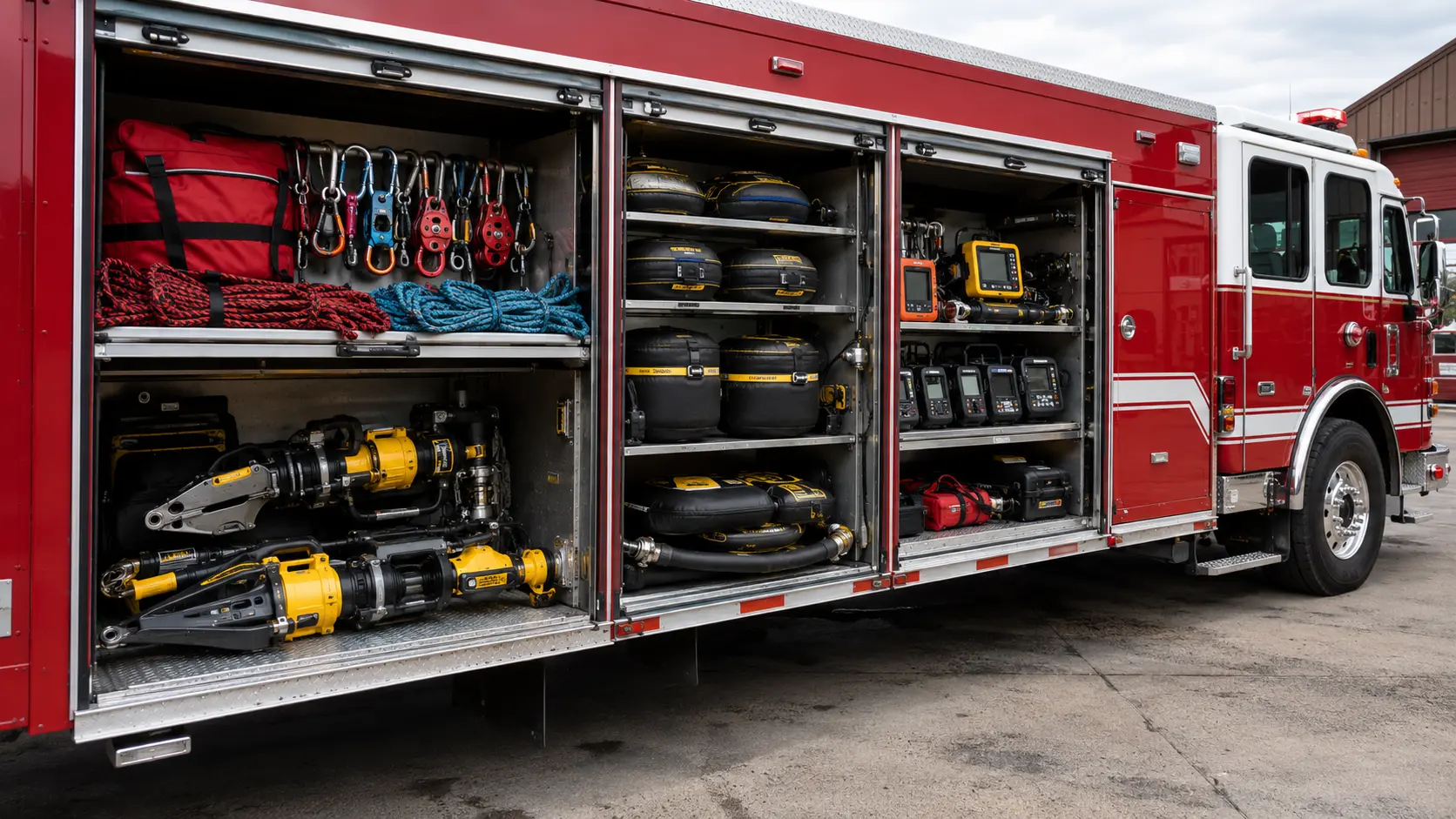
This article evaluates the deployment of 15 advanced fire trucks during a fireground operation, highlighting the operational benefits these apparatus bring to the incident. Modern fire trucks often feature enhanced pump capacities, integrated foam systems, and advanced aerial devices, which improve the efficiency of water delivery and access to elevated fire locations. The crews assigned to these apparatus rely on robust personal protective equipment (PPE) and self-contained breathing apparatus (SCBA) to perform interior attacks and ventilation tasks safely and effectively.
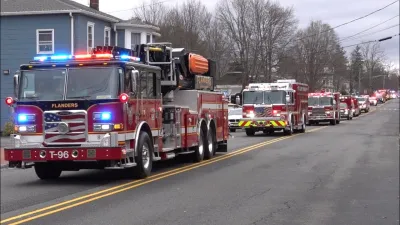
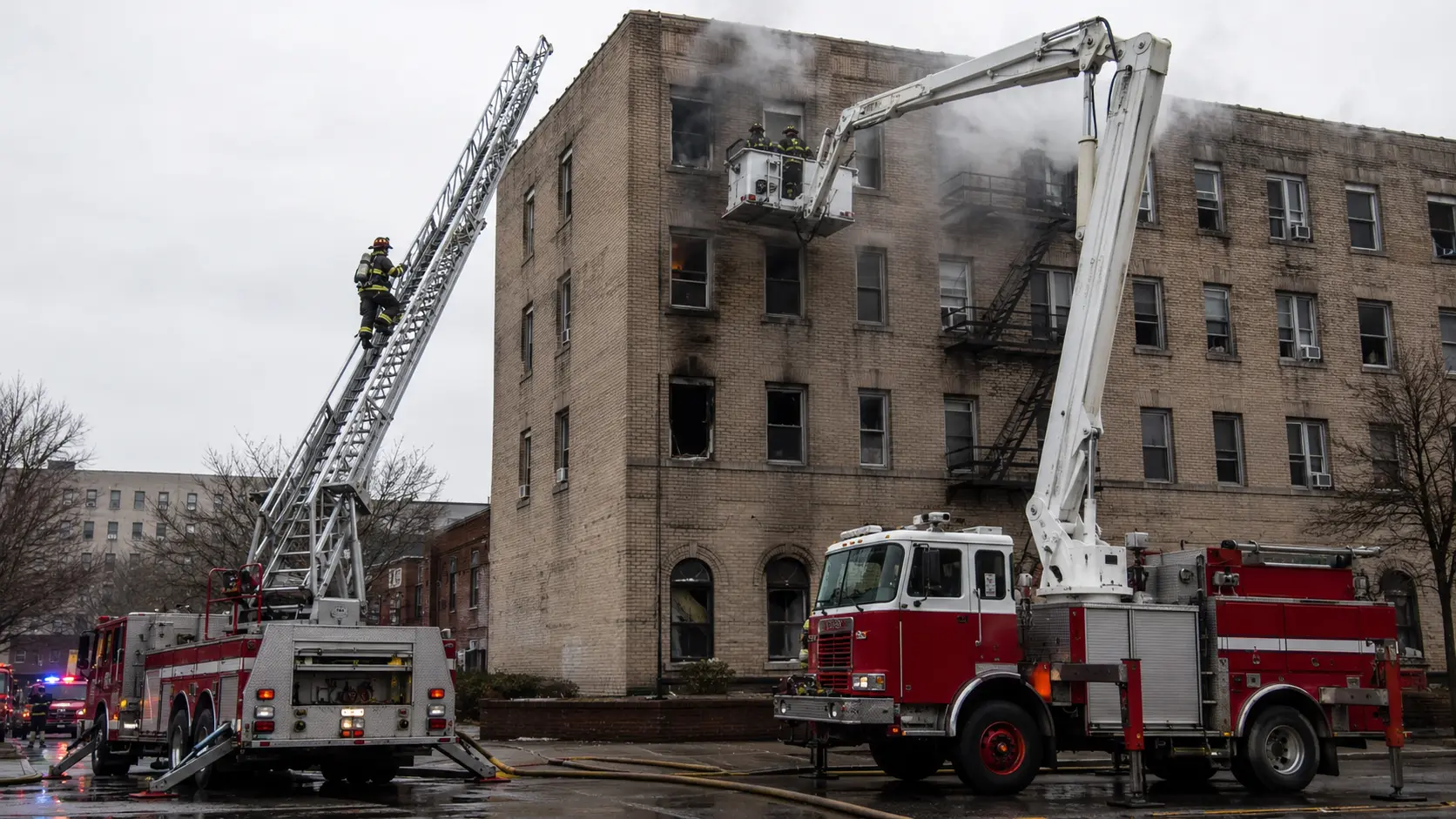
Having multiple advanced trucks on scene allows for diversified tactical options, including simultaneous interior attack lines, master stream deployment, and rapid ventilation. This multi-faceted approach reduces fire spread and improves firefighter safety by controlling the environment more efficiently. Command officers can allocate resources dynamically, optimizing crew assignments based on apparatus capabilities and fire conditions.
Operational Lessons and Fireground Impact
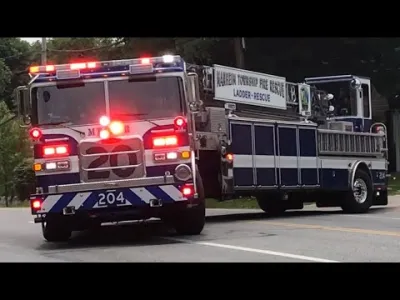
The presence of 15 advanced fire trucks underscores the importance of apparatus interoperability and crew coordination. Effective communication between engine operators, ladder crews, and command is critical to maximize the potential of these resources. Advanced features such as pump-and-roll, remote aerial controls, and integrated lighting systems facilitate safer and more effective operations, especially during complex incidents.
From an operational standpoint, deploying multiple advanced apparatus enhances incident command's ability to establish water supply, conduct search and rescue, and perform ventilation rapidly. Firefighters benefit from improved access to fire areas and better protection, which collectively contribute to faster fire suppression and reduced property loss. Understanding how to leverage the capabilities of these trucks is essential for fire officers and crews aiming to improve overall fireground performance.
About This Video
This 34:35 Apparatus video covers Analyzing the Operational Advantages of 15 Advanced Fire Trucks on the Fireground. Topics include: fire trucks, advanced apparatus, fireground operations, firefighting tactics, crew safety, pump operations, aerial ladders, SCBA, PPE, incident command, ventilation, fire suppression.
Related Resources
Explore related firefighter Apparatus guides, free firefighter tools and the hazmat reference hub.
Training Note
All videos on AllFirefighter are curated for training and operational awareness. Always follow your department SOP/SOG and consult current standards before applying any technique on the fireground.


Comments 0
No comments yet. Be the first to share your thoughts on this video!
Leave a Comment