
Understanding Tiller Truck Deployment in Fire Responses
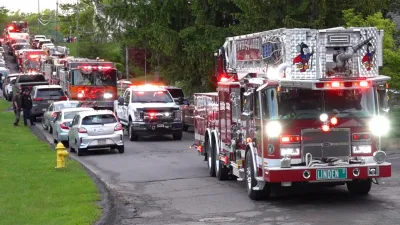
Tiller trucks, also known as tractor-drawn aerials, are specialized apparatus designed for enhanced maneuverability and elevated firefighting capabilities. This article examines a series of responses involving tiller trucks, focusing on their operational role and tactical advantages on the fireground.
Operational Advantages of Tiller Trucks
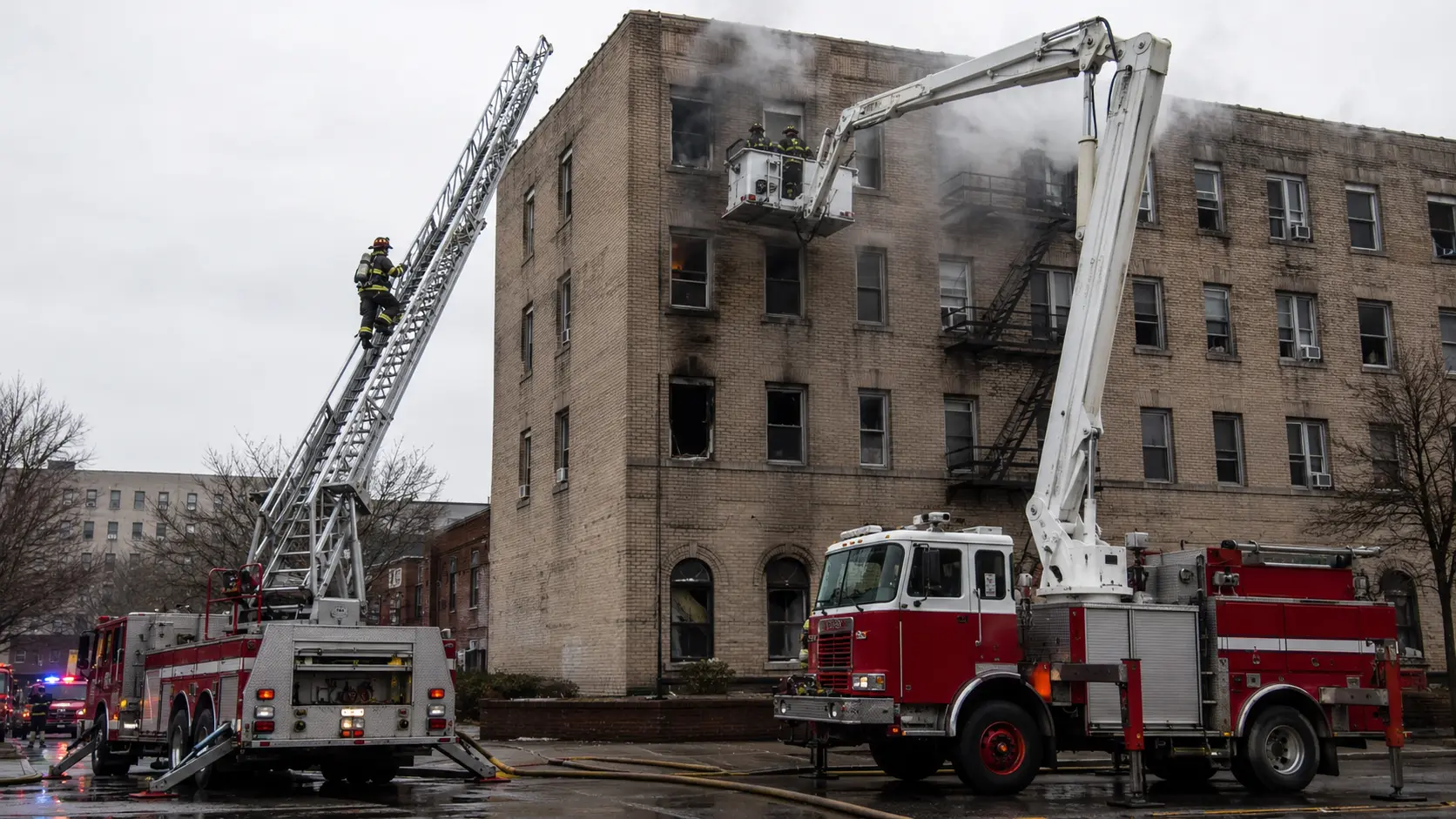
Tiller trucks feature a rear steering tandem axle allowing for superior navigation in tight urban environments or congested streets. This capability is critical when positioning apparatus for optimal aerial ladder deployment. The tiller operator's role is vital, requiring coordination with the front driver to ensure accurate placement. Crews utilize the aerial ladder for elevated master streams, ventilation, and rescue operations, often in multi-story structures.
During responses, the tiller truck's size and maneuverability must be balanced with the need for rapid deployment. Proper positioning allows for effective ladder extension and access to upper floors or rooftops. Fire officers must consider the apparatus’ turning radius and street conditions when assigning routes and staging locations.
Crew Coordination and Tactical Considerations
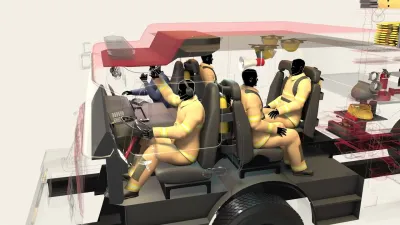
Successful tiller truck operations depend on seamless communication between the tiller operator, driver, and interior crews. The apparatus carries a complement of firefighters trained in aerial operations, including ladder pipe deployment and roof ventilation. SCBA and PPE are essential for all crew members during interior attack and ventilation tasks.
Fire officers should integrate tiller trucks into incident action plans, leveraging their aerial capabilities for fire suppression and rescue. Understanding the unique handling and deployment characteristics of tiller trucks enhances overall incident effectiveness and safety. This operational perspective underscores the importance of apparatus-specific training and tactical planning in fireground success.
About This Video
This 18:13 Apparatus video covers Operational Insights on Tiller Truck Responses in Fireground Operations. Topics include: tiller truck, fire apparatus, fire response, fireground operations, aerial ladder, firefighting tactics, crew deployment, fire suppression, fire officer, incident command.
Related Resources
Explore related firefighter Apparatus guides, free firefighter tools and the hazmat reference hub.
Training Note
All videos on AllFirefighter are curated for training and operational awareness. Always follow your department SOP/SOG and consult current standards before applying any technique on the fireground.

Comments 0
No comments yet. Be the first to share your thoughts on this video!
Leave a Comment