Fire Apparatus Explained: Engines, Ladders, Squads & Rescue Units
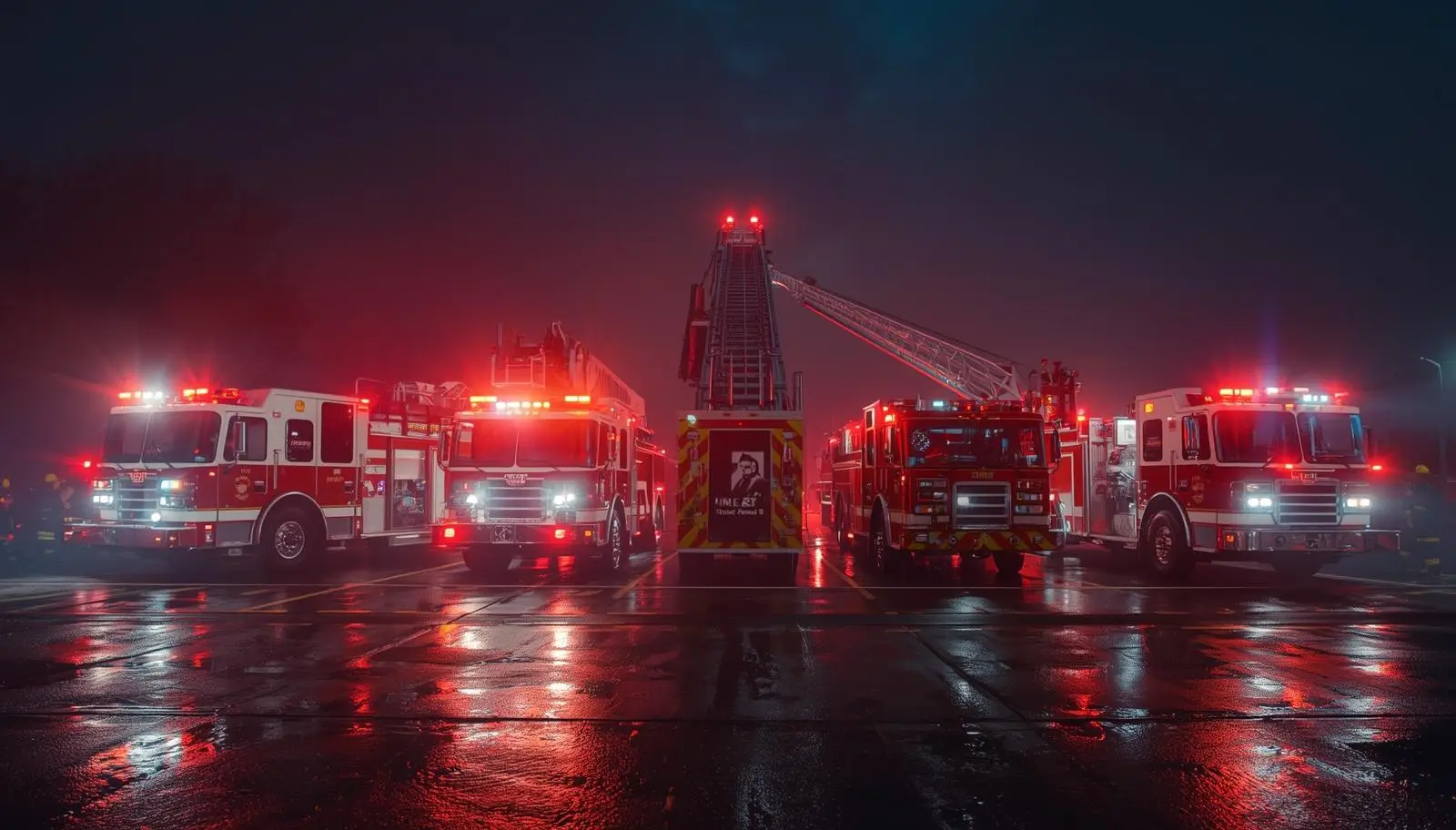
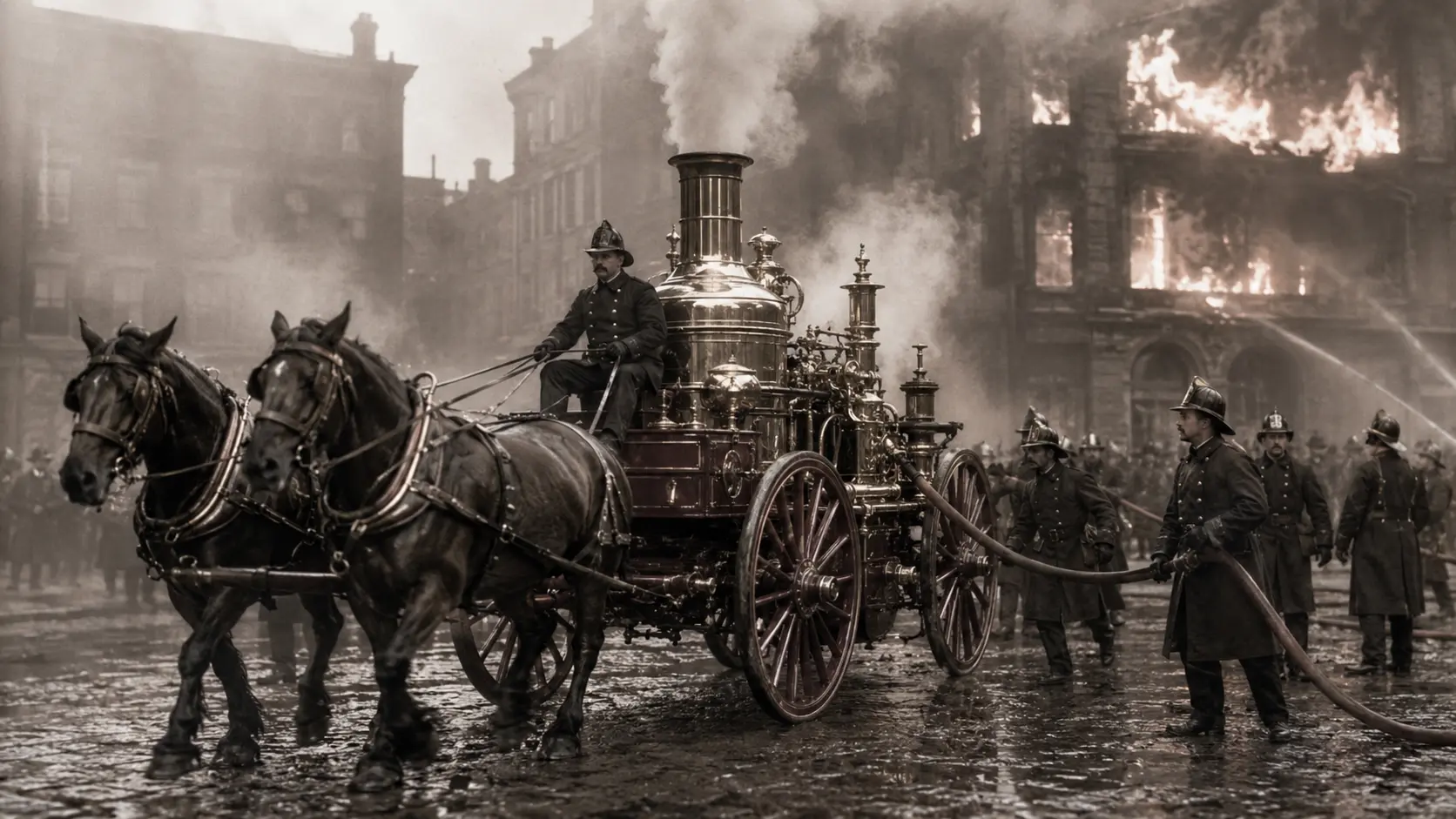
When most people see a fire truck on the road, they simply call it a fire truck. But firefighters know there are many different types of apparatus, each with a unique purpose and capabilities. From engines and pumpers to ladders, towers, squads, tenders, and heavy rescues, every vehicle plays a specific role at an emergency scene. This guide breaks down the major apparatus types used by fire departments across the United States.
Fire Engines (Pumpers)
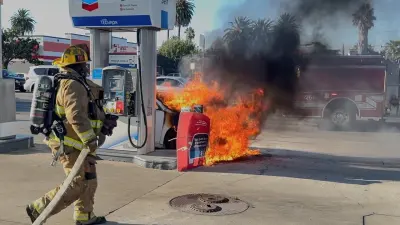
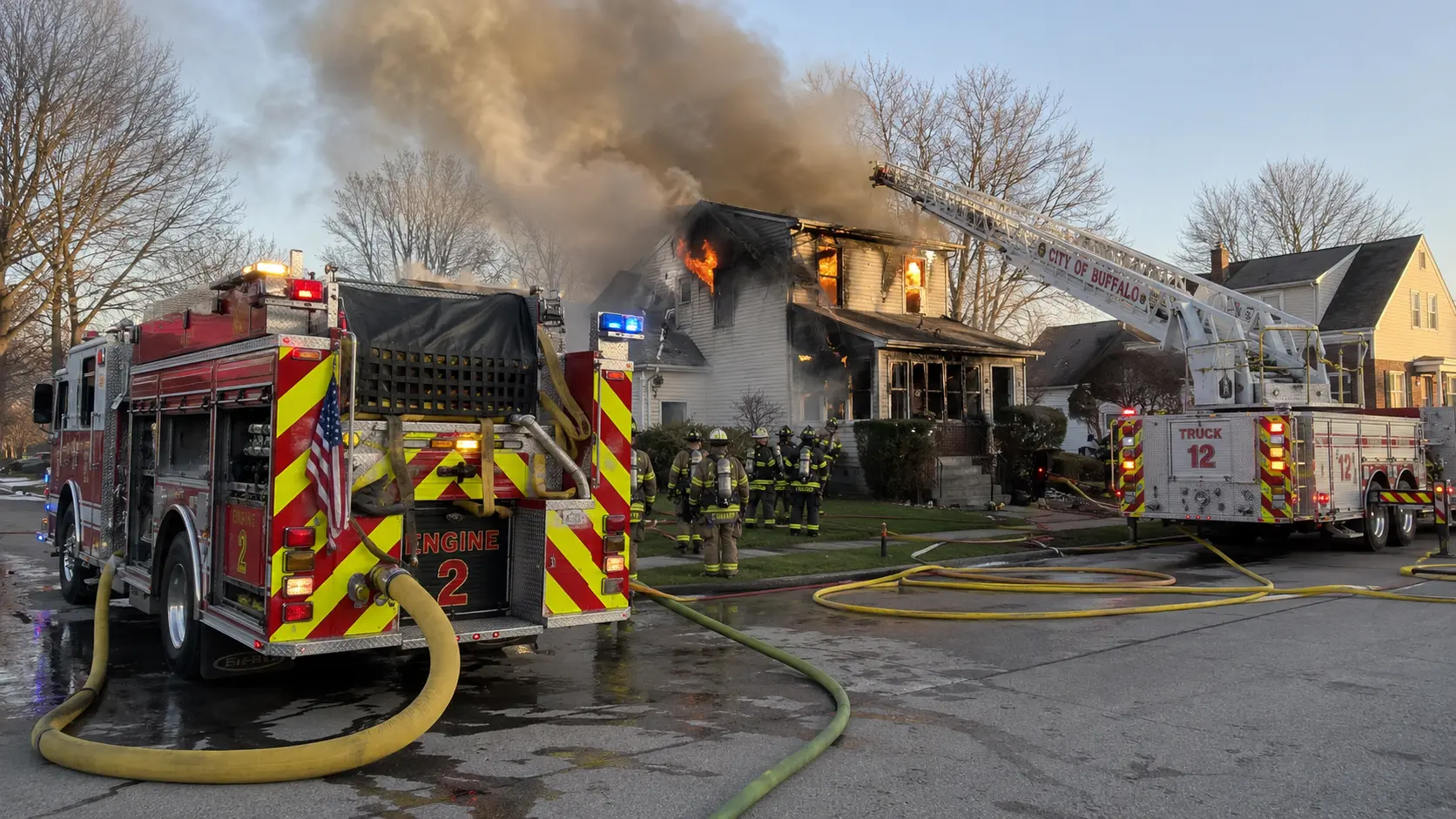
The fire engine is the backbone of the American fire service. It carries hose, water, and a pump that supplies water to firefighters operating handlines. Engines typically respond first to structure fires, medical calls, vehicle accidents, and many other emergencies.
- Water tank: Most engines carry 500–750 gallons.
- Pump capacity: Commonly 1,250–1,500 GPM.
- Equipment: Attack lines, nozzles, SCBAs, ladders, EMS bags, forcible entry tools.
Ladder Trucks (Aerials)
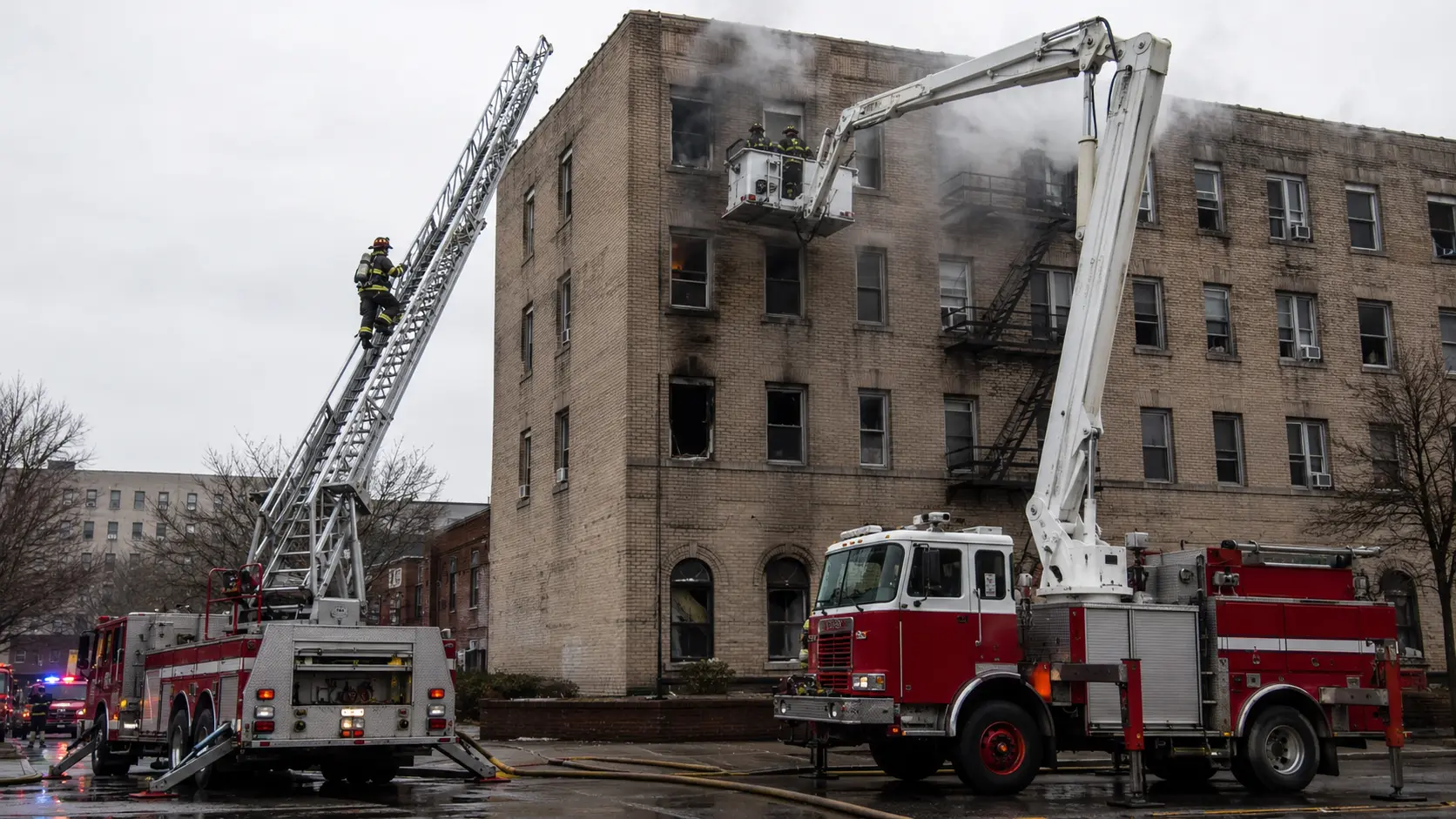
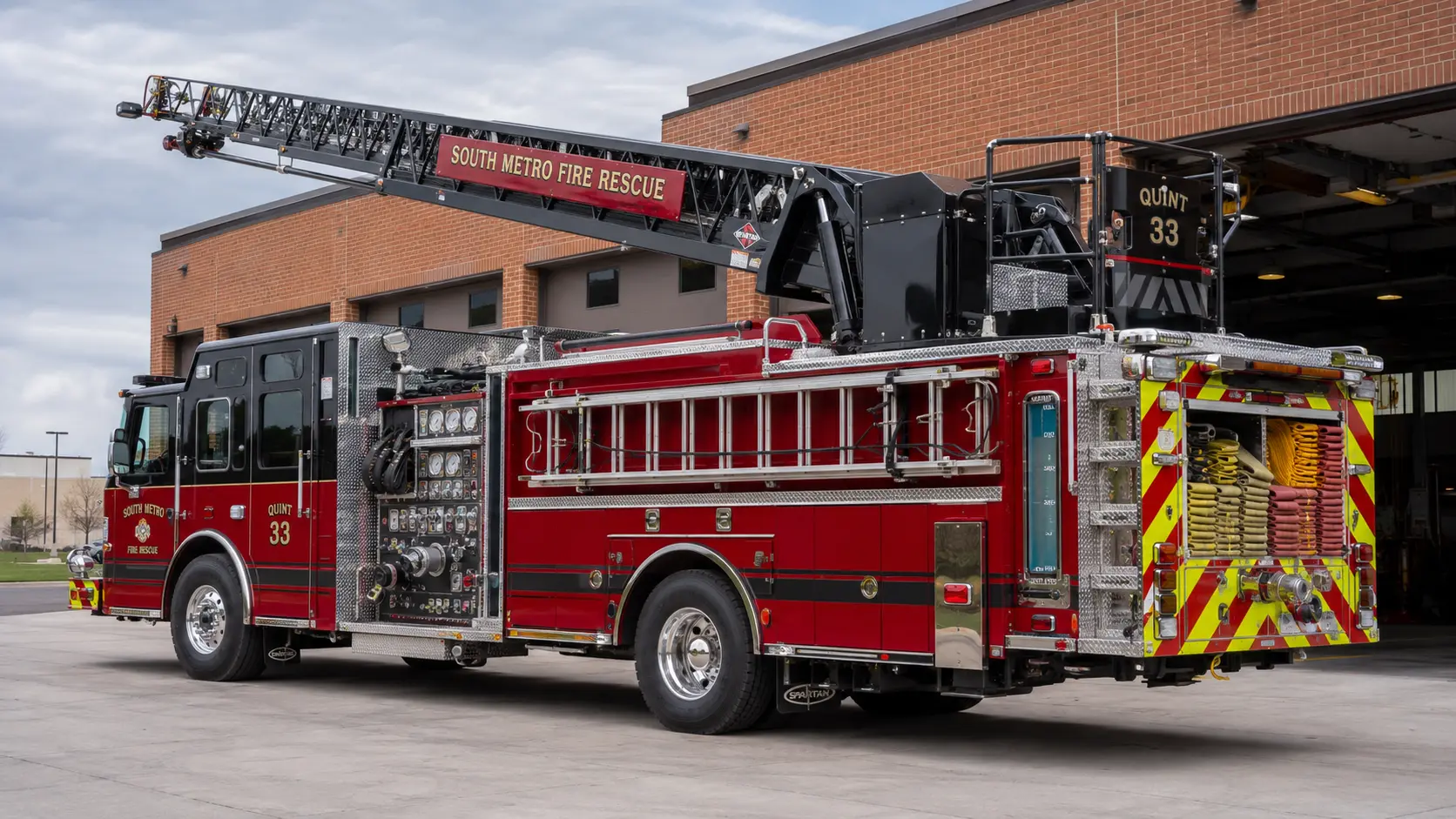
Ladder trucks carry long aerial ladders—often 75 to 100 feet—that allow firefighters to reach upper floors of buildings, ventilate roofs, or perform rescues. These trucks do not usually carry water tanks; instead, they rely on engines to supply water if needed.
- Aerial ladder: Straight ladder, no platform.
- Primary role: Ventilation, forcible entry, search, roof access.
Tower Ladders (Platforms)
Tower ladders—also known as platform trucks—feature a bucket at the end of the aerial device. They provide safer, more stable working positions during rescues, master streams, and roof operations.
- Platform height: 75–95 feet.
- Capabilities: Elevated master streams, safe rescues, roof operations.
Rescue Companies
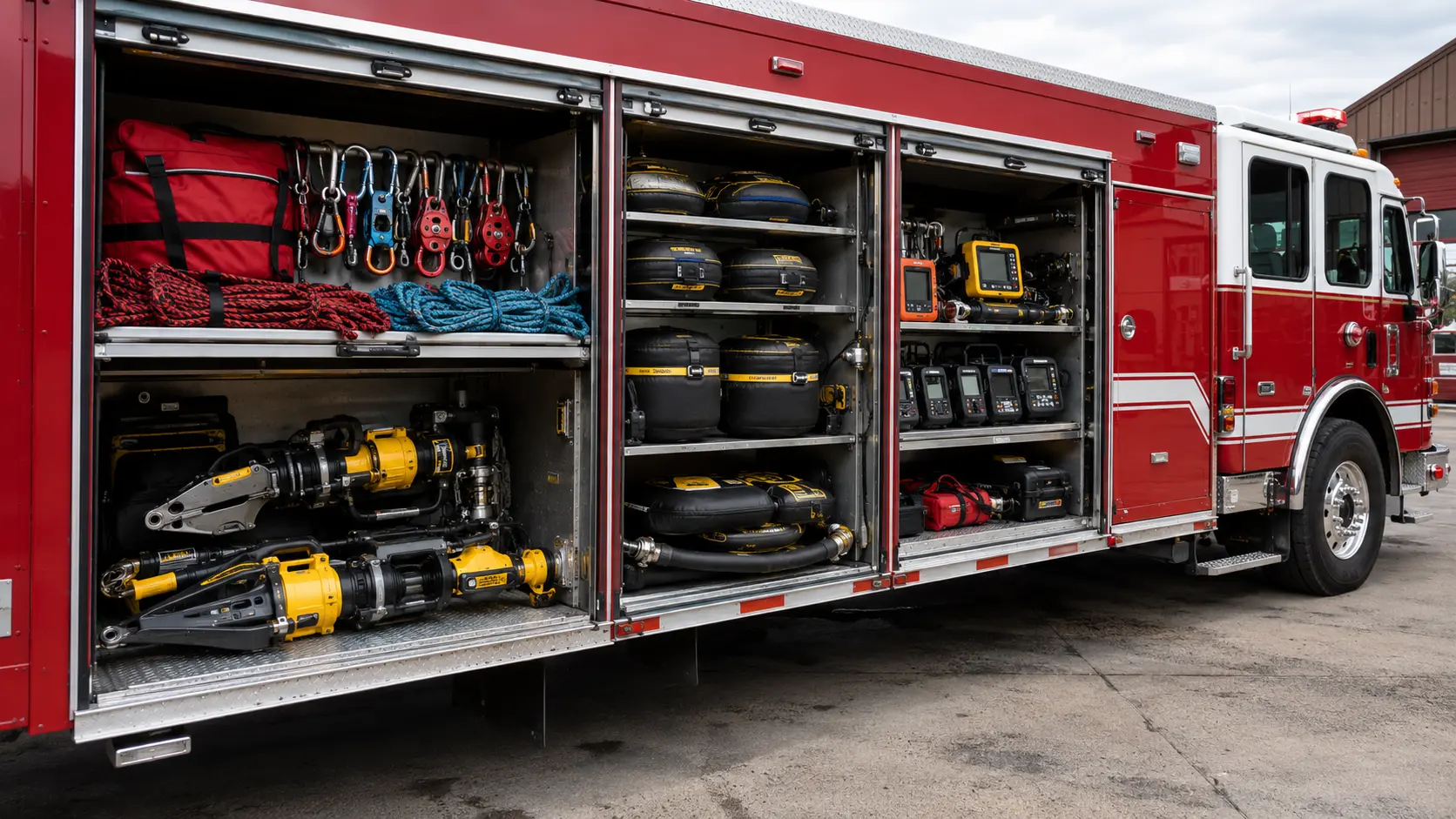
Heavy rescue units carry specialized equipment for technical rescues. FDNY Rescue Companies 1–5 are the most famous examples. These units respond to building collapses, entrapments, confined spaces, trench rescues, and complex extrications.
- Hydraulic tools (spreaders, cutters).
- Airbags, struts, stabilization tools.
- Ropes, harnesses, confined space gear.
Squad Companies
Squad companies operate as both engines and rescues. They carry hose and pumps like a normal engine but also have many of the advanced tools found on rescue units. Squads are often assigned to major fires, technical incidents, and special operations.
Brush Trucks & Wildland Units
In areas prone to wildfires, departments use brush trucks designed for rugged terrain. These units are lightweight, maneuverable, and built to fight fires off-road.
- Features: Four-wheel drive, skid units, quick-access handlines.
Water Tenders (Tankers)
Tenders transport large amounts of water to areas without hydrants. Rural departments rely heavily on them to maintain water supply during structure fires.
Command Vehicles
Chiefs and incident commanders use SUVs or trucks equipped with radios, laptops, and command boards. These vehicles act as mobile command posts.
Why Knowing Apparatus Matters
Every firefighting operation depends on using the right apparatus at the right time. Engines bring water, ladders bring access, rescues bring technical tools, and squads bring versatility. When firefighters understand the strengths of each vehicle, the entire operation runs smoother and safer.
Conclusion
Fire apparatus are more than trucks—they are specialized tools designed to save lives. Engines, ladders, squads, rescues, tenders, and brush trucks all play critical roles in modern firefighting. Whether you're a new recruit or a fire enthusiast, learning the differences helps you appreciate the complexity and teamwork required on today’s fireground.

Comments 0
No comments yet. Be the first to share your thoughts!
Leave a Comment