
Roof Operations: Key to Effective Fireground Ventilation
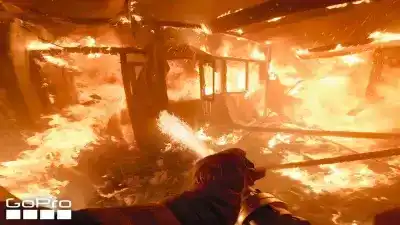
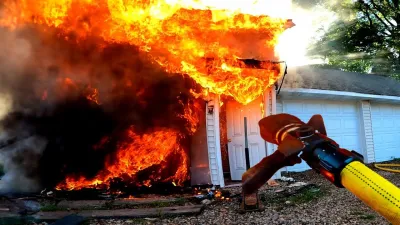
Roof operations remain a critical component of fireground tactics, especially when crews need to improve ventilation and support interior attack. The crew on the roof is tasked with creating vertical ventilation openings, which helps release heat, smoke, and toxic gases from the structure. This action can significantly improve conditions inside for firefighters conducting interior attack and search operations. Proper coordination and situational awareness during roof operations are essential to maintain crew safety and operational effectiveness.
Operational Execution of Roof Ventilation
When firefighters are assigned to the roof, they don full PPE and SCBA to protect against potential flashover or backdraft conditions. The crew assesses roof construction and stability before making any cuts, using tools such as chainsaws or axes. Communication with the interior crews and command is vital to ensure ventilation timing aligns with fire attack progress. The goal is to create controlled openings that direct fire and smoke away from interior crews and potential victims.
Lessons in Safety and Coordination
Roof operations carry inherent risks, including structural collapse and exposure to extreme heat. Firefighters must maintain constant situational awareness and have rapid egress routes identified. The crew should work in teams to provide accountability and mutual support. Proper use of PPE and SCBA is non-negotiable. Command must monitor roof conditions and be ready to adjust tactics if conditions deteriorate. Effective roof ventilation can improve fire control and firefighter safety but requires disciplined execution and communication throughout the incident.
About This Video
This 01:00 Fire video covers Effective Roof Operations in Fireground Ventilation and Safety. Topics include: roof operations, ventilation, fireground tactics, firefighter safety, SCBA, PPE, interior attack, crew coordination, vent-enter-isolate-search, fire behavior.
Related Resources
Explore related firefighter Fire guides, free firefighter tools and the hazmat reference hub.
Training Note
All videos on AllFirefighter are curated for training and operational awareness. Always follow your department SOP/SOG and consult current standards before applying any technique on the fireground.


Comments 0
No comments yet. Be the first to share your thoughts on this video!
Leave a Comment