
Operational Review of Diverse Fireground Incidents
This article examines key operational aspects observed during multiple emergency responses including structure fires, motor vehicle accidents (MVAs), and fire truck dispatches. Understanding the tactical decisions and crew coordination in these varied scenarios provides valuable lessons for firefighters and officers to improve safety and efficiency on the fireground.
Structure Fires: Tactical Deployment and Interior Operations
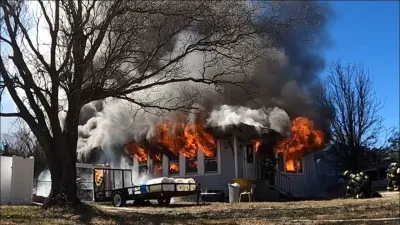
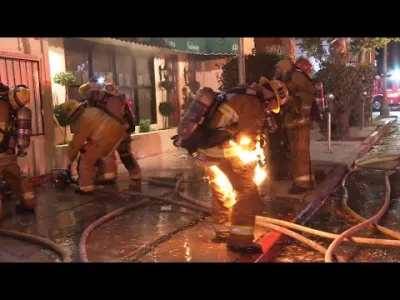
During structure fire incidents, crews typically focus on rapid size-up, establishing a water supply, and initiating an interior attack with charged hoselines. Proper use of PPE and SCBA is critical for firefighter safety. Ventilation tactics are coordinated to improve visibility and reduce heat conditions, aiding in search and rescue as well as fire suppression. Command must ensure clear communication and accountability as crews advance inside the structure, adapting tactics based on fire behavior and building layout.
MVAs and Fire Apparatus Response Considerations
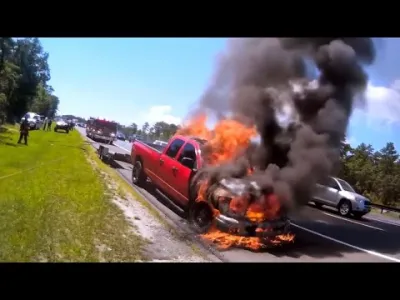
Motor vehicle accidents present unique hazards such as fuel leaks, vehicle stability, and patient extrication challenges. Fire crews must perform scene size-up to identify hazards and establish safe zones. Apparatus positioning is crucial to protect personnel and create effective work areas. Firefighters often work alongside EMS and law enforcement, emphasizing interagency communication. Additionally, fire truck responses demonstrate the importance of driving safety, apparatus placement, and rapid deployment upon arrival to maintain operational readiness.
Overall, these incidents highlight the importance of coordinated crew actions, situational awareness, and adherence to standard operating procedures to manage diverse emergency scenarios effectively.
About This Video
This 17:22 Fire video covers Operational Insights from Structure Fires, MVAs, and Fire Truck Responses. Topics include: structure fire, motor vehicle accident, fire apparatus, fireground operations, interior attack, scene safety, crew coordination, ventilation, SCBA, incident command.
Related Resources
Explore related firefighter Fire guides, free firefighter tools and the hazmat reference hub.
Training Note
All videos on AllFirefighter are curated for training and operational awareness. Always follow your department SOP/SOG and consult current standards before applying any technique on the fireground.

Comments 0
No comments yet. Be the first to share your thoughts on this video!
Leave a Comment